
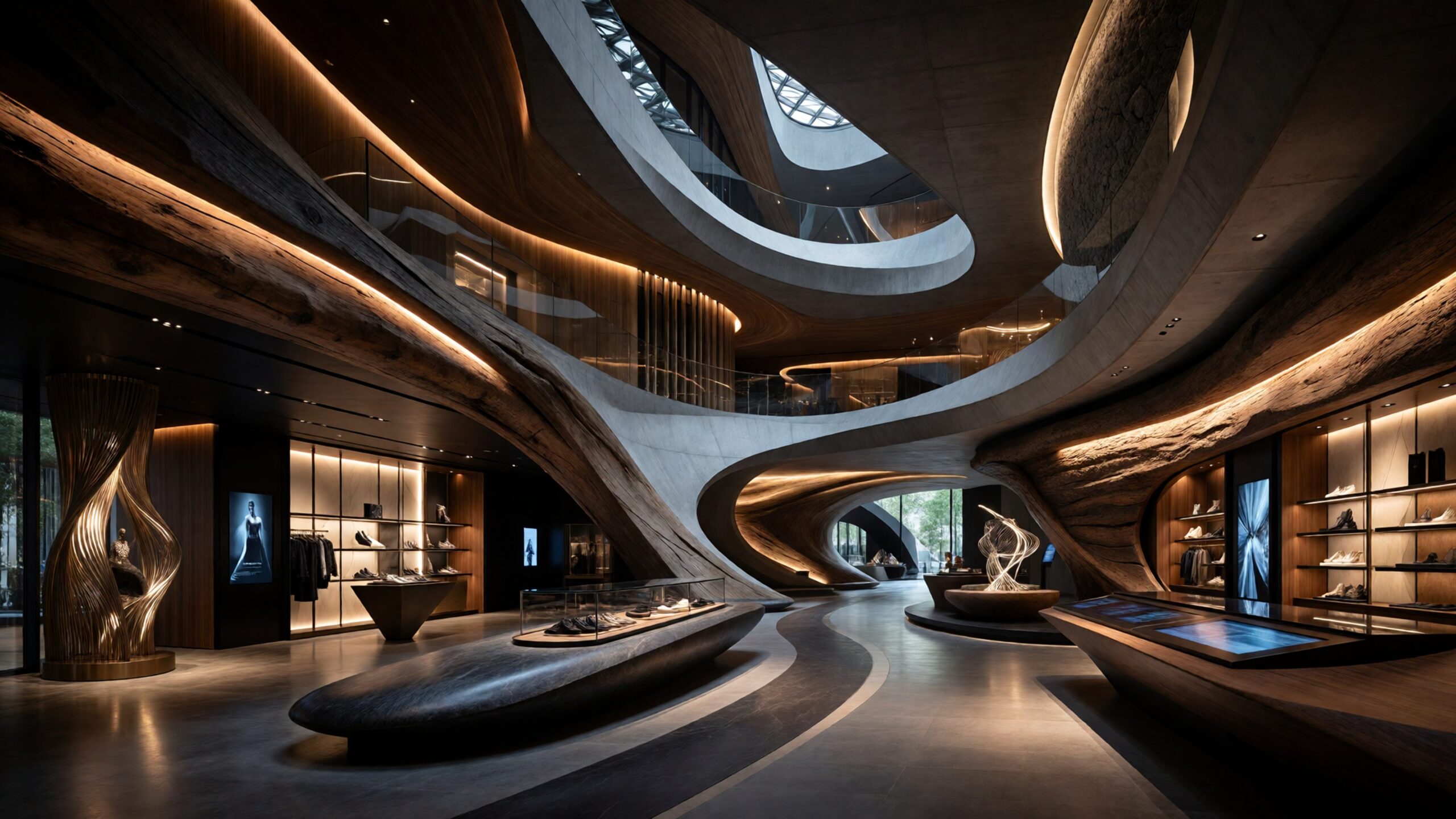
Architectural Storytelling is where physical space becomes a powerful narrative tool, transforming brand and retail environments into immersive experiences that connect emotionally with visitors. Within Brand and Retail Spaces, this subcategory explores how architecture, interior design, lighting, materials, and spatial flow work together to communicate brand identity, heritage, and vision in unforgettable ways. From flagship stores that unfold like living brand museums to themed environments that guide customers through carefully crafted journeys, architectural storytelling turns ordinary locations into memorable destinations. Articles in this section dive into iconic retail designs, experiential concepts, sensory-driven layouts, and the psychology behind spatial engagement, showing how every wall, pathway, and focal point can tell a compelling story. Whether showcasing innovation, tradition, sustainability, or lifestyle aspirations, these spaces influence how customers perceive and interact with brands. Architectural Storytelling reveals how thoughtful design elevates commercial spaces beyond function, creating environments that inspire exploration, build loyalty, and leave lasting impressions in today’s experience-driven marketplace.
A: Designing spaces to communicate narrative experiences.
A: Theme parks, museums, retail, hotels, and exhibits.
A: It emotionally connects visitors to environments.
A: Often yes for realism and immersion.
A: Depends on scale and complexity.
A: Costs vary widely by materials and scope.
A: Many modern builds use modular scenic pieces.
A: Yes, themed finishes require care.
A: Story layers can evolve.
A: Yes, storytelling works at any scale.