
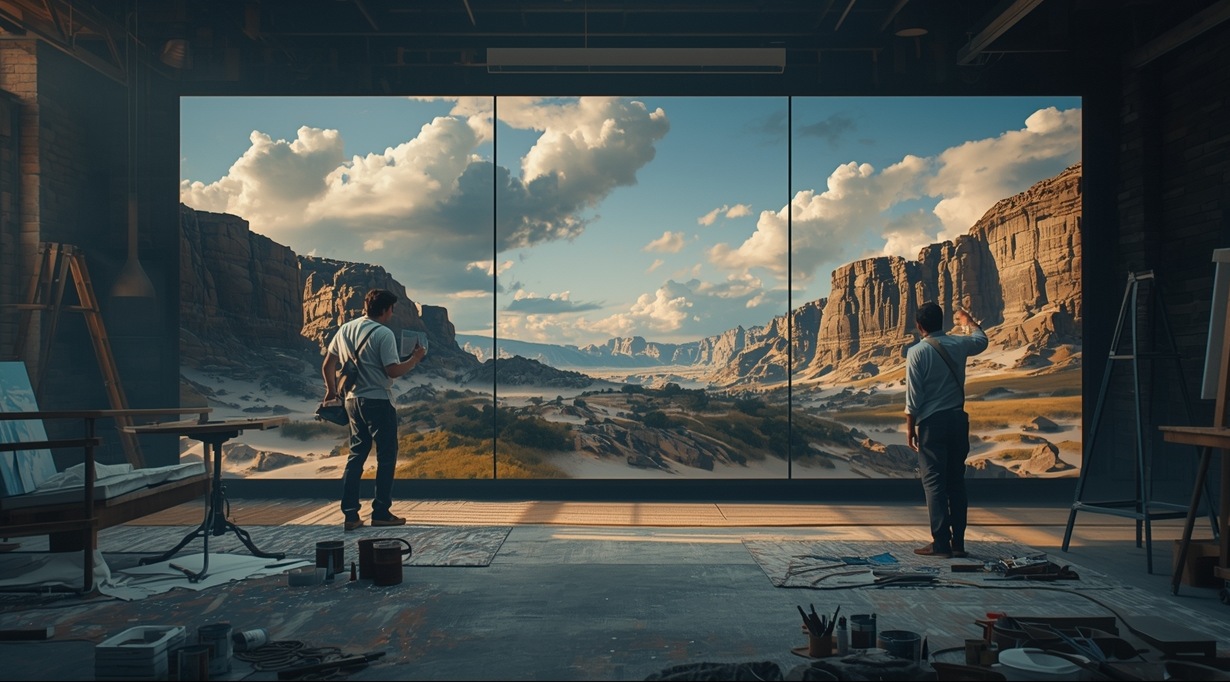
Scenic Painting Techniques is where imagination meets craftsmanship, transforming flat surfaces into immersive worlds that feel alive with depth, texture, and atmosphere. This sub-category on Theme Street explores the art and science behind painting environments that tell stories—whether for themed attractions, stage productions, immersive exhibitions, or experiential spaces. Scenic painting goes far beyond decorative finishes; it is about illusion, scale, and emotional impact. From hand-painted skies and weathered stone to faux wood, aged metals, and dramatic trompe-l’œil effects, these techniques allow artists to manipulate light, color, and perspective to guide how a space is perceived. Within this collection of articles, you’ll discover both traditional methods passed down through generations of scenic artists and modern innovations that blend digital planning with hands-on execution. We explore tools, materials, brushwork styles, layering techniques, and finishing processes that bring environments to life under real-world lighting conditions. Whether you are a designer, fabricator, artist, or creative enthusiast, Scenic Painting Techniques offers insight into how painted surfaces become powerful storytelling tools—shaping mood, enhancing realism, and turning constructed spaces into believable, unforgettable scenes.
A: No—scenic painting focuses on illusion and distance viewing.
A: Yes, but often stylized for clarity.
A: Muslin, canvas, wood, foam, and flats.
A: Essential—lighting completes the illusion.
A: Absolutely—environmental storytelling relies on them.
A: Yes, restraint often increases realism.
A: No—suggestion is often more effective.
A: Understanding light and perspective.
A: Yes, despite digital tools.
A: Believability within the story world.