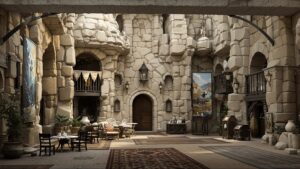
Materials and finishes are the silent storytellers of every themed environment — the difference between a room that feels designed and a world that feels alive. This subcategory is where texture becomes emotion, where surfaces whisper history, and where a single sheen can transform a space from rustic nostalgia to futuristic wonder. Whether it’s the weathered oak of a pirate tavern, the iridescent shimmer of a galaxy corridor, or the polished marble of a royal fantasy palace — the tactile language of design is what makes a theme believable, immersive, and unforgettable. On Theme Street, “Materials & Finishes” is your backstage pass to the craft of illusion. Here, we dive into everything from aging techniques and metallic treatments to eco-conscious alternatives and sensory-driven surface design. Expect inspiration drawn from cinema, architecture, nature, and beyond — not just what looks right, but what feels inevitable for the world you’re creating. Ready to explore the art of material storytelling? This is where texture becomes theater, and surfaces become emotion.
A: Layered faux textures like aged plaster or cracked tile often win.
A: Yes, but it's heavier and harder to modify—faux often works better.
A: Use batch control and limit color/texture palette across teams.
A: Durable coatings like polyurethane with themed texture overlays.
A: Matte avoids glare, but gloss can catch light for magical effects.
A: Trim work, layered panels, and scenic props are your best friends.
A: Dry brush highlights, crackle paints, or sanded edges work well.
A: Absolutely—especially in rustic, industrial, or eco-themed builds.
A: Always create full-scale mockups under site lighting conditions.
A: High-traffic areas may need annual refresh or touch-ups.

Best Materials for Themed Environments: What Designers Actually Use
Great themed environments aren’t built on decoration alone—they’re built on material mastery. This deep dive reveals what professional designers actually use to create believable, durable, and emotionally immersive spaces, from sculpted foam and GFRC to aged metals, real wood, and scenic finishes that bring entire worlds to life.
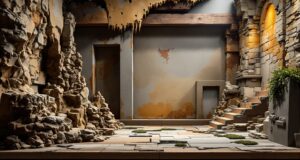
Choosing the Right Materials for Immersive Theme Design
Immersive theme design begins with material choices that disappear into the story. From scenic surfaces to hidden structures, discover how the right materials create believable worlds that feel real, durable, and unforgettable.
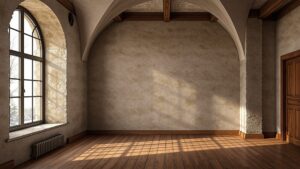
The Psychology of Materials in Themed Spaces
Materials quietly shape how themed spaces feel, guide emotion, and anchor memory. From texture and weight to aging and authenticity, discover how material choices influence perception, immersion, and trust. This deep dive into material psychology reveals why the most powerful themed environments feel instinctively real long before the story is understood.
