
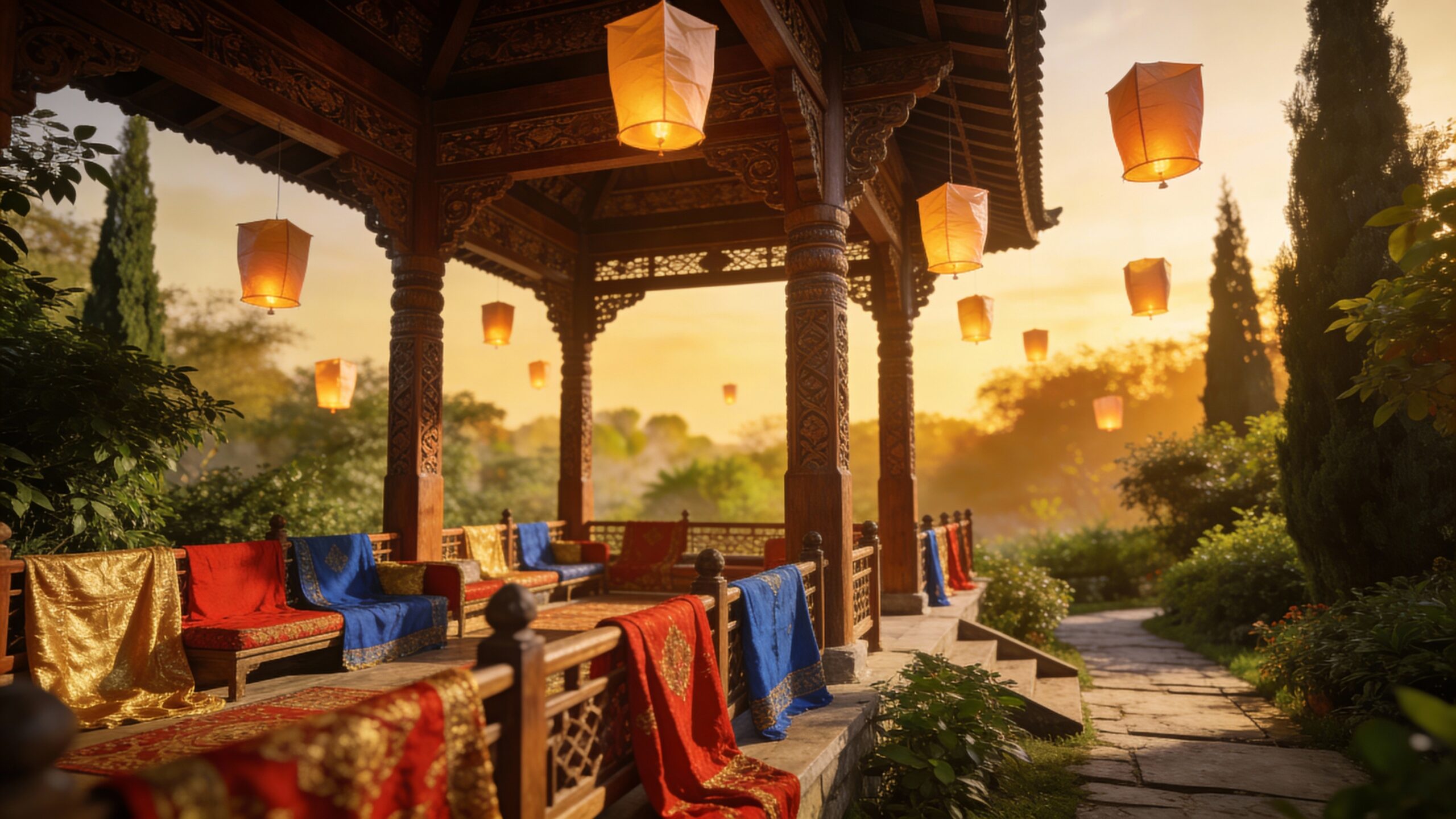
Cultural pavilions are where architecture becomes storytelling, and every structure becomes a portal into the soul of a place. These vibrant, imaginative spaces celebrate global identity through color, craft, ritual, and design—inviting guests to wander, wonder, and connect with cultures far beyond their own. Whether inspired by centuries-old traditions, contemporary artistry, or bold cross-cultural fusion, each pavilion feels like its own living narrative, filled with textures, scents, sounds, and symbols that transform simple spaces into immersive journeys. On Theme Street, our Cultural Pavilions hub explores how designers weave history, innovation, and emotion into environments that feel both deeply authentic and wildly magical. From lantern-lit Asian courtyards to mosaic-covered Mediterranean plazas, from nomadic desert tents reimagined for modern audiences to futuristic interpretations of indigenous forms, this category uncovers the craft, meaning, and behind-the-scenes creativity that shape these unique destinations. Step inside, open your imagination, and prepare to travel the world—no plane ticket required—one culturally rich pavilion at a time.
A: It reflects heritage through architecture, art, storytelling, and sensory elements.
A: Yes—many pavilions blend contemporary materials with historic symbolism.
A: Temporary ones may build in months; permanent structures can take years.
A: They aren’t required, but they add powerful layers of cultural expression.
A: Absolutely—authenticity and respectful representation depend on expert guidance.
A: Combine visual, tactile, sound, and scent elements to reinforce cultural atmosphere.
A: Yes—AR, workshops, artisan demos, and participatory rituals are common.
A: Modern pavilions emphasize ramps, clear signage, and multi-sensory experiences.
A: Sizes vary widely—from intimate garden huts to multi-room cultural complexes.
A: To honor the culture authentically while captivating guests emotionally.