
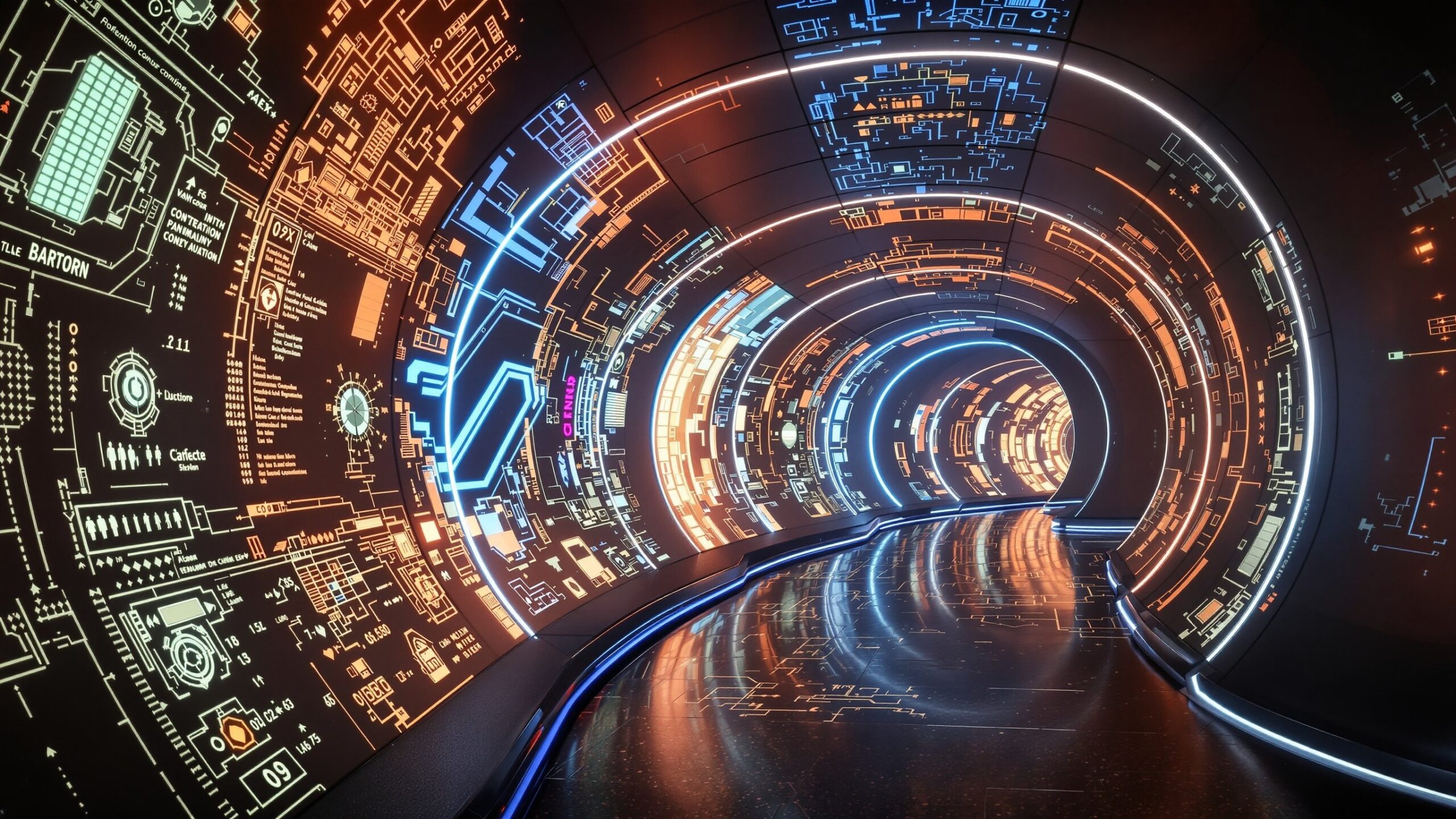
Step into the Immersive Spaces Gallery — where environments don’t just exist… they respond, react, and pull you into their story. This is where architecture merges with illusion, technology whispers to the senses, and every room becomes a living narrative. Whether it’s a glowing bioluminescent forest beneath your feet, a sci-fi control deck that breathes with motion and sound, or a historical tavern that feels uncannily real down to the flicker of lantern light — these are worlds built to be felt, not just seen. In this gallery, we explore the art of designing environments that transport people beyond the boundaries of everyday life. From theme parks and interactive museums to cinematic retail spaces, theatrical dining, escape rooms, and future-forward virtual environments — every article here uncovers the secrets behind immersion: emotion, illusion, storytelling, and atmosphere engineering. If you’ve ever wondered how spaces become alive, this is your portal. Welcome to the edge of reality — where imagination becomes inhabitable… and you’re not just an observer, but a participant.
A: Themed implies style; immersive involves interaction, emotion, and narrative depth.
A: Layer content visually and emotionally—surface fun, deeper intrigue.
A: Yes—smell is directly tied to memory and mood anchoring.
A: Balancing safety codes with illusion—everything must look real but be safe.
A: Absolutely—scale does not define immersion, story does.
A: Not always—but touchpoints enhance engagement and memory retention.
A: Yes—tech should serve the magic, not distract from it.
A: Avoid overheads; use layered lighting, accents, and shadows.
A: Ideal durations range 15–60 minutes depending on type and complexity.
A: Begin with the emotional arc—what do you want people to feel?