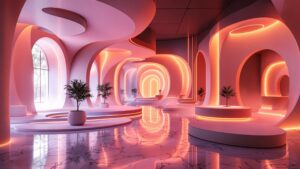
Storytelling Through Space is where imagination transcends the page and becomes something you can walk through, feel, and remember long after you’ve left. This is where design stops being decorative—and becomes narrative. Every curve of a wall, every flicker of a lantern, every texture beneath your fingertips is deliberately placed to tell a story without a single spoken word. In this world, architecture is dialogue, lighting is mood, and spatial movement is emotional pacing. It’s theater without actors. Memory without exposition. A living, breathing narrative that pulls guests into new worlds—whether that’s a misty 1800s port town, a futuristic orbital station, or a quiet candlelit chapel echoing with forgotten legends. On Theme Street, Storytelling Through Space is where worldbuilding gets physical. Here you’ll explore how designers guide emotion through pathways, plant narrative in decor, and shape time through flow. These articles uncover the craft of making environments speak—how spaces teach, surprise, foreshadow, and even whisper secrets to those who are curious enough to look closer.
A: It's the use of space, design, and sensory elements to tell a narrative.
A: Start with story goals—emotions, setting, tone—then build visuals around them.
A: Extremely—it sets mood, focus, and often reveals (or hides) story beats.
A: Yes—use detail, sound, and scale tricks to maximize impact.
A: Ideally hidden—let the magic feel real, not mechanized.
A: Style over substance—form should always follow story.
A: Layer discovery—let them uncover new details on each visit.
A: Strong narrative core, emotional resonance, and universal symbolism.
A: Absolutely—it builds brand identity and guest loyalty.
A: Explore theme parks, immersive theater, and experiential design theory.

The Art of Narrative Environments and Why They Captivate
Narrative environments turn spaces into living stories that captivate the senses and stir emotion. Through powerful design, immersive details, and seamless storytelling, they transport visitors into worlds filled with meaning and wonder. These environments don’t just entertain—they create memories, spark curiosity, and make every step feel purposeful and alive.

Designing Spaces That Tell Stories Without Words
Step into the world of silent storytelling, where spaces speak through light, texture, movement, and emotion. This article reveals how designers shape unforgettable environments that guide, inspire, and captivate—without using a single written word. Experience how spaces become living narratives that linger long after you leave.

How Spatial Layout Shapes Emotional Journeys
Spatial layout is more than structure—it’s an emotional script. Every doorway, reveal, and pathway shapes how people feel, move, and connect with a space. Explore how designers use flow, proportion, and sensory cues to craft unforgettable emotional journeys without a single word spoken.
