
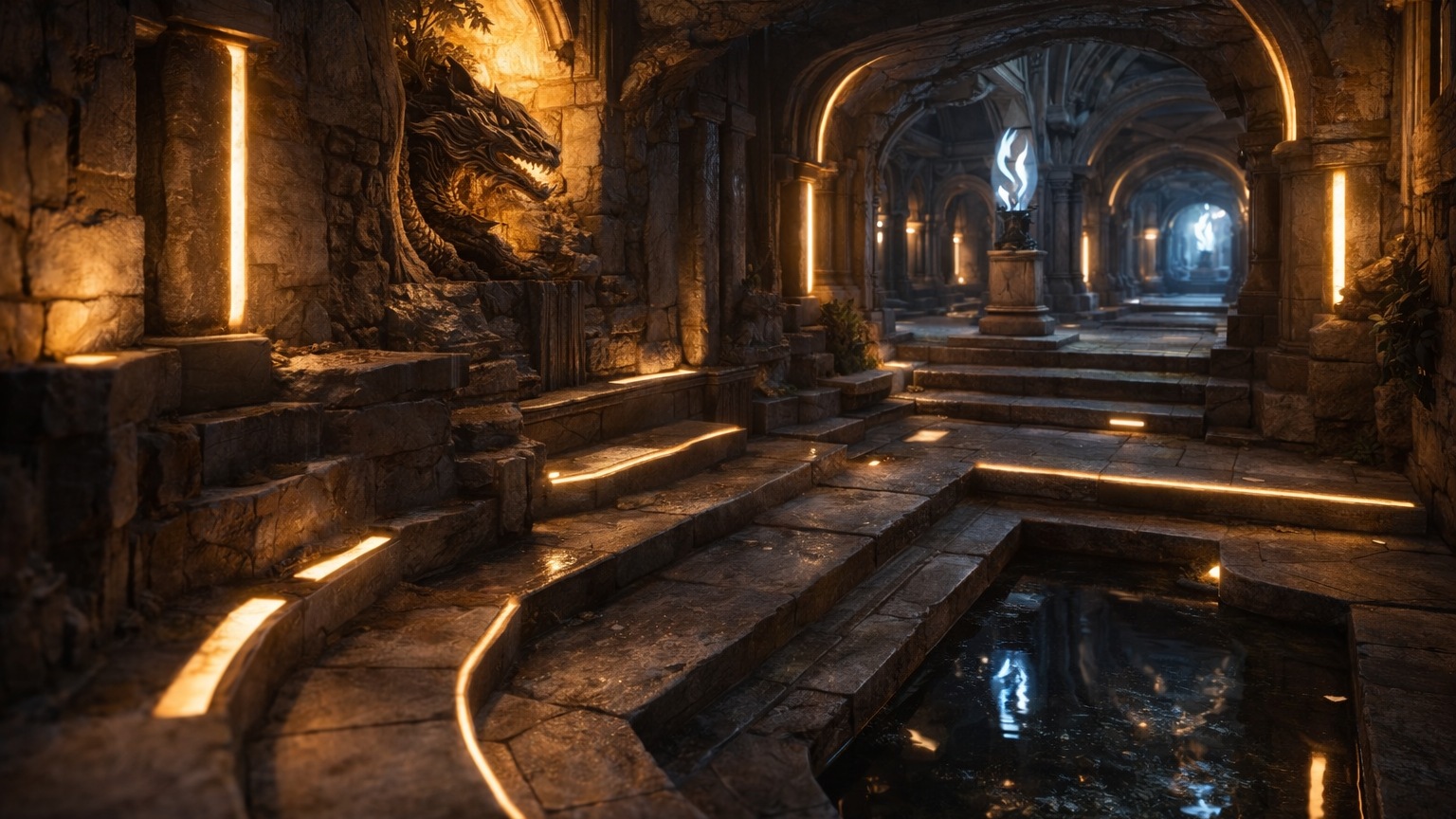
Lighting Integration is where atmosphere, architecture, and storytelling converge on Theme Street, transforming spaces into immersive experiences rather than static environments. In this sub-category, we explore how light is intentionally woven into themed design—hidden within structures, layered across materials, and synchronized with color, texture, and movement to shape mood and perception. From subtle glows that guide guests through a space to dramatic reveals that heighten emotion, integrated lighting becomes an invisible narrator, directing attention and amplifying design intent. These articles dive into the creative strategies, technical considerations, and artistic choices behind seamless illumination, revealing how designers balance function with fantasy. You’ll discover how lighting supports world-building, enhances spatial depth, and adapts across scenes, seasons, or interactive moments. Whether embedded in architectural details, blended with scenic elements, or programmed to evolve over time, lighting integration defines how a space feels, not just how it looks. On Theme Street, this collection illuminates the craft behind unforgettable environments—where light is not an accessory, but a core design language that shapes emotion, flow, memory, and meaning at every scale.
A: It is both—designed to support atmosphere and usability.
A: During early design and framing stages.
A: Most integrated systems rely on LEDs for size and efficiency.
A: Yes, but access planning is critical.
A: Often, yes—especially in themed environments.
A: Properly designed systems are highly efficient.
A: They range from simple dimmers to full scene automation.
A: Absolutely—light often leads the narrative.
A: Adding lighting as an afterthought.
A: Intentional placement and restraint.