Designing Spaces That Tell Stories Without Words
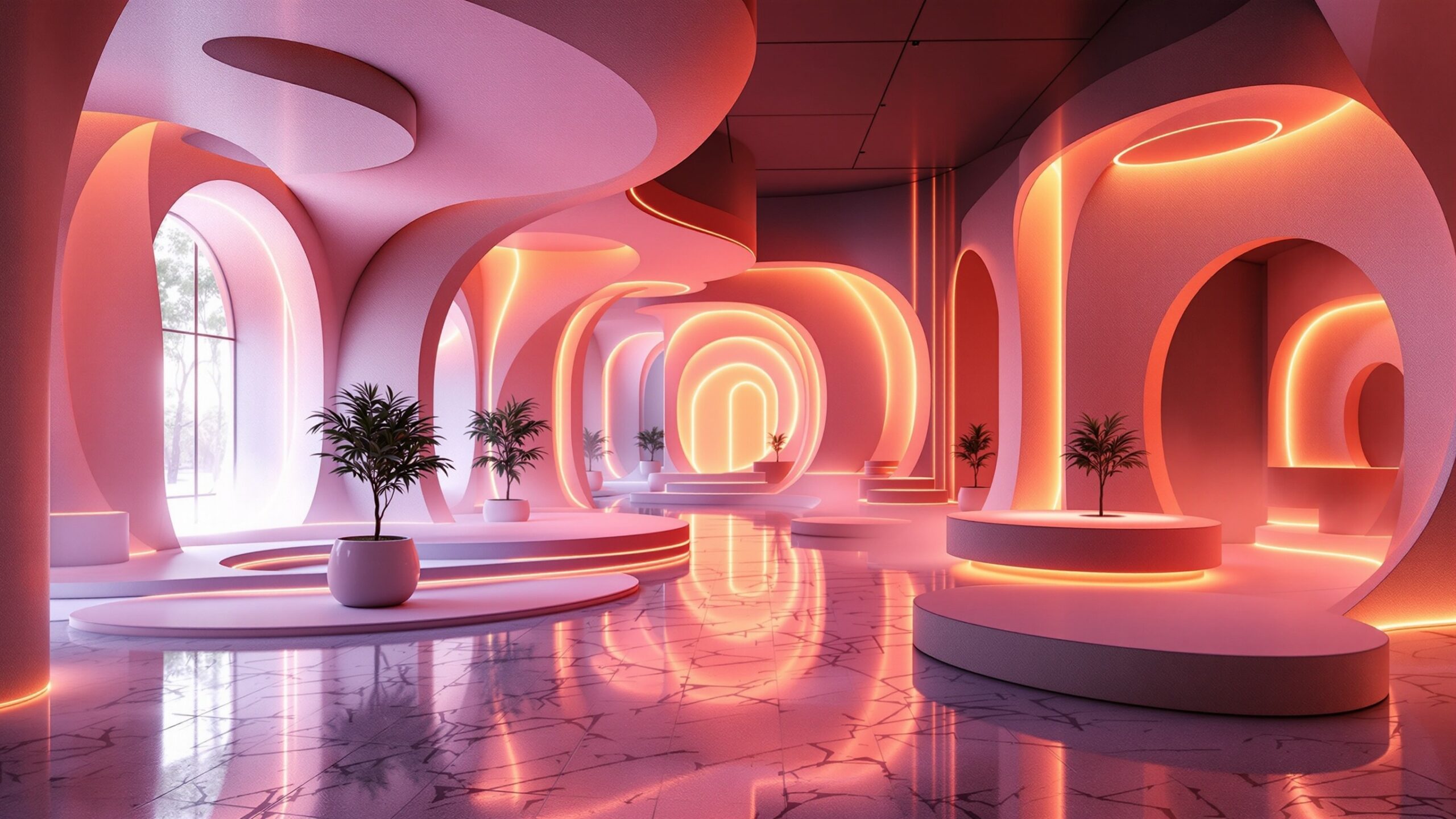
Spaces can speak. Long before a guest hears a welcome greeting or reads a brand message, the environment around them communicates intention, emotion, and narrative. It whispers history through textures, evokes mood through lighting, and anchors memory through the choreography of movement. Designing spaces that tell stories without words is a sophisticated craft—one that blends psychology, artistry, sensory design, and architectural intelligence into an immersive language. Whether it is a retail store, a museum exhibit, a themed attraction, a restaurant, or a home, environments can become silent storytellers when they are created with clarity, emotion, and purpose. Today, the most captivating spaces aren’t just functional; they are narrative experiences that invite visitors to step inside a world. Silence is powerful. In a world filled with visual noise and constant communication, wordless storytelling captures attention in a more intimate and lasting way. It invites interpretation. It makes the visitor the protagonist, not the observer. The physical world becomes a narrative canvas—one where atmosphere replaces exposition, and spatial sequences take the place of dialogue. Designing such spaces requires an understanding of how humans perceive the world and how environments shape behavior, memories, and emotions. It is both science and art, and when executed intentionally, the results are magical.
A: Through emotion—using lighting, texture, layout, and sensory cues.
A: Lighting. It determines mood instantly.
A: Not necessarily—emotion and atmosphere often speak louder than storylines.
A: Balance bold focal points with subtle surrounding details.
A: Inconsistency—details that break the illusion.
A: Absolutely—scale amplifies intimacy and mood.
A: Both matter—architecture sets the world, props shape its personality.
A: Suggest rather than show—imply rather than declare.
A: Add layered soundscapes and targeted light shifts.
A: Not always—mystery fuels engagement.
The Emotional Blueprint: How Spaces Influence Feeling
Before a designer selects materials or composes a layout, the emotional foundation of the environment must be defined. Every story-driven space begins with an intention—a core feeling that visitors should experience the moment they enter. Should the space feel warm and nostalgic? Should it feel mysterious and adventurous? Serene and contemplative? Energizing and bold? Each emotional choice will guide every design decision that follows.
This emotional blueprint goes far beyond aesthetics. Humans perceive space holistically. Color influences heartbeat. Sound affects mood. Lighting shifts perception of scale and depth. Temperature and texture create comfort or tension. Because we instinctively respond to environmental cues, these sensory layers become the building blocks of narrative design. A dimly lit corridor with narrow proportions silently suggests anticipation or secrecy. A sun-filled atrium with soft organic materials conveys peace and openness. Designers who understand these emotional cues can craft immersive story experiences without a single written word.
In themed environments and hospitality design, this emotional blueprint becomes essential. A romantic bistro can tell a love story through warm diffusion lighting, intimate spatial proportions, and handcrafted decor. A futuristic retail store can communicate innovation through reflective surfaces, directional lighting, and smooth motion paths. Even a corporate lobby can express brand values—transparency, stability, ambition, sustainability—through spatial storytelling that feels authentic and intentional.
Visual Hierarchy and the Silent Guide
Every story-driven space needs a guide, and visual hierarchy serves this purpose. Even without signage, the eye naturally seeks patterns, anchors, and focal points. Designers use hierarchy to lead visitors through a spatial narrative with seamless, almost invisible cues. This is the language of composition: what the eye sees first, where it moves next, and how the brain processes the environment as it unfolds.
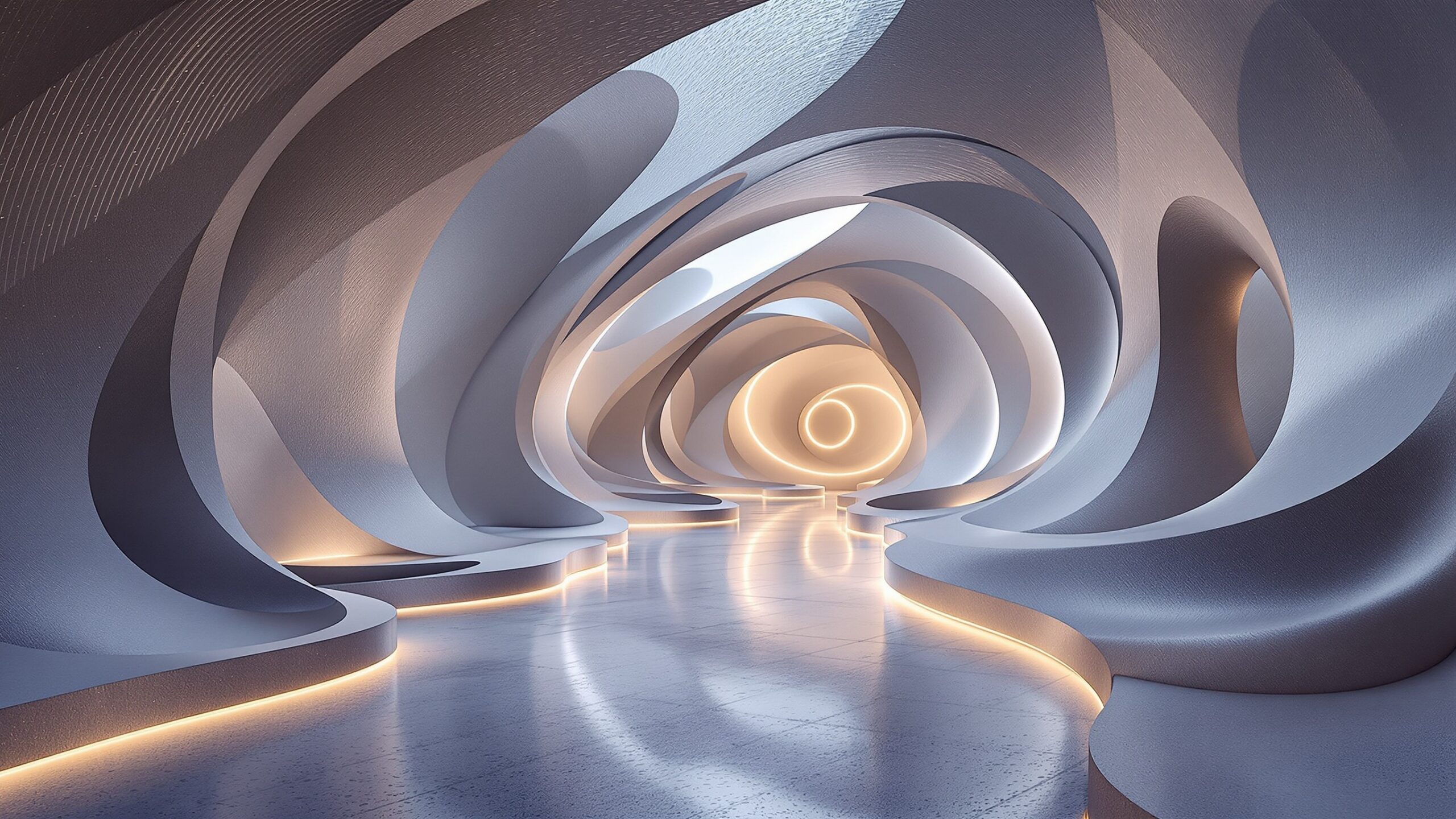
Hierarchy can be created in countless ways. Scale is one of the strongest. A large sculptural element will immediately communicate importance or invite entry. Contrast is another. A vivid color or a striking material set against a quiet background instantly draws attention. Movement, whether actual or implied, is also a navigational device—curved pathways, sweeping lines, or staggered spatial volumes subtly signal direction.
This unspoken spatial choreography allows visitors to engage with the environment naturally and intuitively. Museums are excellent examples; curators strategically use light, sightlines, and spatial rhythm to guide guests from one zone to another. Theme parks also rely heavily on visual hierarchy to tell stories, shaping how visitors transition between worlds. When hierarchy is used thoughtfully, it becomes a silent narrator guiding guests through an emotional arc.
Materiality: The Texture of Narrative
If every space is a story, materials are its vocabulary. The tactile experience of a wall, the way light hits a surface, the contrast between rough and smooth textures—all of these sensory details contribute to a narrative tone. Materiality anchors a space in a time period, culture, theme, or emotional mode.
Natural materials often evoke authenticity, calm, and connection. Wood grains carry warmth and familiarity. Stone suggests permanence and grounding. Soft textiles introduce intimacy and comfort. In contrast, metallics, polished surfaces, and glass project sleekness, futurism, and precision. Designers choose materials not only for durability or aesthetics but also for meaning. Brick can evoke nostalgia or heritage. Concrete can suggest industrial grit. Velvet can whisper luxury.
Texture adds depth to these meanings. A distressed, weathered surface might imply history and resilience, while a smooth, reflective finish suggests newness and clarity. When materials are layered thoughtfully, they create a story that can be felt, not just seen. In retail design, for instance, the combination of materials often communicates brand identity before a visitor even recognizes the logo. In residential spaces, materiality helps craft personal narratives—spaces that feel lived-in, reflective of lifestyle, and emotionally resonant.
Light as the Invisible Narrator
Light is one of the most powerful storytelling tools in spatial design. It sculpts form, highlights meaning, and shapes atmosphere. It can energize or quiet. It can guide or conceal. Light defines the emotional rhythm of a space, acting as an invisible narrator that directs attention and shapes experience.
Designers use lighting to create layers of narrative. Ambient lighting sets mood and establishes the overall emotional landscape. Accent lighting highlights key moments or objects, drawing the visitor’s focus as the story unfolds. Decorative fixtures add personality and character, functioning almost like visual characters within the scene. Dynamic lighting, whether shifting in intensity or color temperature, can mimic time of day or suggest movement and progression.
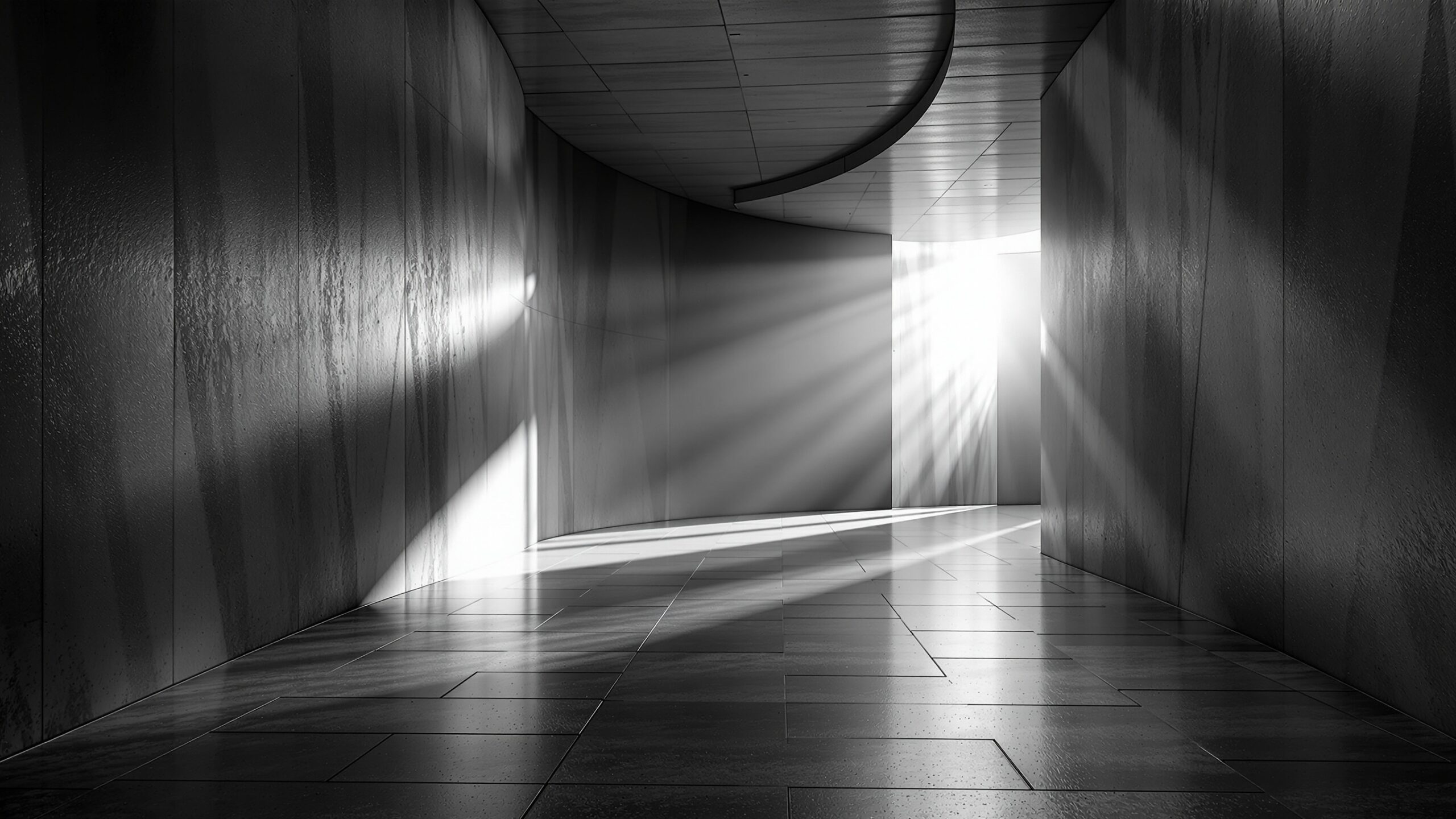
Light can also create intentional contrast—bright openness versus shadowed intimacy. This interplay builds drama, suspense, or serenity without any written cue. In architecture, light is often used symbolically: sunlight through clerestory windows evokes spirituality, while low, warm lighting creates comfort and nostalgia. In experiential installations and theme parks, lighting becomes a central character, bringing environments to life through color, pattern, and direction.
When executed thoughtfully, lighting transforms a space into a cinematic experience. Visitors don’t simply stand in the environment—they feel it.
Spatial Flow and the Art of Sequence
A space that tells a story is never static. It unfolds like chapters in a book. Spatial flow—how people move through an environment—is one of the foundational storytelling elements in design. Story-driven spaces are rarely built as open, undefined layouts; instead, they use progression and transition to create emotional beats.
Sequential design begins with an entry moment. This is the hook—the first impression that establishes tone. A dramatic reveal, a narrowing corridor, a sudden burst of light, or a shift in materiality can set expectations immediately. Next comes the journey through the space, which might be linear, fluid, or exploratory. The pathway should feel purposeful, whether it’s directing guests toward a focal point or encouraging wandering and discovery.
Transitions are just as important as destinations. Moving from bright to dim lighting can signal a shift in mood. Passing through a low-ceilinged threshold into a vaulted space can evoke awe. Even slight changes in flooring or temperature can cue narrative shifts. The climax might occur at a central feature, panoramic view, or interactive element. Finally, the exit experience concludes the story, often with a moment of reflection or synthesis.
When designers master the art of sequencing, the space becomes a living story—one that visitors remember long after they leave.
Color Psychology and the Emotional Palette
Color is a universal storyteller. It predates language, conveys symbolism across cultures, and influences emotion instantly. Designers use color palettes as emotional roadmaps, curating hues that enhance the narrative intent of a space. Warm colors often evoke energy, passion, and intimacy. Cool tones create calm, clarity, and introspection. Neutrals offer grounding and timelessness. But beyond emotion, color also establishes context. Earthy hues can evoke nature and heritage. Monochromatic palettes can communicate sophistication. Bold contrasts can introduce playfulness or modernity.
In story-driven environments, color is rarely arbitrary. It provides consistency across design elements and ties the narrative together. For example, in themed dining spaces, color may draw inspiration from cultural influences, while in corporate headquarters, brand colors subtly reinforce identity without overwhelming the senses. Even subtle color gradients can tell a story of progression—dawn to dusk, land to sky, past to future. Color, when wielded with purpose, becomes an emotional thread that holds the entire space together.
Soundscapes and the Subtle Layer of Atmosphere
While the visual and spatial elements of design are crucial, sound is often the unsung hero of narrative environments. Soundscapes influence emotional response even when guests are not consciously aware of them. A gentle hum, the echo of footsteps, the distant splash of water, or subtle ambient tones can transform a space from static to living.
Designers use sound to reinforce emotion, signal transitions, or deepen immersion. Retail stores often use curated soundtracks to influence pacing and behavior. Museums rely on strategic audio cues to set tone and support interpretive storytelling. Hospitality spaces use ambient sound to enhance comfort and mask unwanted noise.
Silence also plays a role. A quiet room can feel sacred, introspective, or suspenseful. The absence of sound amplifies other sensory elements, allowing the story to resonate more deeply.
When sound is integrated intentionally, it enriches the spatial narrative and strengthens emotional memory.
Symbolism, Motifs, and Meaningful Details
Some of the most powerful stories in space design are told through subtle symbolic choices. Motifs, patterns, and details can carry cultural significance, historical reference, or thematic cues that enrich the narrative. These elements act as Easter eggs—small discoveries that reward attentive guests and reinforce the overall story.
Symbolism might appear in architectural geometry, material selection, decorative elements, or spatial orientation. In cultural or heritage environments, symbols can honor history or celebrate identity. In corporate environments, symbolic motifs can visually express values such as innovation, collaboration, or sustainability. In themed entertainment, motifs are often woven into every detail, creating a cohesive world that feels authentic and immersive. These meaningful details allow designers to communicate layers of narrative without the need for text. They invite exploration and emotional connection, encouraging visitors to interpret the story in personal ways.
The Role of Memory and Meaning-Making
A space that tells a story without words does more than create an experience—it creates a memory. Humans are wired to remember places that evoke strong emotion or sensory richness. Whether it’s the soft glow of lighting, the scent of wood, the curve of an archway, or the rhythm of spatial flow, these elements become encoded in memory and tied to the visitor’s personal emotional context.
Designers who understand this harness memory as a design tool. They create moments that resonate emotionally, encouraging reflection or nostalgia. They craft transitions that feel cinematic or transformative. They design sensory experiences that linger long after visitors leave. Ultimately, the stories that spaces tell are not predetermined; they are completed by the guests who experience them. This meaning-making process turns a physical environment into a personal narrative—one that evolves and adapts with each individual interaction.
Technology and the Future of Silent Storytelling
As technology evolves, designers have access to new tools that enhance wordless storytelling. Interactive lighting, projection mapping, multi-sensory installations, responsive architecture, and augmented reality experiences allow spaces to adapt, react, and evolve, creating dynamic narratives that shift with time and behavior.
LED systems allow walls to mimic natural cycles or emotional moods. Projection mapping can transform static surfaces into moving canvases. Smart sensors can adjust lighting or sound based on user movement. Immersive environments can respond to touch, motion, or proximity, creating stories that unfold uniquely for each guest. Yet the core principle remains unchanged: technology is not the story—it is the brush. The narrative still relies on emotion, intention, and human experience. Technology simply expands the palette, offering new ways to create depth and dimension in silent storytelling.
The Designer as Storyteller
When a space tells a story without words, it is because the designer has approached the project as a narrator, not just a problem-solver. This requires empathy, imagination, and an understanding of the human experience. The designer must see through the eyes of the visitor, anticipate how they will perceive each moment, and shape the environment with purpose and clarity.
Designers must also embrace collaboration. Architects, interior designers, lighting specialists, sound engineers, fabricators, and artists all play roles in crafting these narrative experiences. Each discipline brings its own storytelling tools, and when these tools are aligned, the result is a cohesive and compelling environment that communicates effortlessly.
The designer’s work is both creative and psychological. It demands sensitivity to the emotional implications of space, an understanding of human behavior, and a passion for creating experiences that matter. In this way, designers become authors of the built world—writing stories through form, light, texture, and space.
The Beautiful Language of Silent Spaces
A well-designed space can speak volumes without using a single word. It can comfort, surprise, inspire, or challenge. It can honor heritage or imagine futures. It can guide us through a narrative arc built entirely from sensory and spatial cues. Designing spaces that tell stories without words is a profound form of communication—one that relies on emotion, intention, and atmosphere rather than literal expression. As the world increasingly values immersive experiences, designers have an extraordinary opportunity to craft environments that resonate deeply and authentically. In these spaces, visitors are not passive observers; they become co-creators of the narrative, filling in meaning through memory, interpretation, and emotion. Silent storytelling is powerful. It is subtle yet profound. It transforms environments into experiences and experiences into memories. And in the end, it reminds us that the most impactful stories are often not the ones we read, but the ones we feel.