Where Storytelling Meets Space
Narrative environments are where stories stop living on the page and begin breathing in the physical world. They are the places where architecture, emotion, and imagination collide to shape experiences that feel alive. Whether you step into a theme park land, a museum exhibit, a brand activation space, or an immersive retail environment, you are encountering a carefully orchestrated world designed to guide your senses and influence how you feel. These are not simply rooms or pathways. They’re environments with intention—spaces that lead you, surprise you, teach you, and often, stay with you long after you’ve left. What makes narrative environments so exceptional is that they entertain and educate at the same time. They wrap you in a story while subtly shaping your journey from one moment to the next. Through sensory cues, architectural features, lighting, sound design, and spatial choreography, they anchor narrative into place. More importantly, they speak to the part of the human brain that longs for meaning, coherence, and emotional connection. Narrative environments remind us that we don’t just observe stories—we inhabit them.
A: They merge emotional storytelling with spatial design, pulling guests into a world they can touch and explore.
A: No—narrative environments tell stories, not just provide aesthetic ambiance.
A: Theme parks, museums, retail, hospitality, brand activations, and experiential marketing.
A: Critical—lighting controls emotion, focus, and atmosphere.
A: Not always; physical sets alone can deliver powerful immersion.
A: Anywhere from months to multiple years depending on complexity.
A: Inconsistent worldbuilding that breaks immersion for guests.
A: Because the environment reinforces narrative identity and emotional resonance.
A: Through spatial choreography, sightlines, and gently guided pathways.
A: Absolutely—detail density and sensory storytelling matter more than size.
The Power of Stories in Physical Space
Humans are natural storytellers. Long before written language existed, we shared knowledge, culture, and values through stories. That instinct never faded. What changed was the medium. Narrative environments elevate this ancient impulse by embedding stories in real-world spaces where people can move, touch, listen, and feel. In these places, narrative becomes multisensory and participatory. Instead of passively receiving information, guests activate the story by being present inside it.
The magic lies in how these environments translate abstract narrative ideas into spatial realities. A tale of exploration becomes a winding corridor carved like a canyon. A lesson about sustainability becomes a multilayered exhibit with tactile stations and dynamic lighting. A brand story transforms a retail space into an emotional journey about identity and aspiration. Every detail—from the materials on the walls to the soundscape that pulses beneath the experience—reinforces a narrative that visitors absorb not just intellectually but physically. Stories become memory, and memory becomes meaning.
Why Narrative Environments Are So Captivating
Narrative environments captivate us for reasons both psychological and sensory. Humans are drawn to coherence, and these spaces offer it. They take complex ideas and translate them into holistic environments where every cue works together. When people enter these spaces, they instinctively look for patterns, symbols, and emotional threads. The environment becomes a puzzle we want to solve and a world we want to explore.
These environments also let visitors play a role in the story. They invite movement, discovery, and interaction—three elements that activate the brain’s reward pathways. When people feel a sense of agency, they connect more deeply with an experience. Narrative environments also craft emotional arcs, much like films. They build anticipation, deliver surprise, and offer resolution, all while maintaining a physical presence that makes the journey unforgettable. In essence, they transform visitors into characters navigating narrative landscapes.
The Birth of Narrative Environments: Where Tradition Meets Innovation
The idea of embedding storytelling into space is old, but narrative environments as we know them today began taking shape with the rise of museums, world’s fairs, and theme parks. Early exhibitions used dioramas, murals, and artifacts to tell stories, but these static elements eventually gave way to dynamic, immersive techniques that blurred the lines between entertainment and education.
As technology advanced, so did the environments. Lighting design became more sophisticated. Audio engineering evolved from simple background music to orchestrated soundscapes. Projection mapping turned blank walls into moving canvases. Sensors allowed exhibits to respond to people in real time. Today, narrative environments benefit from both old and new traditions—from the theatrical roots of stage design to the modern precision of interactive media. They merge cultural storytelling, architectural skill, and digital innovation into experiences that feel alive.
How Designers Build Narrative Into Space
Creating a narrative environment begins with a simple question: What story is this place trying to tell? Designers start by unraveling the core narrative themes, characters, emotional arcs, and intended guest experience. They consider pacing, mood, and the journey from entry to exit. Once the core story is defined, the environment becomes a canvas on which narrative markers are layered.
Spatial layout plays a central role. A linear story benefits from a guided pathway that unfolds scene by scene. A branching story invites exploration with multiple routes and hidden corners. Material choices reinforce mood—rough textures evoke age or authenticity, while sleek finishes communicate futurism or innovation. Lighting directs attention and manipulates emotion. Scenic elements provide visual anchors that communicate narrative ideas instantly. Even the temperature or scent in a space can subtly guide perception. What emerges is an environment that doesn’t just contain narrative—it becomes narrative. Every surface, sound, and structure works together to evoke a world that guests can walk through and emotionally absorb.
Sensory Storytelling: How the Five Senses Deepen Immersion
Narrative environments succeed when they appeal to the senses, not just the intellect. Vision may dominate, but it’s the coordination of all senses that truly brings a story to life. Lighting changes can shift mood in seconds. Soft ambient audio can transport guests from a quiet museum hallway into a roaring rainforest. Texture invites touch that reveals depth and authenticity. Temperature can make a space feel cozy, foreboding, or otherworldly. Even scent has a powerful place in narrative design, capable of unlocking memories and emotional associations instantly. This sensory layering creates a deep sense of presence. When visitors perceive an environment with multiple senses at once, the brain begins to treat the fictional world as if it were real. It’s this feeling of “being there”—a blend of sensory cohesion and emotional engagement—that makes narrative environments unforgettable.
Emotional Architecture: Designing for Connection
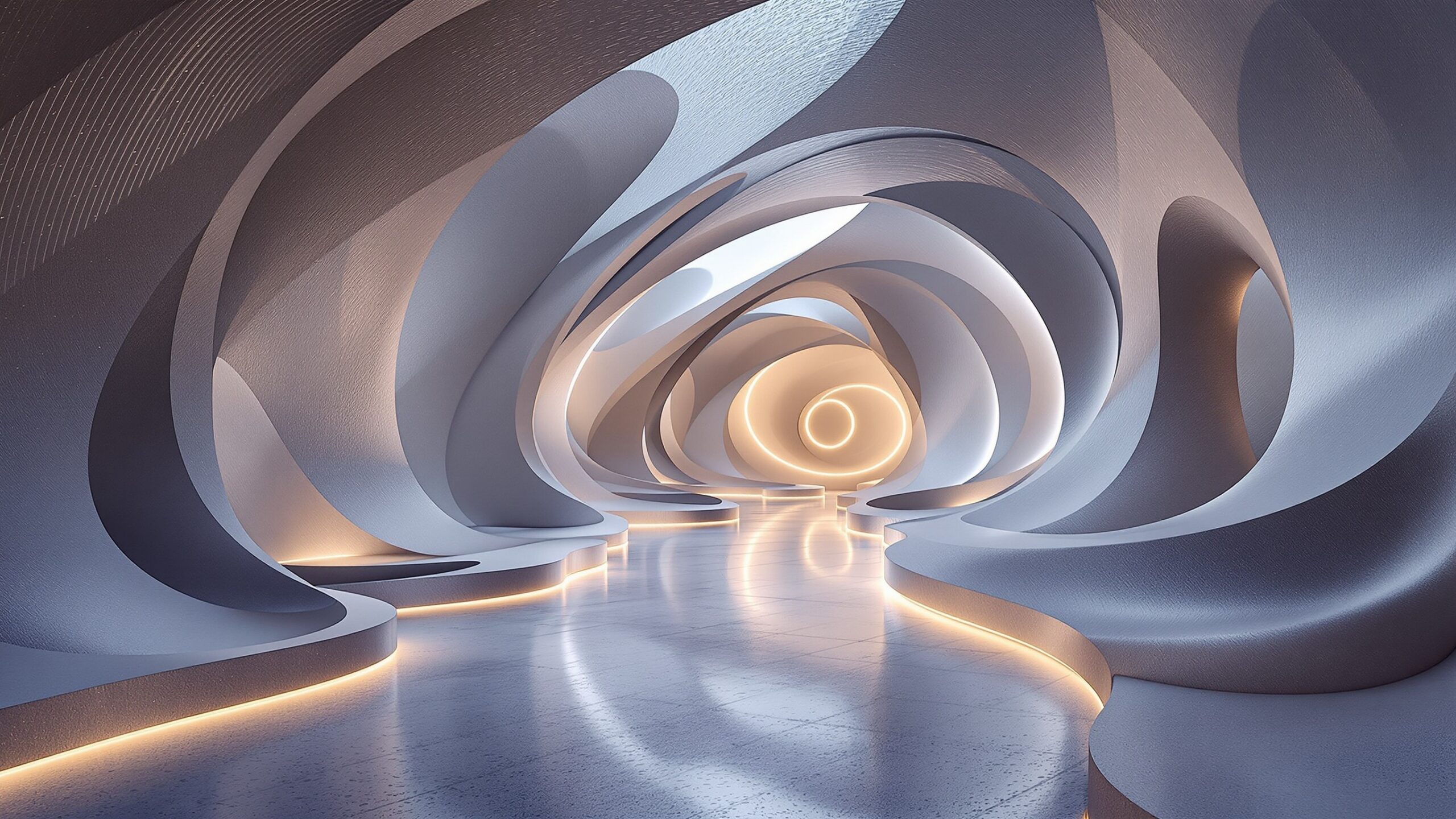
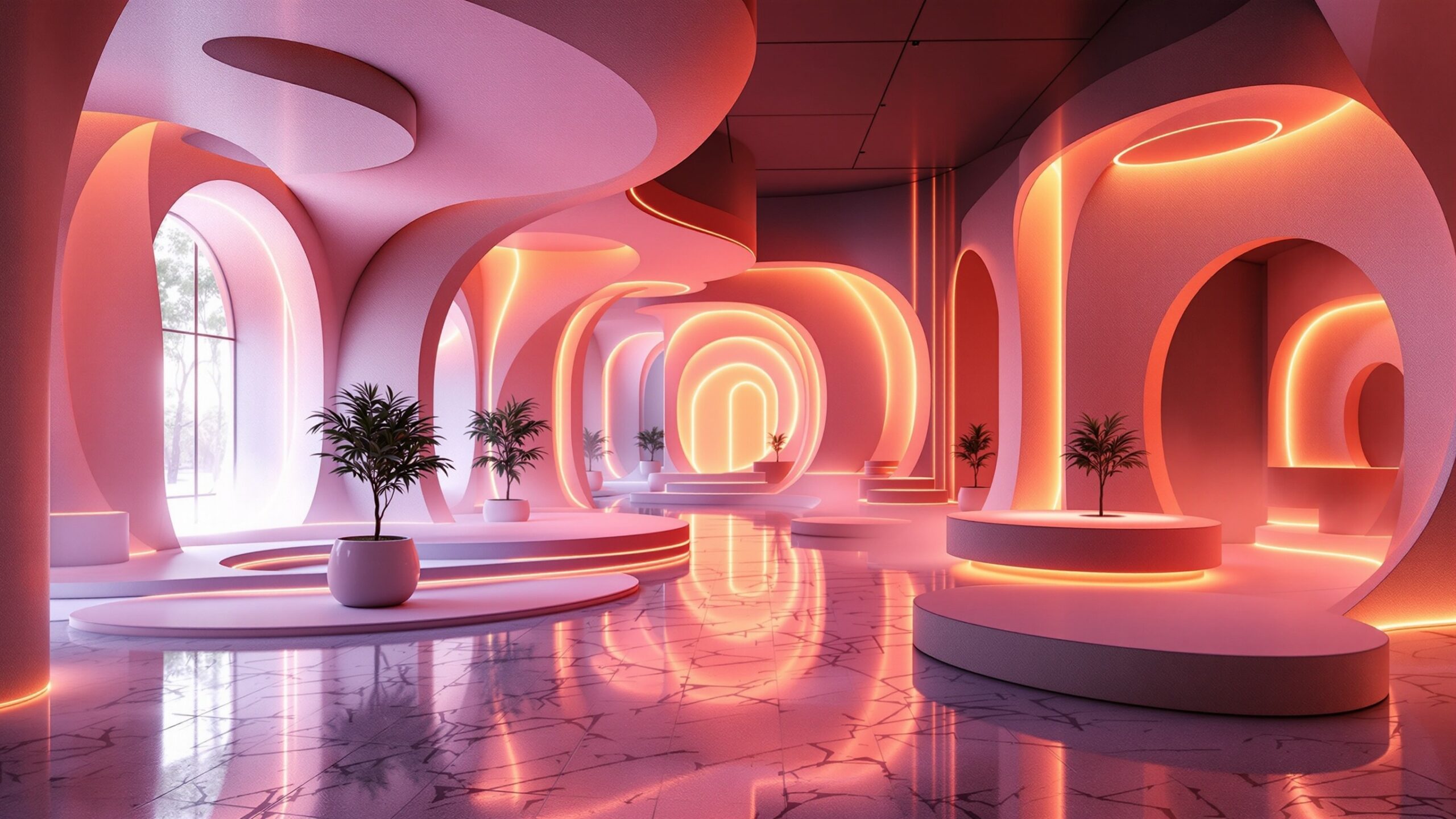
Every great narrative environment aims to evoke emotion. Sometimes this emotion is wonder, awe, and curiosity; other times it’s contemplation, nostalgia, or tension. Designers use architectural cues to spark emotional responses on a subconscious level. High ceilings create grandeur and openness. Low passageways build intensity and anticipation. Rounded shapes invite comfort and softness, while sharp angles evoke excitement or danger. Color plays a crucial role as well. Warm palettes encourage familiarity, while cool tones evoke mystery or serenity. Lighting intensity guides emotional beats—bright spaces feel energetic, dim ones immersive or mysterious. Emotional architecture isn’t about decoration; it’s about creating atmospheres that shape how people feel as they move through a story and how they interpret the narrative that unfolds around them.
The Role of Spatial Narrative and Guest Journey
Narrative environments rely heavily on the journey. Movement tells a story just as much as visuals do. Designers choreograph paths like narrative arcs, using spatial transitions to build rhythm. Narrow-to-wide passages create dramatic reveals. Switchback paths extend anticipation. Vertical movement adds elevation to the emotional trajectory. The guest journey is structured to pace the experience in a way that mirrors traditional storytelling techniques.
What makes these journeys compelling is that they give visitors a sense of progression. Every turn, every hallway, every shift in texture or lighting signals that the story is continuing. Movement becomes an active part of the narrative, and the layout becomes a script the visitor follows instinctively.
The Invisible Layer: Worldbuilding and Environmental Psychology
Behind every successful narrative environment lies deep worldbuilding. Designers consider the history, culture, and logic of a fictional world even when visitors will only see small portions of it. This behind-the-scenes worldbuilding ensures that every detail feels authentic and intentional, even if visitors never consciously register it.
Environmental psychology also plays a major role. Designers rely on principles like wayfinding, spatial memory, and perceptual thresholds to guide guests effortlessly. Good narrative environments never confuse guests; they empower them to explore while subtly nudging them toward the right choices. The better the psychology, the more invisible the design feels—and the more magical the experience becomes.
Cultural Storytelling: Reflecting Identity and Shared Memory
Narrative environments often draw from culture, history, and shared memory. Museums reinterpret heritage through immersive installations. Theme parks transport visitors to imagined worlds inspired by folklore and tradition. Retail spaces express brand identity through architectural metaphors and symbolic design. When narrative environments acknowledge cultural memory, they resonate more deeply. This connection to culture strengthens emotional engagement. People gravitate toward stories that reflect their own identities, values, and sense of belonging. A well-designed space can help visitors see themselves in the narrative, creating moments where personal memory and shared story merge. That merging is one of the most powerful forms of engagement.
The Rise of Immersive Technology
Technology has become a powerful ally in narrative design. Projection mapping turns any surface into a living canvas. Augmented reality overlays digital storytelling onto real architecture. Interactive media triggers scenes based on guest movement. LED lighting systems create dynamic atmospheres that shift with the narrative. Spatial audio directs attention and deepens immersion with stunning precision. While technology amplifies narrative environments, it never replaces story. The best experiences don’t rely on flashy effects; they use technology with intention, integrating it into the narrative so it enhances rather than overwhelms. When done well, technology allows environments to feel responsive, alive, and more emotionally resonant.
Why We Remember Narrative Environments Long After We Leave
Memory isn’t just about what happens to us—it’s about how those experiences make us feel. Narrative environments excel at creating emotionally charged moments that stick in the mind. The theatrical reveal of a themed land. The quiet contemplation inside a beautifully lit gallery. The thrill of turning a corner and discovering an unexpected scene. These moments anchor themselves in memory because they blend sensory richness with emotional meaning. Narrative environments invite visitors to co-create the story through interpretation. The experience belongs to them, not just the designer. This personal ownership deepens memory. Visitors leave not just having seen something, but having lived something.
The Psychology Behind Captivation
Captivation arises from curiosity, coherence, and emotional resonance. Narrative environments heighten curiosity by presenting clues and mysteries that encourage exploration. They embrace coherence through consistent design language and narrative logic. Emotional resonance comes from characters, themes, interactions, and the gentle psychological cues embedded in the environment itself.
These factors align with how the brain understands narrative. Humans are wired to seek stories, attach meaning, predict outcomes, and process emotional arcs. Narrative environments activate these cognitive systems, offering satisfying patterns that the mind delights in decoding. This is why people feel compelled to wander, observe, and immerse themselves in these spaces—they offer both stimulation and comfort.
The Future of Narrative Environments
The future of narrative environments will be increasingly adaptive, personalized, and emotionally intelligent. Advances in artificial intelligence will allow environments to adjust to visitor behavior, preferences, and pace. Immersive mixed-reality layers will blend digital and physical storytelling seamlessly. Sustainability will become a key narrative and design principle, embedding ecological themes into environmental storytelling.
But even as technology evolves, the core of narrative environments will remain unchanged: the story. The heart of these spaces will always be human connection, emotional resonance, and the desire to create meaning through place. As long as storytelling remains central to the human experience, narrative environments will continue to captivate audiences across generations.
The Spaces That Tell Stories
Narrative environments are powerful because they remind us that place and story have always been intertwined. They transform ordinary locations into worlds of wonder, learning, and emotional depth. They celebrate creativity while honoring the deep psychological need for narrative coherence. Whether we are stepping into a museum gallery, wandering a themed land, experiencing a brand activation, or exploring an immersive exhibition, narrative environments show us what’s possible when stories escape the confines of language and become places we can walk through, remember, and return to. The art of narrative environments lies in their ability to blend imagination and architecture, emotion and design, memory and movement. They captivate because they speak in the universal language of story—one that is felt as much as it is seen. And as long as humans crave meaning, wonder, and connection, narrative environments will continue to shape the way we experience the world around us.