Where Imagination Becomes Architecture
Fantasy worldbuilding is more than inventing magical lands or mythical creatures—it is the deliberate craft of constructing a believable reality that operates on its own internal logic. Whether you are designing a setting for a novel, a game, visual art, or a multimedia project, the strength of your world determines how deeply your audience will engage with it. A compelling fantasy world feels lived-in, coherent, and immersive, even when it defies the laws of our own universe. For beginners, the process can feel overwhelming. For experienced creators, the challenge often lies in refinement and depth. This guide bridges both ends of the spectrum, offering a structured yet creative approach to building fantasy worlds from the ground up, while layering in professional techniques used by top storytellers and designers.
A: Begin with a simple concept and expand outward gradually.
A: Focus on what supports your story or design goals.
A: Not required, but it helps maintain spatial consistency.
A: Combine familiar ideas in unexpected ways.
A: Yes, rules create tension and believability.
A: Add history, culture, and everyday details.
A: Absolutely, hybrid worlds often feel fresh and unique.
A: Only include what enhances the experience.
A: Maps, notes, and visual boards are highly effective.
A: Keep a structured document or database for consistency.
Step One: Define the Core Concept and Theme
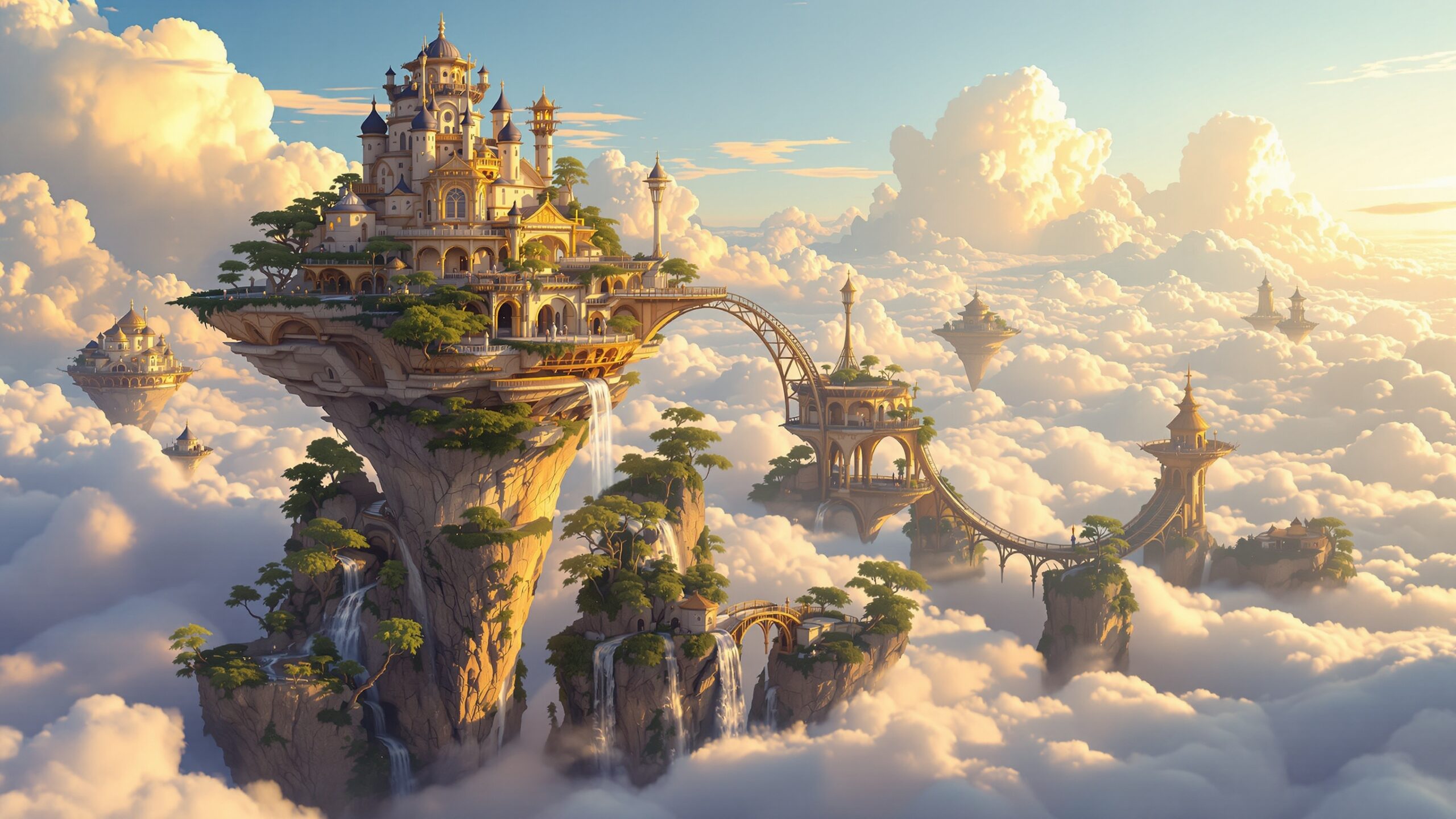
Every successful fantasy world begins with a strong conceptual foundation. This is not just an idea—it is the philosophical and aesthetic backbone of your world. Ask yourself what makes your world unique. Is it a dying magical ecosystem? A floating archipelago ruled by ancient technology? A kingdom where time flows differently?
The theme is equally critical. It shapes tone, conflict, and emotional resonance. Themes such as power, survival, identity, or corruption can influence every aspect of your world. For instance, a world centered on decay will likely feature crumbling architecture, fading magic, and desperate societies. A world focused on discovery may emphasize exploration, innovation, and uncharted lands.
Professionals often summarize their world in a single compelling sentence, sometimes called a “world hook.” This concise statement keeps your design focused and prevents creative drift as your project expands.
Step Two: Build the Physical World
Once your concept is clear, the next step is constructing the physical environment. Geography is not just background—it directly influences culture, politics, and storytelling.
Start with the macro level. Consider continents, oceans, mountain ranges, and climate zones. Think about how natural features shape civilizations. Mountain ranges can isolate cultures, deserts can create trade hubs around scarce resources, and rivers often give rise to powerful cities.
Climate and ecology add another layer of realism. A frozen tundra world will produce very different societies compared to a lush tropical realm. Consider flora and fauna as well. Are there giant bioluminescent forests? Predatory sky creatures? Living ecosystems that respond to magic?
Advanced worldbuilders often use “cause-and-effect geography.” For example, a volcanic region may create fertile land, which leads to dense populations, which then leads to political conflict. This chain reaction makes your world feel organic rather than arbitrary.
Step Three: Establish Rules of Magic and Technology
Magic is one of the defining elements of fantasy, but without structure, it quickly becomes chaotic or unconvincing. The key is to create a system with clear rules, limitations, and consequences.
Decide whether your magic system is “hard” or “soft.” A hard magic system has defined mechanics, like energy costs or specific abilities. A soft system is more mysterious and less predictable, often used to create wonder and awe. Both approaches can be effective, but consistency is essential.
Consider who can use magic and why. Is it inherited, learned, or granted by external forces? What are the risks? Magic without consequences reduces tension, while well-designed limitations create compelling conflicts.
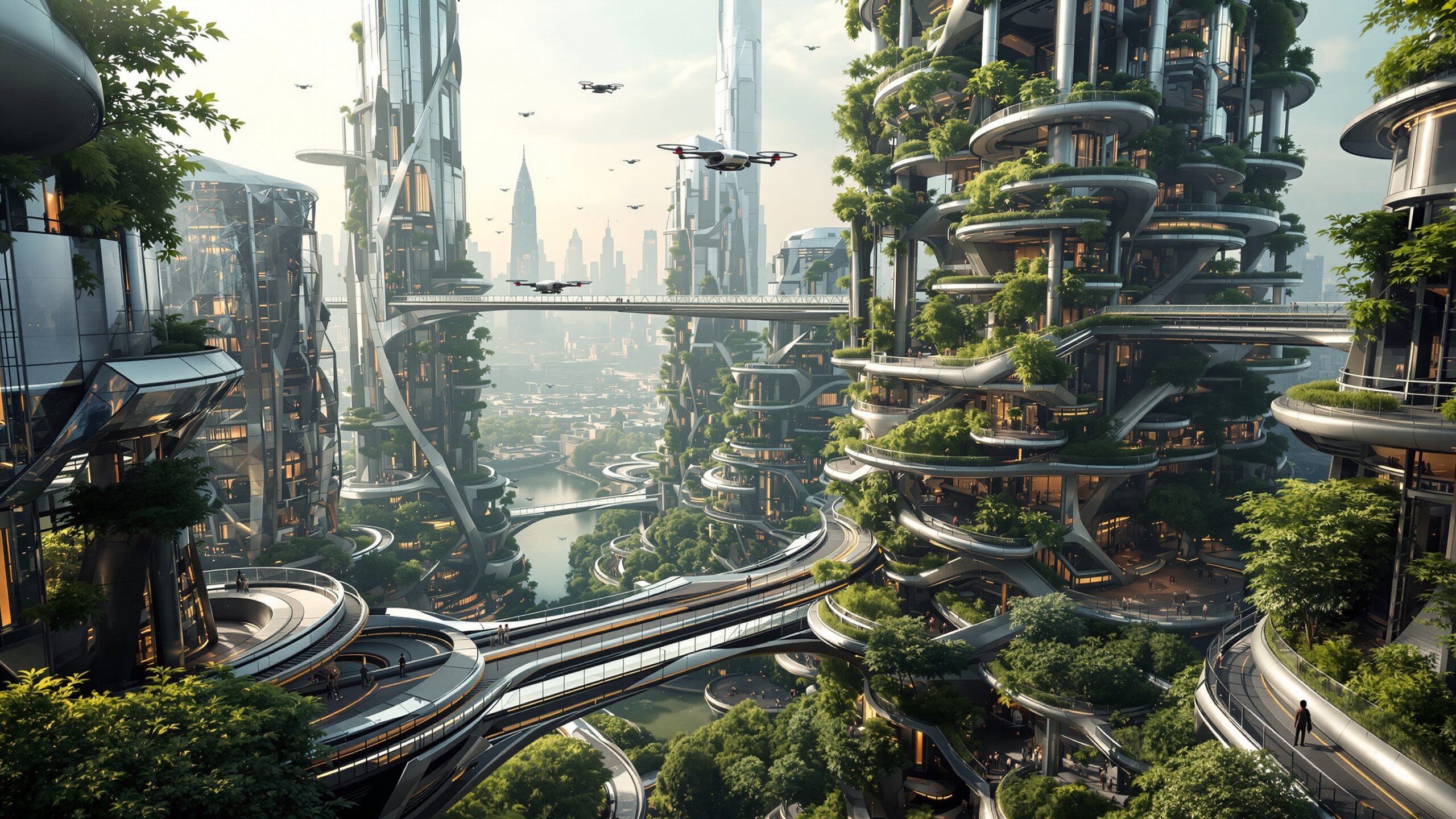
Technology should also be considered, even in traditional fantasy. Some worlds blend magic with advanced technology, creating unique hybrid settings. Others remain grounded in medieval or ancient aesthetics. The level of technological advancement will influence warfare, communication, architecture, and daily life.
Step Four: Design Cultures and Societies
A world without people—or at least intelligent beings—feels empty. Cultures bring your world to life, transforming geography into civilization.
Start by defining key societies. Consider their values, traditions, languages, and belief systems. What do they fear? What do they celebrate? What do they consider sacred?
Religion and mythology play a major role in shaping culture. Even if your world has real gods, the interpretation of those gods can vary between cultures, leading to conflict and diversity.
Social structures are equally important. Is your society hierarchical or egalitarian? Are there monarchies, councils, or decentralized tribes? Economic systems also matter. Trade routes, currency, and resource distribution all influence how societies interact.
Professional-level worldbuilding often includes cultural contradictions. For example, a society may value honor but rely on espionage, or worship nature while exploiting it. These tensions create depth and realism.
Step Five: Create History and Lore
History gives your world weight. It explains why things are the way they are and provides context for current events.
Begin with major historical milestones. These could include wars, discoveries, disasters, or the rise and fall of empires. Think about how these events shaped the present world.
Lore can be layered over time. Ancient ruins, forgotten languages, and lost technologies add mystery and intrigue. Not all history needs to be fully explained. In fact, leaving some elements ambiguous can make your world feel larger and more authentic.
A useful technique is to create multiple perspectives on history. Different cultures may interpret the same event in completely different ways. This adds complexity and avoids a one-dimensional narrative.
Step Six: Populate Your World with Characters and Creatures
Characters serve as the audience’s entry point into your world. Even the most detailed setting needs compelling individuals to bring it to life.
Design characters who are shaped by their environment. A warrior from a desert tribe will have different skills and worldview compared to a scholar from a coastal city. Their motivations should align with the cultural and historical context of your world.
Creatures and races add another dimension. Whether you include dragons, elves, entirely original species, or subtle variations of humanity, ensure they fit logically within your ecosystem and lore. Consider their biology, behavior, and role in the world.
Avoid overloading your world with too many elements at once. Focus on depth rather than quantity. A few well-developed species or character archetypes are more impactful than a large number of shallow ones.
Step Seven: Develop Conflict and Story Potential
A world without conflict is static. Conflict drives narrative and gives purpose to your worldbuilding efforts.
Conflicts can exist on multiple levels. Political conflicts between nations, social conflicts within cultures, and personal conflicts within characters all contribute to a dynamic world.
Consider ongoing tensions. Are there rival kingdoms on the brink of war? Is there a hidden rebellion? Are natural forces or magical phenomena threatening stability?
Professional storytellers often design worlds with “story engines”—built-in systems that naturally generate conflict. For example, a world dependent on a dwindling magical resource will constantly produce tension, alliances, and betrayals.
Step Eight: Add Depth Through Details
Details are what transform a good world into a memorable one. These include architecture, clothing, food, language, and everyday rituals.
Think about how people live on a daily basis. What do they eat? How do they communicate? What does their art look like? These small elements create immersion.
Language, even in a simplified form, can add authenticity. Naming conventions, phrases, and cultural expressions help define identity. You do not need to create a full language, but consistency in naming can go a long way.
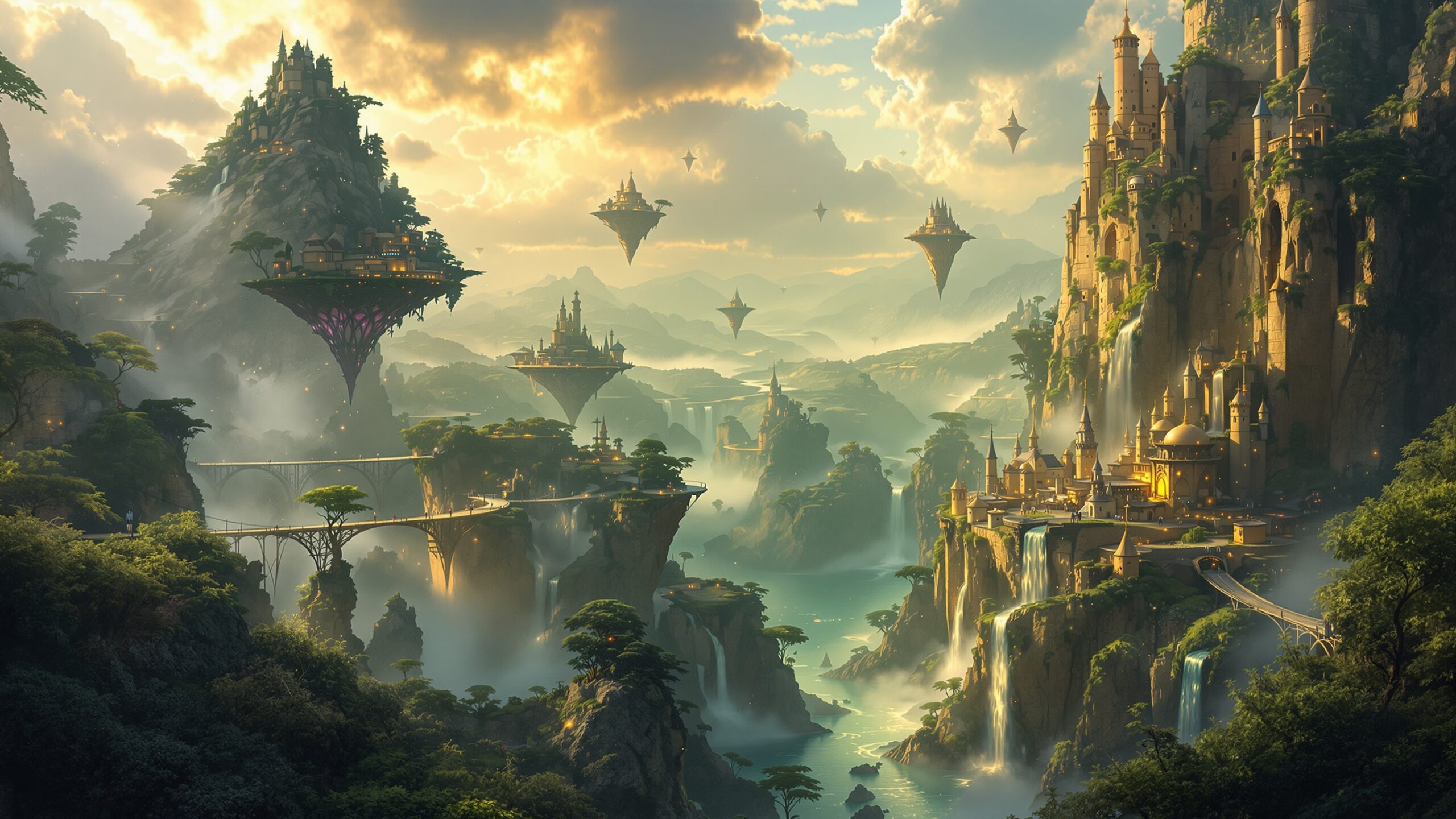
Visual and sensory details are particularly important for artists and designers. Consider textures, colors, lighting, and atmosphere. A city carved into glowing crystals will feel vastly different from a fortress built from black stone.
Step Nine: Maintain Consistency and Internal Logic
Consistency is the foundation of believable worldbuilding. No matter how fantastical your world is, it must follow its own rules.
Track your decisions. Keep notes on geography, magic systems, cultural traits, and historical events. This prevents contradictions and ensures continuity.
When introducing new elements, consider how they fit within the existing framework. If something breaks your established rules, either adjust the rules or justify the exception.
Professional creators often use world bibles or design documents to maintain coherence across large projects. Even for smaller projects, a structured approach can significantly improve quality.
Step Ten: Evolve from Beginner to Professional Worldbuilder
As you gain experience, your approach to worldbuilding will naturally evolve. Beginners often focus on broad ideas, while professionals refine nuance and interconnectivity.
Advanced techniques include layering subtext into your world, designing symbolic elements, and aligning every aspect of the world with the central theme. Professionals also understand when to leave things unsaid, allowing the audience to fill in gaps.
Iteration is key. Revisit and refine your world regularly. Remove elements that do not serve your vision and strengthen those that do.
Collaboration can also elevate your work. Feedback from other writers, artists, or designers can reveal blind spots and inspire new ideas.
Common Mistakes to Avoid
One of the most common mistakes is overcomplicating the world too early. Starting with too many ideas can lead to inconsistency and confusion. Focus on a strong foundation before expanding.
Another issue is lack of cohesion. A world filled with disconnected ideas will feel fragmented. Ensure that every element supports the overall concept and theme.
Avoid relying on clichés without adding your own twist. Familiar elements can be useful, but originality comes from how you reinterpret them.
Finally, do not neglect the audience. Worldbuilding should enhance the experience, not overwhelm it. Balance detail with accessibility.
Conclusion: Building Worlds That Last
Creating a fantasy world from scratch is both an art and a discipline. It requires imagination, structure, and a willingness to refine your ideas over time. From defining a core concept to developing cultures, histories, and conflicts, each step contributes to a cohesive and immersive experience.
Whether you are a beginner exploring your first ideas or an experienced creator aiming for professional-level depth, the key is intentional design. Every detail should serve a purpose, every system should have logic, and every element should contribute to the story you want to tell. A well-crafted fantasy world does more than entertain—it invites audiences to step into a new reality, one that feels as vivid and meaningful as their own.