Best Fantasy World Ideas for Art, Design, and Storytelling
Fantasy worlds are not just imaginative settings; they are fully constructed realities where art, design, and storytelling intersect to create immersive experiences. The most compelling fantasy worlds feel alive, governed by their own rules, cultures, and visual identities. Whether you are a concept artist, a game designer, or a writer, building a strong fantasy world is the foundation for capturing attention and sustaining engagement. The key lies in blending originality with coherence, crafting environments that are both visually striking and narratively meaningful. This guide explores some of the best fantasy world ideas for art, design, and storytelling, each offering rich creative potential and strong SEO relevance. These concepts are designed to inspire detailed worldbuilding while maintaining clarity, consistency, and professional quality.
A: Strong internal logic, original rules, and layered cultures.
A: Either works, but aligning both early creates cohesion.
A: Focus on key regions first, then expand organically.
A: Not always, but it adds depth and narrative flexibility.
A: Combine unexpected elements and subvert familiar tropes.
A: Sketching, digital painting, and worldbuilding apps.
A: Essential—they bring the world to life and drive immersion.
A: Yes—hybrid worlds often feel more original and engaging.
A: Add sensory details, history, and interactive elements.
A: Inconsistency—rules and logic must remain stable.
Floating Kingdoms and Sky Civilizations
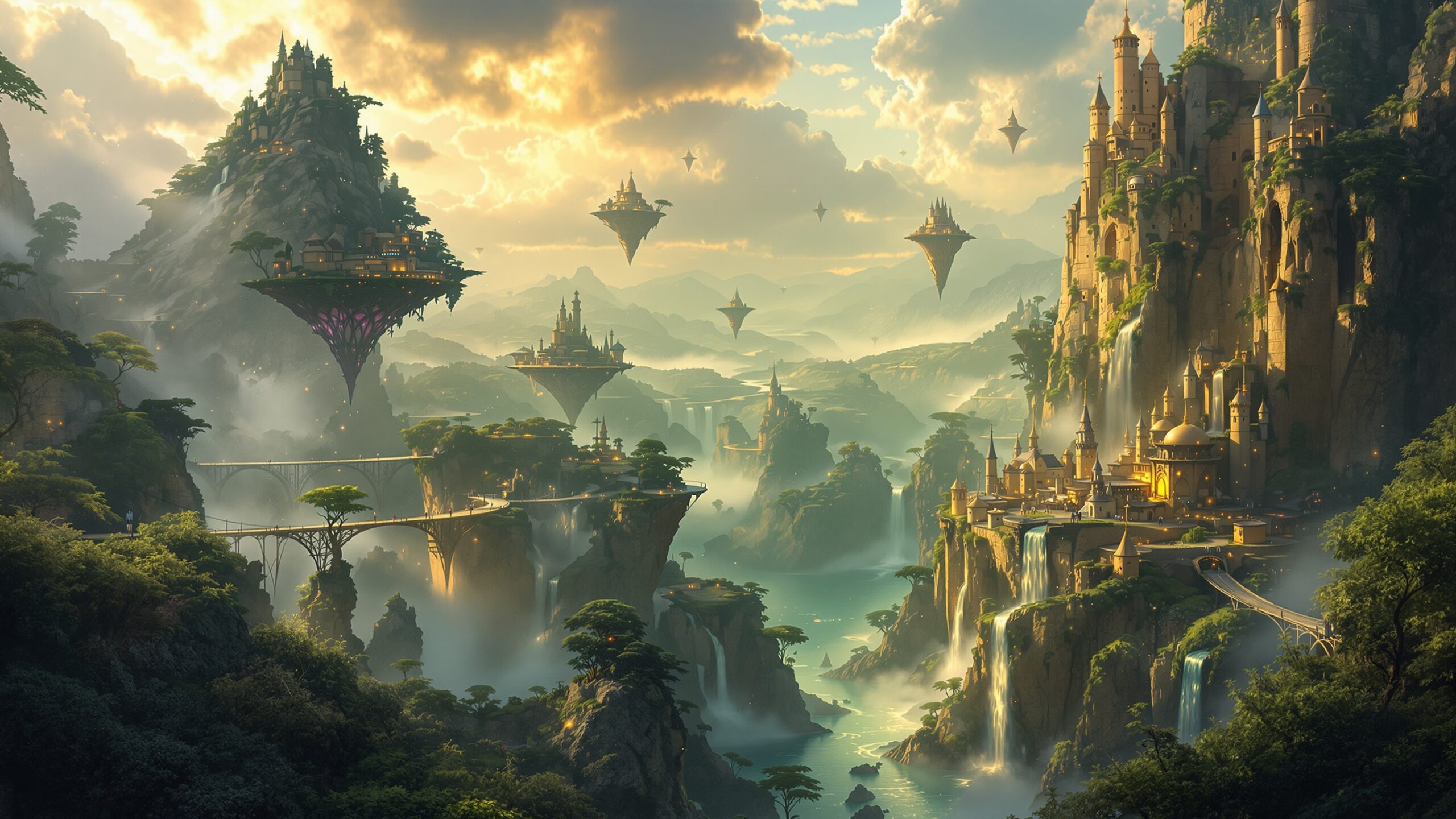
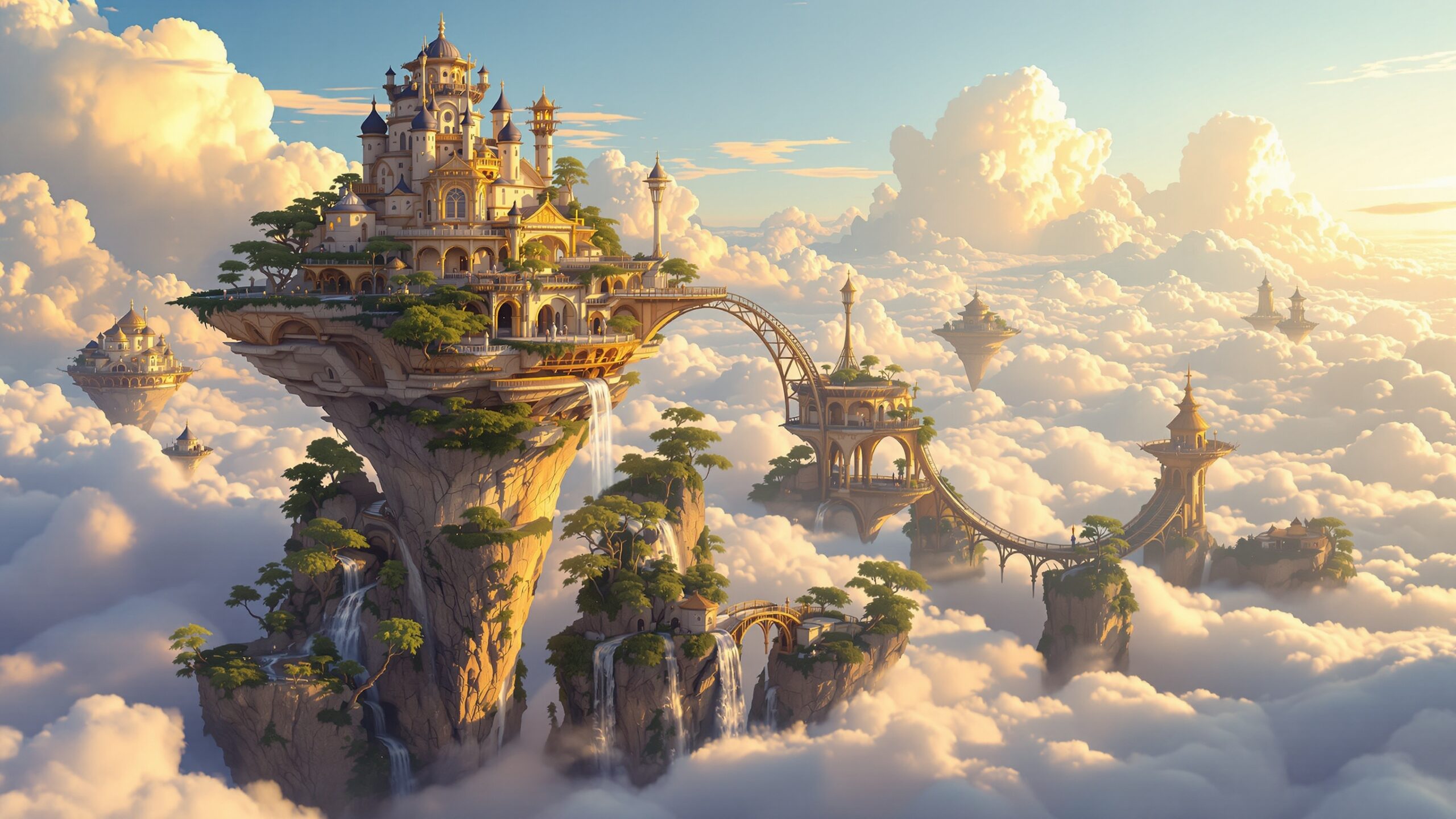
Floating kingdoms represent one of the most visually captivating ideas in fantasy design. These worlds exist high above the ground, where entire cities, islands, or continents hover in the sky. They may be sustained by ancient magic, unknown energy sources, or advanced technologies that defy gravity.
For artists, this concept opens up dramatic possibilities. Vast skies, layered cloud systems, and vertical cityscapes create compositions that feel expansive and cinematic. Bridges of light, airships, and cascading waterfalls that disappear into the clouds enhance the sense of wonder.
From a storytelling perspective, sky civilizations naturally introduce themes of separation and hierarchy. Societies may be divided by altitude, with elite groups living in higher, more stable regions while lower tiers face instability and danger. Designers can incorporate environmental storytelling elements, such as crumbling floating rocks or fluctuating energy fields, to suggest underlying tension.
Underground Realms and Hidden Civilizations
Beneath the surface lies a completely different world filled with mystery and depth. Underground realms can feature massive cavern systems, glowing crystal formations, and entire cities carved into rock.
Artists can experiment with lighting in unique ways, using bioluminescent plants, molten lava, or magical energy as primary light sources. This creates high-contrast environments with rich color variation and dramatic shadows.
In storytelling, underground civilizations often revolve around secrecy and survival. These societies may have evolved independently, developing unique cultures and technologies. Conflicts can arise when surface dwellers discover these hidden worlds or when resources become scarce.
Designers can focus on organic architecture shaped by natural formations, creating environments that feel both realistic and fantastical.
Enchanted Forests and Living Landscapes
Enchanted forests remain a classic fantasy setting, but the most effective versions treat nature as a living, responsive force. Trees may shift, roots may react to footsteps, and the environment itself may guide or mislead travelers.
Visually, these forests offer dense detail and layered compositions. Twisting branches, glowing particles, and hidden creatures create immersive scenes that reward close observation. Color palettes can range from deep greens to vibrant, magical tones depending on the atmosphere.
From a narrative standpoint, living landscapes introduce a unique dynamic where the environment actively interacts with characters. The forest can act as a protector, a test, or even an antagonist. Designers can integrate subtle environmental cues that change based on player or character behavior, reinforcing the idea that the world is alive.
Desert Empires and Sand Realms
Desert fantasy worlds provide a striking contrast to more traditional lush environments. These settings are defined by vast dunes, intense sunlight, and ancient ruins partially buried over time.
Artists can explore texture and scale, capturing the movement of wind across sand and the erosion of structures shaped by centuries. Architecture often reflects survival in extreme conditions, with fortified cities, shaded corridors, and intricate stone carvings.
In storytelling, desert worlds often focus on endurance, trade, and hidden knowledge. Nomadic cultures, ancient artifacts, and lost civilizations beneath the sand offer strong narrative opportunities. Mystical elements can be tied to celestial patterns, mirages, or long-forgotten deities.
Ocean Worlds and Underwater Kingdoms
Ocean-based fantasy worlds introduce fluid, dynamic environments that challenge conventional design. These worlds may exist entirely underwater or span both land and sea.
Artists can take advantage of refracted light, drifting particles, and layered depth to create visually rich scenes. Coral structures, aquatic creatures, and flowing architecture contribute to a sense of motion and immersion.
Storytelling in these environments often centers on exploration and discovery. The deeper the journey, the more mysterious and unfamiliar the world becomes. Designers can build layered ecosystems where each depth level introduces new species, hazards, and visual themes.
These worlds also lend themselves to themes of adaptation and environmental balance, particularly when different civilizations interact.
Clockwork Cities and Arcane Technology
Combining fantasy with mechanical innovation results in intricate worlds powered by gears, steam, and magical energy. Clockwork cities are dense with detail, featuring moving parts and engineered systems that blend science and magic.
Artists can focus on complex designs, metallic textures, and layered architecture. The interplay between glowing magical elements and industrial machinery creates a visually engaging contrast.
From a storytelling perspective, these worlds often explore progress and its consequences. Societies may depend on technology that is not fully understood, leading to instability or ethical dilemmas. Designers can introduce systems where magic is harnessed, regulated, or even exploited, adding depth to both narrative and gameplay.
Frozen Realms and Ice Kingdoms
Frozen fantasy worlds offer a clean, striking aesthetic defined by snow, ice, and extreme climates. These environments can range from calm, expansive landscapes to harsh regions where survival is a constant challenge.
Artists can experiment with reflective surfaces, subtle color gradients, and crystalline structures. Lighting plays a crucial role, as sunlight interacts with ice to create shimmering effects.
In storytelling, frozen realms often emphasize endurance and isolation. Ice can preserve ancient creatures, lost cities, or forgotten knowledge. Designers can use these elements to introduce hidden threats or long-buried secrets waiting to be uncovered.
Cultural aspects in these worlds often revolve around survival strategies, seasonal cycles, and strong community bonds.
Parallel Dimensions and Layered Realities
Parallel worlds provide a more abstract approach to fantasy design. These dimensions may exist alongside the primary world, accessible through portals, dreams, or shifts in perception.
Artists can create distinct visual identities for each dimension, using contrasting color schemes, physics, and structures. One reality may be vibrant and chaotic, while another is minimal and ordered.
Narratively, layered realities allow for complex storytelling involving cause and effect across different worlds. Actions in one dimension can influence outcomes in another, creating interconnected plots.
Designers can develop mechanics or visual cues that signal transitions between realities, enhancing immersion and clarity.
Ruined Worlds and Post-Magic Landscapes
Not all fantasy worlds are thriving. Some exist after catastrophic events where magic has faded or civilizations have collapsed. These environments combine beauty with decay.
Artists can use environmental storytelling to convey history through broken structures, overgrown ruins, and remnants of past grandeur. Texture and atmosphere are essential in establishing tone.
In storytelling, post-magic worlds often explore themes of loss and rediscovery. Characters may seek to rebuild or understand what caused the downfall. Designers can create systems where remnants of magic still exist but are unstable or rare, adding tension and unpredictability.
Creature-Dominated Worlds and Mythic Ecosystems
In some fantasy settings, creatures take center stage rather than human societies. These worlds are shaped by the behavior, biology, and hierarchy of mythical beings.
Artists can focus on creature design, scale, and interaction within the environment. Each species can influence the landscape, creating ecosystems that feel dynamic and interconnected.
Storytelling in these worlds often explores balance, coexistence, and dominance. Designers can build ecosystems where each creature plays a role, contributing to a believable and immersive environment.
These settings are particularly effective for visual storytelling, where the world itself communicates meaning without relying heavily on dialogue.
Celestial Realms and Cosmic Fantasy
Cosmic fantasy worlds expand beyond traditional boundaries, exploring space as a magical and living environment. These settings may include floating constellations, radiant energy pathways, and celestial cities.
Artists can experiment with scale, light, and abstract forms to create a sense of vastness. Deep color palettes combined with luminous highlights help convey the mystery of space.
Narratively, celestial realms often deal with themes of creation, destiny, and existence. Characters may interact with powerful cosmic entities or travel between worlds connected by starlight.
Designers can incorporate systems based on energy flows, gravitational shifts, or celestial alignments, adding depth to both visuals and storytelling.
Creating Cohesion Across Art, Design, and Storytelling
A strong fantasy world requires consistency across all elements. Visual design, narrative structure, and environmental logic must align to create a believable experience.
Artists should develop consistent motifs, color palettes, and architectural styles that reflect the world’s identity. Storytellers should ensure that plots emerge naturally from the environment and its conflicts. Designers should create systems that reinforce the world’s rules rather than contradict them.
When all components work together, the result is a cohesive world that feels immersive and authentic.
Why Fantasy World Ideas Matter
In a competitive creative landscape, originality is essential. Strong fantasy world ideas provide the foundation for memorable experiences in art, design, and storytelling.
These worlds allow creators to explore complex themes, build immersive environments, and connect with audiences on a deeper level. Whether used in illustration, games, or written narratives, a well-crafted fantasy world enhances every aspect of the creative process.
Final Thoughts on Building Immersive Fantasy Worlds
Creating a fantasy world is both an imaginative and structured process. It requires creativity, attention to detail, and a clear vision. By exploring concepts such as floating kingdoms, underground civilizations, enchanted forests, and cosmic realms, creators can develop worlds that feel fresh and engaging.
The most effective fantasy worlds balance originality with internal logic. They invite exploration, inspire emotion, and remain consistent in their design and storytelling.
For artists, designers, and storytellers, the possibilities are limitless. The challenge is not just to imagine these worlds, but to bring them to life with clarity, depth, and purpose.