The Magnetic Pull of Immersion
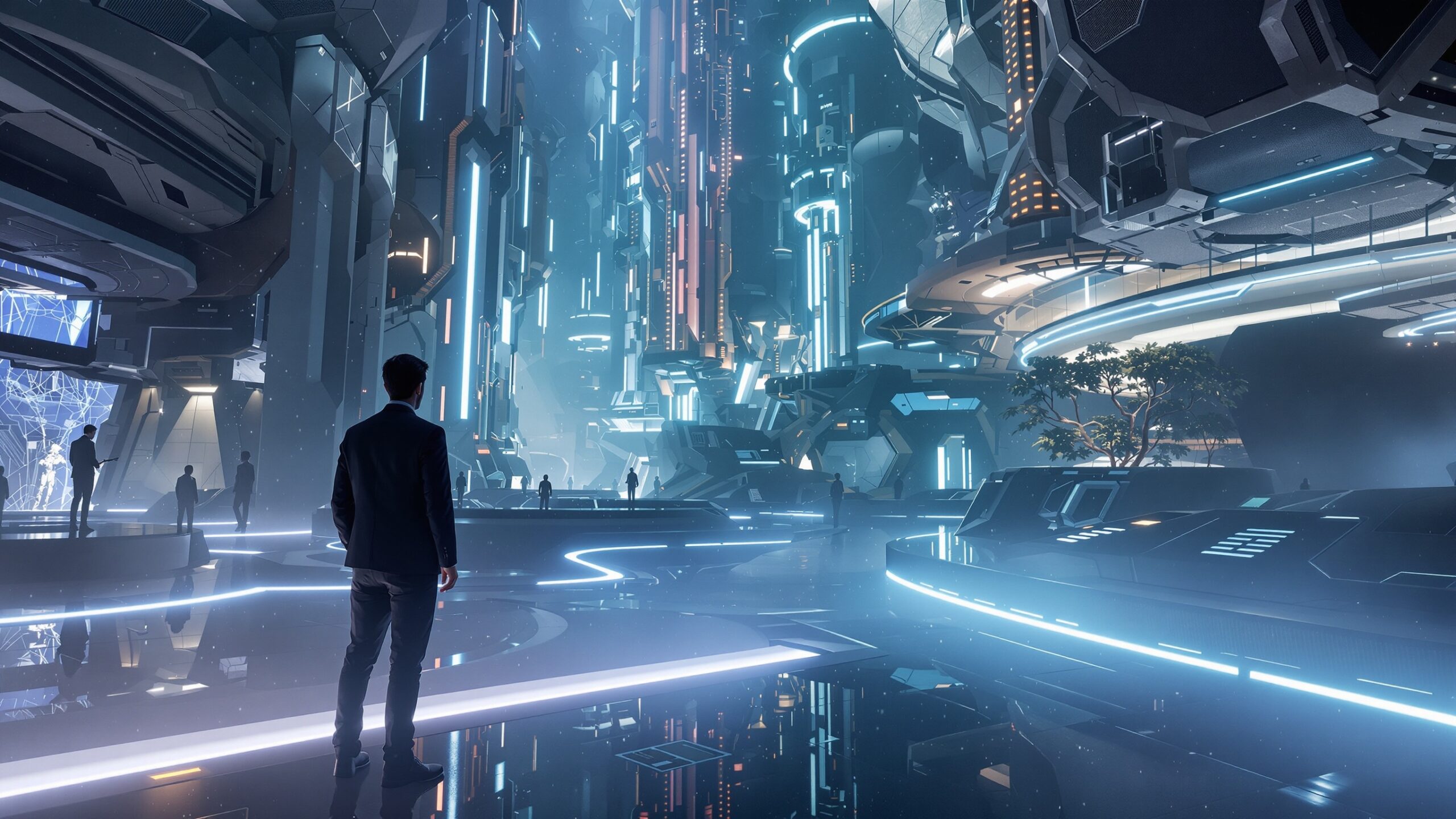
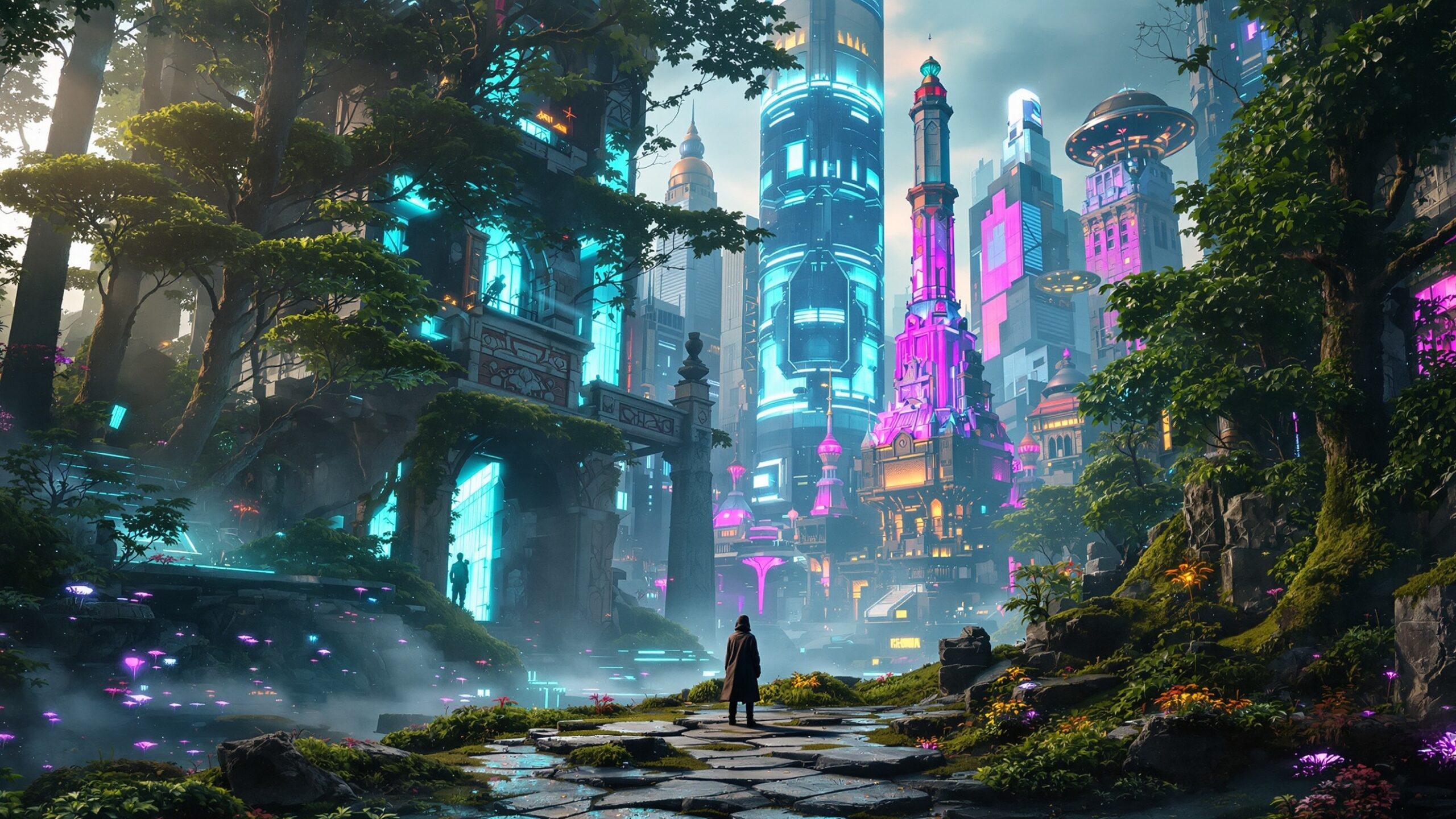
Some experiences capture our attention so completely that the outside world seems to disappear. A powerful film can make us forget we are sitting in a theater. A theme park attraction can transport us to another time or planet. A video game can hold our focus for hours without fatigue. These moments share a common characteristic: immersion. When an experience is immersive, it engages the senses, emotions, and imagination so thoroughly that people feel fully present within it. Immersion is not accidental. Behind every deeply engaging environment is a sophisticated blend of psychology, storytelling, design, and sensory engineering. Creators across industries—from theme parks and museums to gaming studios and virtual reality developers—study the mechanisms that pull audiences into a world and keep them there. The goal is not simply entertainment but total engagement, a state where people feel emotionally connected, cognitively absorbed, and physically involved. Understanding the psychology behind immersive experiences reveals why certain environments feel unforgettable while others fade quickly from memory. It also explains how designers deliberately shape perception, attention, and emotion to guide people through meaningful journeys.
A: It is the psychological state where a person feels fully present inside an environment or narrative.
A: They engage multiple senses and emotions, strengthening cognitive memory pathways.
A: Yes. Narrative context gives meaning to visual environments and deepens emotional engagement.
A: Visible technology, inconsistent design details, or distractions that remind visitors they are in a constructed space.
A: Through lighting, sound cues, motion, and spatial composition.
A: Yes. Museums, retail environments, education, and training simulations all use immersive design.
A: Understanding perception, attention, and emotion helps designers create believable experiences.
A: Absolutely. Strong thematic cohesion and sensory design can transform even compact spaces.
A: Participation makes visitors feel like active participants rather than observers.
A: To create experiences so engaging that visitors temporarily forget the outside world.
The Brain’s Desire for Meaningful Worlds
Human beings are naturally wired to search for meaning, patterns, and narrative. Our brains constantly interpret sensory information and organize it into coherent stories about the world around us. When an experience provides a clear and compelling narrative framework, the brain eagerly fills in details and participates in the unfolding story.
Immersive environments work because they offer a believable context that invites participation. Whether exploring a medieval castle exhibit, entering a science fiction ride, or walking through a historical museum reconstruction, the brain begins to treat the environment as a temporary reality. This process occurs because humans evolved to interpret environments as real spaces with real consequences.
Psychologists refer to this phenomenon as “narrative transportation.” When individuals become absorbed in a story, their mental focus shifts away from their physical surroundings and toward the world being presented. Emotional investment increases, critical skepticism decreases, and people become more receptive to the experience. In essence, the brain accepts the invitation to step into another world.
Designers of immersive environments leverage this natural tendency by creating spaces that tell stories through architecture, lighting, sound, and interaction. When these elements align, audiences do not simply observe the experience—they inhabit it.
Sensory Engagement: Activating the Human Perception System
A truly immersive experience stimulates multiple senses simultaneously. Sight, sound, touch, smell, and even temperature cues contribute to the brain’s perception of reality. When multiple sensory channels reinforce the same narrative, the brain interprets the environment as coherent and believable.
Visual design typically forms the foundation of immersion. Lighting, color palettes, textures, and spatial composition establish the tone of an environment. Warm lighting and organic materials may evoke comfort and nostalgia, while sharp contrasts and metallic surfaces might signal a futuristic setting.
Sound design plays an equally powerful role. Ambient soundscapes can subtly influence emotions without conscious awareness. The distant echo of footsteps in a stone corridor, the hum of machinery in a laboratory setting, or the gentle rustling of leaves in a simulated forest all reinforce the illusion of place.
Scent is often overlooked but remarkably effective. Studies show that smell is closely connected to memory and emotional processing. A bakery-themed exhibit that releases the aroma of fresh bread immediately deepens authenticity and emotional resonance.
When these sensory layers work together, the brain stops evaluating whether the environment is real and instead begins responding to it as if it were.
Emotional Connection: The Heart of Immersion
Immersion becomes powerful when it taps into emotion. People rarely remember experiences purely because of technical excellence. They remember how those experiences made them feel.
Emotional engagement occurs when audiences identify with characters, empathize with situations, or feel personally involved in a narrative outcome. Theme parks accomplish this by framing attractions around familiar story arcs. Museums achieve it by connecting historical artifacts to personal stories of individuals who lived through those moments.
Emotion functions as a cognitive amplifier. When people feel curiosity, excitement, suspense, or wonder, their brains release neurotransmitters such as dopamine and norepinephrine. These chemicals increase attention and strengthen memory formation. As a result, emotionally charged experiences remain vivid long after the event ends.
Designers intentionally build emotional pacing into immersive environments. Moments of anticipation lead to moments of revelation. Quiet reflective spaces contrast with energetic spectacle. This emotional rhythm mirrors storytelling techniques found in literature and cinema, guiding audiences through a psychological journey rather than a simple sequence of events.
The Role of Presence and the Illusion of “Being There”
One of the most important psychological components of immersion is the sensation of presence. Presence refers to the feeling that one is physically located within an environment rather than merely observing it.
Virtual reality researchers often describe presence as the moment when the brain stops thinking about the technology delivering the experience and instead focuses entirely on the environment being perceived. The same principle applies in physical spaces such as theme parks, exhibitions, and theatrical productions.
Presence depends on consistency. If an environment convincingly supports the illusion of a world, the brain willingly suspends disbelief. However, even small disruptions can break immersion. Visible equipment, inconsistent architectural details, or out-of-place sounds can remind visitors that the environment is artificial.
This phenomenon is sometimes called “breaking the fourth wall,” a term borrowed from theater. When the illusion is maintained, participants feel part of the narrative. When it breaks, they return to the role of observers.
Successful immersive design therefore focuses on seamless integration. Every detail—from signage and costuming to environmental materials and lighting—must reinforce the same narrative reality.
Interactivity: Transforming Audiences Into Participants
Passive observation can be entertaining, but active participation dramatically increases engagement. Interactivity transforms audiences from spectators into collaborators within the experience.
When people interact with an environment—pulling levers, solving puzzles, making choices, or influencing outcomes—they feel a sense of agency. This sense of control strengthens emotional investment because participants believe their actions matter within the story.
Psychologically, interactivity activates deeper cognitive processing. Instead of simply receiving information, the brain must analyze options, anticipate consequences, and make decisions. This increased mental involvement strengthens both attention and memory retention.
Interactive museum exhibits, escape rooms, immersive theater productions, and narrative-driven video games all rely heavily on this principle. Participants become characters in the unfolding story rather than external viewers.
When designed effectively, interactivity does not disrupt the narrative flow. Instead, it becomes a natural extension of the world being experienced.
Flow State: The Sweet Spot of Engagement
Another key psychological element of immersive experiences is the concept of flow. Coined by psychologist Mihaly Csikszentmihalyi, flow describes a mental state in which individuals are fully absorbed in an activity, losing track of time and external distractions.
Flow occurs when a challenge is perfectly balanced with a participant’s skill level. If an experience is too easy, boredom emerges. If it is too difficult, frustration takes over. The optimal zone lies between these extremes, where the challenge is engaging but manageable.
Many immersive experiences are carefully designed to maintain this balance. Video games gradually introduce new mechanics and increase difficulty. Theme park attractions guide guests through escalating sequences of excitement. Interactive exhibits provide tasks that feel rewarding rather than overwhelming.
When flow occurs, attention becomes laser-focused. Participants feel energized, motivated, and emotionally connected to the experience. This state is often described as “being in the zone,” and it represents one of the highest levels of engagement achievable in design.
Environmental Storytelling: Worlds That Speak Without Words
Immersive environments often tell stories without relying heavily on dialogue or narration. Instead, they communicate through environmental cues embedded within the design itself.
This approach, known as environmental storytelling, allows audiences to piece together narratives through observation. A dusty laboratory filled with scattered notebooks may hint at a scientist’s abandoned experiments. A weathered shipwreck exhibit might reveal the history of a lost voyage through artifacts and design details.
The brain enjoys solving these narrative puzzles. When people discover story elements themselves, they feel a stronger connection to the experience because they participated in uncovering the narrative.
Environmental storytelling also enhances realism. Instead of presenting information directly, the environment behaves like a lived-in space with its own history and context. This subtlety deepens immersion and encourages exploration.
Memory Formation and Lasting Impact
One of the defining characteristics of immersive experiences is their ability to create lasting memories. Psychological research shows that experiences involving strong emotion, multi-sensory input, and active participation are far more memorable than passive observations.
Immersive design leverages all three of these factors simultaneously. Visitors see detailed environments, hear ambient soundscapes, feel interactive elements, and experience emotional narratives. These overlapping stimuli activate multiple memory pathways within the brain.
As a result, immersive experiences often become vivid recollections rather than fleeting impressions. People remember not only what they saw but how they felt and what they did.
This phenomenon explains why individuals can vividly recall visiting a themed attraction or interactive exhibit years later. The experience was not merely consumed—it was lived.
Technology and the Future of Immersive Design
Advances in technology continue to expand the possibilities of immersive experiences. Virtual reality, augmented reality, spatial computing, and interactive projection systems are allowing designers to blend digital and physical worlds in increasingly sophisticated ways.
These technologies enable dynamic environments that respond to participant behavior in real time. Motion tracking, artificial intelligence, and responsive lighting systems can adapt narratives and environments based on individual actions.
However, technology alone does not guarantee immersion. The most successful experiences still rely on strong storytelling, emotional engagement, and thoughtful design. Technology serves as a tool that enhances immersion rather than replacing the underlying psychological principles.
The future of immersive design will likely combine physical environments with digital layers that personalize experiences for each participant. Visitors may explore the same space but encounter different narratives or challenges based on their choices and interactions.
Designing Experiences That Truly Engage
Creating an immersive experience requires a multidisciplinary approach that blends psychology, storytelling, architecture, engineering, and art. Designers must think not only about what participants will see but also what they will feel, hear, and do.
The most effective immersive environments are those that respect the intelligence and curiosity of their audiences. Instead of overwhelming visitors with information, they invite exploration and discovery. Instead of dictating every moment, they provide opportunities for personal interpretation and participation.
When these elements align, immersion becomes effortless. Participants forget about the mechanics of the experience and simply inhabit the world presented to them.
The Power of Total Engagement
Immersive experiences represent more than entertainment. They reveal something fundamental about human nature: our desire to step into stories, explore new worlds, and feel deeply connected to the environments around us.
The psychology behind immersion shows that engagement is not created by spectacle alone. It arises from a carefully orchestrated blend of narrative, sensory design, emotional resonance, and meaningful interaction.
When these elements come together, the result is powerful. Audiences do not simply observe the experience—they live within it, if only for a moment. And in that moment of total engagement, the boundary between imagination and reality briefly disappears.