The New Standard: Sustainability as a Strategic Imperative
Sustainable design has evolved from a niche consideration into a central pillar of modern branding, event production, and environmental design. No longer confined to eco-conscious startups or experimental architecture, sustainability now defines how organizations communicate values, build trust, and create long-term relevance. In a marketplace increasingly shaped by informed consumers and stringent environmental expectations, sustainable design is not just an ethical choice—it is a strategic necessity. At its core, sustainable design integrates environmental responsibility with functional and aesthetic decision-making. It considers the full lifecycle of materials, the energy footprint of production, and the long-term impact of built environments. For brands, this means every touchpoint—from packaging to physical spaces—becomes an opportunity to demonstrate accountability and innovation. For events, it transforms temporary experiences into responsible, low-impact productions. And for environments, it ensures that spaces are not only visually compelling but also resilient, efficient, and future-ready.
A: It’s a design approach that reduces environmental impact while maintaining functionality and aesthetics.
A: It builds trust, aligns with consumer values, and strengthens long-term brand identity.
A: Sometimes initially, but they often reduce long-term costs through durability and reuse.
A: Use reusable structures, reduce waste, and prioritize energy-efficient solutions.
A: Designing products and spaces for reuse, recycling, and minimal waste.
A: No—constraints often drive more innovative and meaningful design solutions.
A: Recycled metals, FSC wood, bamboo, and low-VOC finishes.
A: Through transparent messaging, certifications, and visible eco-friendly practices.
A: They can complement them and reduce material usage, but physical spaces still matter.
A: Designing for reuse and reducing single-use materials across all touchpoints.
Branding in the Age of Conscious Consumers
Modern consumers are not passive recipients of marketing messages; they are active participants in brand narratives. They research, compare, and evaluate companies based on environmental and social responsibility. Sustainable design plays a critical role in shaping these perceptions. It signals authenticity, transparency, and a commitment to something larger than profit.
Branding rooted in sustainability goes beyond green color palettes or recycled logos. It requires a systemic approach to design decisions. Packaging made from biodegradable or recycled materials, digital-first campaigns that reduce physical waste, and product designs that prioritize durability all contribute to a cohesive, responsible brand identity. These choices communicate integrity and align with the values of a growing demographic that prioritizes sustainability in purchasing decisions.
Moreover, sustainable branding fosters emotional resonance. When consumers see a brand actively reducing its environmental footprint, they are more likely to develop loyalty and advocacy. This emotional connection is invaluable in a competitive landscape where differentiation is often difficult to achieve. Sustainability becomes a narrative thread that ties together product, experience, and purpose.
Events Reimagined: From Temporary to Responsible
Events have traditionally been resource-intensive, often generating significant waste in short periods. From single-use materials and elaborate set constructions to energy consumption and transportation emissions, the environmental impact of events can be substantial. Sustainable design offers a framework to reimagine events as responsible, efficient, and impactful experiences.
Incorporating sustainability into event design begins with material selection. Modular structures, reusable components, and recyclable materials reduce waste and extend the lifecycle of event assets. Digital integrations, such as virtual ticketing and interactive displays, minimize the need for printed materials. Even small decisions, like choosing local suppliers or implementing waste-sorting systems, contribute to a more sustainable production.
Energy efficiency is another critical consideration. LED lighting, renewable energy sources, and smart power management systems can significantly reduce an event’s carbon footprint. Additionally, hybrid and virtual event formats have emerged as powerful tools to expand reach while lowering environmental impact. By reducing travel requirements, these formats align with sustainability goals without compromising audience engagement.
Sustainable event design also enhances brand perception. Attendees increasingly expect events to reflect the values of the organizations hosting them. A thoughtfully designed, eco-conscious event not only reduces environmental impact but also reinforces brand credibility and leadership.
Environmental Design: Building for the Future
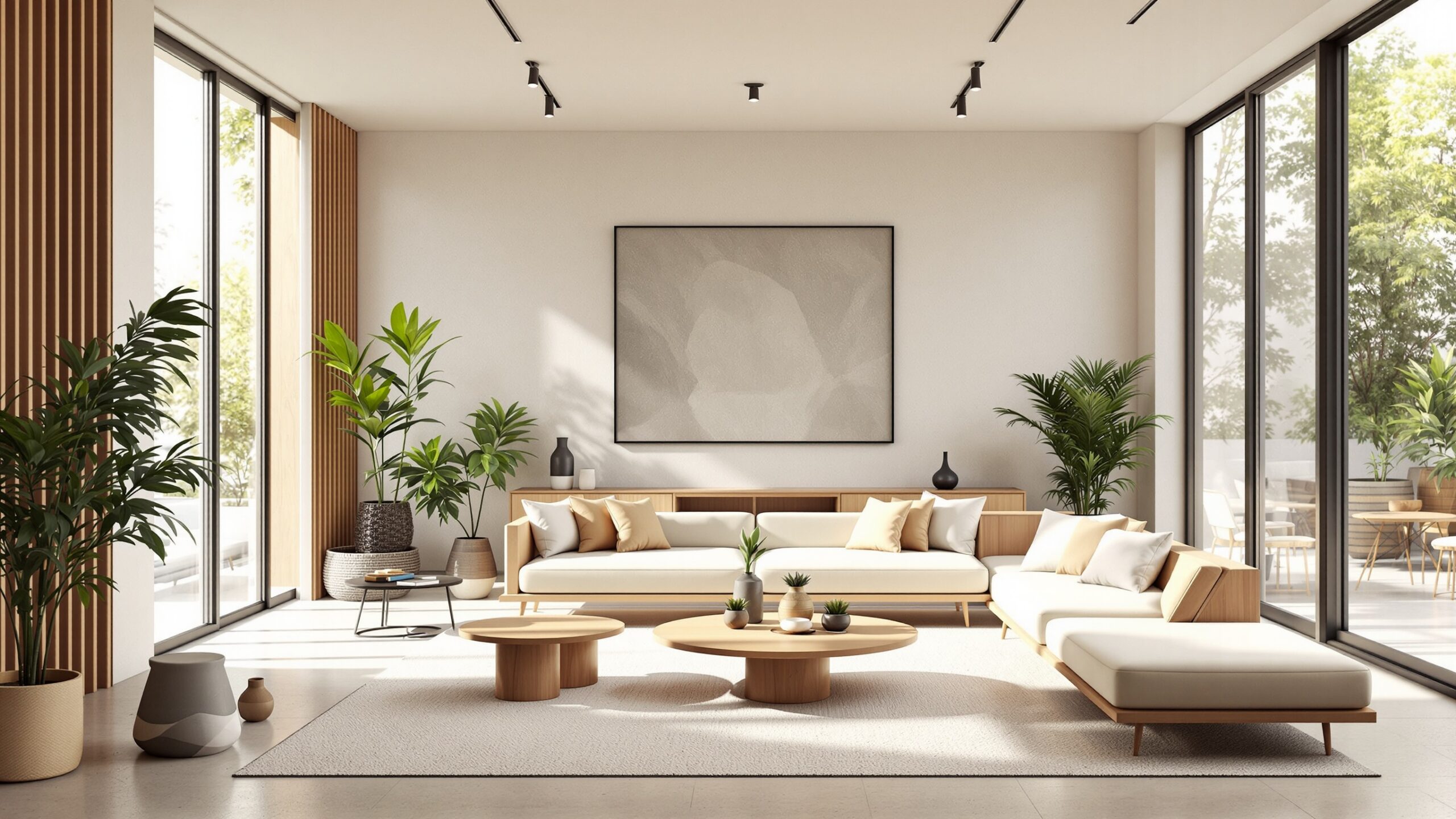
Environmental design encompasses the creation of physical spaces—retail environments, offices, public installations, and themed experiences. Sustainability in this context is about more than materials; it is about designing systems that support long-term efficiency, adaptability, and well-being.
One of the key principles of sustainable environmental design is lifecycle thinking. Designers consider how a space will be used, maintained, and eventually repurposed or deconstructed. Materials are चयन for durability and recyclability, and construction methods prioritize minimal waste. This approach reduces the need for frequent renovations and lowers overall environmental impact.
Energy efficiency is equally গুরুত্বপূর্ণ. Passive design strategies, such as natural lighting and ventilation, reduce reliance on artificial systems. Smart technologies, including automated lighting and climate control, optimize energy usage in real time. These innovations not only lower operational costs but also contribute to a healthier, more comfortable environment for occupants.
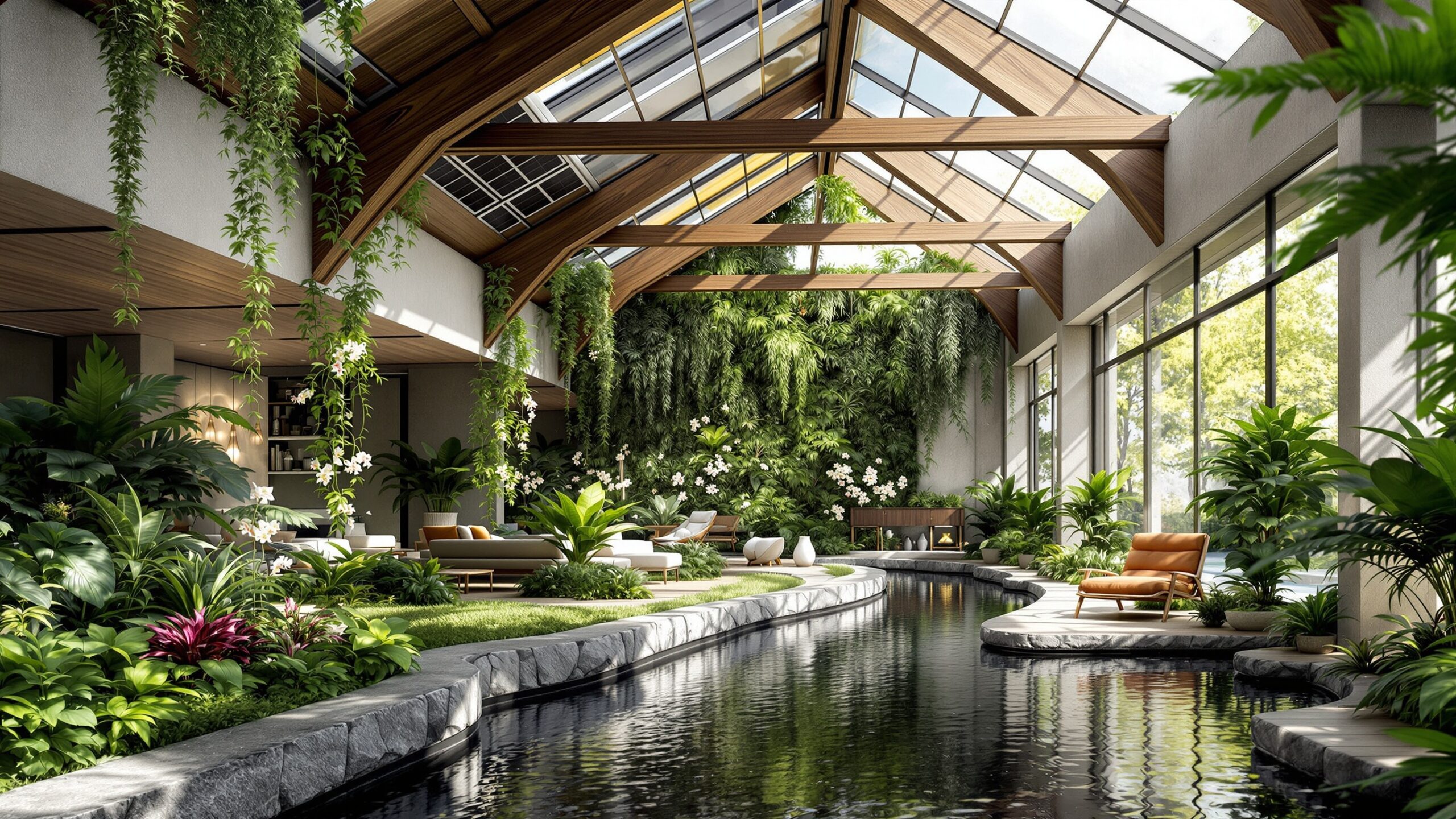
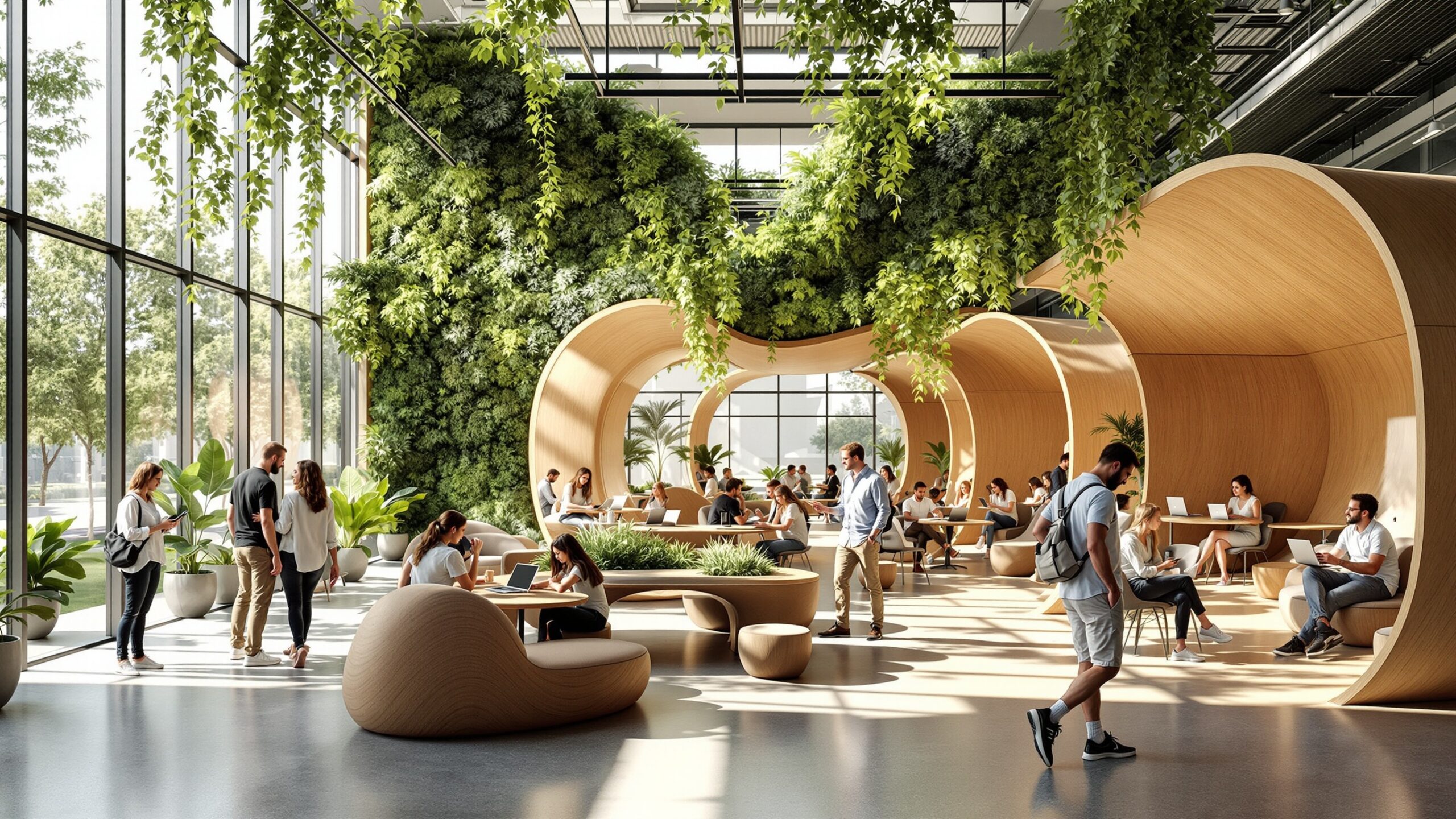
Sustainable environments also support human well-being. Biophilic design elements, such as natural materials and greenery, create spaces that are both visually appealing and psychologically beneficial. These features enhance productivity, reduce stress, and foster a deeper connection between people and their surroundings.
The Business Case for Sustainable Design
While the ethical and environmental benefits of sustainable design are clear, its business advantages are equally compelling. Companies that invest in sustainability often see improved brand reputation, increased customer loyalty, and greater operational efficiency. These factors contribute directly to long-term profitability and resilience.
Cost savings are a significant driver. Energy-efficient systems, durable materials, and waste reduction strategies lower operational expenses over time. Although initial investments may be higher, the return on investment is realized through reduced maintenance, lower utility costs, and extended asset lifespans.
Sustainable design also mitigates risk. As regulations around environmental impact become more stringent, companies that proactively adopt sustainable practices are better positioned to comply with evolving standards. This reduces the likelihood of penalties and enhances organizational stability.
Furthermore, sustainability attracts talent. Employees increasingly seek to work for organizations that align with their values. A commitment to sustainable design signals a forward-thinking culture and can be a powerful tool for recruitment and retention.
Innovation Through Constraint
One of the most compelling aspects of sustainable design is its ability to drive innovation. Constraints often lead to creativity, and sustainability introduces a set of parameters that challenge designers to think differently. Limited resources, material restrictions, and environmental considerations push teams to develop new solutions and technologies.
This innovation is evident across industries. In branding, it has led to the development of minimalist packaging and digital-first campaigns. In events, it has inspired modular staging systems and immersive virtual experiences. In environmental design, it has resulted in smart buildings and adaptive reuse projects that transform existing structures into modern, sustainable spaces.
These innovations not only reduce environmental impact but also create unique, memorable experiences. They differentiate brands and set new standards for design excellence.
Communicating Sustainability Authentically
While sustainable design offers numerous benefits, it must be communicated authentically. Consumers are increasingly wary of greenwashing—superficial or misleading claims about environmental responsibility. To build trust, brands must ensure that their sustainability efforts are transparent, measurable, and verifiable.
This involves clear communication about materials, processes, and outcomes. Certifications, data-driven reporting, and third-party validations can تعزيز credibility. Storytelling also plays a crucial role. Sharing the journey of sustainable design—from concept to execution—helps audiences understand the depth of commitment and the challenges involved.
Authenticity requires consistency. Sustainable design should be integrated across all aspects of a brand or event, not treated as an isolated initiative. This holistic approach reinforces credibility and ensures that sustainability becomes a defining characteristic rather than a temporary trend.
The Role of Technology in Sustainable Design
Technology is a key enabler of sustainable design. Advanced tools and systems מאפשר designers to optimize efficiency, reduce waste, and enhance performance. Digital modeling and simulation software allow for precise planning, minimizing material usage and construction errors. Data analytics provide insights into energy consumption and user behavior, enabling continuous improvement.
In events, technology facilitates hybrid experiences that reduce travel and resource consumption. Virtual reality and augmented reality create immersive environments without the need for physical infrastructure. In branding, digital platforms reduce reliance on printed materials and enable dynamic, adaptable campaigns.
Emerging technologies, such as smart materials and renewable energy systems, further expand the possibilities of sustainable design. These innovations enable designers to create environments that are not only efficient but also responsive and adaptive.
Challenges and Opportunities
Despite its advantages, sustainable design presents challenges. Balancing cost, performance, and environmental impact requires careful planning and collaboration. Supply chain limitations, material availability, and technological constraints can complicate implementation.
However, these challenges also present opportunities. As demand for sustainable solutions grows, industries are investing in research and development. New materials, processes, and technologies are emerging, making sustainable design more accessible and cost-effective.
Collaboration is essential. Designers, engineers, suppliers, and stakeholders must work together to لتحقيق shared goals. This collaborative approach fosters innovation and ensures that sustainability is integrated at every stage of the design process.
The Future of Sustainable Design
The future of sustainable design is dynamic and expansive. As environmental concerns continue to shape global priorities, sustainability will become increasingly integrated into all aspects of design. Brands, events, and environments will be evaluated not only on aesthetics and functionality but also on their environmental and social impact.
Circular design principles, which emphasize reuse, recycling, and regeneration, will play a central role. Products and spaces will be designed with end-of-life considerations in mind, reducing waste and conserving resources. Regenerative design, which seeks to restore and enhance natural systems, will push the boundaries of sustainability even further.
Consumer expectations will continue to evolve, demanding greater transparency and accountability. Organizations that embrace sustainable design will be better positioned to meet these expectations and lead in their respective industries.
Designing for Impact and Legacy
Sustainable design is more than a trend; it is a fundamental shift in how we approach creativity, production, and experience. In branding, it builds trust and loyalty. In events, it transforms fleeting moments into responsible experiences. In environments, it creates spaces that are efficient, resilient, and human-centered.
The importance of sustainable design lies in its ability to align business objectives with environmental responsibility. It demonstrates that innovation and accountability can coexist, and that design can be a powerful tool for positive change. As industries continue to evolve, those who prioritize sustainability will not only meet the demands of today but also shape the possibilities of tomorrow. Ultimately, sustainable design is about legacy. It is about creating experiences, products, and spaces that endure—not just in memory, but in their impact on the world.