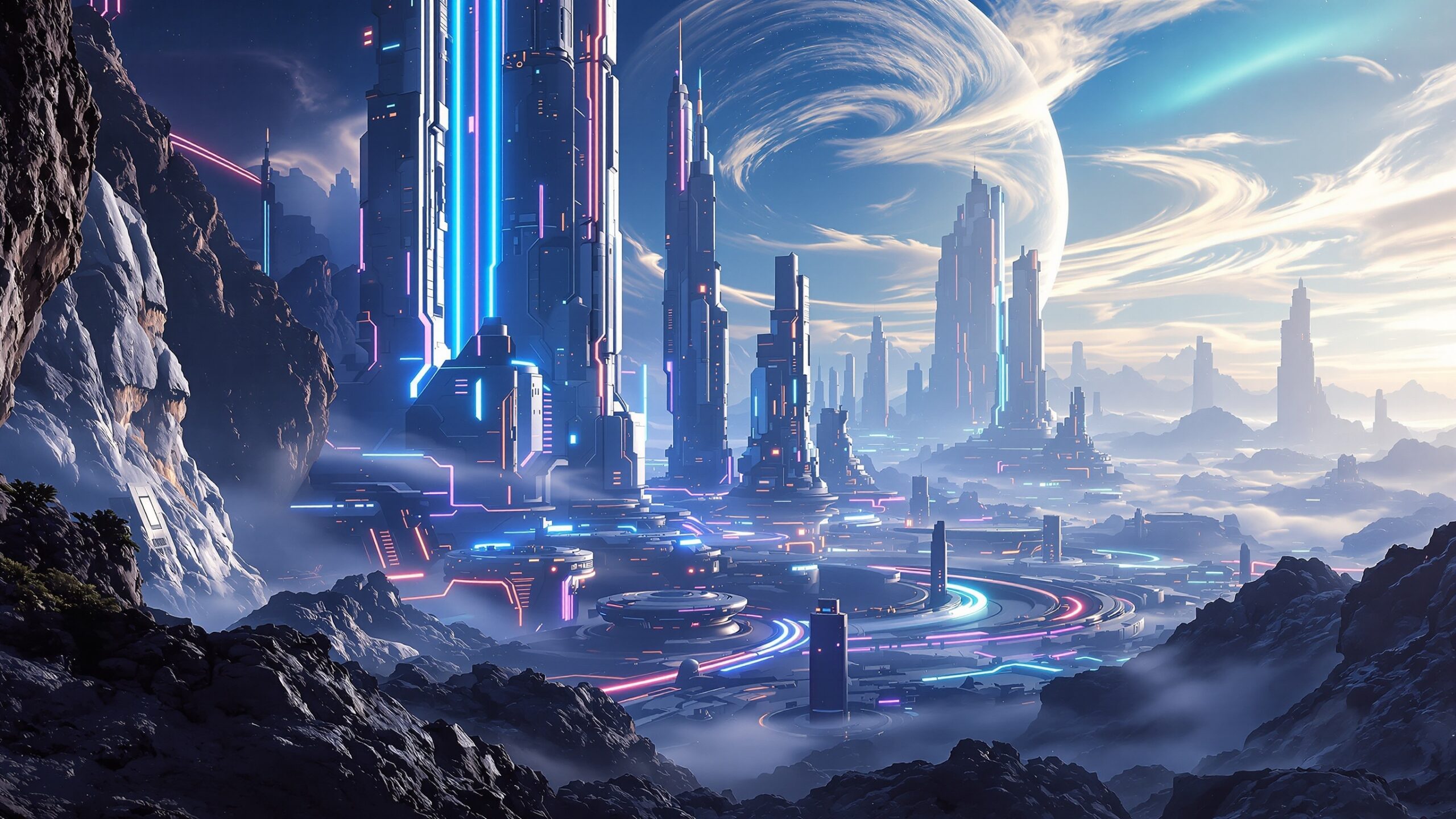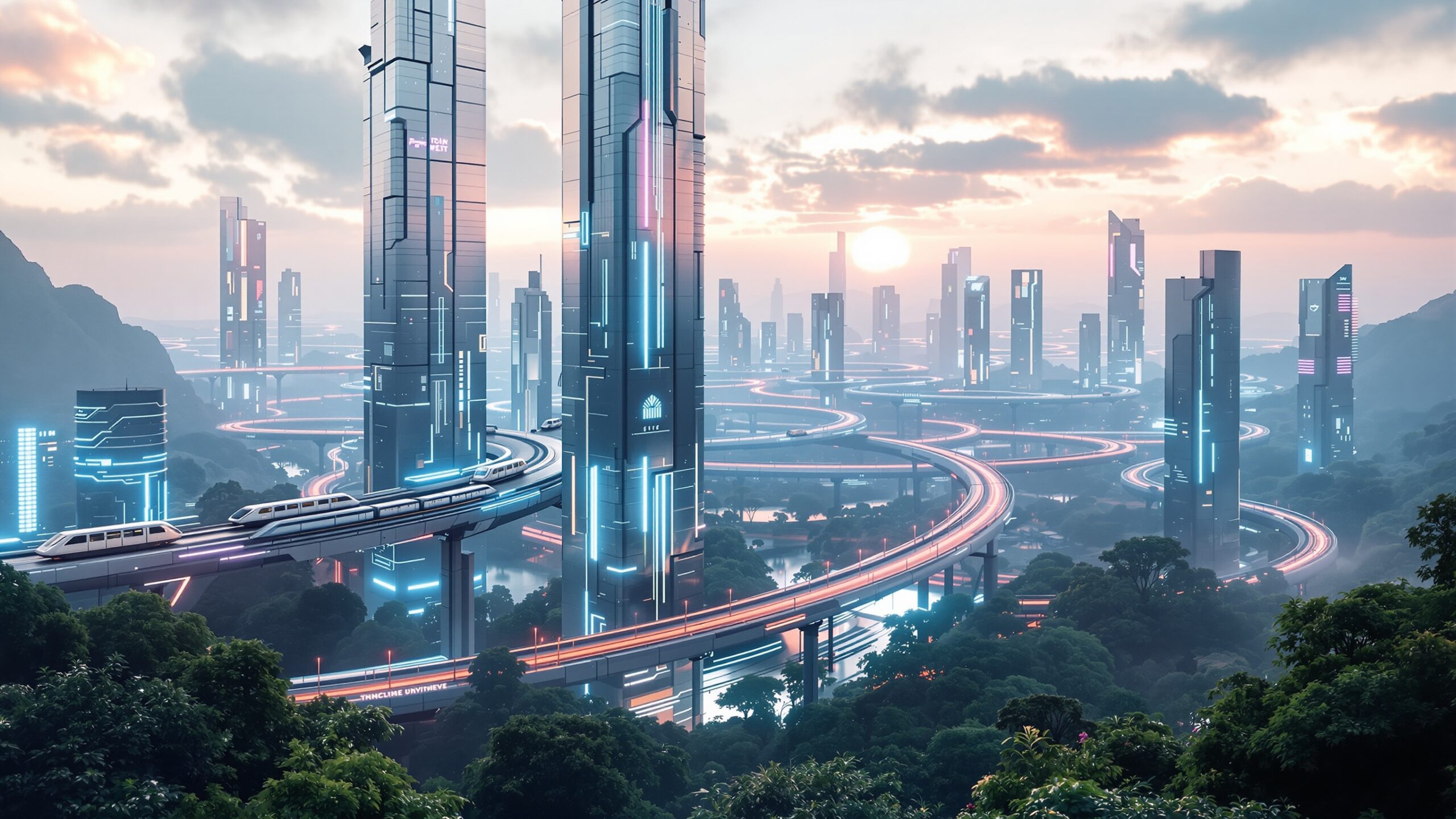
Best Sci-Fi World Ideas That Feel Real and Immersive
Science fiction reaches its full potential when it feels believable. The most memorable sci-fi worlds are not just imaginative—they operate with internal logic, layered systems, and a sense of authenticity that convinces the audience they could exist. These worlds do not rely solely on spectacle. Instead, they draw their strength from realism, structure, and detail, transforming abstract ideas into environments that feel tangible and lived-in. Creating immersive sci-fi worlds requires more than inventing advanced technology or distant planets. It involves building interconnected systems where environment, society, and innovation influence one another. When done effectively, the result is a world that feels less like fiction and more like a plausible extension of reality.
A: Consistent rules, believable technology, and relatable human experiences.
A: Not perfect accuracy, but internal consistency is critical.
A: Focus on what supports the story; avoid unnecessary complexity.
A: Only if they serve the narrative and enhance world depth.
A: Extrapolate from current trends and push them logically forward.
A: Inconsistency in rules or ignoring consequences of technology.
A: Add sensory details and everyday life elements.
A: No, leaving some mystery enhances realism.
A: Essential—it shapes behavior, conflict, and identity.
A: Yes, strong characters and stakes make any world compelling.
Why Realism Matters in Sci-Fi Worldbuilding
Immersion depends on consistency. A world feels real when its rules are clearly defined and consistently applied. Even the most fantastical elements—such as faster-than-light travel or advanced artificial intelligence—become believable when they operate within a structured framework.
Limitations play a critical role in this process. Technology without constraints feels artificial and removes tension from the narrative. When systems have boundaries, they introduce consequences. Energy shortages, system failures, or ethical dilemmas create natural conflict and elevate realism.
Environmental logic is equally important. Planets, cities, and habitats must reflect the conditions that shape them. Climate, gravity, and available resources all influence how a world develops. When these factors align logically, the world begins to feel cohesive and grounded.
Designing Planets That Feel Alive
A compelling sci-fi world often begins with its planetary design. A planet is more than a setting—it is a system shaped by physics, chemistry, and biology.
Gravity affects everything from architecture to movement. Lower gravity might lead to tall, delicate structures and elongated life forms, while higher gravity encourages compact, durable designs. These physical differences influence how societies build, travel, and interact with their environment.
Climate adds another layer of depth. A planet locked in constant daylight on one side and perpetual darkness on the other creates extreme living conditions. Settlements would naturally form in the narrow zone between these extremes, shaping trade routes and cultural identities.
Ecosystems further enhance realism. Native plant and animal life should evolve in response to environmental conditions. Even small details—such as how organisms obtain energy or reproduce—contribute to the sense of authenticity. When a planet’s ecosystem feels functional, the world becomes far more immersive.
Building Societies That Reflect Technology
Technology reshapes society in profound ways, and immersive sci-fi worlds explore this relationship in depth. Advanced systems influence how people live, work, and define themselves.
In a world dominated by automation, traditional jobs may disappear, forcing societies to rethink economic structures. New systems of value could emerge, where creativity, knowledge, or influence replace manual labor. Alternatively, wealth could concentrate among those who control technological infrastructure, creating sharp social divides.
Governance must also adapt. A civilization spread across multiple planets cannot rely on traditional political systems. Communication delays and logistical challenges may lead to decentralized governments or autonomous regions. Some societies might even rely on artificial intelligence to manage complex decisions.
Culture evolves alongside these changes. Traditions, beliefs, and social norms reflect the conditions in which people live. A highly technological society might prioritize efficiency and innovation, while another might resist change to preserve identity. These variations add depth and realism.
Creating Futuristic Cities That Function Naturally
Cities are often the most visible expression of a sci-fi world, and the most immersive ones operate like living systems. They are shaped by infrastructure, resources, and population dynamics.
A massive futuristic city may be organized vertically, with different layers serving distinct purposes. Lower levels could house industrial operations and transportation networks, while upper levels provide residential and commercial spaces. This structure reflects both practical needs and social hierarchy.
Resource management is a defining factor. Water, energy, and food must be produced, distributed, and recycled efficiently. Systems that handle waste and maintain environmental stability are essential to sustaining large populations. When these processes are clearly integrated, the city feels functional rather than decorative.
Transportation networks further define the urban experience. High-speed transit systems, autonomous vehicles, and aerial routes influence how people move and interact. These systems shape daily life and contribute to the city’s identity.
Exploring Artificial Habitats and Engineered Worlds
Not all immersive sci-fi worlds are natural. Some of the most compelling environments are entirely constructed.
Space stations and orbital habitats operate as closed systems where every resource is carefully managed. These environments require precise engineering to maintain air quality, temperature, and gravity. The constraints of living in such spaces create unique challenges and opportunities.
Rotating habitats generate artificial gravity, influencing how spaces are designed and used. Agricultural zones, living areas, and صنعتی sectors must be carefully balanced to ensure long-term sustainability.
Generation ships introduce another layer of complexity. Designed for long journeys, these vessels become entire worlds in themselves. Over time, their inhabitants may develop new cultures and belief systems, sometimes losing sight of their original mission. This evolution adds depth and unpredictability.
Technology as a Core Element of Daily Life
In immersive sci-fi, technology is not just a tool—it is embedded in every aspect of existence. It shapes communication, relationships, and even perception.
Augmented reality could transform how people interact with their surroundings, blending digital information seamlessly with the physical world. This changes how individuals learn, navigate, and socialize.
Biotechnology opens new possibilities for human enhancement. Genetic modifications might improve health, extend lifespan, or alter physical traits. These advancements raise questions about identity, equality, and ethics.
Energy systems also play a central role. Abundant, clean energy can enable rapid development and environmental stability, while scarcity can lead to competition and conflict. The way a world generates and uses energy influences its entire structure.
Designing Alien Cultures with Depth
Alien life is a defining feature of many sci-fi worlds, but true immersion requires more than unusual appearances. Alien cultures must be shaped by their biology and environment.
Communication methods can differ dramatically. Some species might rely on visual signals, chemical exchanges, or entirely unfamiliar systems. These differences influence social interaction and cultural development.
Perception of time can also vary. A long-lived species may approach decisions with patience and long-term planning, while a short-lived one may prioritize speed and adaptability. These perspectives shape behavior and societal structure.
The key is to move beyond human-centered thinking. When alien cultures operate according to their own logic, they feel authentic and compelling.
Conflict That Emerges Naturally from the World
Conflict is essential to storytelling, and the most effective conflicts arise from the world itself. When challenges are rooted in the environment or societal systems, they feel organic and believable.
Resource scarcity is a common source of tension. Limited access to water, energy, or habitable land can drive competition and political struggle. These conflicts reflect real-world dynamics, making them relatable.
Technological inequality can also create division. Societies with advanced systems may dominate those without, leading to resistance and cultural clashes. These interactions add complexity to the narrative.
Environmental instability introduces another layer of conflict. Harsh or unpredictable conditions force سكان to adapt, often at great cost. Survival becomes a central theme, reinforcing the stakes of the story.
The Importance of History and Continuity
Every immersive world has a past that shapes its present. History provides context and depth, making the world feel established rather than newly created.
Ancient civilizations, past conflicts, and technological breakthroughs all leave lasting آثار. Ruins, artifacts, and cultural traditions serve as reminders of what came before. These elements add layers of meaning to the environment.
Different groups may interpret history in different ways, leading to ideological conflict. Competing narratives create tension and influence decision-making.
When history is integrated into the world’s design, it enhances realism and enriches the overall experience.
Balancing Scale and Personal Connection
Sci-fi often operates on a grand scale, but immersion depends on maintaining a human perspective. Large events must connect to individual experiences.
A galaxy-wide conflict becomes meaningful when its impact is felt on a personal level. Characters should experience the consequences directly, whether through loss, opportunity, or transformation.
This balance ensures that the world remains relatable while still exploring vast possibilities. It allows audiences to engage emotionally as well as intellectually.
Sensory Detail That Brings Worlds to Life
A world feels real when it engages the senses. Visual design is important, but sound, texture, and atmosphere add depth.
The hum of machinery, the glow of artificial light, and the feel of different gravitational forces all contribute to immersion. Environmental details help audiences imagine themselves within the world.
Lighting and atmosphere also shape mood. A brightly lit, open environment conveys a different tone than a dark, enclosed space. These subtle cues enhance storytelling without requiring explicit explanation.
Ethical Questions That Add Depth
The best sci-fi worlds explore complex ideas. Advanced technology and unfamiliar environments raise questions about identity, morality, and power.
What defines consciousness in a world with artificial intelligence? How should enhancements be regulated? Who controls critical resources? These questions add intellectual depth and encourage reflection.
Ethical dilemmas create meaningful conflict and elevate the narrative beyond simple entertainment. They make the world feel relevant and thought-provoking.
Worlds That Evolve Over Time
Real systems change, and immersive sci-fi worlds should do the same. Technological progress, environmental shifts, and social movements all influence development.
A thriving colony might decline due to resource depletion, while a marginalized group could rise to prominence through innovation or political change. These shifts create a sense of progression and realism.
Even small changes—such as evolving cultural trends or new technologies—add depth. A world that evolves feels alive and dynamic.
Conclusion: Building Sci-Fi Worlds That Truly Feel Real
The most immersive sci-fi world ideas are built on structure, consistency, and depth. They combine scientific plausibility with creative vision, resulting in environments that feel both imaginative and believable.
By focusing on interconnected systems—planetary design, societal structure, technology, and history—you can create worlds that resonate with audiences. These worlds do not just serve as settings; they become experiences that invite exploration and engagement.
Ultimately, realism in sci-fi is not about limiting creativity. It is about giving imagination a framework that allows it to thrive. When every element of a world works together, the result is a universe that feels authentic, immersive, and unforgettable.