A New Era of Imagination
Science fiction worldbuilding is undergoing a profound transformation. Once defined primarily by distant galaxies, sleek spacecraft, and speculative technology, modern sci-fi worlds are becoming far more layered, interdisciplinary, and emotionally resonant. Today’s creators are not just imagining the future – they are engineering entire ecosystems of culture, science, psychology, and philosophy. As audiences grow more sophisticated and global perspectives reshape storytelling, the expectations for futuristic worlds have expanded dramatically. The future of sci-fi worldbuilding is no longer about predicting gadgets; it is about designing believable systems. It is about constructing environments where technology, humanity, and environment coexist in complex, sometimes uneasy harmony. From hyper-realistic AI societies to climate-shaped civilizations and post-human identities, the next generation of sci-fi worlds is grounded in plausibility while still pushing the boundaries of imagination. This article explores the key trends defining futuristic worldbuilding and how creators can leverage them to craft immersive, forward-thinking sci-fi universes.
A: A setting built on speculative science, advanced technology, and future possibilities.
A: They should be internally consistent, even if not scientifically accurate.
A: Integration of AI and human identity is a dominant theme.
A: Very—clear rules make the world believable and immersive.
A: Yes, hybrid genres often blend science and mysticism.
A: Strong conflict, relatable characters, and a coherent system.
A: Often yes, because they reflect real-world concerns.
A: Begin with a central concept or technological breakthrough.
A: They expand narrative possibilities and challenge human norms.
A: It maintains immersion and prevents logical breakdowns.
Hyper-Realism and Scientific Plausibility
One of the most significant trends shaping sci-fi worlds is the move toward hyper-realism. Audiences today are more informed than ever, and speculative fiction is increasingly expected to align with real-world science or, at the very least, extrapolate logically from it. This shift has led to a surge in “hard sci-fi” elements even within traditionally softer narratives.
Futuristic worlds are now often built on detailed research into physics, biology, and engineering. Space travel is no longer depicted as effortless; it is constrained by fuel, time dilation, and orbital mechanics. Artificial intelligence is portrayed not just as a concept but as a system with limitations, training data biases, and ethical implications. Even alien ecosystems are increasingly grounded in evolutionary logic, considering factors such as gravity, atmospheric composition, and ecological balance.
This trend does not restrict creativity; rather, it enhances immersion. When a world feels scientifically coherent, audiences are more willing to suspend disbelief and engage deeply with the narrative. The future of sci-fi lies in this balance between imagination and intellectual rigor.
The Rise of Post-Human Narratives
Another defining trend is the exploration of post-human identity. As advancements in biotechnology, cybernetics, and artificial intelligence accelerate in the real world, sci-fi creators are increasingly asking what it means to be human in a future where the boundaries of the body and mind are fluid.
Futuristic worlds now frequently feature characters who are augmented, digitized, or entirely synthetic. Consciousness may be transferable, bodies interchangeable, and identity fragmented across physical and virtual spaces. These narratives challenge traditional notions of individuality, mortality, and selfhood.
Post-human worldbuilding also opens the door to entirely new societal structures. What does a legal system look like when citizens can exist in multiple forms simultaneously? How does culture evolve when memory can be edited or shared? These questions push sci-fi beyond surface-level aesthetics into deeply philosophical territory, making futuristic worlds more intellectually engaging and emotionally complex.
Climate Futures and Environmental Storytelling
Climate change has become one of the most influential forces shaping contemporary science fiction. Futuristic worlds are increasingly defined by environmental conditions, whether depicting ecological collapse, adaptive resilience, or radical restoration.
These worlds often explore how societies respond to extreme conditions such as rising sea levels, desertification, or artificial climate control systems. Cities may be built underwater, suspended in the atmosphere, or buried beneath protective domes. Agriculture, energy, and resource management become central elements of world design.
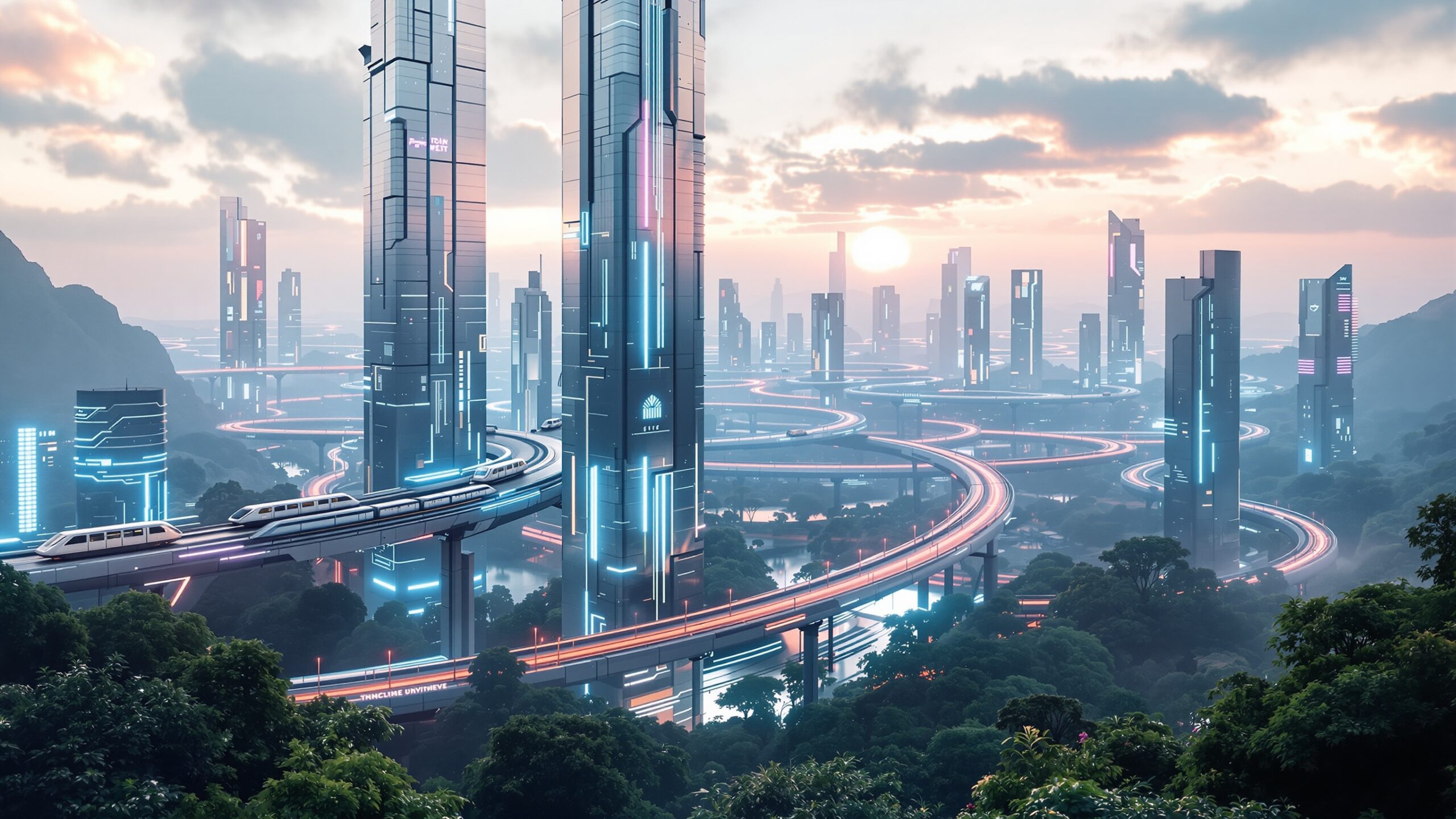
Importantly, climate-focused sci-fi is not limited to dystopia. Many creators are exploring optimistic futures where technology and sustainability coexist. These narratives emphasize innovation, cooperation, and ecological awareness, offering a counterbalance to darker visions.
The integration of environmental storytelling adds depth and urgency to sci-fi worlds, making them feel relevant and reflective of real-world challenges.
AI Ecosystems and Autonomous Societies
Artificial intelligence is no longer just a tool in sci-fi worldbuilding; it is becoming a foundational element of entire civilizations. Future worlds increasingly feature AI systems that govern infrastructure, manage economies, and even participate in cultural life.
These AI ecosystems can take many forms, from benevolent caretakers to opaque, algorithm-driven bureaucracies. In some worlds, humans coexist with AI as equals, while in others, AI entities have surpassed human intelligence and operate according to their own logic.
Worldbuilders are also exploring the social implications of AI integration. Issues such as algorithmic bias, surveillance, autonomy, and digital rights are woven into the fabric of these societies. The presence of AI influences everything from urban design to interpersonal relationships, creating worlds that feel both futuristic and eerily familiar.
As AI continues to evolve in reality, its role in sci-fi worldbuilding will only become more central and nuanced.
Decentralized Worlds and Fragmented Societies
Traditional sci-fi often depicted unified planetary governments or monolithic empires. In contrast, modern futuristic worlds are increasingly decentralized and fragmented. Power is distributed across networks, corporations, communities, and even individuals.
This trend reflects real-world shifts toward globalization, digital connectivity, and the erosion of traditional hierarchies. In many sci-fi settings, governance is handled by decentralized systems such as blockchain-like networks or autonomous organizations. Borders become fluid, and identity is defined more by affiliation than geography.
Fragmented societies create rich storytelling opportunities. Conflicts arise not just between nations but between ideologies, technologies, and modes of existence. These worlds feel dynamic and unpredictable, mirroring the complexity of contemporary global systems.
Cultural Fusion and Global Perspectives
The future of sci-fi worldbuilding is increasingly multicultural. As creators from diverse backgrounds contribute to the genre, futuristic worlds are no longer dominated by a single cultural perspective. Instead, they reflect a tapestry of traditions, languages, and philosophies.
This cultural fusion leads to more authentic and varied world designs. Architecture, fashion, and social norms draw from a wide range of influences, creating settings that feel lived-in and globally relevant. Technology is not depicted as culturally neutral; it is shaped by the values and histories of the societies that create it.
Incorporating global perspectives also enriches storytelling. It allows for new narrative structures, themes, and character dynamics, expanding the possibilities of sci-fi beyond its traditional boundaries.
Immersive Technologies and Interactive Worlds
Advancements in virtual reality, augmented reality, and interactive media are reshaping how sci-fi worlds are experienced. Worldbuilding is no longer confined to static narratives; it is becoming an interactive process where audiences can explore and influence the environment.
Futuristic worlds are increasingly designed with immersion in mind. Every detail, from soundscapes to environmental storytelling cues, contributes to a cohesive experience. This approach is particularly evident in video games, virtual simulations, and transmedia storytelling projects.
For creators, this trend requires a shift in mindset. Worldbuilding must account for user interaction, non-linear exploration, and multiple perspectives. The result is a more dynamic and engaging form of storytelling that blurs the line between creator and audience.
Ethical Complexity and Moral Ambiguity
Modern sci-fi worlds are defined by ethical complexity. Rather than presenting clear-cut heroes and villains, these settings explore nuanced moral landscapes where every choice has consequences.
Technological advancements often introduce ethical dilemmas that have no easy answers. Should AI be granted rights? Is it ethical to alter human genetics? How much surveillance is acceptable in the name of security? These questions are embedded in the fabric of futuristic worlds, shaping both plot and setting.
This emphasis on moral ambiguity makes sci-fi more reflective of real-world issues. It encourages audiences to التفكير critically about the implications of technology and progress, adding depth and relevance to the genre.
The Aesthetic Evolution of Futuristic Worlds
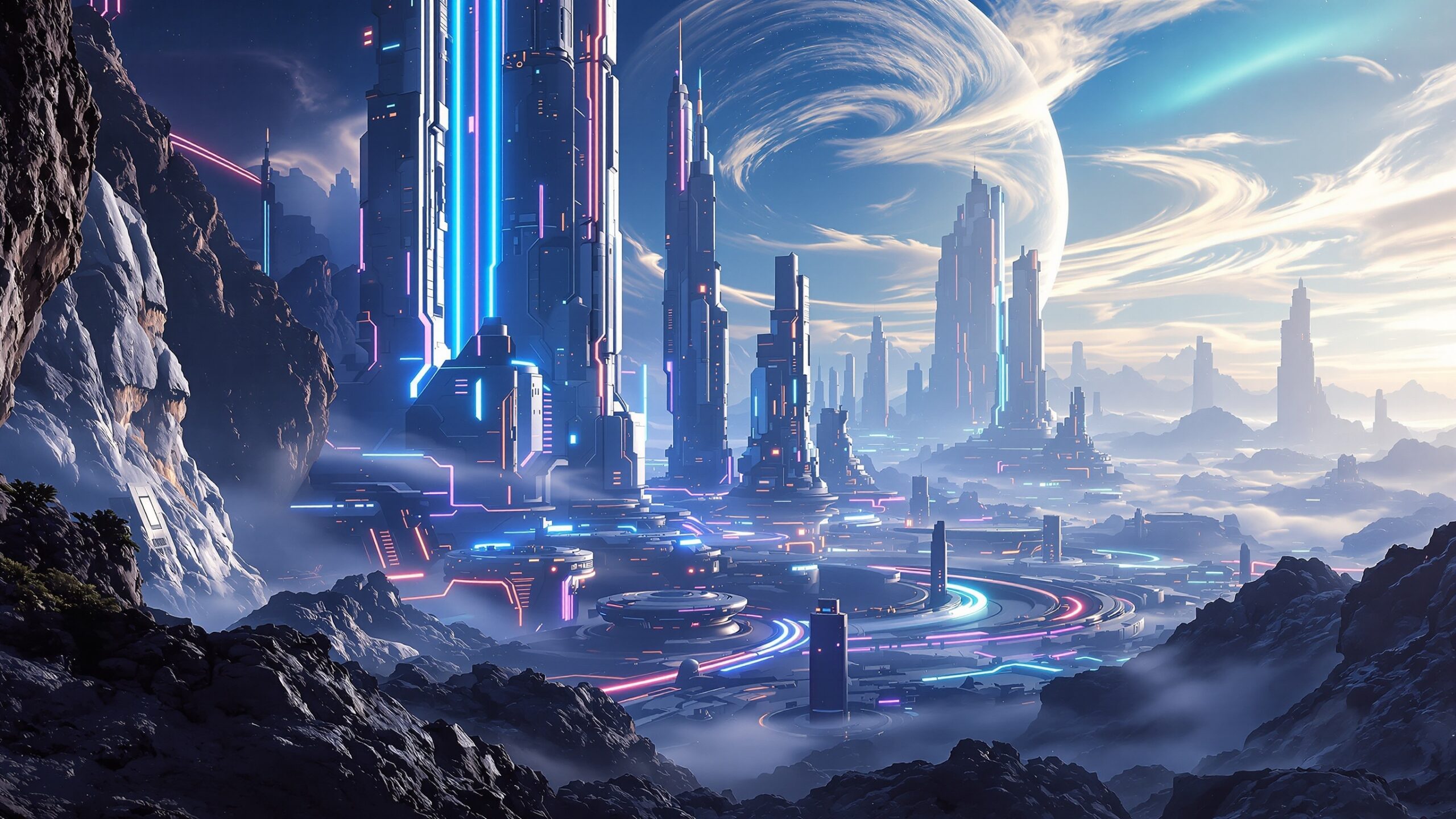
The visual language of sci-fi is also evolving. The sleek, metallic aesthetic of traditional futurism is being replaced by more diverse and textured designs. Futuristic worlds now incorporate elements of decay, organic growth, and cultural specificity.
Design trends such as solarpunk, biopunk, and retrofuturism are gaining prominence. Solarpunk emphasizes sustainability and harmony with nature, while biopunk explores the intersection of biology and technology. Retrofuturism blends past and future aesthetics, creating unique visual identities.
This aesthetic diversity allows creators to differentiate their worlds and convey thematic elements through design. The look and feel of a world become an integral part of its storytelling.
Micro-Worldbuilding and Lived-In Details
Another emerging trend is the focus on micro-worldbuilding. Rather than relying solely on grand, sweeping concepts, creators are paying close attention to the small details that make a world feel real.
This includes everything from everyday routines and local customs to economic systems and linguistic nuances. How do people communicate? What do they eat? How do they spend their free time? These details add texture and authenticity to futuristic worlds.
Micro-worldbuilding also enhances character development. When characters interact with a richly detailed environment, their actions and motivations become more believable and engaging.
The Integration of Science, Philosophy, and Art
The most compelling sci-fi worlds are those that integrate multiple disciplines. Science provides the foundation, philosophy adds depth, and art brings the world to life.
Future worldbuilding is increasingly interdisciplinary, drawing on fields such as sociology, psychology, and environmental science. This holistic approach allows creators to explore complex themes and create worlds that feel cohesive and meaningful.
By blending these elements, sci-fi becomes more than just entertainment. It becomes a medium for exploring fundamental questions about existence, progress, and the human condition.
Conclusion: Designing Tomorrow’s Universes
The future of sci-fi worldbuilding is both exciting and demanding. As audiences seek deeper, more immersive experiences, creators must rise to the challenge of building worlds that are not only imaginative but also coherent, relevant, and emotionally resonant.
The trends shaping futuristic worlds – from scientific realism and post-human narratives to environmental storytelling and cultural fusion – reflect a broader shift toward complexity and authenticity. These worlds are no longer distant fantasies; they are mirrors of our present and blueprints for our future. For writers, designers, and storytellers, the opportunity lies in embracing these trends while maintaining a unique creative voice. The most memorable sci-fi worlds will be those that balance innovation with insight, spectacle with substance. In the end, worldbuilding is not just about creating new realities. It is about understanding our own, and imagining how it might evolve.