Creating Mood Through Layered Textures
Texture has become one of the most powerful tools in modern interior design—a subtle yet commanding force shaping how a space feels long before we analyze how it looks. “Creating Mood Through Layered Textures” goes beyond matching fabrics or arranging décor; it is about orchestrating emotion. Texture guides the senses, shifts energy, heightens intimacy, builds contrast, and helps a room express its personality with dramatic clarity. Whether crafting a serene sanctuary, an invigorating creative zone, or a grounded social hub, layered textures give a space emotional depth. They form the silent language of design, inviting people not just to see a room, but to experience it.
A: Because the body reacts to space instinctively, shaping emotions before logic does.
A: Use light, movement paths, and subtle transitions to control pace.
A: Provide clear sightlines, comfortable spacing, and identifiable exits.
A: Pair tight spaces with expansive reveals for maximum impact.
A: Memory and emotion respond strongly to subtle fragrance cues.
A: Absolutely—the pacing, lighting, and flow *are* the story.
A: Use vertical lines, mirrors, and indirect lighting to expand perception.
A: Light gradients, angled walls, and focal points gently guide movement.
A: Symmetry, soft curves, warm light, and slow spatial transitions.
A: Designing for visuals only—ignoring movement and pacing breaks immersion.
The Emotional Language of Texture
Textures influence human psychology at a level deeper than color or shape. Soft, plush textures calm the nervous system and encourage the body to relax, while rough or tactile surfaces awaken curiosity, stimulating engagement. Smooth planes evoke cleanliness and order, creating a fresh, uncluttered mental state. Grainy, fibrous, or nubby textures warm up the visual field and soften the edges of a space. Because texture operates directly through sensory perception, it shapes atmosphere instantly and intuitively. A room draped in velvety upholstery communicates comfort and luxury without a word. A space lined with raw, unfinished wood brings earthiness and authenticity. Texture becomes mood, and mood becomes memory.
The beauty of textured design lies in its responsiveness to human presence. As people move through a room, light catches different surfaces, shadows fall differently, depth changes, and tactile moments shift. This creates an emotional narrative that unfolds as one experiences the environment. A textured room feels alive, dynamic, and intimate rather than static.
Layering Texture: The Designer’s Secret to Elevated Atmosphere
Layering texture is the art of combining multiple tactile elements in the same space so that each enhances the other. While a single textured element can add interest, layers produce emotional richness. They turn a flat visual field into a multidimensional environment. A linen sofa paired with a boucle throw, a knotted wool rug beneath a smooth marble table, or hammered metal accessories sitting against matte walls—all these combinations create contrast and depth.
This approach is similar to composing a musical arrangement. Each instrument contributes its tone, rhythm, and harmony. If one note dominates, the music becomes monotone. But layer the right elements, and the room becomes a symphony. The interplay of smooth and rough, warm and cool, matte and reflective creates the emotional cadence.
The secret to successful texture layering lies in intentional variation. Instead of overwhelming the senses with too many bold textures, designers balance subtle shifts. A room might pair a single dramatic focal texture with several softer supporting ones. For example, a sculptural stone fireplace as the anchor, complemented by airy curtains, leather seating, and woven accents. The contrast feels organic rather than forced, building emotional nuance.
How Texture Shapes Specific Moods
Every texture communicates something different. Thoughtful combinations allow designers to sculpt particular atmospheres with precision. A cozy, intimate mood emerges when textures feel plush, soft, and warm. Wool, velvet, chenille, and thick-knit fabrics create an embrace-like ambiance perfect for bedrooms or reading nooks. In contrast, lively spaces benefit from crisper, more structured materials like polished wood, brushed metal, or structured fabrics that encourage alertness and movement. A sophisticated mood shines through glossy surfaces, marble, lacquer, and fine-grain textiles. These elements project clarity, precision, and modern elegance. Meanwhile, rustic and grounding moods arise from raw woods, natural fibers, textured stone, and handmade ceramic pieces.
Designers often choose textures based on how they reflect or absorb light. Matte textures absorb light to create softness, while reflective surfaces bounce illumination around the room, energizing it. By shaping how light interacts with surfaces, one controls the emotional temperature of a space. A room with mostly matte textures feels enveloping and tranquil. Add reflective accents, and you spark vitality.
The Role of Natural Textures in Emotional Wellbeing
Natural textures have an unmatched ability to soothe the mind and reconnect people with organic surroundings. The rise of biophilic design has underscored how deeply humans are shaped by tactile and visual reminders of nature. Wood grains evoke forests, stone surfaces mimic cliffsides, woven fibers recall landscapes and handmade craft. These textures satisfy sensory cravings formed across human evolution, grounding the body and reducing stress.
A room filled with natural textures feels serene, restorative, and inherently harmonious. When designers layer natural textures—like jute rugs, wooden beams, linen drapery, and stone tabletops—the result is an environment that feels rooted and alive. Nothing in these spaces appears artificial or forced. Even modern interiors infused with natural textures become warmer and more inviting. In busy urban environments, natural texture layering offers a sanctuary from overstimulation.
Balancing Bold and Subtle Textures
Bold, dramatic textures are the showstoppers of a room, but they must be used strategically to maintain harmony. A statement wall with ribbed plaster, a dramatically grained wood slab table, or a richly veined marble countertop can instantly define mood. However, pairing bold textures with too many competing surfaces causes visual clutter. Instead, bold textures shine best when surrounded by quieter ones.
Subtle textures—like smooth cotton, matte-painted walls, or soft wool—act as the supporting cast. They provide the foundation that allows statement textures to stand out gracefully. This interplay creates hierarchy and visual rhythm. For example, a room with a bold upholstered chair in a deep, touchable fabric will feel balanced if the surrounding pieces use softer, more neutral textures. Designers often treat subtle textures as emotional stabilizers. They tone down intensity and give the space breathing room. Without subtle textures, a textured room becomes overwhelming. Without bold textures, it becomes forgettable. The magic lies in the balance.
Layering Textures Across Different Surfaces
Texture layering works across every surface of a room: floors, walls, furniture, décor, and even airspace. Floors set the tactile foundation, often anchoring the room with a statement rug, polished stone, or warm hardwood. Rugs add softness and warmth underfoot while visually tying furniture groupings together. A layered rug approach—placing a patterned rug over a larger natural fiber rug—adds unexpected depth. Walls provide the vertical canvas. Designers may use limewash, textured paint, wood slats, brick, or fabric paneling to infuse walls with character. Even a simple texture like a matte finish softens glare and creates an instant sense of comfort. In contrast, a rough wall texture like exposed brick brings vibrancy and grit.
Furniture offers an endless array of tactile possibilities. Upholstery can range from tufted velvet to structured linen. Tabletops may be raw wood, sleek glass, or hammered metal. Even chair legs and drawer handles introduce micro-textures that shape the emotional tone. Décor and accessories—throws, pillows, baskets, lampshades, ceramics—act as the final layering stage. These elements add detail without overpowering the architecture or the furniture. They introduce small tactile cues that the hands and eyes naturally gravitate toward.
Lighting: The Hidden Partner in Texture Layering
Texture and lighting are inseparable. Light reveals texture, shadow deepens it, and together they shape emotional atmosphere. Warm lighting softens textures, making them feel plush, nurturing, and intimate. Cool lighting sharpens texture, highlighting crisp edges, fine grains, and reflective surfaces.
Designers often experiment with lighting angle as much as lighting color. A grazing light—a beam hitting textured surfaces at a sharp angle—draws out every ridge, groove, and ripple. This effect is stunning on brick, stone, or wood slats, making textures appear more dramatic and sculptural. Diffused lighting, on the other hand, mutes texture for a calm, even glow.
Layered lighting complements layered textures. Overhead fixtures establish the general tone, wall sconces highlight surface detail, and table lamps add warm spots of intimacy. The emotional mood shifts as these layers turn on or off, changing how textures perform throughout the day.
Color and Texture: A Dual Force for Mood Creation
Color and texture work hand in hand to shape atmosphere. While color sets the emotional temperature, texture controls how that color is perceived. A deep green in glossy paint feels formal and high-energy, while the same green in a matte velvet reads calming and luxurious. Warm colors layered with soft textures intensify comfort. Cool tones paired with crisp or smooth textures evoke modernity and clarity.
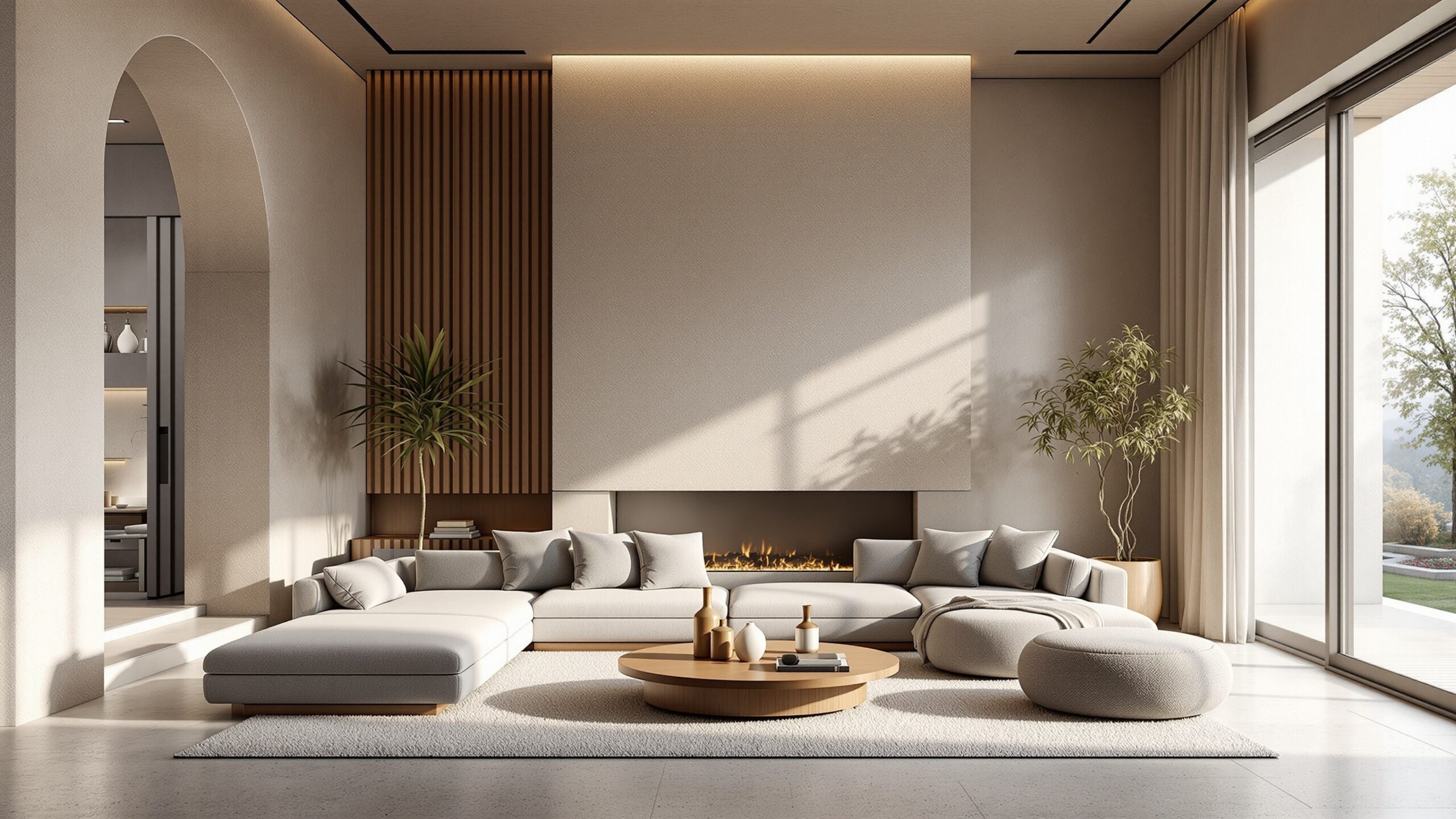
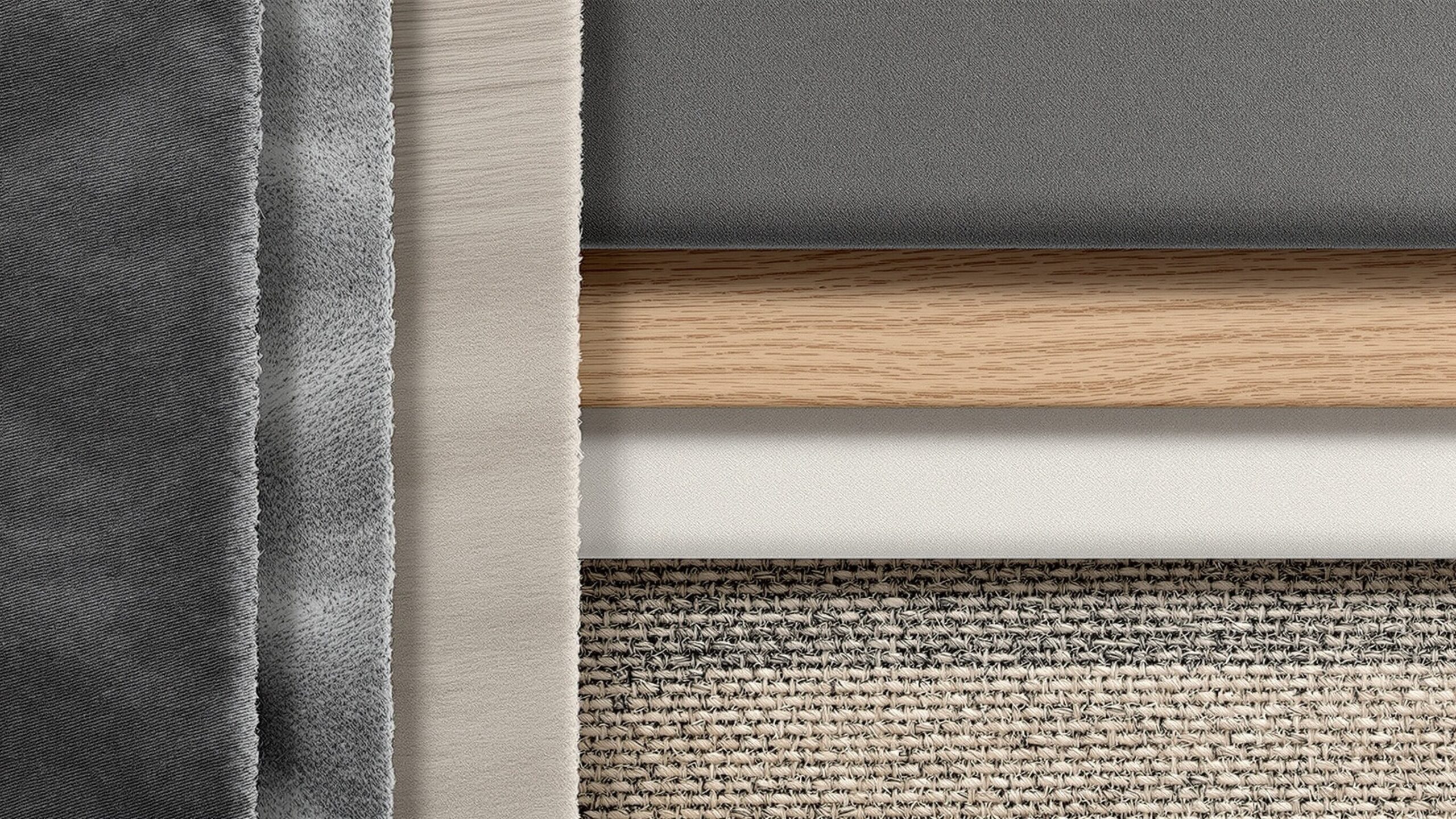
Even neutral palettes can become emotionally rich through texture. Beige walls, cream upholstery, sandy-toned rugs, and wooden accents create a palette that feels warm, grounded, and sensory. When designers layer neutral textures, they introduce subtle shifts in light, tone, and touch that prevent monotony.
Color also helps organize textured compositions. Using harmonized tones across a variety of textures ties them together visually. A room with a monochromatic palette can still feel deeply layered when adorned with materials like suede, ceramic, oak, linen, and stone.
Creating Texture-Driven Zones
Texture can define zones within open-concept spaces without the need for walls. Placing a plush rug under a seating area establishes softness and intimacy, signaling a zone for conversation or rest. A dining area with harder textures like wood, glass, or metal feels more structured and purposeful, encouraging upright posture and interaction. Even small spaces respond well to texture zoning. A reading nook defined by tactile layers—soft cushions, thick throw blankets, ribbed wall panels—becomes a micro-environment that contrasts beautifully with the sleeker textures of a home office. Texture allows these moods to coexist in a cohesive layout.
How Cultural and Historical Textures Influence Mood
Textures carry cultural and historical significance, adding depth and richness to modern interiors. Moroccan zellige tiles evoke centuries of artisan craft, bringing handmade charm and luminous irregularity. Japanese woven bamboo creates a serene, meditative rhythm. European plasterwork reflects tradition and elegance. South American textiles introduce color, warmth, and ancestral storytelling. When designers blend historical textures with contemporary materials, they create atmospheres that feel grounded yet current. These textures carry emotional resonance beyond their physical qualities, reminding people of heritage, craftsmanship, and global aesthetic traditions.
Texture Layering in Minimalist Spaces
Minimalism often relies on texture for emotional depth, especially because minimalist spaces typically limit color and ornamentation. Soft fabrics, natural wood grains, honed stone, and matte finishes allow minimalism to feel warm rather than stark. Even a single textured focal element—like a raw wood bench or sculptural clay vase—can elevate simplicity into serenity.
Minimalist texture layering is especially intentional. Every textured piece must earn its place, contributing both function and emotional resonance. The result is a calm, balanced environment that feels open yet intimately tactile.
Texture Layering in Maximalist Spaces
Maximalist design thrives on eclectic texture blending. Velvet pillows, intricate tapestries, brass accents, patterned rugs, lacquered furniture, and sculpted ceramics coexist in joyful abundance. Here, texture reinforces the expressive spirit of maximalism. The key is orchestration rather than restraint. Designers create cohesion by repeating texture families or color themes, ensuring the space feels energized but not chaotic. Maximalist texture layering celebrates personality, storytelling, and sensory richness.
Crafting a Signature Mood Through Textural Identity
Every home, brand, or creative environment can develop a signature mood through textural identity. A luxury spa might use silky fabrics, warm wood, and smooth stone to signal relaxation. A modern tech office may prefer crisp lines, glass, and polished metal. A boutique hotel may layer velvet, fringe, rattan, and plaster for an eclectic, memorable vibe. When textures align with purpose, spaces become emotionally consistent and instantly recognizable. This textural identity becomes part of the environment’s DNA.
The Future of Texture in Modern Design
As design becomes more experiential, texture will continue to rise as a primary mood-driving element. Advances in 3D printing, sustainable materials, and biomimicry are introducing textures inspired by nature, science, and innovation. Walls that replicate the softness of moss, furniture made from plant-based fibers, or fabrics created from recycled ocean materials show how texture can be both emotionally powerful and environmentally conscious. Multisensory spaces are also becoming more common. Designers are integrating sound-absorbing textured panels, tactile artworks, and responsive surfaces that change texture with light or temperature. This evolution blurs the lines between design and immersive experience.
Designing Emotion One Texture at a Time
Texture is the heartbeat of a space, the element that connects design with feeling. Layered thoughtfully, textures turn rooms into emotional landscapes—warm, vibrant, serene, dramatic, inviting, or inspiring. They guide the senses, balance energy, create contrast, and construct mood with extraordinary subtlety. By understanding how textures influence human psychology, designers and homeowners alike can craft spaces that nourish the senses and tell meaningful stories. When texture takes center stage, mood becomes intentional, immersive, and unforgettable.