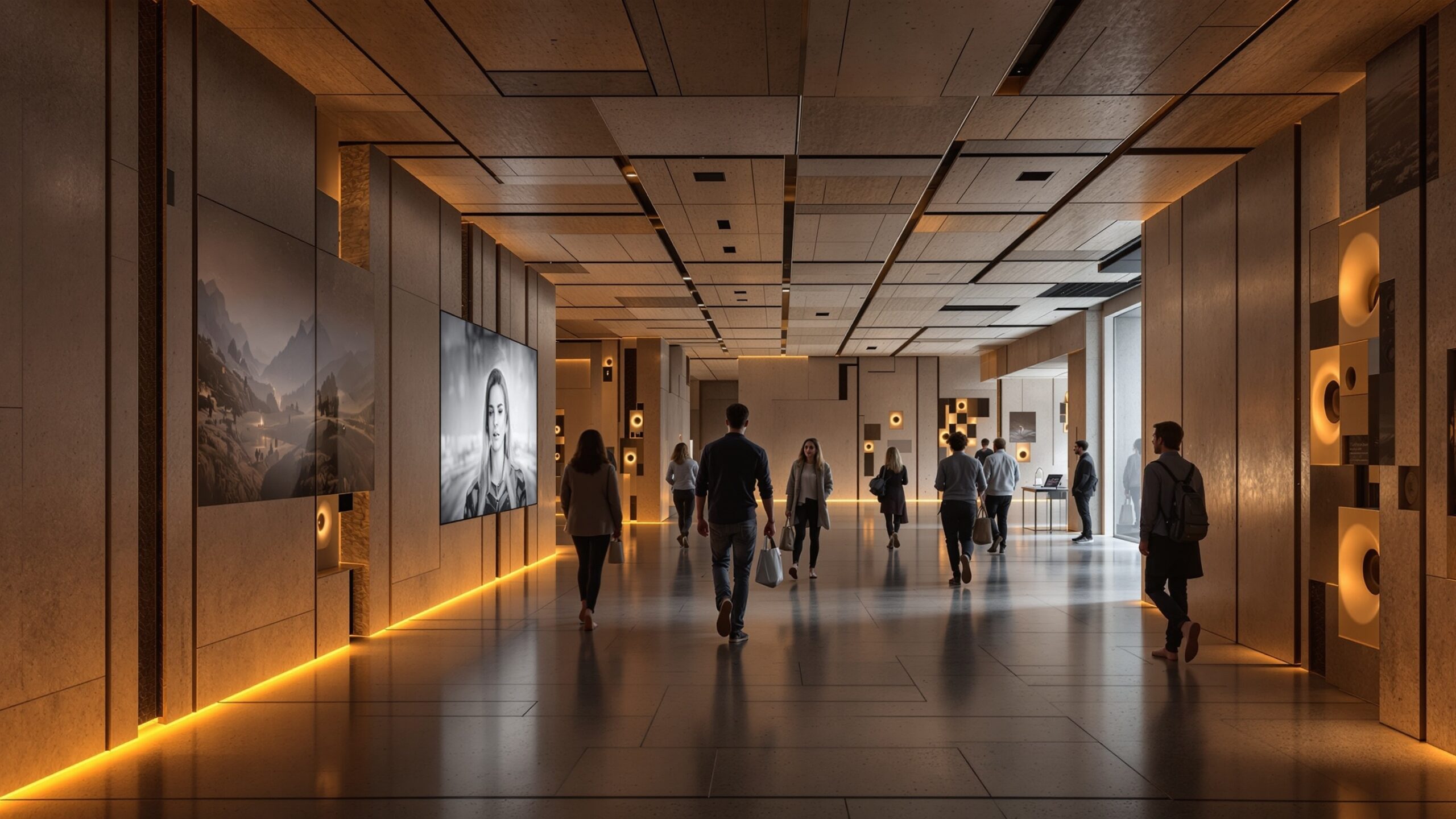
Designing Experiences That People Feel
Modern attractions are no longer defined only by what visitors see. The most memorable theme parks, museums, immersive exhibits, and entertainment venues are carefully engineered environments that stimulate multiple human senses simultaneously. This approach—known as sensory design—blends architecture, psychology, sound, lighting, scent, texture, and motion to shape how guests emotionally experience a space. From the moment visitors step into a themed environment, subtle cues begin influencing their perception. The lighting temperature in a hallway can make a space feel mysterious or welcoming. A distant soundscape can guide visitors toward a narrative moment. Even the scent of wood, ocean air, or fresh popcorn can trigger emotional memories that deepen immersion. Theme parks, museums, and experiential attractions increasingly rely on sensory design to turn passive observation into active emotional engagement. Instead of simply displaying objects or building rides, designers create environments where every detail—sound, temperature, lighting, materials, and spatial layout—works together to support storytelling. In an era where audiences seek experiences rather than just entertainment, sensory design has become one of the most powerful tools in experiential architecture. By carefully orchestrating the five senses, designers transform physical spaces into living stories that visitors don’t just see—they feel.
A: It’s the intentional use of sound, lighting, scent, and environmental effects to shape visitor emotions.
A: They reinforce story settings, guide movement, and create emotional atmosphere.
A: Through ambient audio, lighting design, and interactive exhibits that enhance learning experiences.
A: Show control systems, projection mapping, spatial audio, and programmable lighting.
A: Yes—scent is strongly tied to memory and can reinforce themes or trigger emotional responses.
A: By hiding technical infrastructure and carefully controlling visual details.
A: Lighting directs attention, sets mood, and helps create dramatic storytelling moments.
A: It allows specific scenes to have localized sound without bleeding into other areas.
A: Yes—subtle cues can guide movement, slow crowds, or encourage exploration.
A: Seamless integration of story, environment, technology, and sensory details.
The Science Behind Sensory Design
Sensory design is rooted in psychology and neuroscience. Human perception is shaped by the brain’s ability to process information from multiple sensory inputs simultaneously. When these inputs are coordinated effectively, they create a more convincing and memorable experience.
Research shows that environments engaging several senses at once produce stronger emotional responses and more durable memories. This phenomenon is known as multisensory integration. When sound, lighting, scent, and physical movement reinforce the same narrative message, the brain interprets the experience as more immersive and authentic.
For example, imagine entering a museum exhibit about a historic battlefield. If the room only contains artifacts behind glass, visitors may intellectually understand the story. However, if the environment includes low rumbling sound effects, dim atmospheric lighting, cool air temperatures, and textured ground materials, the brain begins to interpret the environment as an experience rather than a display.
This transformation happens because the brain evolved to interpret sensory signals together as part of real-world environments. Designers who understand this principle can shape how visitors feel, remember, and interpret a space.
In experiential design, the goal is not sensory overload but sensory harmony. Each element must support the narrative instead of competing with it. The best sensory environments feel natural, seamless, and emotionally authentic.
Visual Design: The Dominant Sense in Spatial Storytelling
Vision remains the most dominant sense in themed environments. Lighting, color palettes, architectural forms, and visual storytelling techniques establish the foundation of nearly every immersive attraction.
In theme parks, visual design often begins with forced perspective and spatial composition. Designers manipulate scale, distance, and angles to create environments that feel larger, deeper, or more fantastical than they actually are. Classic castle entrances, towering mountains, and dramatic cityscapes all rely on visual illusions that guide the eye and reinforce narrative themes.
Lighting is another critical visual tool. Warm lighting can evoke comfort and nostalgia, while cooler tones create futuristic or mysterious atmospheres. Dynamic lighting systems allow designers to change the emotional tone of an environment throughout the day or during different story moments.
Museums also rely heavily on visual storytelling. Modern exhibits use projection mapping, interactive displays, and immersive digital environments to bring historical events, scientific discoveries, or artistic movements to life. Instead of static displays, visitors now move through visual narratives that unfold as they explore.
When visual design works in harmony with other sensory elements, the environment becomes more than a setting—it becomes part of the story itself.
Soundscapes: The Invisible Architect of Atmosphere
Sound is one of the most powerful yet underappreciated elements of sensory design. Unlike visual features, sound can shape perception without visitors consciously noticing it.
Carefully crafted soundscapes guide emotional responses, create spatial awareness, and reinforce storytelling. In theme parks, background audio often changes subtly as guests move between different themed areas. The shift from jungle sounds to orchestral adventure music signals a transition between worlds.
Directional audio systems allow designers to place sound precisely within an environment. A whispering voice might seem to originate from a statue, while distant thunder may suggest approaching danger in an attraction storyline.
Museums increasingly use spatial audio to enhance exhibits. Historical recordings, narrated stories, and environmental sound effects help visitors feel connected to the past. Instead of reading about events, guests hear them unfold around them.
Even silence can be a design choice. A sudden absence of sound before a dramatic reveal can heighten anticipation and emotional impact.
Sound works particularly well because it influences mood at a subconscious level. When used effectively, it becomes the emotional backbone of an immersive environment.
The Power of Scent in Experiential Spaces
Among all sensory elements, scent has one of the strongest connections to human memory and emotion. A single smell can instantly trigger vivid recollections and emotional responses.
Theme parks have used scent design for decades. Walking through a bakery-themed street might release the aroma of fresh bread, while a pirate attraction might include hints of sea salt and aged wood. These scents reinforce narrative themes and strengthen the illusion of place.
Museums have also begun incorporating scent in creative ways. Historical exhibits may recreate the smells of ancient markets, maritime environments, or industrial workshops to provide a deeper sense of authenticity.
Scent design must be handled carefully. Overly strong fragrances can become distracting or unpleasant. Successful scent environments use subtle diffusion systems that maintain a gentle atmospheric presence without overwhelming visitors.
When combined with sound and visual cues, scent becomes a powerful storytelling device that anchors experiences in emotional memory.
Tactile Design and Physical Interaction
Touch is another crucial component of immersive environments. Physical textures and interactive elements encourage visitors to engage with spaces more actively.
In themed attractions, tactile design appears in everything from rough stone walls to polished brass railings. These textures reinforce the authenticity of the environment and make the experience feel tangible.
Interactive exhibits in museums often rely on tactile engagement. Visitors might operate mechanical models, explore textured materials, or manipulate digital interfaces that respond to movement.
Advances in haptic technology are expanding the possibilities of tactile design. Motion platforms, vibration systems, and force feedback mechanisms can simulate movement, impact, or environmental conditions. These effects are frequently used in simulator rides, immersive theaters, and interactive exhibits.
When visitors physically interact with an environment, they become participants in the experience rather than passive observers.
Temperature, Airflow, and Environmental Effects
Environmental conditions such as temperature, wind, and humidity play a surprisingly important role in sensory design. These elements influence comfort, realism, and emotional perception.
In theme park attractions, environmental effects are often synchronized with narrative moments. A blast of cool air might simulate a mountain wind, while warm breezes can suggest tropical climates. Mist, fog, and light rainfall effects further enhance realism.
Museums and immersive exhibitions also use environmental effects to create atmosphere. A polar exploration exhibit might feature colder air temperatures, while a rainforest environment may include humidity and subtle plant scents.
These subtle environmental cues help convince the brain that the environment is real, even when visitors know they are inside a controlled space.
Narrative Architecture and Spatial Storytelling
Sensory design is most effective when it supports a clear narrative structure. Designers often refer to this concept as narrative architecture—the idea that physical spaces themselves can tell stories.
In theme parks, guests move through environments that unfold like chapters in a story. Queue lines introduce narrative context, attraction experiences deliver the main storyline, and exit areas provide resolution.
Museums increasingly adopt similar storytelling approaches. Instead of isolated exhibits, galleries guide visitors through chronological or thematic narratives. Each room reveals new information and emotional perspectives.
Spatial design also influences pacing. Narrow corridors may build tension, while open spaces create moments of reflection or awe.
When sensory elements are coordinated with narrative structure, the entire environment becomes a three-dimensional storytelling medium.
Technology Driving Modern Sensory Experiences
Advances in technology are expanding the possibilities of sensory design. Modern attractions increasingly rely on sophisticated systems that coordinate multiple sensory elements in real time.
Projection mapping allows designers to transform ordinary surfaces into dynamic visual environments. Walls can become waterfalls, city skylines, or animated storytelling canvases.
Spatial audio systems create immersive sound environments that respond to visitor movement. Advanced scent delivery systems allow designers to release specific aromas at precise moments in an experience.
Artificial intelligence and interactive technologies are also shaping the future of sensory design. Attractions can now adapt to visitor behavior, creating personalized experiences based on movement patterns, choices, or interactions.
These technologies allow designers to orchestrate complex sensory environments that were impossible just a decade ago.
Sensory Design in Museums: From Observation to Immersion
Museums have traditionally focused on artifact preservation and educational displays. However, many modern institutions are transforming their approach to emphasize immersive storytelling.
Sensory design allows museums to bring historical moments, cultural experiences, and scientific discoveries to life. Instead of static exhibits, visitors enter environments that recreate the sights, sounds, and atmosphere of different eras or ecosystems.
For example, a maritime museum might combine ship creaking sounds, ocean scents, and dynamic lighting to simulate life aboard a historic vessel. A space exploration exhibit might include vibration effects, panoramic projections, and ambient spacecraft audio.
These immersive environments help audiences form emotional connections with historical narratives and scientific concepts.
As museums compete with digital entertainment for attention, sensory design has become a key strategy for engaging modern audiences.
Theme Parks: The Masters of Multisensory Design
Theme parks represent the most advanced examples of sensory design in action. Every element—from architecture and landscaping to music and scent—is carefully engineered to support storytelling.
Themed lands transport visitors to different worlds, cultures, or time periods. Designers use sensory cues to signal transitions between these environments. Guests might hear tropical bird calls when entering a jungle area or orchestral fantasy music when approaching a castle.
Ride experiences push sensory design even further. Motion systems, synchronized soundtracks, environmental effects, and visual projections combine to create thrilling narrative adventures.
The success of modern theme parks demonstrates how sensory design can transform entertainment into immersive storytelling experiences that captivate millions of visitors each year.
The Future of Sensory Design in Attractions
The future of experiential design will likely involve even deeper integration of sensory technologies. Virtual reality, augmented reality, and mixed reality systems are already expanding the boundaries of immersive storytelling.
Biometric sensors may one day allow attractions to adapt dynamically to visitor emotions. Lighting, music, and environmental effects could shift in response to heart rate or facial expressions, creating personalized experiences.
Artificial intelligence may also enable environments that evolve over time, responding to visitor choices and interactions.
As these technologies develop, sensory design will continue to evolve from a supporting design strategy into a central framework for creating experiences.
Conclusion: Designing Worlds That Engage Every Sense
Sensory design has transformed the way theme parks, museums, and attractions engage audiences. By orchestrating sight, sound, scent, touch, and environmental effects, designers create immersive environments that go far beyond traditional entertainment or exhibition design.
These spaces invite visitors to explore, feel, and participate in stories rather than simply observe them. The result is a deeper emotional connection and more memorable experiences.
As experiential design continues to evolve, sensory design will remain at the heart of immersive storytelling. It represents a powerful intersection of art, psychology, technology, and architecture.
In a world increasingly filled with digital content and virtual interaction, physical environments that engage all the senses offer something uniquely powerful: experiences that people don’t just remember—they truly feel.