How Theming Shapes Emotion, Memory, and Experience
Modern life is filled with spaces that do more than simply house us—they shape us. From restaurants that transport guests to distant cultures to retail storefronts that create a sense of wonder before a single product is touched, theming is the invisible force choreographing how people feel, what they remember, and how deeply they connect with a space. Theming is no longer confined to theme parks or entertainment venues. It has woven itself into workplaces, hospitality, healthcare, retail, museums, airports, event spaces, and even digital environments. In a world overloaded with stimuli, theming has become the new emotional architecture, influencing behavior, inspiring imagination, and turning ordinary interactions into unforgettable experiences. The power of theming lies not just in visual flair but in the intricate relationship between environment, psychology, and storytelling. When done well, theming becomes a multi-sensory language—one that speaks to our emotions, guides how we move, shapes the memories we carry, and builds the experiences we share long after leaving. These environments are not just decorated; they are designed to evoke meaning. They influence what people notice first, how long they stay, how often they return, and how emotionally invested they become. This article explores how theming reaches into human emotion, memory, and experience—and why it has become a strategic cornerstone in modern design across nearly every industry.
A: Clear intent, sensory layering, and cohesive storytelling.
A: Emotional connections anchor details more deeply in long-term recall.
A: Micro-cues signal authenticity and immerse guests subconsciously.
A: Yes—lighting, sound, scent, and layout alone can define a narrative.
A: Visual clutter that distracts from the story’s emotional purpose.
A: Rarely consciously—but they feel their emotional impact.
A: It’s one of the strongest emotional triggers in any environment.
A: Audio guides mood, pace, and emotional rhythm throughout the space.
A: Immersive environments increase dwell time and engagement.
A: Begin with the core emotion you want people to feel, then design outward.
The Emotional Blueprint: Why Theming Speaks Directly to Human Feelings
Humans respond to space instinctively. Long before we analyze a room, we feel it. A themed environment intentionally leverages this emotional reflex, creating atmospheres that shift a person’s mood within seconds. This is why walking into a serene spa immediately calms the mind or entering a vibrant entertainment venue sparks excitement. Theming provides the carefully orchestrated cues that trigger these reactions.
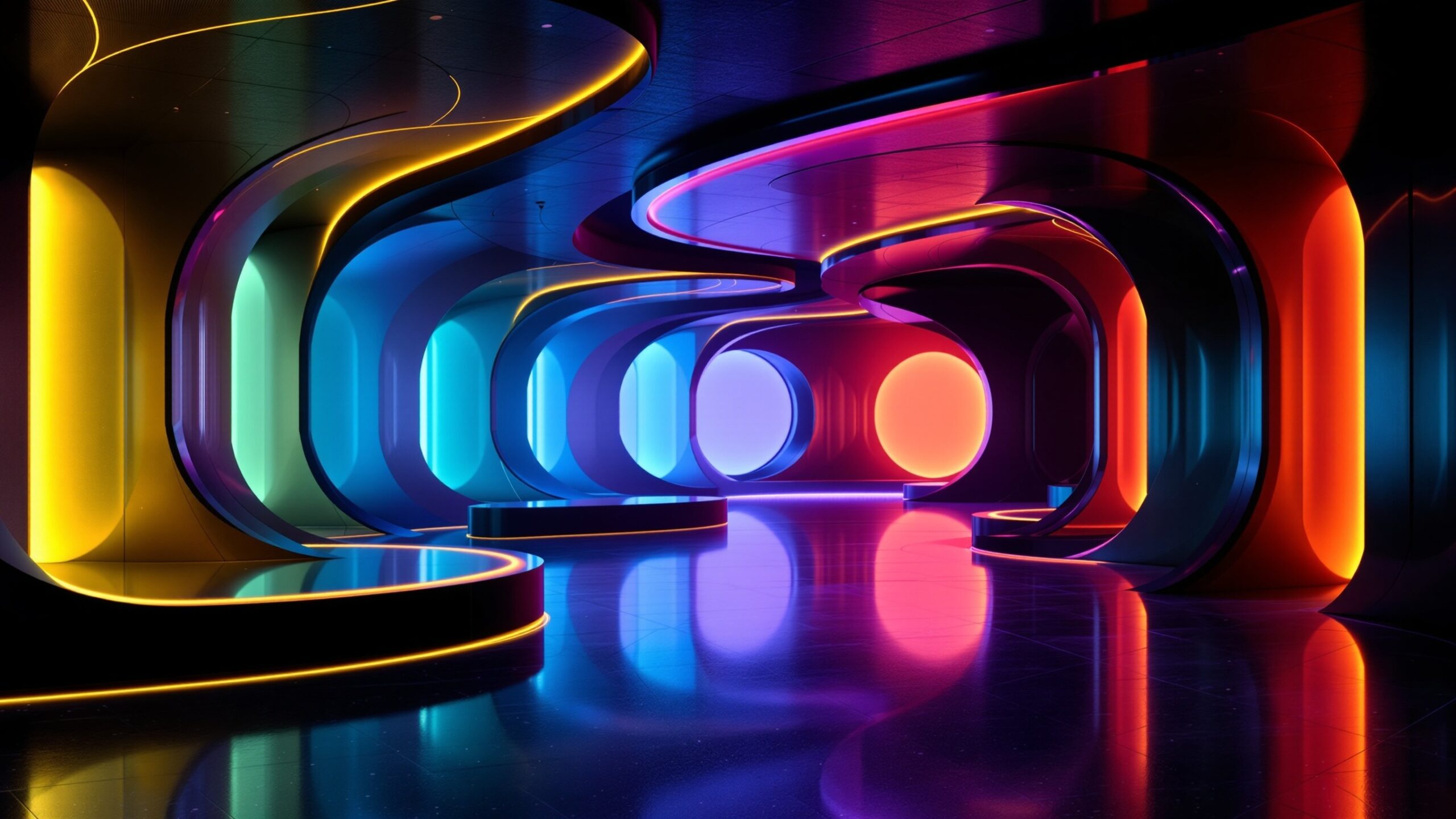
Colors, textures, lighting, sound, scent, and spatial flow all work as emotional tools. Warm tones soothe while bold palettes energize. Low lighting evokes intimacy while bright lighting drives alertness. Organic materials create a natural connection, while sleek metals communicate modernity or futurism. Even subtle sensory choices—a faint scent of citrus or lavender, ambient soundscapes of forest or ocean, soft gradients of indirect lighting—shape how a guest feels before they realize it.
Emotionally resonant theming works because it mirrors the way our brains process experience. People assign meaning based on surroundings. When a space intentionally cues a desired feeling—comfort, adventure, nostalgia, curiosity—that environment becomes emotionally framed. Once that emotional state is set, everything experienced afterward is perceived through that lens. This is powerful design at its most human level.
Storytelling Through Space: The Hidden Narrative Behind Great Themes
Every memorable theme carries a narrative, even when it is never spoken aloud. The best storytelling in environmental design happens through implication—through the details that signal a world, a time, a culture, or an idea. Theming uses design as a language to convey story chapters across space: the entrance sets the premise, the main area expands the theme’s tone, and the transitions between zones become story beats that guide the visitor’s emotional arc.
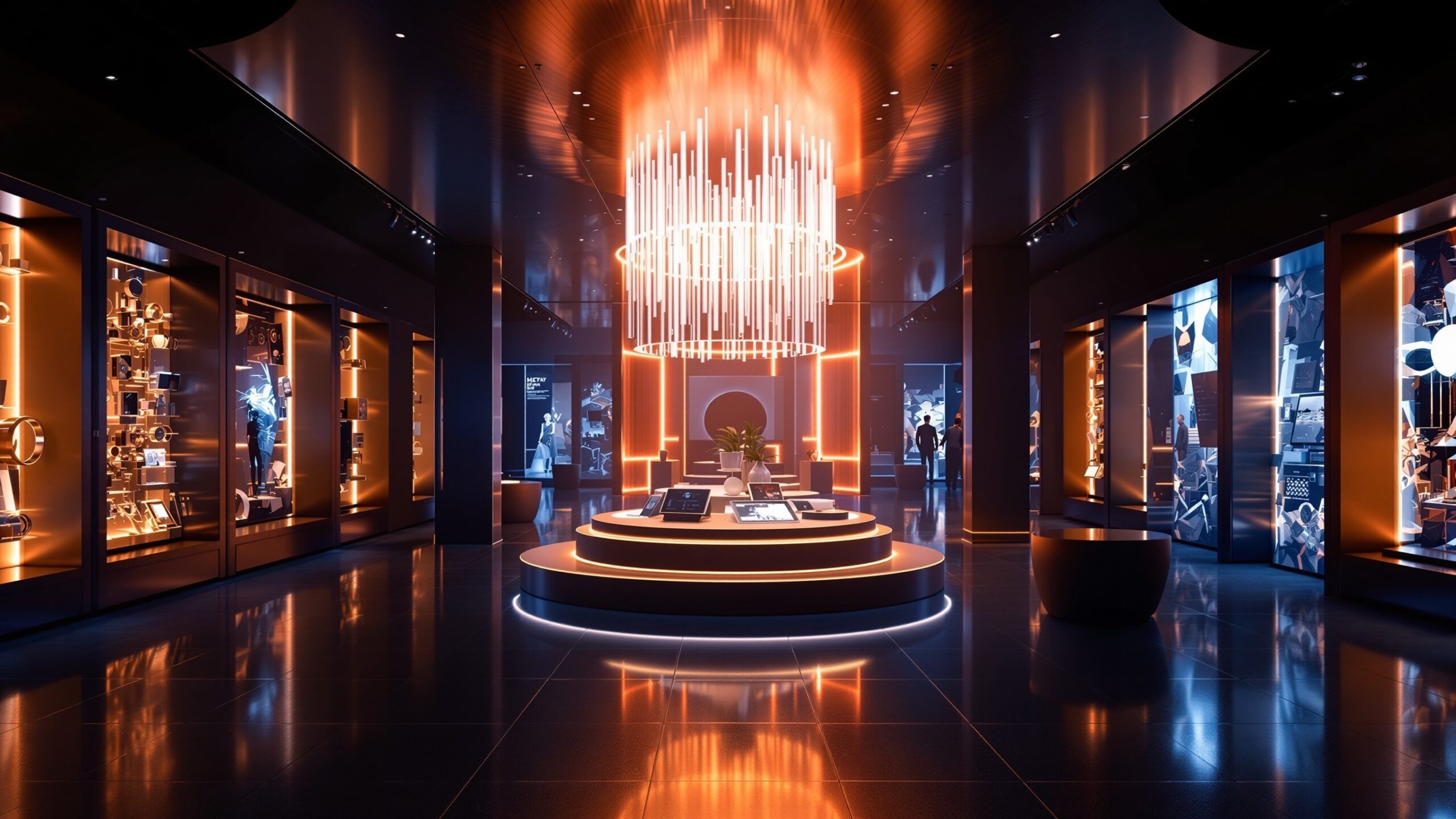
Restaurants use thematic storytelling to define identity. A Mediterranean bistro might evoke a coastal village through whitewashed stone, rustic wood textures, and soft golden lighting that mimics sunset warmth. Retail spaces use narrative to deepen brand personality. A technology store that adopts a futuristic theme communicates innovation before a customer even touches a device. Hospitality uses storytelling to immerse guests in worlds that feel both transformative and inviting, whether that means mid-century luxury, urban minimalism, or a lush tropical escape.
Even corporate environments have embraced narrative-driven theming. Modern workplaces tell stories about culture, values, and creativity using spatial design. A company that values innovation might theme its space with bold geometric architecture and kinetic installations. One that values wellness might incorporate nature-inspired design, biophilic elements, and calming color palettes. These narratives influence how employees perceive their roles, their company, and their daily experiences. Theming doesn’t just tell a story; it creates a world where people are characters in it. That sense of narrative immersion transforms a simple environment into a living experience.
Memory-Making Architecture: Why Themed Spaces Become Unforgettable
People rarely remember generic environments. They remember emotional moments—and theming is the catalyst that turns a place into a memory. A strong theme acts like a “memory hook,” anchoring specific experiences in the mind and making recall brighter, richer, and more detailed. Whether that experience is a family trip to a themed hotel, a special dinner in a charmingly immersive restaurant, or even a day at a uniquely branded workspace, themed environments make the memory more vivid.
Memory experts have long understood that our brains encode experience based on novelty, emotional impact, and sensory detail—three pillars of themed design. When a space activates multiple senses, those experiences become layered in the brain. If the lighting, sound, textures, and visuals feel distinctly crafted, the brain interprets the environment as out of the ordinary and stores it with higher priority. This is why a themed restaurant can become someone’s favorite place for celebrations or why a cleverly designed store layout remains clear in memory long after the shopping trip.
Theming also reinforces memory by aligning with the stories people tell afterward. A well-themed environment becomes a shareable moment. Guests describe it, post about it, photograph it, and revisit the emotions they felt. The environment becomes part of the narrative of their life—and in doing so, extends the reach and value of that space far beyond its physical walls.
The Psychology of Immersion: How Themes Influence Behavior and Perception
Theming is more than visual expression—it is behavioral choreography. Immersive design uses psychological principles to guide how people move, interact, and engage with a space. Designers think about pacing, sightlines, sensory triggers, and emotional peaks to create a controlled but natural flow.
For example, muted lighting and soft materials in a spa slow a visitor’s pace almost instantly. Vibrant lighting and rhythmic sound drive excitement in entertainment venues. Retail environments use theming to direct attention toward featured items, create zones with specific emotional tones, and subtly influence spending behavior. Museums leverage thematic transitions to encourage learning, curiosity, and intuitive exploration. Even airports increasingly use themed environments to reduce stress and guide passengers smoothly through wayfinding.
Theming creates perceptual shifts as well. A room designed with upward architectural cues can make ceilings feel taller and spaces feel airier. A themed environment that incorporates natural forms or organic patterns can reduce stress levels, improving well-being and cognitive clarity. These perceptual changes enhance a person’s physical and emotional comfort, and because the cues align with the theme’s intention, the environment becomes deeply coherent and satisfying to the user. When the theme is aligned with purpose, behavior naturally follows. This is the essence of immersive experience design.
Cultural Identity and Sense of Belonging: Theming as an Expression of Community
Themes can define a culture—sometimes literally. Cities and neighborhoods often build thematic identities to express their history, values, or character. A historic district may preserve architectural consistency to maintain its theme of old-world charm. A coastal town may adopt marine-inspired theming to reinforce its connection to the sea. Even modern urban districts use theming to create a sense of place, crafting identities that attract tourism, business, and community engagement.
On a personal level, themed environments foster belonging by creating familiarity. When a visitor recognizes cultural cues—whether tied to geography, tradition, or symbolism—they feel more connected to the space. Hospitality and retail brands often incorporate culturally rooted theming to establish authenticity, making guests feel seen and valued while offering a meaningful experience.
Theming can bridge cultural gaps as well. Certain environments blend global influences to create hybrid narratives that feel inclusive and contemporary. These spaces appeal to culturally diverse audiences while maintaining coherence and emotional resonance, offering a shared environment where everyone feels welcome.
The Multisensory Symphony: How Theming Activates All Five Senses
While theming is often associated with visuals, the true depth of immersion occurs through multisensory layering. Engaging all five senses anchors emotion and memory far more powerfully than visuals alone.
A themed environment may use ambient scent to trigger nostalgia, such as the aroma of baking bread in a restaurant or the scent of cedar in a wilderness-themed resort. Tactile materials like stone, wood, velvet, or brushed metal invite physical interaction, grounding the guest in the environment’s physicality. Soundscapes contribute dramatically to immersion: coastal themes use soft waves, cafés use the warm hum of conversation, tech-focused brands use subtle futuristic tones.
Temperature, airflow, and humidity also contribute as often-overlooked sensory elements. Warmth can make a space feel welcoming, while cooler air can evoke crisp, clean, modern energy. Even the feel of a space—open or intimate, airy or grounded—comes from sensory orchestration. When theming aligns these layers in harmony, the environment becomes not just a setting but an emotional experience that surrounds the visitor completely.
Brand Identity and Theming: How Companies Create Loyalty Through Experience
Brands today are not built on products alone. They are built on emotional experience—and theming is one of the most powerful tools for shaping those experiences. Themed environments allow brands to manifest personality in three dimensions, transforming their values, mission, and message into a tangible world.
Retailers use theming to create storytelling-based shopping. Tech brands use futuristic minimalism to communicate precision and innovation. Boutique shops lean into hyper-detailed theming to create charm, mystery, or nostalgia. Even online-first brands increasingly design experiential pop-ups that rely heavily on theming to bring their digital identity into the real world.
Theming influences consumer perception, behavior, and loyalty. When customers feel emotionally engaged, they associate the brand with positive experiences. This increases trust, boosts return visits, and strengthens brand memory. Theming becomes a key business strategy—one that differentiates companies, elevates their presence, and creates lasting customer relationships.
The Role of Theming in Hospitality: Turning Stays Into Journeys
Hotels, resorts, and restaurants rely on theming not only for aesthetic impact but to shape the entire guest journey. A themed environment creates atmosphere the moment a guest walks in, from the lobby to the rooms to the dining areas. Hospitality theming sets expectations and acts as a promise: the guest is invited to step into a curated experience.
A mountain lodge uses wood textures, stone fireplaces, and warm lighting to evoke comfort and retreat. A modern luxury hotel uses clean lines, reflective surfaces, and ambient light to convey sophistication and repose. Resorts that adopt cultural or location-based theming immerse guests in the spirit of a place, offering them both escape and connection. Hospitality theming also clarifies service personality. A playful, youth-oriented theme sets an energetic tone. A wellness-based theme encourages calm, mindfulness, and restoration. Theming defines the emotional environment, and the emotional environment shapes the stay.
Digital Theming and the Rise of Virtual Experience Design
Theming is no longer limited to physical environments. Digital spaces—apps, websites, virtual stores, VR experiences, and interactive displays—use thematic design to guide emotion, usability, and engagement. Digital theming involves visual language, motion, sound, branding, and interface architecture that create virtual worlds as immersive as physical ones.
This shift has redefined experience design. A digital product can feel futuristic, artisanal, luxurious, playful, or serene based on its thematic cues. Virtual retail is emerging as a new frontier where brands create thematic “worlds” customers can explore. Even remote work platforms use theming to establish atmosphere, improve focus, or spark creativity. Digital theming has become essential for brand consistency. When physical and digital environments share thematic DNA, the experience becomes unified and memorable—bridging the divide between real and virtual.
The Future of Theming: Deeper Immersion, Smarter Spaces, and Emotional Intelligence
Theming is evolving rapidly as technology reshapes how spaces communicate with people. The future promises environments that are not only immersive but adaptive. Lighting will shift based on emotional cues. Soundscapes will respond to movement. Surfaces may change color or texture dynamically. AI-driven theming could personalize experiences based on guest profiles, moods, or needs.
We will see more hybrid environments where digital overlays interact with physical architecture. Projection mapping, AR layers, ambient intelligence, and responsive design elements will make themes richer and more alive. Spaces in retail, hospitality, workplace, and entertainment will become fluid worlds—shifting, adapting, and personalizing in real time. Most importantly, theming will continue to center on emotion. Future designers will explore deeper psychological insights to craft experiences that reduce stress, spark creativity, enhance well-being, and strengthen human connection. Theming will evolve from visual immersion into emotional intelligence.
Why Theming Matters More Than Ever
Theming is far more than aesthetic expression. It is emotional engineering. It is memory-making architecture. It is sensory storytelling. It is behavioral psychology translated into design. Whether subtle or dramatic, theming shapes the way people feel, remember, and engage with the world around them. In an era where experience is everything, themed environments help brands stand out, help communities find identity, and help individuals connect with spaces on a deeper, more meaningful level. Theming elevates the ordinary into the extraordinary, transforming moments into memories and places into experiences. As modern life continues to accelerate, theming offers something rare: environments that invite us to pause, feel, explore, reflect, and imagine. And that is why theming—thoughtful, immersive, and emotionally rich—has become one of the most powerful forces in shaping how we live, work, travel, and dream.