A New Era of Experience-First Design
Modern environments are no longer passive backdrops. They are dynamic stages, crafted to evoke emotion, amplify identity, and transform the way people interact with a space. Whether you’re stepping into a retail flagship, a boutique hotel lobby, a theme park attraction, an office lounge, or a modern gallery, immersive theming is the invisible hand guiding your senses and shaping your perception. It turns ordinary environments into impactful journeys—places people talk about, remember, and return to. In a world saturated with content and stimuli, theming emerges as a powerful design language capable of cutting through digital static and creating real-world moments that feel impossible to replicate. Immersive theming is no longer just for entertainment or tourism; it’s exploding into virtually every sector. Designers, architects, brand strategists, visual merchandisers, and experience professionals now leverage layered environments as a competitive advantage. Consumers, guests, and visitors crave depth, authenticity, and emotional storytelling, and spaces that embrace immersive theming satisfy that desire. By crafting worlds that feel coherent, sensory, and intentional, theming transforms the quality of engagement—from casual interest into full sensory connection.
A: Define the narrative and emotional goal before designing any visuals.
A: It’s essential—lighting creates atmosphere, depth, and emotional tone.
A: Absolutely. Smart lighting, layered textures, and focused storytelling work wonders.
A: Not always—repurposed items can be transformed through scenic art.
A: Costs vary; smart design can achieve impact without large budgets.
A: Inconsistency—one out-of-place element can break immersion instantly.
A: Timelines range from weeks to months depending on complexity.
A: Yes—projection, AR, smart lights, and soundscapes amplify storytelling.
A: Retail, hospitality, entertainment, museums, offices, and residential spaces.
A: Extremely—scent is linked to memory and can define the atmosphere instantly.
What Makes Theming Truly Immersive?
Immersive theming isn’t about props or decorations. It’s about transporting people into a consistent narrative universe where every detail is part of the story. It is carefully orchestrated environmental design that merges physical form, sensory feedback, emotional cues, and spatial storytelling. When it’s done well, the boundary between design and experience dissolves, and visitors feel fully enveloped in a world.
A truly immersive theme is holistic. It extends from architecture to lighting, from color palettes to soundscapes, from wayfinding to material choice, from scent to spatial rhythm. It creates cohesion so seamless that the entire environment feels alive and intentional. A space might evoke an enchanted forest, a futuristic tech lab, a coastal escape, a vintage study, or even an abstract expression of sound or movement. Immersion comes from the dialogue between design elements—not any one piece standing on its own.
The effectiveness of theming also hinges on emotional resonance. A theme must be compelling, relatable, and able to create a sense of place. A great theme establishes mood instantly. Visitors don’t just see a design; they step into a world and feel something shift. This emotional spark is what drives memory formation and sets immersive spaces apart from conventional design.
Why Immersive Theming Matters in Today’s World
The rise of immersive theming is more than a design trend. It reflects a cultural shift in the way people engage with their surroundings. Experiences matter more than ever, and environments are expected to do more than simply function—they need to inspire, entertain, soothe, energize, or educate. As daily life becomes increasingly digital, physical spaces carry the responsibility of offering connection, texture, and meaning.
In retail, immersive theming delivers an antidote to the monotony of online shopping by turning stores into experiential destinations. In hospitality, themed environments transport guests into curated moods that elevate comfort and delight. In workplaces, theming shapes creativity, productivity, and company culture by transforming corporate spaces into branded experiences. In entertainment and attractions, it remains the foundation of world-building—guiding storytelling and emotional immersion. And in public spaces—from parks to museums to event venues—immersive theming fosters community, curiosity, and exploration. Ultimately, theming matters because humans crave stories. Immersive environments allow us to physically enter a story, participate in it, and carry it with us long after we leave.
The Evolution of Modern Theming
Theming has traveled far beyond the literal set-building roots of early amusement parks. Today’s approach draws from multiple disciplines—architecture, interior design, psychology, branding, sound design, lighting engineering, and digital interactivity. Technology has drastically expanded what theming can accomplish, blending physical and digital elements into hybrid experiences. Projection mapping, interactive displays, QR-triggered content, scent diffusion systems, programmable lighting, and responsive audio environments now enable spaces to shift mood on command.
Yet despite technological advancement, the heart of theming remains grounded in human emotion. Modern theming is no longer limited to fantasy realms; it explores minimalism, nature, culture, nostalgia, futurism, abstraction, and sensorial art. Designers can craft environments that feel real, surreal, or somewhere beautifully in between. The line between design and storytelling has blurred, creating a new era where a space is not just built—it is authored.
Storytelling as Spatial Architecture
Every immersive environment begins with a narrative. This narrative may be overt, subtle, symbolic, or conceptual. It can revolve around a fictional universe, a cultural moment, a brand ethos, or an emotional intention. Storytelling isn’t decoration—it becomes the structural foundation of the space.
A themed space might tell the story of rejuvenation through materials inspired by nature. It might express innovation through sleek geometric lines and ambient light. It can communicate luxury through sculptural forms, deep color palettes, and fine textures. Or it might explore curiosity and creativity through playful shapes and unexpected transitions. When narrative drives design, a space gains coherence and emotional gravity. The result is not just beautiful—it’s meaningful. Good storytelling also guides flow and behavior. Visitors instinctively move through a space the way an author might guide a reader through chapters. This creates intuitive engagement and enhances usability while deepening emotional impact.
The Sensory Science Behind Immersion
Immersive theming is a full-body experience. It engages senses simultaneously, activating the human brain’s natural pathways for memory and emotion. The more senses a space stimulates, the more fully it captures attention and becomes unforgettable. Sight sets the initial impression. Lighting temperature, luminance, contrast, hue, shadow, and movement determine mood and atmosphere. Materials and finishes add texture and visual richness, while color psychology shapes emotional response.
Sound shapes the soul of a space. Ambient soundscapes, subtle music layers, directional audio, or spatial acoustics can transform perception dramatically. A themed environment can sound airy, grounded, futuristic, tranquil, or energetic depending on its purpose. Scent is one of the most powerful memory triggers. A signature aroma can instantly distinguish a brand or environment. Designers use this intentionally to establish emotional continuity.
Touch invites interaction. Whether it’s soft seating fabrics, polished stone, warm wood, or sculptural surfaces, tactile elements reinforce immersion by grounding visitors in the physical world. Even temperature and airflow influence storytelling. A cool environment might evoke a futuristic theme, while warmer lighting and airflow enhance environments designed for comfort or nostalgia. When sensory inputs move in harmony, immersion becomes instinctive and seamless.
Immersive Theming in Retail: Turning Stores into Destinations
Retail is undergoing a transformation. With e-commerce dominating convenience shopping, physical stores now serve a different purpose: they must deliver experiences that cannot be replicated online. Immersive theming is the advantage brick-and-mortar has been waiting for.
Themed retail environments can turn shopping into narrative exploration. A sneaker store can feel like a futuristic laboratory of motion. A high-end fragrance shop can mimic the atmosphere of an exotic botanical garden. A wellness brand can craft a sanctuary of calm using organic materials, soft light, and curated soundscapes. Even budget-friendly retail spaces can deliver thematic cohesion through color, lighting, signage, and layout. Immersive retail design increases dwell time, fosters emotional connection, drives purchase intent, and elevates brand identity. It transforms stores from transactional spaces into memory-rich environments that shoppers actively seek out and share.
Immersive Theming in Hospitality: Crafting Emotional Getaways
Hotels, resorts, and hospitality spaces thrive on transportive experiences. Theming enables them to construct atmospheres that feel distinct, aspirational, and deeply personal. A themed lobby sets the emotional tone for the entire visit. Rooms become extensions of the core narrative, ensuring guests feel enveloped in a curated world.
Boutique hotels often excel in thematic cohesion, embracing design narratives ranging from industrial chic to tropical modernism to art-inspired surrealism. Large resorts use theming to create expansive journeys, from restaurant design to pool decks to spa environments. Even subtle theming—like a color-driven mood strategy—can elevate a hospitality space from standard to transformative. Immersive theming heightens guest satisfaction, encourages repeat visits, increases social media visibility, and strengthens brand loyalty. Instead of offering a place to stay, hospitality spaces provide a story to live inside.
Immersive Theming in Workspaces: Inspiring Productivity and Culture
Workplaces are rapidly evolving from static offices into experience-rich environments designed to support creativity, collaboration, and well-being. Theming helps articulate company values and bring organizational culture to life. A workspace that visually communicates innovation, sustainability, community, or craftsmanship sends a message to both employees and visitors.
Themed offices can enhance productivity by shaping zones dedicated to focus, relaxation, brainstorming, or connection. A wellness-centered theme might feature biophilic design and natural textures to reduce stress. A tech-driven theme may incorporate sleek materials, lighting theatrics, and interactive displays to energize the environment. A creative studio might embrace bold colors, playful shapes, and flexible layouts to spark imagination. Immersive theming ensures the workspace feels intentional, meaningful, and aligned with its mission. Employees feel more connected to their environment—and ultimately, more connected to their work.
Immersive Theming in Entertainment and Attractions
In entertainment, theming is the backbone of world-building. Theme parks, museums, exhibitions, and experiential events rely on it to craft journeys that unfold through space. These environments elevate storytelling from something you watch into something you physically enter. Every transition—from one room to the next, one zone to the next—serves as a chapter in a larger narrative.
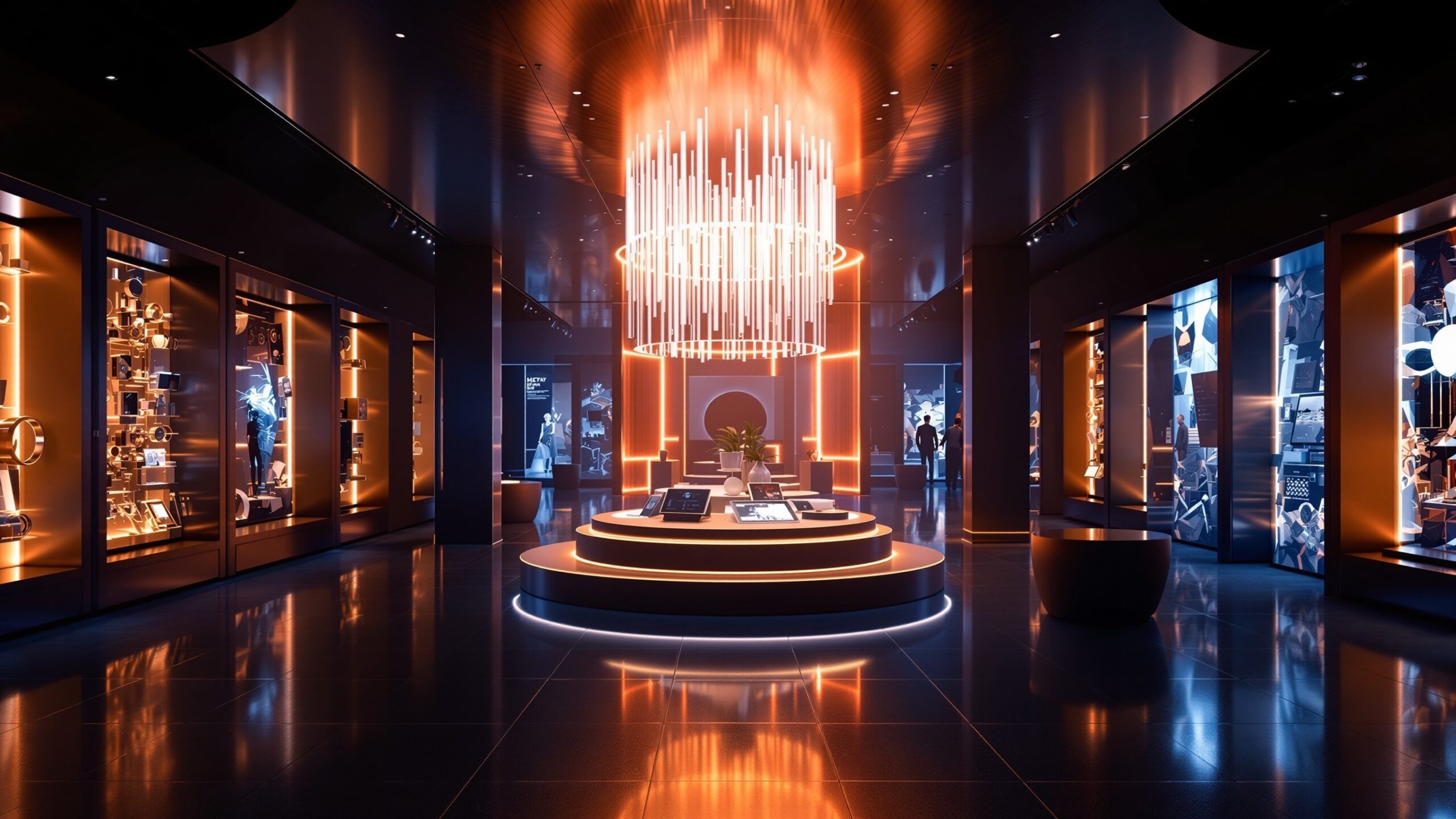
Today’s entertainment theming blends artistry and advanced technology. Projection mapping transforms walls into living canvases. Holographic elements create illusions that feel real. Interactive floors, responsive lighting, and multisensory effects deepen immersion. The result is not just entertainment—it’s emotional impact at scale.
Immersive attractions foster childlike wonder in adults and limitless imagination in younger audiences, making them one of the most powerful examples of theming’s potential.
Brand Identity and Themed Environments
Every brand is a story, and immersive theming is how that story becomes spatial. Themed environments offer brands a chance to communicate values, personality, and mission without a single word. Color choices signal identity. Material palettes convey quality. Layout communicates values like openness, curiosity, luxury, or efficiency. Lighting articulates mood. Sound and scent add character.
Brands that embrace thematic cohesion create memorable experiences that reinforce recognition. A visitor doesn’t need to see a logo to know where they are—the environment itself becomes the brand. Theming also strengthens emotional loyalty. People gravitate toward brands that make them feel something. A well-themed space creates feelings customers associate with the brand long after they leave.
Cultural Storytelling and Theming
Immersive theming can be a powerful tool for celebrating culture, heritage, and community identity. Public parks, museums, cultural centers, and historical spaces can use theming to bring stories to life in ways that are accessible, authentic, and engaging. Theming enables visitors to not only learn but feel the significance of cultural narratives.
This form of theming must be approached with respect, collaboration, and accuracy. When executed thoughtfully, it becomes a meaningful bridge between past and present, connecting communities to their roots and visitors to new perspectives.
Designing for Emotional Impact
Immersive theming is ultimately a craft of emotion. Designers must ask: What should visitors feel when they enter this space? Awe? Calm? Excitement? Nostalgia? Curiosity? Luxury? Comfort? Whimsy? Mystery? Emotional intention shapes every design decision. Warm lighting sparks coziness. High contrast energizes exploration. Organic textures soothe. Metallic finishes communicate precision or futurism. Expansive layouts evoke freedom, while intimate corners encourage reflection. Spaces designed with emotional clarity resonate deeply because they feel human. They speak to the heart as much as the eyes.
The Future of Immersive Theming
Immersive theming is accelerating as technology and design thinking evolve. The future points toward hybrid worlds where digital overlays transform physical environments effortlessly. Spaces will become programmable; lighting, sound, projections, and environmental effects will shift themes fluidly depending on time of day, guests present, or experience goals.
Personalized themes—triggered by smartphones, RFID, or AI-driven preferences—may allow visitors to shape their own version of an environment. A hotel room could morph into a serene retreat one evening and a vibrant creative zone the next morning. Retail stores may shift themes based on product launches or seasonal narratives. Workspaces may adapt ambient settings to match cognitive needs. At the same time, sustainability will define the future of theming. Designers will innovate with eco-friendly materials, modular systems, low-energy lighting, and digital overlays that reduce physical waste. Theming will become not just immersive—but responsible.
The Lasting Power of Immersive Worlds
Immersive theming transforms how we live, connect, shop, work, relax, and experience the world. It goes far beyond décor—it is the art of crafting meaning, emotion, and storytelling through space. As modern life becomes increasingly virtual, the demand for memorable physical experiences continues to grow. People crave environments that feel alive, intentional, and imaginative. The power of immersive theming lies in its ability to turn any environment into a world with depth and purpose. It invites visitors to step into a story and become part of it. It elevates everyday spaces into unforgettable places. It inspires curiosity, sparks emotion, and creates experiences that linger in memory long after the moment has passed. Immersive theming is not just shaping modern spaces—it is shaping the future of how we engage with the environments around us. And as designers continue to push boundaries, the worlds we step into will only become more breathtaking, more meaningful, and more beautifully immersive.