The Psychology Behind Great Themed Environments
Themed environments aren’t just visually appealing—they’re emotional engines. They pull us into new worlds, reshape how we think and feel, and transform simple spaces into unforgettable experiences. Whether it’s a restaurant designed to evoke nostalgia, a wellness spa wrapped in serene tones, a theme park transporting visitors into imagined kingdoms, or a museum that turns learning into discovery, the most successful themed environments are built on a deep understanding of human psychology. These spaces do more than decorate; they choreograph emotion, guide behavior, and embed themselves into memory. Behind every compelling theme lies a complex interplay of sensory cues, cognitive patterns, cultural triggers, and intentional storytelling. Understanding this intricate science reveals why some places feel magical while others fall flat. This article explores the psychological strategies master designers use to shape mood, craft narrative, and deliver immersive experiences that resonate long after visitors leave. It’s a look behind the curtain at why theming matters—why it works—and how the psychology behind great themed environments quietly influences us from the moment we step inside.
A: Consistency across sensory elements and strong emotional intent.
A: It directs attention, sets mood, and shapes how the brain interprets space.
A: Absolutely—micro-theming and sensory cues often outperform large, empty rooms.
A: Exposed infrastructure, inconsistent design, or real-world intrusions.
A: Extremely—scent is tied to memory and emotional recall.
A: Soundscapes bridge gaps, mask real-world noise, and reinforce thematic beats.
A: Gradual shifts in light, audio, and texture instead of abrupt changes.
A: They tap into familiar emotional patterns, memories, and cultural images.
A: They need emotional believability more than literal accuracy.
A: By layering discoveries, surprises, and interactive elements.
The Power of First Impressions: Designing for Immediate Emotional Impact
Humans form emotional impressions in a matter of seconds. Before we consciously recognize what we’re seeing, our brains have already judged the space, categorized it, and generated a feeling. This “emotional snapshot” is the foundation on which all later experiences in the environment will build. Great themed spaces understand this moment intimately—they know it’s their single most powerful opportunity to captivate the visitor.
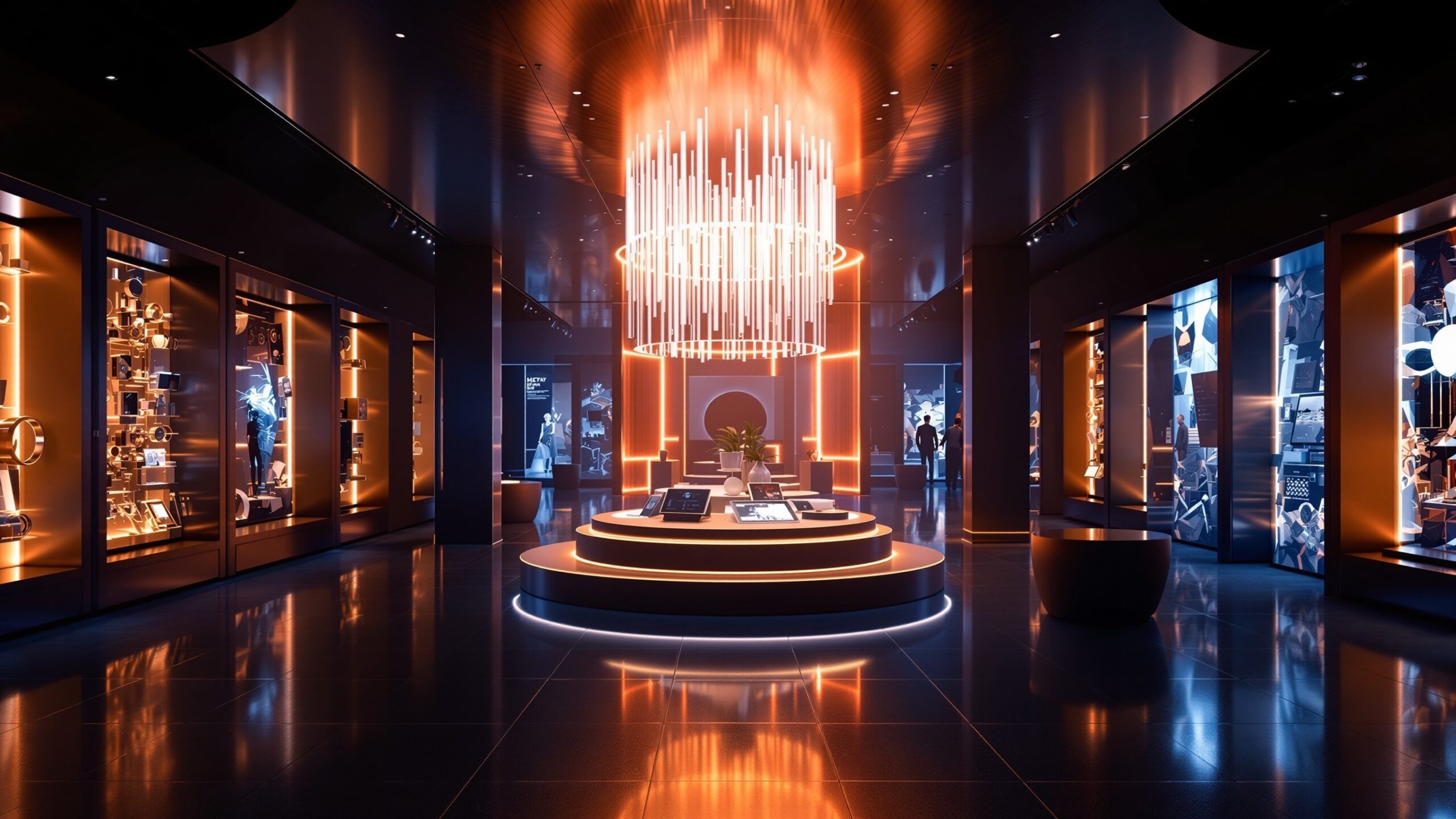
From the instant someone crosses a threshold, everything matters: the temperature shift, the lighting tone, the ambient sound, the scent in the air, the movement of people, the scale of the space. Theming leverages all of these elements to create a cohesive emotional launch point. A fantasy-themed attraction might open with warm lighting, organic textures, and soft orchestral music to signal wonder and safety. A futuristic-themed environment may use cool tones, clean lines, and subtle electronic hums to nudge the mind toward curiosity and anticipation.
This carefully shaped first impression primes the brain for immersion. By establishing an immediate emotional direction, designers build trust with the visitor. The brain relaxes, curiosity is awakened, and the senses become more receptive to detail. When people step into a themed space and instantly feel transported, it’s not an accident—it’s deliberate psychological engineering.
The Role of Sensory Integration: How Multi-Sensory Design Drives Immersion
Themed environments are most powerful when they speak to all the senses. The human brain processes experiences holistically, blending sight, sound, scent, touch, and even taste into one cohesive emotional narrative. This means a visually stunning space will feel incomplete if it isn’t supported by complimentary sensory cues. Sight delivers the storyline—the shapes, colors, props, and architectural details that define the world. But sound is what makes that world breathe. Subtle auditory layers can instantly elevate immersion: distant chatter in a market-themed restaurant, soft nature sounds in a garden spa, or echoing metallic textures in a sci-fi corridor. Meanwhile, scent is one of the most direct triggers of memory and emotion. The smell of cedar, ocean mist, citrus, or spices can instantly place visitors somewhere else entirely and anchor that moment in long-term memory.
Touch plays an underrated role as well. The texture of materials—smooth marble, coarse wood grain, soft fabrics, cold metal—reinforces authenticity. Even temperature contributes: a cool entryway may suggest sleek modernity, while a warm interior signals coziness and comfort. The most memorable themed spaces weave these sensory channels together into a synchronized emotional script. When all signals support the theme, the brain stops questioning the environment and begins participating in it. This is the true threshold of immersion, where a visitor becomes part of the world rather than simply observing it.
Environmental Storytelling: Crafting Narratives Through Space
One of the most fascinating psychological tools in themed environments is the ability to tell stories without words. Environmental storytelling uses architecture, spatial flow, props, lighting, and visual cues to communicate narrative in ways the brain intuitively understands. People naturally seek patterns, meaning, and sequence—great themes leverage this instinct to pull visitors deeper into the experience. A themed hotel lobby, for example, might introduce its narrative with grand architectural statements while hallways and common spaces add layers of detail, eventually leading to rooms that serve as personal chapters of the story. Theme parks are perhaps the most explicit examples of environmental storytelling, where every land, queue, and ride builds a narrative arc through space, anticipation, and reveal.
But storytelling exists in more subtle environments as well. Retail stores use layered design to suggest brand identity and lifestyle aspirations. Restaurants tell cultural or historical stories through décor, lighting, and music that set the scene for dining. Corporate environments may weave brand values and innovation narratives into their workplace themes, connecting employees emotionally to the company mission. Effective environmental storytelling gives every design decision purpose. Nothing is random. Every element, from a worn-down sign to a hidden mural, reinforces the world. These details signal to the brain that the environment is alive, complex, and worth exploring. When visitors feel they’re uncovering a story rather than being presented with one, immersion deepens and emotional engagement intensifies.
The Psychology of Color: Emotional Palettes That Shape Human Behavior
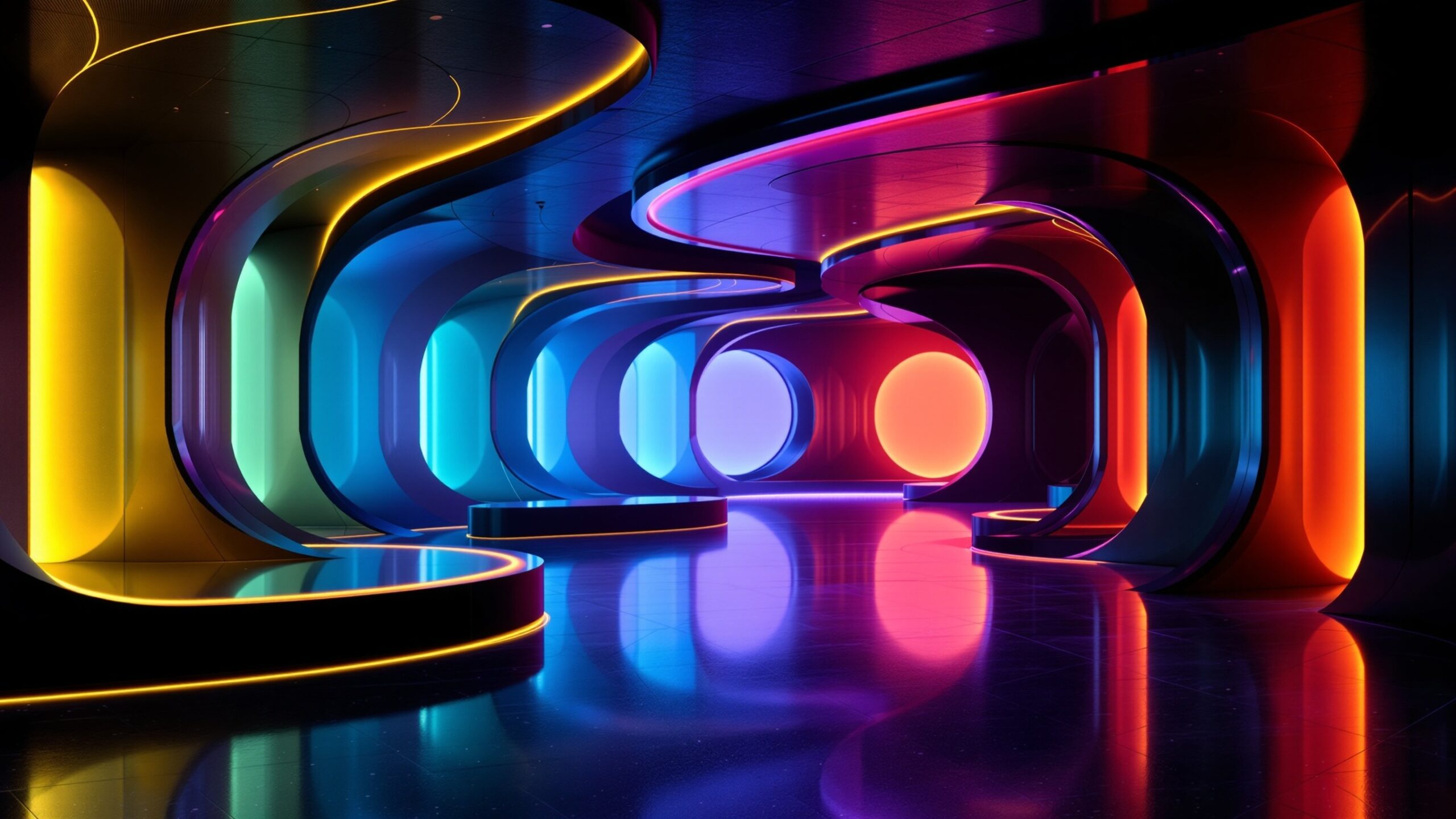
Color psychology plays an enormous role in shaping themed environments. Humans are biologically wired to associate certain colors with specific emotions, cultural meanings, and physical states. Themed spaces use these color-emotion connections to guide mood, focus, energy, and perception. Warm colors such as gold, amber, and red can create feelings of excitement, intimacy, and nostalgia. They’re commonly used in themes that aim to evoke comfort or romance. Cool tones like blue, silver, and violet promote calm, clarity, and futuristic impressions. Earthy tones—greens, browns, neutrals—signal nature, authenticity, and grounded warmth.
Beyond emotional associations, colors influence behavior. Bright, vibrant hues can stimulate activity and conversation, while muted palettes encourage quieter reflection. Dark tones can create mystery and drama, whereas lighter colors open spaces and make them feel airy and inviting. In themed environments, color is never simply decorative. It’s one of the primary psychological levers that determines how people feel in a space, how long they stay, and how deeply they engage. When color is in harmony with the theme, narrative, and sensory cues, the emotional impact is profound.
Cognitive Mapping: Guiding People Through Space Without Confusion
A great themed environment doesn’t just look and feel incredible—it also works. Visitors need to navigate the space intuitively, without constantly searching for signs or becoming overwhelmed. This is where cognitive mapping comes into play, the brain’s natural process for building internal “maps” of environments. Designers use spatial psychology to shape pathways, sightlines, and architectural cues that subconsciously guide behavior. Curved walkways, framed views, and strategic lighting can lead visitors toward focal points or important destinations. Variations in ceiling height, flooring texture, and sound can signal transitions between zones, helping visitors understand the environment without explicit instructions.
Theming enhances cognitive mapping by giving each area a clear identity. Distinct color palettes, visual motifs, or architectural styles help the brain categorize zones and remember their relationships. In theme parks, for example, each land’s unique design makes navigation intuitive even in large, complex environments. When cognitive mapping is successful, visitors feel comfortable, confident, and in control—key emotions that contribute to overall enjoyment. When it fails, frustration rises and immersion breaks. The best themed environments make navigation effortless, allowing the brain to fully engage with the story without being distracted by confusion.
Emotional Anchoring: How Theming Creates Lasting Memories
The primary power of themed environments lies in their ability to create unforgettable moments. These memories don’t form randomly—they are the result of emotional anchoring, a psychological phenomenon where experiences with strong emotional impact become deeply stored in the brain. Great themed spaces understand this and intentionally design emotional peaks. These peaks may be triggered by awe-inspiring reveals, intimate quiet moments, playful surprises, or meaningful personal interactions. The combination of sensory richness, narrative depth, and environmental detail strengthens the memory encoding process, creating durable memories that feel vivid even years later.
This is why people remember the scent of a particular restaurant, the music that played during a special event, or the way a theme park attraction made them feel. These emotional anchors become part of their personal story, creating loyalty, nostalgia, and a desire to return. Theming is powerful because it doesn’t simply create environments—it creates emotional relationships between the visitor and the space. That relationship is the heart of immersive design.
Cultural Resonance: Why Themes Feel Familiar and Meaningful
Themes often draw from shared cultural memories, symbols, or fantasies. This isn’t accidental—humans are deeply shaped by collective narratives, myths, and imagery. Themed spaces tap into this psychological foundation to create immediate familiarity and emotional resonance.
A retro-themed diner might evoke childhood memories or idealized images from movies. A rainforest-themed resort taps into universal associations with nature, mystery, and exploration. Futuristic environments draw on shared visions of technology, progress, and imagination.
When a theme aligns with cultural archetypes or emotional patterns that many people recognize, the environment becomes instantly relatable. This reduces cognitive effort, increases comfort, and enhances emotional connection.
However, the best environments don’t simply reference culture—they reinterpret it. They layer originality, surprise, and depth on top of familiar motifs, creating experiences that feel both comforting and exciting. This balance between recognition and discovery is what makes a theme feel alive rather than cliché.
The Role of Anticipation and Surprise: Designing Emotional Rhythm
Themes work best when the emotional experience has rhythm. Just as storytelling relies on suspense, climax, and resolution, themed environments benefit from a sequence of anticipation and surprise. The psychology is simple: anticipation heightens focus and emotional readiness, while surprise delivers the reward. Designers use spatial reveals, lighting changes, sound shifts, and visual transitions to create this rhythm. A narrow hallway that opens into a grand room, a dimly lit path leading to a vibrant environment, or a quiet moment followed by a scenic reveal—all of these are deliberate manipulations of emotional pacing.
This rhythm keeps visitors engaged. It prevents sensory fatigue and creates a dynamic experience that feels like a journey rather than a static setting. When surprise is used thoughtfully, it becomes one of the strongest emotional anchors in the experience.
Identity and Belonging: Why People Feel Connected to Themed Spaces
Humans naturally identify with environments that reflect their interests, aspirations, or emotional states. Themed environments—especially well-executed ones—tap into this psychological drive for identity, creating spaces where people feel seen and understood. A cozy, storybook-inspired café may appeal to someone who loves whimsy and nostalgia. A sleek modern gallery might attract those who identify with innovation and minimalism. A sports-themed lounge connects with visitors who see themselves as part of a team culture.
These environments become more than rooms—they become emotional mirrors. They reinforce personal identity, providing a sense of belonging. This is one of the reasons people take photos, share experiences on social media, and return to the same themed spaces again and again. They are not just visiting a place; they are affirming their identity within it.
The Subconscious Signals: Micro-Details That Shape Experience
Much of themed design works on a subconscious level. Small details—the weight of a door handle, the soundscape in a transitional area, the patina on a prop, the behavior of lighting over time—signal authenticity and depth. These micro-cues may not be consciously noticed, but the brain registers them and uses them to evaluate whether the environment feels believable.
When details are consistent and intentional, trust increases. The brain relaxes into the world, accepting its rules. When details contradict the theme or feel cheaply executed, the illusion breaks and immersion suffers. This subconscious acceptance is what allows people to feel transported. It’s why themed environments can feel more real than ordinary places, even though they’re often constructed with far more artifice.
The Real Magic Behind Themed Environments
The psychology behind great themed environments is a fusion of art, science, storytelling, and emotional design. These spaces work because they understand how humans think, feel, remember, and behave. They use sensory integration, cognitive mapping, environmental storytelling, cultural cues, and emotional anchoring to transform ordinary architecture into extraordinary experience.
At their core, themed environments are about connection. They connect people to feelings, to memories, to each other, and to the world that has been created around them. They invite us to suspend disbelief, embrace wonder, and experience space not just as a place—but as a story we get to step into. The magic isn’t in the props or the paint or the lighting. It’s in how those elements work together to shape psychology. When done masterfully, themed environments become more than design—they become emotional journeys. And those journeys, once experienced, stay with us long after we’ve stepped back into the real world.