How to Build Theme Installations That Last for Years
Theme installations—whether found in theme parks, museums, experiential retail spaces, exhibitions, or immersive attractions—are designed to transport audiences into carefully crafted worlds. Yet behind the magic lies a fundamental challenge: durability. A themed environment must remain visually compelling, structurally sound, and technologically reliable despite years of daily use, environmental stress, and evolving audience expectations. Unlike temporary sets or event displays, these installations are often built to perform continuously, welcoming thousands or even millions of visitors. Creating theme installations that last for years requires more than artistic vision. It demands a thoughtful blend of storytelling, engineering, materials science, maintenance planning, and long-term operational strategy. Designers must anticipate wear and tear, environmental conditions, technological obsolescence, and guest interaction patterns long before the first visitor walks through the attraction. The most successful installations are those that balance creativity with resilience. From hidden structural reinforcements to modular design strategies and maintenance-friendly systems, the longevity of a themed environment depends on decisions made during its earliest design phases. When executed properly, these installations become enduring experiences that delight guests year after year while maintaining operational efficiency and visual impact.
A: Durable materials, accessible maintenance design, and strong structural framing.
A: Story gives context to architecture, props, and experiences.
A: Equipment is concealed behind scenery, architectural elements, and service corridors.
A: Steel framing, sculpted foam, fiberglass, and reinforced concrete.
A: Scheduled repainting, protective coatings, and modular repairs.
A: Lighting shapes mood, hides flaws, and enhances storytelling.
A: A design trick that manipulates scale to create larger-than-life visuals.
A: Yes—modular systems allow technology and effects to evolve.
A: Weather-resistant coatings, UV protection, and drainage systems.
A: Consistent visuals, layered sound, lighting, and interactive storytelling.
Designing for Longevity from the Beginning
The foundation of any long-lasting theme installation begins during the conceptual design phase. Longevity should not be treated as an afterthought but as a guiding principle woven into every design decision.
Theme designers often begin by defining the narrative and emotional goals of an attraction. Once the creative vision is established, technical teams translate those ideas into practical solutions capable of surviving long-term operation. This process requires collaboration between creative directors, architects, engineers, fabricators, and operations teams.
One critical design strategy is anticipating visitor interaction. Guests naturally touch surfaces, lean on railings, photograph props, and sometimes attempt to interact with objects not intended for handling. Designing installations that withstand these behaviors helps prevent premature damage. Durable coatings, reinforced edges, and strategically placed barriers can protect delicate details without disrupting the immersive experience.
Another key consideration is environmental exposure. Indoor installations must account for temperature fluctuations, humidity levels, lighting heat, and cleaning chemicals. Outdoor installations must withstand sun exposure, rain, snow, wind, and seasonal temperature extremes. By planning for these factors early, designers can select materials and structural systems capable of maintaining their appearance and performance over time.
Longevity also depends on scalability. Installations designed with modular components can be repaired, updated, or replaced without dismantling entire scenes. This flexibility allows attractions to evolve while preserving the original artistic intent.
Choosing Durable Materials for Themed Environments
Material selection plays a defining role in the lifespan of a theme installation. While traditional stage sets often rely on lightweight materials designed for short-term use, permanent themed environments require materials capable of withstanding years of daily wear.
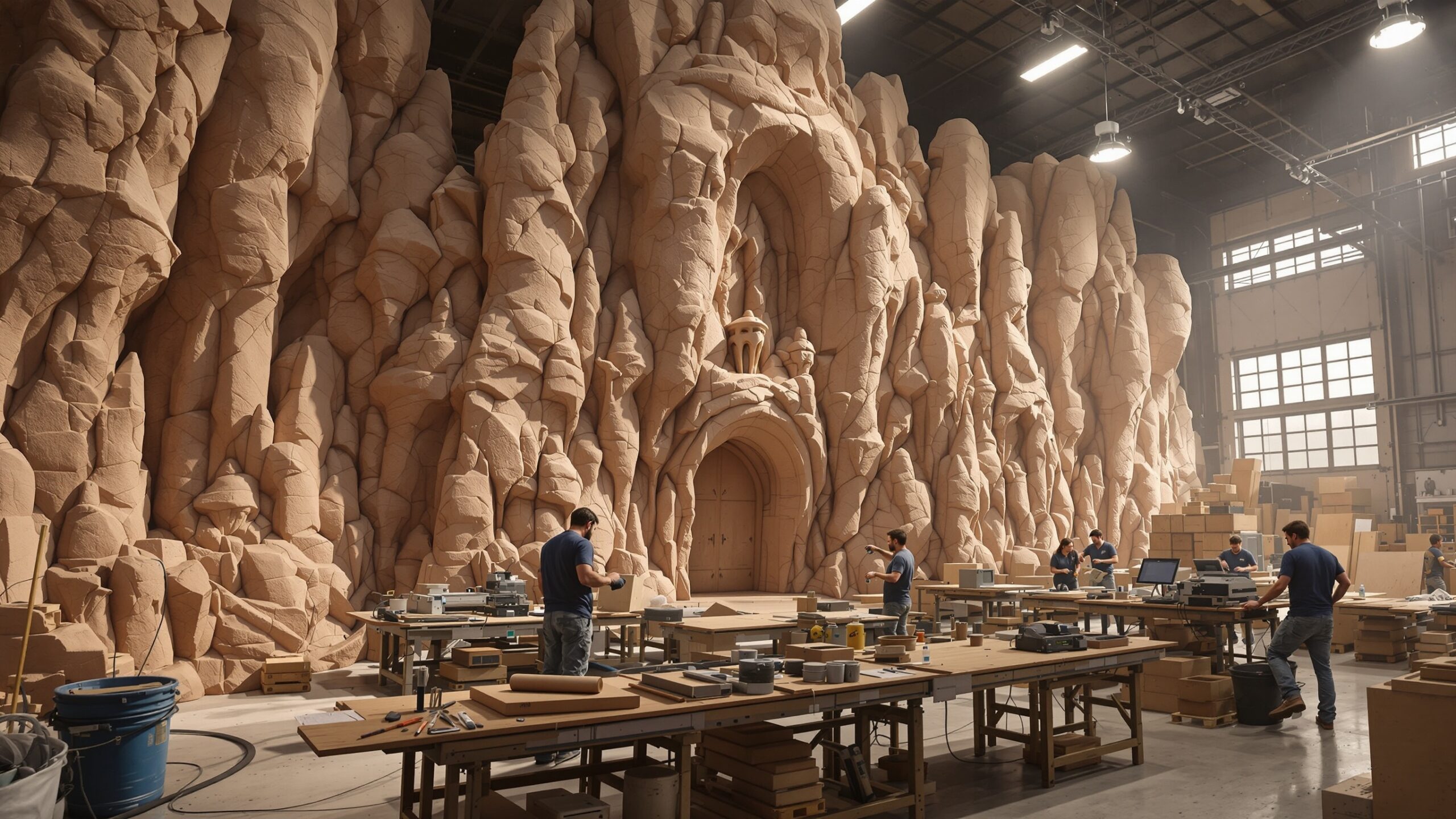
Fiberglass reinforced plastic, often called FRP, has become a staple material in themed construction due to its strength, weather resistance, and ability to replicate detailed textures such as stone, wood, or metal. Sculpted foam coated with durable hard shells is another common technique used to create lightweight but resilient structures.
Steel and aluminum provide structural stability for larger scenic elements, while treated lumber and composite materials are frequently used for substructures. In outdoor environments, corrosion-resistant metals and UV-resistant coatings are essential to maintaining structural integrity.
Surface treatments are equally important. Protective paints, sealants, and clear coatings help prevent fading, chipping, and moisture damage. High-performance coatings can mimic natural materials while providing superior durability compared to real stone or wood.
Themed environments often rely on illusion, meaning the materials guests see are not always what they appear to be. A weathered wooden beam may actually be a reinforced fiberglass casting designed to resist rot, insects, and moisture. This strategic use of materials allows installations to maintain visual authenticity while significantly extending their lifespan.
Structural Engineering Behind the Magic
While guests may admire sculpted rock formations or towering fantasy structures, the unseen engineering beneath the surface determines whether those installations remain stable for years.
Structural engineers play a critical role in theme installation design. Scenic elements must be able to withstand not only environmental forces but also human interaction. Guests may lean against railings, climb on low walls, or gather in large groups around focal points.
Load-bearing structures are typically designed using steel frameworks or reinforced internal skeletons. These frameworks anchor scenic elements to foundations while distributing weight evenly across support systems.
In many themed attractions, large sculptures or rockwork are built around internal armatures that function similarly to architectural framing. This approach ensures that even complex shapes maintain structural stability.
Wind loads, seismic activity, and long-term material fatigue are also important considerations. Outdoor installations in particular must comply with regional building codes that govern structural safety. By integrating engineering expertise into the creative process, designers can ensure that installations remain secure without compromising artistic vision.
Weather Resistance and Environmental Protection
For installations located outdoors, environmental exposure becomes one of the greatest threats to longevity. Sunlight, moisture, and temperature fluctuations can gradually degrade materials if proper protection measures are not implemented.
Ultraviolet radiation from sunlight can fade paint, weaken plastics, and dry out protective coatings. UV-resistant paints and sealants help preserve color vibrancy and surface integrity over time. Some installations also incorporate shaded areas or architectural features that reduce direct sunlight exposure.
Moisture is another major concern. Rainwater infiltration can lead to structural rot, corrosion, or mold growth if not properly managed. Effective drainage systems and waterproof membranes are essential components of outdoor installations.
Freeze-thaw cycles in colder climates present additional challenges. When water seeps into cracks and freezes, it expands and can cause structural damage. Designers address this issue by selecting flexible materials, sealing vulnerable surfaces, and ensuring adequate water runoff.
By accounting for environmental stresses during design and fabrication, themed installations can maintain their appearance and functionality even after years of exposure to the elements.
Technology Integration and Long-Term Reliability
Modern themed environments often incorporate technology such as lighting systems, audio playback, projection mapping, motion sensors, and animatronics. While these technologies enhance immersion, they also introduce additional maintenance challenges.
Reliable technology integration begins with thoughtful system architecture. Components should be accessible for maintenance and replacement without dismantling surrounding scenic elements. Hidden access panels, removable sections, and service corridors allow technicians to reach critical systems quickly.
Redundancy is another important strategy. Backup systems can ensure that an attraction continues to operate even if individual components fail. For example, multiple lighting circuits or duplicated audio systems help maintain performance during repairs.
Cable management also contributes to long-term reliability. Organized wiring channels protect cables from damage and simplify troubleshooting. In outdoor environments, waterproof connectors and protective conduits shield electronics from moisture and temperature fluctuations.
When technology systems are designed with maintenance in mind, they can remain functional and adaptable long after the initial installation.
Maintenance Planning as a Design Strategy
Maintenance is often overlooked during the early stages of themed design, yet it is one of the most critical factors in determining how long an installation will last.
Successful attractions treat maintenance as part of the design process rather than an afterthought. Designers collaborate with operations teams to identify components that will require regular inspection, cleaning, or replacement.
High-traffic surfaces such as railings, floors, and interactive elements are typically designed with replaceable components. Instead of rebuilding entire sections, maintenance teams can swap out worn parts quickly and efficiently.
Cleaning considerations also influence design choices. Materials must withstand regular cleaning procedures without fading or degrading. Smooth surfaces that resist dirt buildup can reduce maintenance effort while preserving visual quality.
Long-term installations often include detailed maintenance manuals that outline inspection schedules, repair procedures, and recommended materials for touch-ups. This documentation ensures that future technicians can maintain the installation according to its original design standards.
Designing for Guest Interaction and Wear
One of the defining features of immersive environments is guest interaction. Visitors explore, touch, photograph, and sometimes even lean against scenic elements. These interactions create memorable experiences, but they also contribute to wear and tear.
Designers address this challenge by strategically reinforcing areas that receive frequent contact. For example, rockwork edges, queue railings, and interactive props may feature thicker coatings or reinforced internal structures.
High-contact areas may also incorporate sacrificial layers—replaceable coatings or surfaces that absorb wear while protecting the underlying structure. When these layers begin to deteriorate, they can be refreshed without extensive repairs.
In some cases, designers guide guest behavior through subtle environmental cues. Slightly elevated platforms, textured surfaces, or visual boundaries can discourage visitors from climbing on fragile elements while maintaining the illusion of a fully accessible environment.
By understanding how guests naturally interact with themed spaces, designers can create installations that remain beautiful and functional even after years of daily use.
Modular Design and Future Upgrades
Themed installations must remain relevant and adaptable as technology evolves and storytelling trends change. Modular design allows attractions to evolve without requiring complete reconstruction.
Modular components can be replaced individually when damaged or outdated. This approach also allows designers to update lighting systems, digital displays, or scenic elements without disrupting the entire environment.
For example, a themed retail space may incorporate modular display structures that can be reconfigured as merchandise collections change. A museum exhibit might feature interchangeable scenic panels that allow curators to update interpretive content.
Infrastructure planning is also important for future upgrades. Installing additional conduits, mounting points, and structural supports during initial construction makes it easier to integrate new technologies later.
By designing installations with adaptability in mind, creators ensure that themed environments remain fresh and engaging long after their initial opening.
Preserving Visual Quality Over Time
A theme installation’s longevity depends not only on structural integrity but also on its visual appeal. Even small signs of wear can break immersion and diminish the guest experience.
Professional scenic artists use specialized techniques to create surfaces that age gracefully. Layered painting methods, textured finishes, and weathering effects can disguise minor wear while maintaining visual realism.
Regular repainting schedules help preserve color vibrancy and surface detail. High-quality paints designed for architectural or theatrical use provide better resistance to fading and chipping.
Lighting design also plays a role in visual longevity. Strategic lighting can highlight scenic details while minimizing the appearance of wear. Adjustable lighting systems allow operators to adapt illumination as surfaces age or change.
Through careful artistic maintenance, installations can maintain their immersive quality even after years of operation.
Sustainability and Long-Term Efficiency
Sustainability has become an increasingly important consideration in themed design. Long-lasting installations reduce waste by minimizing the need for frequent replacements or major renovations.
Durable materials and energy-efficient technologies contribute to both environmental responsibility and operational efficiency. LED lighting systems, for example, consume less power and require fewer replacements than traditional lighting.
Recyclable materials and modular construction methods also support sustainable practices. When components eventually reach the end of their lifespan, they can often be reused or repurposed rather than discarded.
Sustainable design also considers the long-term operational costs of an installation. Energy consumption, maintenance labor, and material replacement all influence the financial sustainability of themed environments.
By integrating sustainability into the design process, creators can build installations that remain both environmentally responsible and economically viable for years to come.
Collaboration Across Creative and Technical Teams
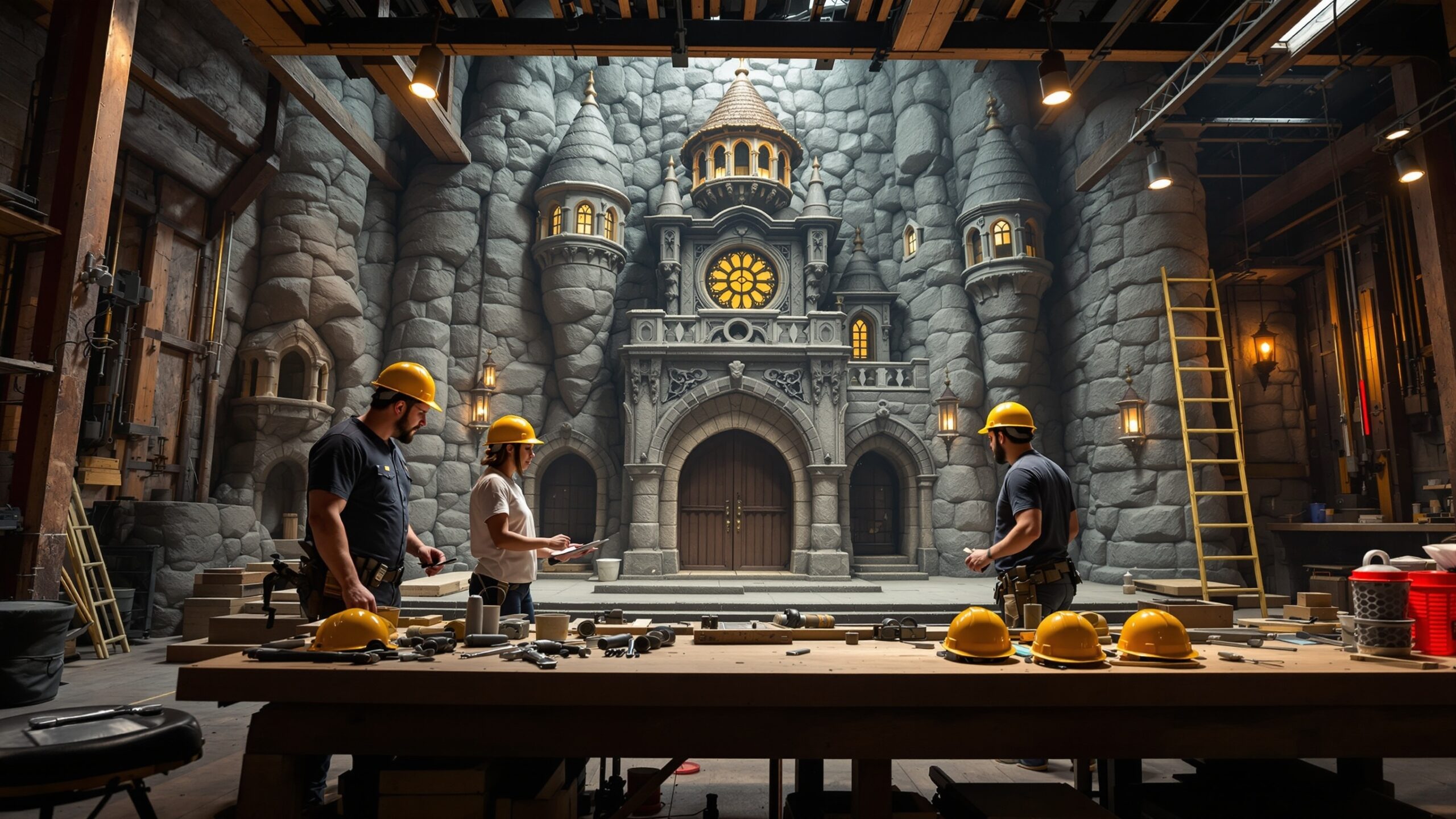
One of the most important factors in building long-lasting theme installations is collaboration. Successful projects bring together professionals from multiple disciplines, each contributing specialized expertise.
Creative designers focus on storytelling, visual composition, and guest engagement. Engineers ensure structural safety and durability. Fabricators translate digital concepts into physical structures, while technicians integrate lighting, audio, and control systems.
Operations teams provide insight into how attractions will function on a daily basis. Their input helps designers anticipate maintenance needs and operational challenges.
This collaborative approach ensures that installations are not only visually compelling but also technically robust and operationally sustainable.
The Future of Long-Lasting Theme Installations
As technology and materials continue to evolve, the possibilities for durable themed environments are expanding. Advanced fabrication techniques such as 3D printing, CNC milling, and digital sculpting allow designers to create highly detailed structures with improved precision and consistency.
New materials are also improving longevity. High-performance polymers, composite structures, and advanced coatings provide greater resistance to weathering and wear.
Smart monitoring systems are beginning to play a role as well. Sensors embedded within installations can track environmental conditions, detect structural stress, or alert maintenance teams to potential issues before they become visible.
These innovations promise to extend the lifespan of themed environments while enhancing their immersive capabilities.
Conclusion
Building theme installations that last for years requires a careful balance of creativity, engineering, and long-term planning. From the earliest design concepts to ongoing maintenance strategies, every decision influences the durability and success of the final environment.
Durable materials, thoughtful engineering, environmental protection, and modular design all contribute to longevity. Equally important is the collaboration between creative teams, technical experts, and operational staff who ensure that installations remain functional and visually compelling over time.
When these elements come together, themed environments become more than temporary attractions. They evolve into enduring experiences—places where storytelling, craftsmanship, and innovation create immersive worlds that captivate audiences year after year.