Why Safety Is the Foundation of Great Theming
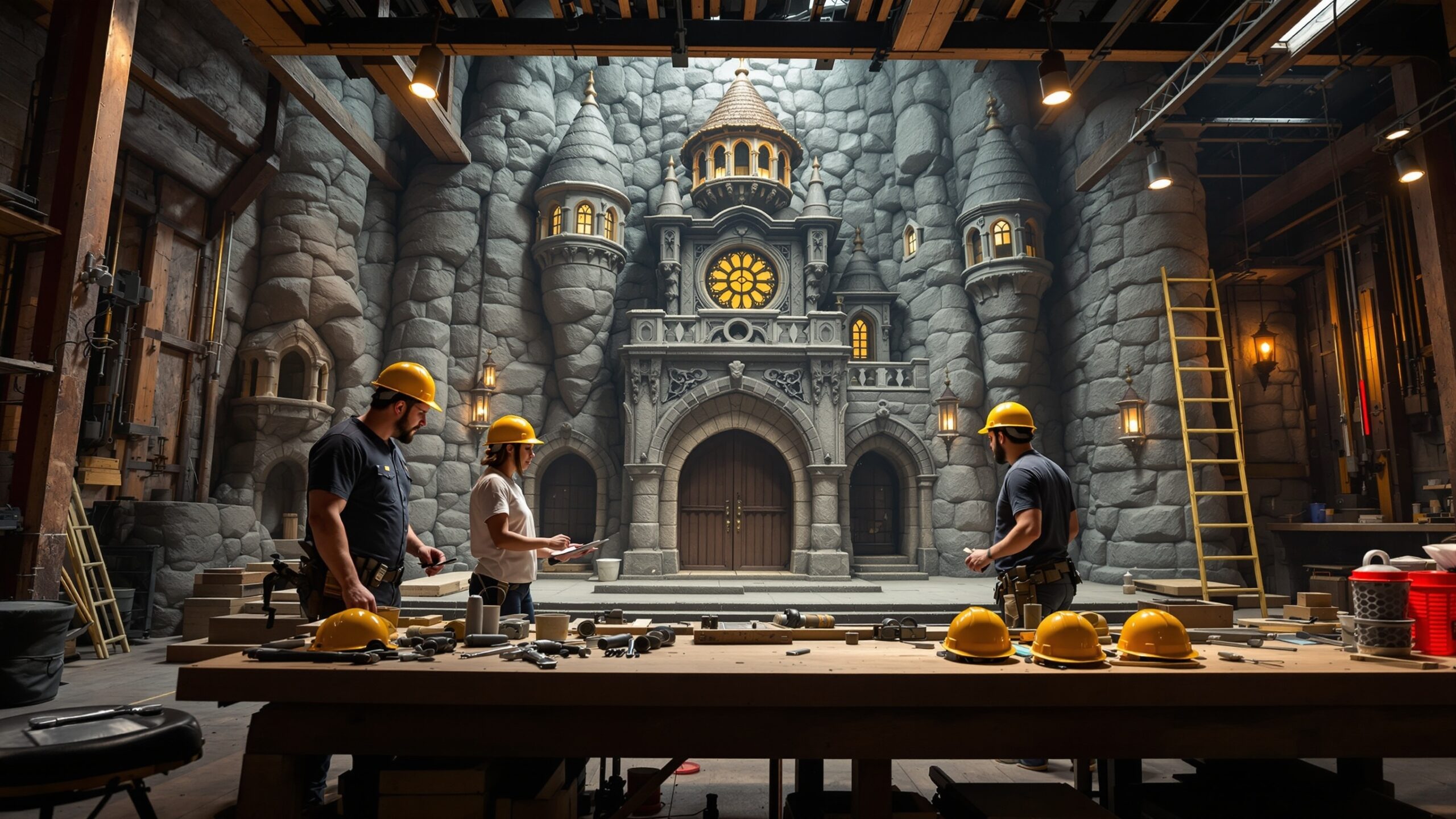
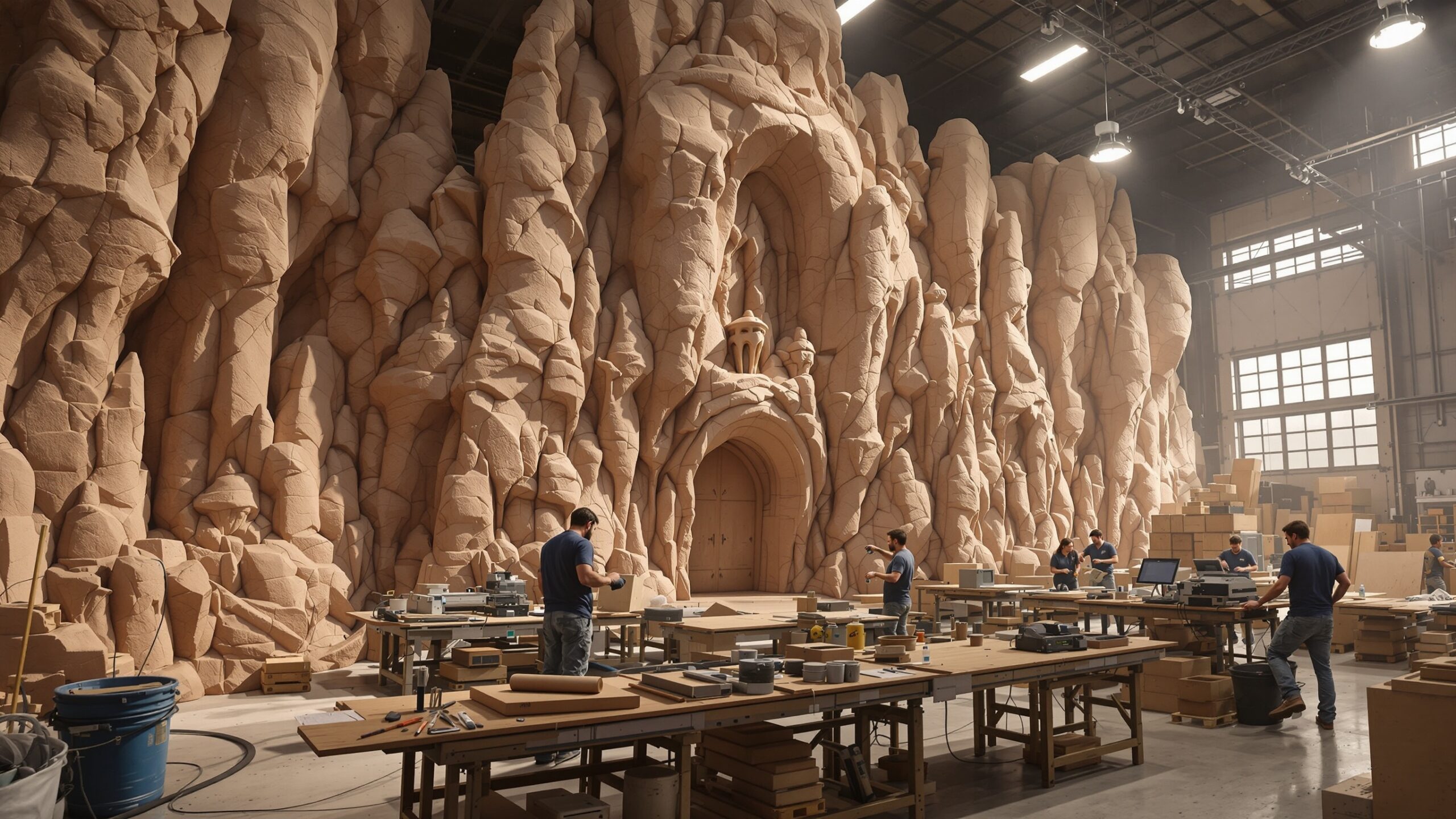
Immersive environments are designed to spark wonder, curiosity, and emotional engagement. Whether it’s a theme park attraction, a museum exhibit, a retail experience, or an entertainment venue, theming transforms ordinary spaces into extraordinary worlds. Yet behind every stunning façade, hidden pathway, and magical illusion lies a critical foundation that often goes unnoticed by guests: safety. For designers, engineers, and creative teams, safety is not an afterthought—it is the structural backbone of every successful themed environment. Theming safety is about more than avoiding accidents. It involves designing experiences that are structurally sound, compliant with regulations, durable under heavy public use, and safe for both guests and staff. From material selection and fire resistance to crowd movement and accessibility, safety influences nearly every design decision made during the creative and engineering process. Designers who understand safety principles early in a project gain a powerful advantage. Instead of compromising creative ideas later to meet regulations, they can integrate safety seamlessly into the storytelling and construction process. The result is an environment that feels magical to guests while operating safely and reliably behind the scenes.
A: Many scenic materials are decorative, so flame-retardant treatment prevents rapid spread in emergencies.
A: Railings can be integrated as fences, rocks, ruins, or architectural features.
A: Yes—local building codes, fire codes, and safety standards apply.
A: Lightweight foam, fiberglass, and treated woods are common.
A: Many venues perform daily operational checks and scheduled safety audits.
A: Yes—designers must ensure guests can still clearly see paths and steps.
A: Concealing them preserves immersion while maintaining full functionality.
A: Sensors, safety zones, and hidden barriers.
A: Anchors, ballast, and secure mounting systems are used.
A: Ensuring the guest experience remains immersive while maintaining uncompromising safety.
Understanding Safety Codes and Industry Standards
One of the first responsibilities of any themed environment designer is understanding the safety codes that govern construction and public spaces. These codes vary by region, but many are built upon widely recognized standards that regulate fire protection, structural integrity, electrical systems, and accessibility.
Building codes often reference international safety frameworks such as the International Building Code (IBC), National Fire Protection Association (NFPA) standards, and electrical safety regulations. Designers working on themed environments must ensure their structures meet these guidelines while still maintaining the aesthetic illusion required by storytelling.
Theme parks and attractions also frequently follow additional industry-specific standards. Organizations like ASTM International provide guidelines for amusement rides, mechanical systems, and attraction safety. Even exhibits, stage sets, and immersive installations must adhere to strict regulations when they are accessible to the public.
A strong understanding of these codes allows designers to collaborate effectively with engineers, architects, and safety inspectors. It ensures that creative concepts translate into safe, approved installations without costly redesigns late in the project.
Structural Integrity in Themed Environments
Themed structures often look fantastical, but they must perform like serious architecture. Decorative rockwork, oversized props, artificial trees, and scenic facades may appear whimsical, yet they must withstand environmental forces, visitor interaction, and long-term wear.
Structural integrity begins with proper engineering. Many themed structures are built using steel frameworks, reinforced concrete, or structural aluminum to support decorative surfaces. These internal systems ensure that sculptures, themed walls, and architectural features remain stable under stress from wind, vibration, and weight loads.
Load-bearing considerations are especially important in themed environments where guests may lean on railings, climb onto photo props, or gather in large crowds. Designers must anticipate how visitors interact with the environment and design structures accordingly.
Additionally, themed facades often hide complex infrastructure such as lighting rigs, mechanical systems, and HVAC equipment. Engineers must account for these hidden elements while maintaining the illusion that guests are stepping into another world.
Fire Safety and Flame-Resistant Materials
Fire safety is one of the most critical considerations in themed environments, particularly in indoor attractions and densely populated spaces. Decorative materials such as foam carvings, scenic fabrics, artificial foliage, and painted surfaces must meet flame-retardant standards to reduce fire risk.
Many scenic elements are treated with fire-resistant coatings or manufactured using inherently flame-retardant materials. Scenic foam, for example, may be coated with fire-rated hard coats that protect the underlying structure while maintaining the desired texture and appearance.
Lighting and electrical systems also require careful planning to prevent overheating or sparks. Hidden wiring must follow electrical safety codes, and lighting fixtures must be installed with proper ventilation and protection.
Emergency exit planning plays an equally important role. Even in immersive environments where designers attempt to hide modern infrastructure, clearly marked exits, fire suppression systems, and emergency lighting must remain accessible and functional.
Designers must learn to blend these safety features into the environment creatively so that safety elements exist without disrupting the immersive narrative.
Crowd Flow and Guest Movement
Crowd management is one of the most important aspects of safety in themed environments. Theme parks, museums, and immersive attractions often accommodate thousands of visitors daily, and poorly designed pathways can quickly create safety risks.
Designers must consider how guests move through an environment, how lines form, and where congestion may occur. Wide walkways, gradual transitions between spaces, and clear visual cues help guide guests naturally through the environment.
Queue areas for attractions require particular attention. Long waiting lines must be designed to prevent overcrowding, maintain safe spacing, and allow for emergency access if needed. Switchback queues, themed pre-show areas, and shaded waiting spaces help distribute crowds while maintaining guest comfort.
Emergency evacuation planning also relies heavily on crowd flow design. Exit routes must accommodate large numbers of people quickly and safely, and designers must avoid creating dead ends or confusing pathways that could slow evacuation.
Effective crowd flow design ensures that guests feel relaxed and comfortable rather than cramped or overwhelmed, enhancing both safety and the overall experience.
Safe Material Selection and Durability
Materials used in themed environments must meet strict durability and safety requirements. Unlike film sets or stage scenery, themed installations are built for constant public interaction and must endure years of wear.
Designers frequently use materials such as fiberglass, reinforced foam, sculpted concrete, and engineered plastics to achieve realistic textures while maintaining structural strength. These materials are lightweight compared to traditional construction materials, allowing designers to create large scenic elements without excessive weight.
Slip resistance is another critical factor. Walkways, ramps, and stairs must be designed with surfaces that maintain traction even in wet conditions. Textured concrete, anti-slip coatings, and carefully designed drainage systems help prevent accidents.
Outdoor themed environments must also withstand weather conditions such as rain, UV exposure, temperature fluctuations, and wind. Materials that degrade quickly can create safety hazards over time, making durability a key consideration during the design process.
Accessibility and Inclusive Design
Modern themed environments must be designed with accessibility and inclusivity in mind. Safety is not only about preventing hazards but also about ensuring that all guests can navigate and enjoy the environment comfortably.
Accessibility guidelines such as the Americans with Disabilities Act (ADA) require designers to provide ramps, accessible pathways, appropriate signage, and accommodations for individuals with mobility limitations. Attractions and exhibits may also require alternative access points or adaptive experiences.
Designers must carefully integrate these elements into themed spaces without making them feel like afterthoughts. Accessible pathways can be incorporated into scenic trails, ramps can blend into landscape features, and signage can match the aesthetic of the environment while remaining readable and compliant.
Inclusive design also considers sensory needs. Lighting intensity, sound levels, and visual effects must be balanced to avoid overwhelming guests while still maintaining immersive storytelling.
Safety in Interactive Experiences
Interactive installations have become increasingly popular in themed environments. Guests may press buttons, turn wheels, explore play areas, or interact with animatronic characters and digital elements.
However, interactive experiences introduce additional safety considerations. Moving parts must be shielded to prevent pinching or entrapment, and interactive surfaces must be durable enough to withstand repeated use.
Touchpoints must also be positioned at safe heights and distances to prevent strain or accidental collisions. Designers must anticipate how guests of different ages and sizes will interact with installations and plan accordingly.
Animatronics and motion systems require careful programming and physical safeguards. Sensors, emergency stop mechanisms, and protective barriers ensure that moving figures operate safely around guests.
When properly designed, interactive elements enhance engagement while maintaining strict safety standards.
Lighting and Visibility Considerations
Lighting plays a vital role in both storytelling and safety within themed environments. Dramatic lighting can create mood, highlight scenic details, and guide guests through immersive spaces. However, poor lighting design can create hazards if pathways, steps, or obstacles become difficult to see.
Designers must balance atmospheric lighting with functional visibility. Pathways should remain clearly illuminated even in dark environments, and transitions between light and dark areas should be gradual to allow guests’ eyes to adjust.
Emergency lighting systems must activate automatically in the event of power outages, ensuring that guests can safely exit the environment. These systems often remain hidden within scenic elements but must still meet strict visibility requirements.
Proper lighting design helps prevent accidents while enhancing the emotional impact of themed storytelling.
Maintenance and Long-Term Safety
Safety does not end when a themed installation opens to the public. Regular maintenance and inspections are essential to ensure that structures remain safe throughout their lifespan.
Theme parks and attractions typically follow strict maintenance schedules that include structural inspections, repainting, material repairs, and system testing. Decorative surfaces may require periodic resealing or reinforcement to maintain their durability.
Mechanical systems such as animatronics, moving props, and ride components require ongoing monitoring to prevent mechanical failures. Sensors, motors, and control systems must be tested regularly to ensure reliable operation.
Designers who consider maintenance during the planning phase can make long-term upkeep easier and more efficient. Hidden access panels, removable scenic elements, and service corridors allow technicians to perform maintenance without disrupting the guest experience.
Balancing Creativity and Safety
One of the greatest challenges in themed design is balancing imaginative storytelling with strict safety requirements. Designers often strive to create environments that feel organic, ancient, or fantastical—yet modern safety infrastructure must still exist within these worlds.
Achieving this balance requires collaboration between creative designers, engineers, architects, and safety experts. Early integration of safety considerations ensures that creative ideas remain viable throughout the project.
For example, guardrails may be disguised as rustic fences, fire sprinklers may hide within decorative fixtures, and emergency exits may blend seamlessly into themed architecture. These solutions maintain immersion while ensuring that safety features remain functional and compliant.
Successful themed environments demonstrate that safety and creativity are not opposing forces but complementary elements of great design.
The Future of Safety in Themed Design
As technology advances, safety innovations continue to improve the design of themed environments. Digital modeling tools allow designers to simulate crowd movement, structural stress, and evacuation scenarios before construction begins.
Advanced sensors and monitoring systems can detect equipment wear, structural movement, or mechanical issues early, allowing maintenance teams to address problems before they become safety risks.
Artificial intelligence and automation are also beginning to play a role in monitoring attraction systems and predicting maintenance needs. These technologies help ensure that complex environments operate safely while reducing downtime.
At the same time, sustainable design practices are becoming increasingly important. Eco-friendly materials, energy-efficient systems, and environmentally responsible construction methods contribute to long-term safety and environmental stability.
The future of themed design will likely involve even closer integration between creative storytelling, engineering precision, and safety technology.
Building Magical Worlds That Protect Their Guests
Behind every breathtaking themed environment lies a network of invisible safety systems that protect guests while allowing them to fully immerse themselves in the experience. From structural engineering and fire safety to crowd flow design and accessibility planning, safety considerations shape every stage of themed development.
For designers, mastering these safety essentials is not simply about compliance—it is about building environments that endure. Safe designs last longer, operate more efficiently, and provide guests with the confidence to explore freely.
When safety is integrated thoughtfully into the creative process, it enhances rather than limits the possibilities of themed design. Designers can craft environments that feel magical, immersive, and unforgettable while remaining structurally sound and responsibly built.
Ultimately, the greatest themed environments achieve a remarkable balance. Guests see the magic, the storytelling, and the adventure. Designers, engineers, and builders see the careful planning, engineering expertise, and safety systems that make that magic possible.