European Palace Style Begins With Proportion
Luxury castle interiors inspired by European palaces are not simply rooms filled with gold, marble, and ornate furniture. The real elegance comes from proportion, order, light, and material quality. Marble, carved plaster, giltwood, crystal, silk, velvet, parquet, antiques, and grand mirrors can all be part of the style, but they need a room that feels balanced and livable. A palace-inspired interior should feel graceful first and decorative second, with every luxurious detail serving the architecture and comfort of the space.
A: Yes. Use proportion, mirrors, curtains, molding, and one or two luxurious materials carefully.
A: No. Marble, carved wood, silk, crystal, brass, and strong symmetry can create the mood without much gold.
A: Start with lighting, drapery, a mirror, or the room's central architectural feature.
A: Add comfortable seating, reachable tables, books, soft rugs, and practical lamps.
A: Yes. Clean sofas and chairs can make palace details feel fresher and less heavy.
A: Use it where it feels anchored: fireplace surrounds, consoles, vanities, trays, or tabletops.
A: No, but one antique mirror, table, or chair can give the room depth.
A: A chandelier supported by sconces and lamps gives the room layered warmth.
A: It can. Tone-on-tone molding often feels softer and more current than high contrast trim.
A: Proportion, architectural detail, graceful fabric, old-world materials, and restraint.
Establish a Formal Center
Palace-inspired rooms need a sense of order. The formal center might be a fireplace, chandelier, bed, dining table, mirror, window, or pair of doors. Once the center is clear, the rest of the design can organize around it. This is why many European interiors feel calm even when they include carved details, gilding, patterned rugs, and layered fabric.
Symmetry is useful, but it does not have to be rigid. Matching lamps, paired chairs, balanced art, or two similar consoles can create a composed room. A slightly relaxed arrangement can still feel elegant if the main axis is strong. The goal is to make the room feel intentional before adding luxury materials.
Let Architecture Carry the Luxury
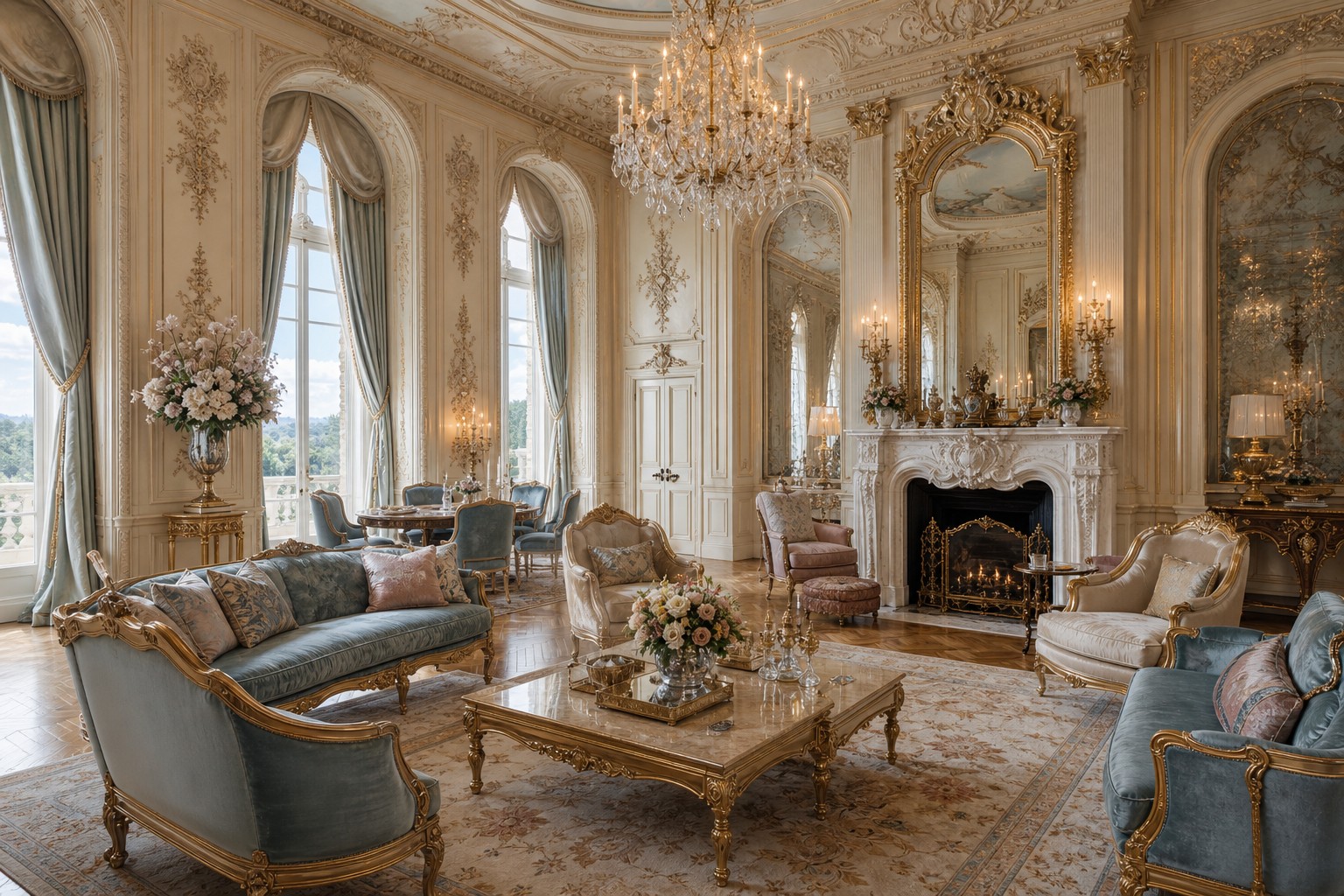
European palace interiors rely heavily on architecture. Tall ceilings, panel molding, crown details, ceiling medallions, arched openings, tall windows, fireplaces, and parquet floors all create a luxurious base before furniture enters the room. In a modern home, these features can be added carefully. Molding, trim, and ceiling detail should match the room’s scale rather than overpower it.
Plain rooms can still take on a palace mood when the architectural additions are measured well. Tone-on-tone molding feels softer and more current. White trim against colored walls feels more traditional. A ceiling medallion can work beautifully with a chandelier if the size is right. The details should make the room feel taller, quieter, and more finished.
Use Marble as an Anchor
Marble is one of the clearest palace-inspired materials, but it is strongest when used where it feels permanent or useful. A fireplace surround, console top, bath vanity, dining surface, tray, or pedestal table can introduce stone without overwhelming the room. Marble should feel like an anchor, not a printed pattern repeated everywhere.
The stone’s color affects the mood. White marble feels classical, cream marble feels warmer, and dark marble feels dramatic. Strong veining needs quieter fabrics and simpler nearby accessories. If the room already has ornate furniture or patterned rugs, choose stone with a calmer movement. One beautiful marble detail can feel more luxurious than several weak imitations.
Keep Gilding Warm and Restrained
Gold is often associated with palace interiors, but it should not cover every surface. Gilding is most elegant when it catches light in selected places: a mirror frame, picture frame, lamp base, chandelier detail, chair carving, or cabinet hardware. Antique brass, aged gilt, and champagne tones are usually easier to live with than bright yellow gold.
Restraint keeps gilding from becoming theatrical. If the mirror is ornate, the table beneath it can be simpler. If the chandelier has a warm metal finish, other metal accents can stay quiet. Patina helps because it makes the room feel collected rather than newly staged. Palace style should glow, not glare.
Use Drapery to Create Height
Drapery is one of the most powerful tools in a palace-inspired room. Curtains hung close to the ceiling can make windows look taller and the room feel more formal. Full fabric panels create softness and movement, especially when the room also contains stone, mirrors, or gilding. Thin panels that barely cover the window often look unfinished in this style.
Fabric choice changes the mood. Silk feels luminous, velvet feels rich, lined linen feels relaxed, and heavy cotton can feel tailored. The drapery does not always need a complicated treatment. Simple pleats in the right fabric can look more refined than fussy swags in a weaker material. The goal is height, softness, and grace.
Choose Furniture With Elegant Scale
Furniture should support the room’s proportions. A palace-inspired living room may include curved chairs, carved wood, formal sofas, commodes, settees, or upholstered benches, but comfort still matters. A chair that looks beautiful and feels impossible to sit in will make the room less successful. European luxury feels gracious when people can actually use it.
Mixing periods can make the style feel fresher. A clean sofa can sit beneath an ornate mirror. A modern table can work with antique chairs. A simple bed can be elevated by drapery, lamps, and molding. When every piece is ornate, nothing has room to stand out. Contrast gives luxury more presence.
Layer Light Below the Chandelier
A chandelier can define a palace-inspired room, but it should not be the only source of light. Sconces, table lamps, picture lights, and candles or candle-style fixtures create the layered glow that makes mirrors, marble, and fabric look alive. The chandelier gives ceremony; the lower lights give comfort.
Scale matters here as much as style. A small chandelier can disappear in a tall room, while an oversized fixture can overwhelm a normal ceiling. Choose warm bulbs and dimmers whenever possible. Palace interiors should look beautiful in daylight and become more atmospheric in the evening.
Use Mirrors to Expand Light and Ceremony
Mirrors are central to many palace-inspired interiors because they multiply light and strengthen symmetry. A tall mirror between windows, a gilded mirror above a mantel, or a pair of smaller mirrors behind lamps can make a room feel brighter and more formal. The mirror should reflect something worth seeing, such as a chandelier, window, artwork, or beautiful doorway.
Avoid using mirrors only to fill space. If the reflection is clutter, a television, or an awkward corner, the mirror will amplify the wrong part of the room. When the placement is thoughtful, mirrors make even modest rooms feel more architectural and more ceremonial.
Let Rugs Ground the Formality
A palace-inspired room needs softness underfoot. Rugs can bring pattern, color, age, and comfort into a space that might otherwise rely too much on stone, wood, and gilding. Aubusson-style rugs, muted Orientals, tone-on-tone wool, and refined bordered designs can all support the European mood.
Scale is the most important rule. A rug that is too small makes formal furniture look stranded. In living rooms, front legs should sit on the rug at minimum. In dining rooms, chairs should remain on the rug when pulled out. A properly scaled rug makes the room feel settled and generous.
Give Bedrooms a Softer Palace Mood
Palace inspiration works beautifully in bedrooms when the mood is calmer than a formal salon. A tall upholstered headboard, framed mirror, bedside lamps, full drapery, soft rug, and graceful bedding can create luxury without making the room feel ceremonial. The bed should remain the center, but the surrounding pieces should support rest.
Use ornate details sparingly in bedrooms. One carved bench, gilded mirror, crystal lamp, or antique nightstand can be enough. Bedding should feel layered and touchable rather than stiff. A bedroom inspired by European palaces should feel romantic, quiet, and comfortable at the end of the day.
Let Dining Rooms Carry More Drama
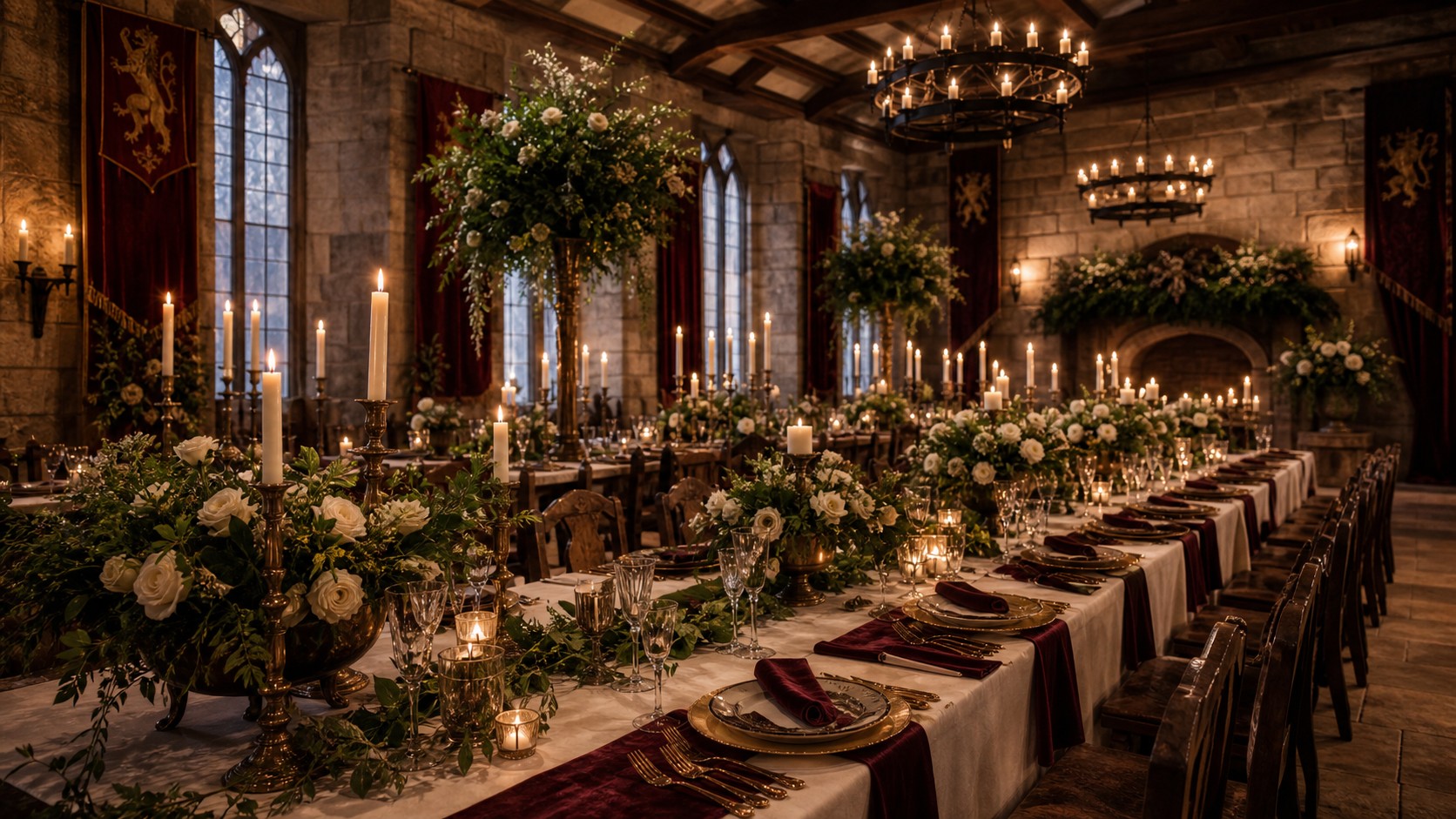
Dining rooms can handle a richer palace treatment because they are used for gathering and ceremony. A chandelier, long table, upholstered chairs, mirror, drapery, and patterned rug can create a strong European feeling. Deeper wall color or more visible gilding can also work here because the room is meant to feel special.
Practical details still matter. Chairs should be comfortable, lighting should flatter food and faces, and the table should leave enough room for service. The room can feel grand without becoming difficult to use. Luxury is most convincing when it supports hospitality.
Tabletop pieces should follow the same principle. Crystal, porcelain, silver, linen, candles, and flowers can create ceremony, but the setting should never feel crowded. A few beautiful pieces, repeated with care, are more persuasive than a table covered in competing luxury signals.
Bring in Antiques Without Creating a Museum
Antiques can give a room depth, but they are not required everywhere. One antique mirror, writing desk, chest, chair, or cabinet can add history when placed with care. The surrounding pieces can be cleaner so the antique feels special. A room filled only with old pieces may feel heavy or untouchable.
The best antique choices still serve modern life. A chest can store linens. A desk can become a writing spot. A cabinet can hold glassware. When antique pieces have a role, the room feels lived in rather than staged. Palace inspiration should bring character, not distance.
Keep the Palette Sophisticated
European palace palettes can be pale, rich, or dramatic, but they usually rely on layered tones rather than loud contrast. Cream, ivory, warm white, dove gray, soft blue, celadon, blush, burgundy, olive, gold, walnut, and stone colors can all work. The palette should relate to the room’s light and architecture.
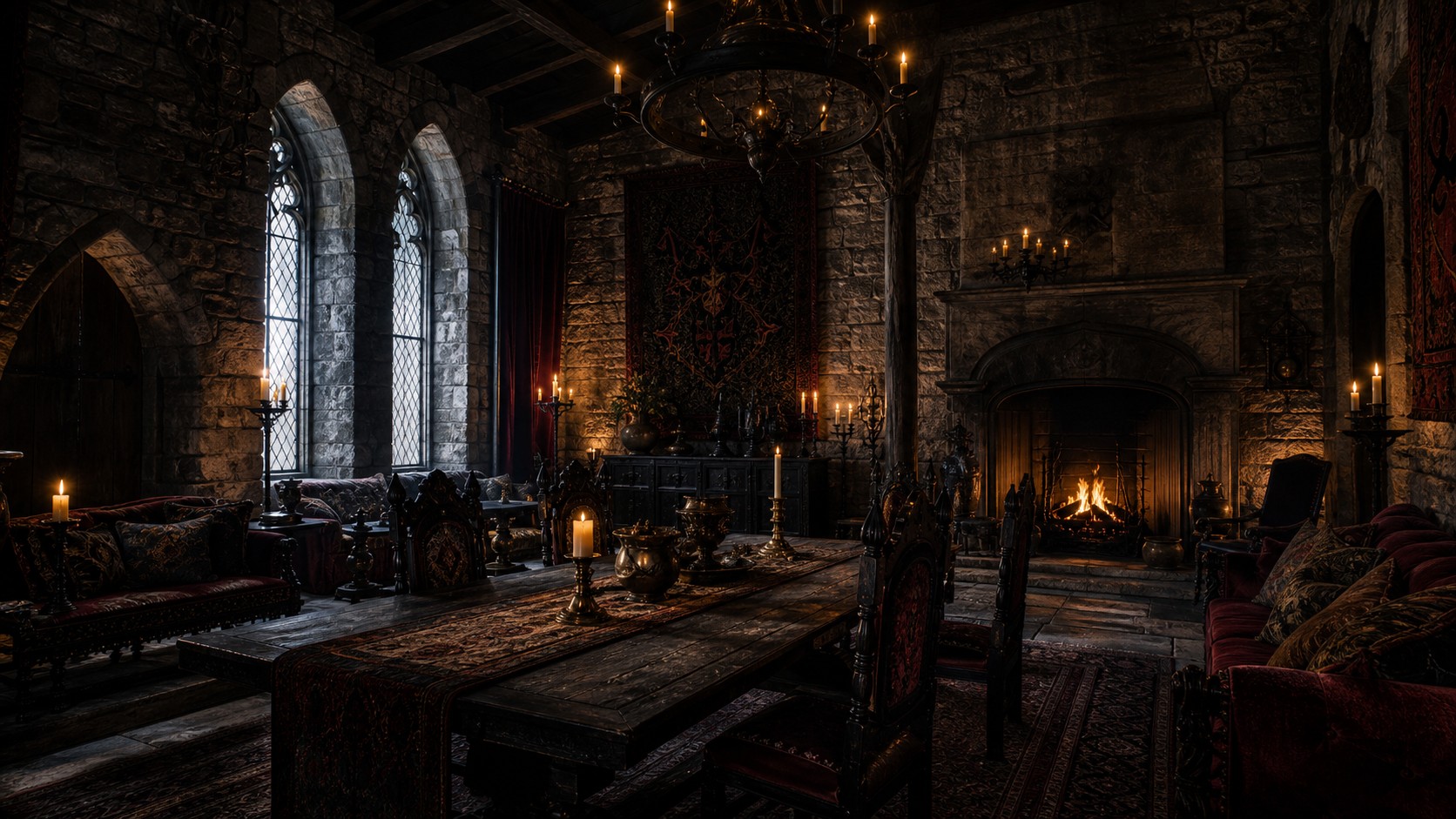
In smaller rooms, a lighter palette can make ornate details feel breathable. In dining rooms, libraries, and powder rooms, deeper colors can feel luxurious and enveloping. Whatever the direction, avoid letting every element compete. If the walls are strong, fabrics can be quieter. If the rug is patterned, the upholstery can calm the room.
Make Luxury Feel Livable
A palace-inspired room should not feel like a space people are afraid to touch. Comfortable seating, soft rugs, reachable tables, good reading lamps, books, flowers, and personal objects make luxury feel human. These details are not less elegant; they are what make the room usable.
Durability matters, especially in family rooms and bedrooms. Performance fabric, washable bedding, practical storage, and sturdy tables can exist inside a graceful design. The room can still feel European and refined while serving real routines. True luxury supports daily life instead of interrupting it.
Edit Until the Room Can Breathe
The final step is editing. Palace style can handle ornament, but it cannot handle clutter. Remove pieces that are shiny without being beautiful, ornate without purpose, or large without proportion. Give mirrors, marble, chandeliers, and carved pieces enough space to be appreciated.
Editing is especially important near the focal point. A mantel, bed wall, dining table, or mirror can lose its power if every nearby surface is filled. Leave a little air around the grandest elements so they feel architectural rather than crowded. Luxury often reads through space as much as through objects.
Review the room from the doorway as well as from inside it. European palace rooms often impress through the first view: the chandelier centered, curtains falling cleanly, seating balanced, and the main material visible. If that first view feels calm and generous, the smaller details usually have a better chance to succeed.
A successful luxury castle interior feels composed, warm, and quietly grand. It uses architecture, proportion, and material quality before decoration. When marble, gilding, drapery, furniture, and light all support the same graceful order, the room can feel inspired by European palaces without losing comfort, warmth, or modern livability. That balance is where the luxury becomes believable.