Where Imagination Meets Engineering
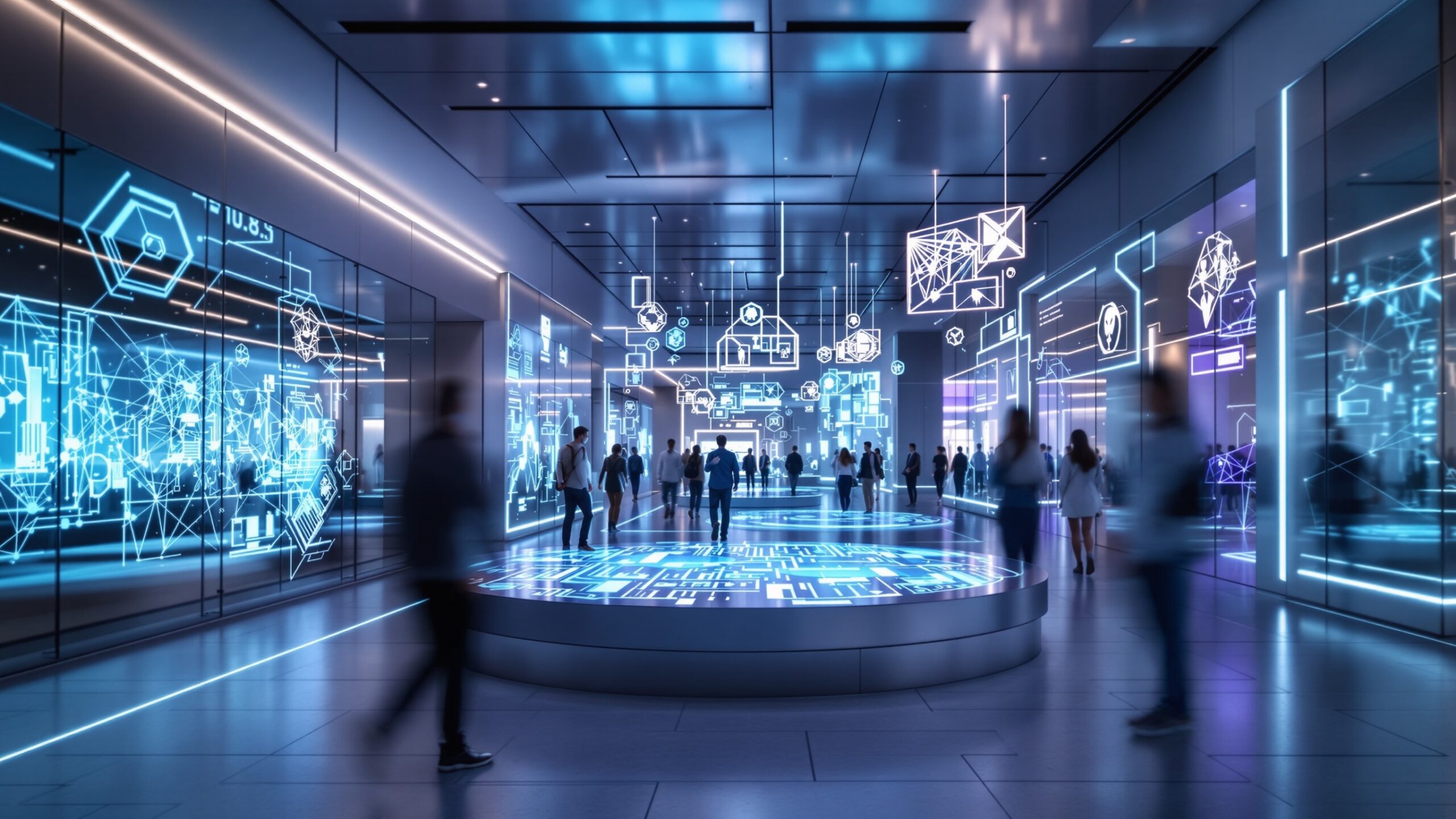
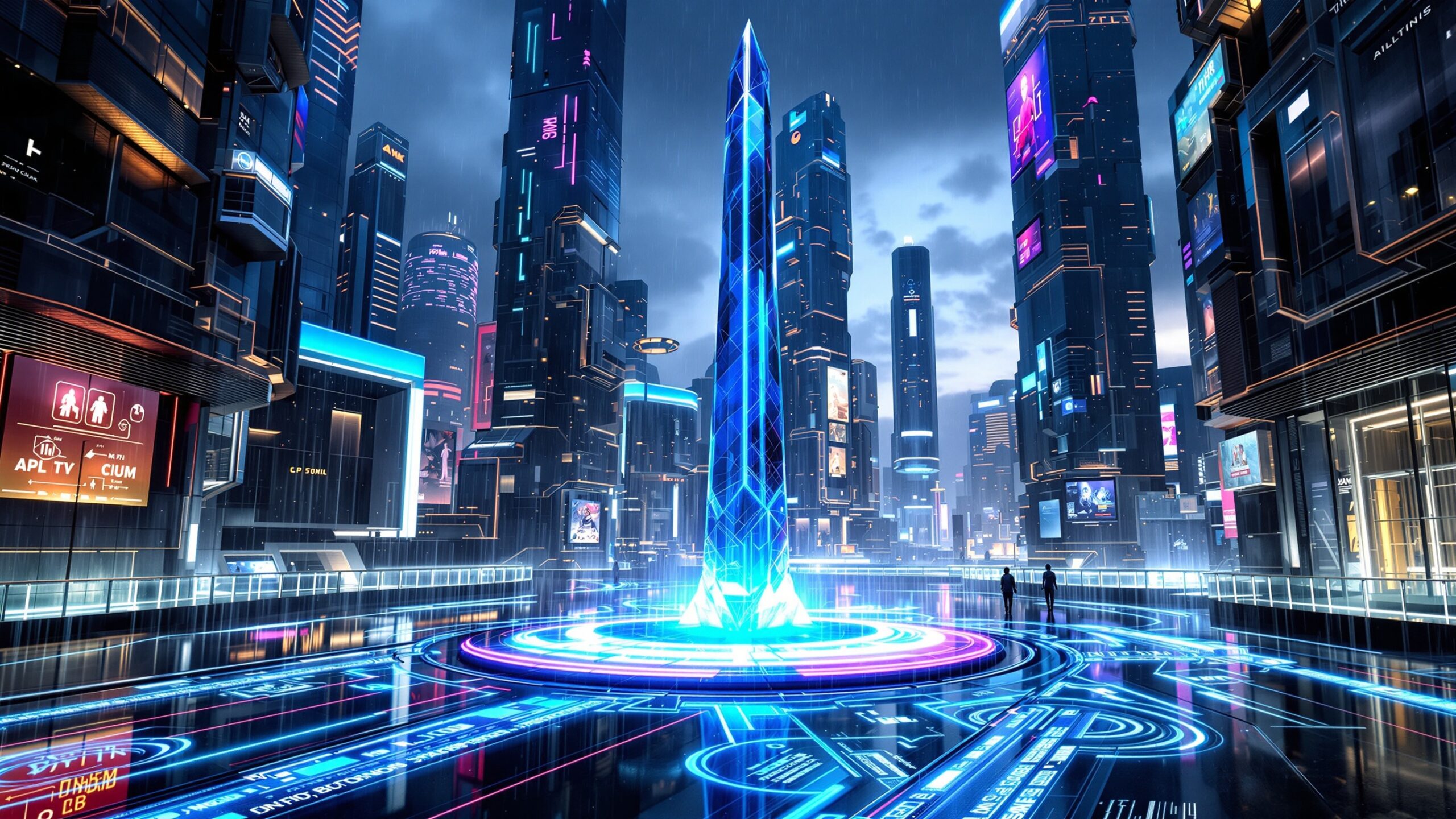
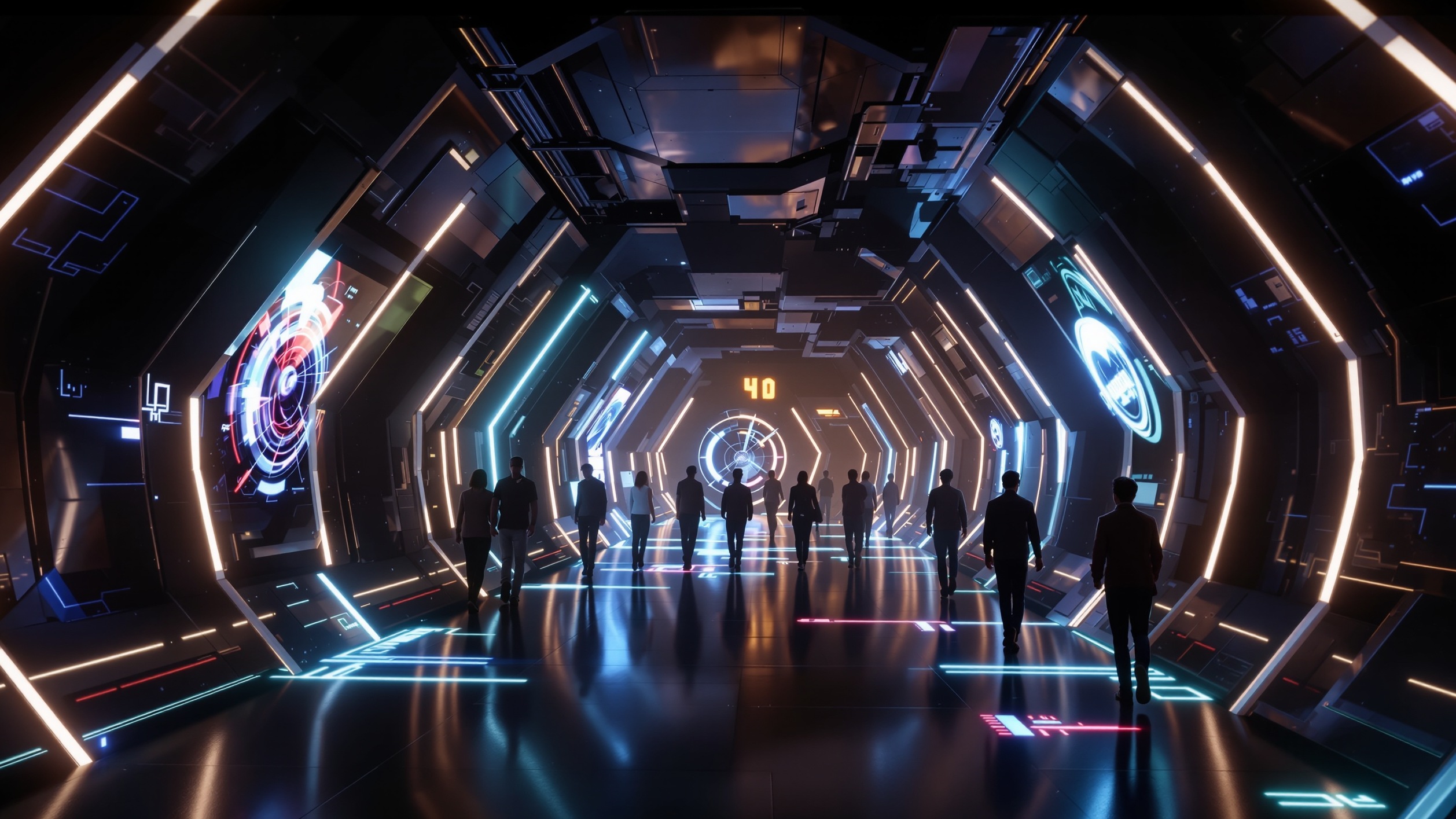
Immersive theme design has evolved far beyond painted backdrops and static props. Today, it represents a sophisticated fusion of storytelling, architecture, psychology, and advanced technology. Whether in theme parks, retail environments, museums, or experiential entertainment spaces, modern themed environments are designed to transport audiences into fully realized worlds. At the center of this transformation lies technology—not as a superficial layer, but as the invisible infrastructure that makes immersion believable, responsive, and emotionally resonant. The role of technology in immersive theme design is both foundational and transformative. It enables designers to manipulate light, sound, motion, and interaction in ways that blur the boundary between reality and fiction. From projection mapping and animatronics to artificial intelligence and real-time rendering engines, technology allows environments to adapt, react, and evolve dynamically. This article explores how technology shapes immersive theme design, examining the tools, systems, and strategies that bring these environments to life while redefining how audiences engage with space.
A: Seamless integration of storytelling, technology, and physical design.
A: No, most systems are hidden to preserve the illusion.
A: Extremely—it shapes emotional response and spatial awareness.
A: AI enables adaptive, personalized, and responsive environments.
A: Yes, even compact areas can feel expansive with the right tech.
A: A technique that projects visuals onto surfaces to create dynamic scenes.
A: Through centralized show control systems and automation software.
A: Costs vary widely depending on scale and complexity.
A: Theme parks, retail, museums, events, and entertainment venues.
A: Greater integration of AI, AR, and real-time interactive systems.
The Evolution of Themed Environments
The history of themed design reflects a steady progression from static illusion to dynamic immersion. Early themed environments relied heavily on craftsmanship—painted scenery, mechanical set pieces, and theatrical lighting. While these elements created compelling experiences, they were inherently limited in their ability to respond to guests or change over time.
The integration of digital technologies marked a turning point. Lighting systems became programmable, sound design evolved into spatial audio environments, and projection technologies introduced the ability to transform surfaces instantly. Today, immersive environments are no longer fixed compositions; they are living systems capable of responding to environmental inputs, user behavior, and narrative progression.
This evolution has shifted the role of designers. Instead of building static scenes, they now design ecosystems—complex networks of hardware and software that operate in synchrony. The result is a new form of storytelling that unfolds in real time, where each guest can experience a slightly different version of the same environment.
Lighting Technology: Sculpting Atmosphere and Emotion
Lighting is one of the most powerful tools in immersive design, and modern technology has elevated it to an entirely new level. LED systems, intelligent lighting rigs, and programmable control platforms allow designers to manipulate color, intensity, and movement with precision. These systems can simulate natural phenomena such as sunrise, firelight, or bioluminescence, creating environments that feel alive and continuously evolving.
Advanced lighting control systems enable synchronization across entire spaces. A single cue can trigger coordinated changes in lighting, sound, and visual effects, ensuring that every element of the environment works together cohesively. This level of integration is essential for maintaining immersion, as inconsistencies can break the illusion instantly.
Beyond aesthetics, lighting technology also plays a psychological role. Subtle shifts in color temperature and brightness can influence mood, guide attention, and even alter perceived spatial dimensions. Designers leverage these capabilities to direct guest movement, highlight narrative moments, and create emotional peaks within the experience.
Projection Mapping and Visual Illusion
Projection mapping has become a cornerstone of immersive theme design, allowing designers to transform physical surfaces into dynamic storytelling canvases. By precisely aligning projected imagery with architectural features, projection mapping can create the illusion of movement, depth, and transformation.
Buildings can appear to crumble and rebuild, walls can dissolve into expansive landscapes, and static objects can come to life with animated textures. This technology enables rapid scene changes without the need for physical reconstruction, making it both versatile and cost-effective.
The real power of projection mapping lies in its ability to merge the digital and physical worlds seamlessly. When combined with physical set design, it enhances realism rather than replacing it. Designers often use a hybrid approach, blending tangible elements with projected visuals to achieve a level of detail and authenticity that neither could accomplish alone.
Audio Engineering: Crafting Spatial Narratives
Sound is a critical component of immersion, and modern audio technology has transformed how environments communicate with guests. Spatial audio systems use multiple speakers and advanced processing algorithms to create three-dimensional soundscapes. These systems can position audio sources precisely within a space, making sounds appear to originate from specific locations.
This capability allows designers to guide attention subtly. A distant echo, a whisper behind the listener, or the sound of footsteps approaching can all influence perception and behavior. Unlike visual cues, audio operates on a subconscious level, making it a powerful tool for storytelling.
Adaptive audio systems take this a step further by responding to guest movement and environmental conditions. Sensors can trigger changes in sound based on location, creating personalized experiences that evolve as guests navigate the space. This dynamic approach ensures that no two visits feel exactly the same.
Animatronics and Kinetic Systems
Animatronics remain one of the most iconic elements of immersive theme design, but modern advancements have significantly expanded their capabilities. Today’s animatronic systems incorporate advanced robotics, servo motors, and real-time control systems, allowing for highly realistic movement and expression.
These systems can replicate subtle human gestures, complex mechanical actions, and even lifelike facial expressions. When combined with synchronized audio and lighting, animatronics become convincing characters that interact with guests and contribute to the narrative.
Kinetic architecture extends this concept beyond individual figures. Entire environments can move, shift, or transform in response to programmed sequences or real-time inputs. Walls can rotate, floors can tilt, and structures can reconfigure themselves, creating a sense of unpredictability and wonder.
Interactive Technologies: Engaging the Guest
Interactivity is a defining characteristic of modern immersive environments. Technology enables guests to become active participants rather than passive observers. Touchscreens, motion sensors, RFID systems, and computer vision technologies allow environments to respond to user input in real time.
This interactivity can take many forms, from simple gesture-based controls to complex narrative branching systems. Guests might solve puzzles, trigger events, or influence the outcome of a story through their actions. These interactions create a sense of agency, making the experience more memorable and engaging.
Wearable technology further enhances interactivity by enabling personalized experiences. Devices such as wristbands or smart badges can track guest behavior, preferences, and progress, allowing the environment to adapt accordingly. This level of customization represents a significant shift toward individualized storytelling.
Real-Time Rendering and Game Engine Integration
The adoption of game engine technology has revolutionized immersive design. Platforms like Unreal Engine and Unity enable real-time rendering of highly detailed environments, allowing designers to create dynamic visuals that respond instantly to inputs.
These engines support complex simulations, including physics, lighting, and particle effects, making it possible to create environments that behave realistically. Real-time rendering also facilitates rapid prototyping and iteration, allowing designers to test and refine concepts efficiently.
In operational environments, game engines can power interactive displays, projection systems, and virtual extensions of physical spaces. This integration blurs the line between physical and digital design, creating hybrid environments that combine the strengths of both.
Artificial Intelligence and Adaptive Experiences
Artificial intelligence is emerging as a key driver of innovation in immersive theme design. AI systems can analyze guest behavior, predict preferences, and adjust the environment in real time. This capability enables truly adaptive experiences that evolve based on individual interactions.
For example, AI-driven characters can engage in natural conversations, responding to guest input with contextual awareness. Narrative systems can branch dynamically, creating personalized story arcs that reflect each guest’s choices.
AI also enhances operational efficiency by optimizing system performance, managing crowd flow, and predicting maintenance needs. These applications ensure that immersive environments remain seamless and reliable, even as they become more complex.
Sensor Networks and Environmental Intelligence
The foundation of interactivity and adaptability lies in sensor technology. Modern immersive environments are equipped with extensive sensor networks that monitor movement, temperature, lighting conditions, and more. These sensors provide the data needed to drive responsive systems.
Motion sensors, depth cameras, and LiDAR systems can track guest positions and gestures with high accuracy. Environmental sensors can adjust conditions to maintain comfort and realism. Together, these technologies create environments that are aware of their occupants and capable of responding intelligently.
This environmental intelligence is crucial for maintaining immersion. By anticipating and reacting to guest behavior, the environment can create seamless transitions and avoid disruptions.
Material Innovation and Digital Fabrication
While digital technologies play a central role, material innovation remains equally important. Advances in fabrication techniques, such as CNC machining, 3D printing, and advanced composites, allow designers to create highly detailed and durable physical elements.
Smart materials add another layer of functionality. These materials can change color, transparency, or texture in response to electrical signals or environmental conditions. When integrated with digital systems, they enable dynamic physical transformations that enhance immersion.
The combination of traditional craftsmanship and modern fabrication techniques results in environments that are both visually rich and technologically sophisticated.
Challenges and Considerations
Despite its potential, the integration of technology in immersive theme design presents several challenges. Complexity is a primary concern, as systems must operate reliably under continuous use. Redundancy, maintenance planning, and robust system architecture are essential to prevent failures that could disrupt the experience.
Cost is another factor. Advanced technologies require significant investment, both in initial implementation and ongoing operation. Designers must balance innovation with practicality, ensuring that technological elements deliver meaningful value.
There is also the risk of over-reliance on technology. When used improperly, technology can overshadow storytelling rather than enhance it. The most successful immersive environments use technology as a supporting element, ensuring that narrative and design remain at the forefront.
The Future of Immersive Theme Design
The future of immersive theme design is defined by convergence. Technologies such as augmented reality, virtual reality, and mixed reality are increasingly integrated into physical environments, creating layered experiences that extend beyond the visible space.
Advancements in AI, robotics, and real-time systems will continue to push the boundaries of interactivity and personalization. Environments will become more autonomous, capable of adapting to changing conditions and user behavior with minimal human intervention.
Sustainability will also play a critical role. Energy-efficient systems, recyclable materials, and smart resource management will shape the next generation of immersive design, ensuring that innovation aligns with environmental responsibility.
Designing the Impossible
Technology has fundamentally redefined what is possible in immersive theme design. It enables designers to create environments that are not only visually stunning but also responsive, adaptive, and deeply engaging. By integrating advanced systems with thoughtful storytelling and design, immersive environments can transport audiences into experiences that feel both extraordinary and authentic.
As technology continues to evolve, the possibilities for immersive design will expand even further. The challenge for designers is not simply to adopt new tools, but to use them strategically—crafting experiences that resonate emotionally while maintaining technical excellence. In this balance lies the true potential of immersive theme design, where imagination and innovation come together to create worlds that captivate, inspire, and endure.