The Evolution of Immersive Storytelling in the Digital Age
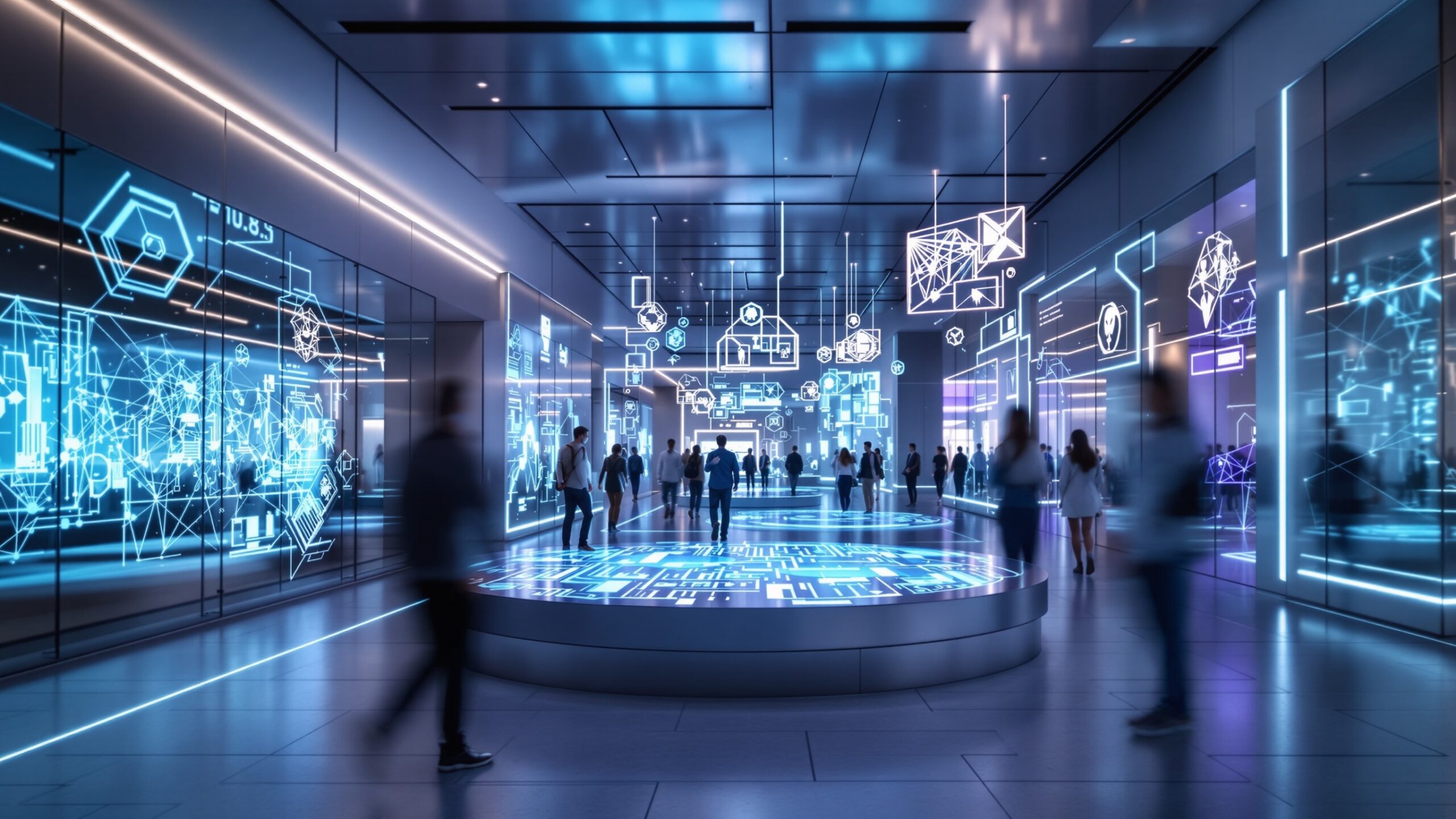
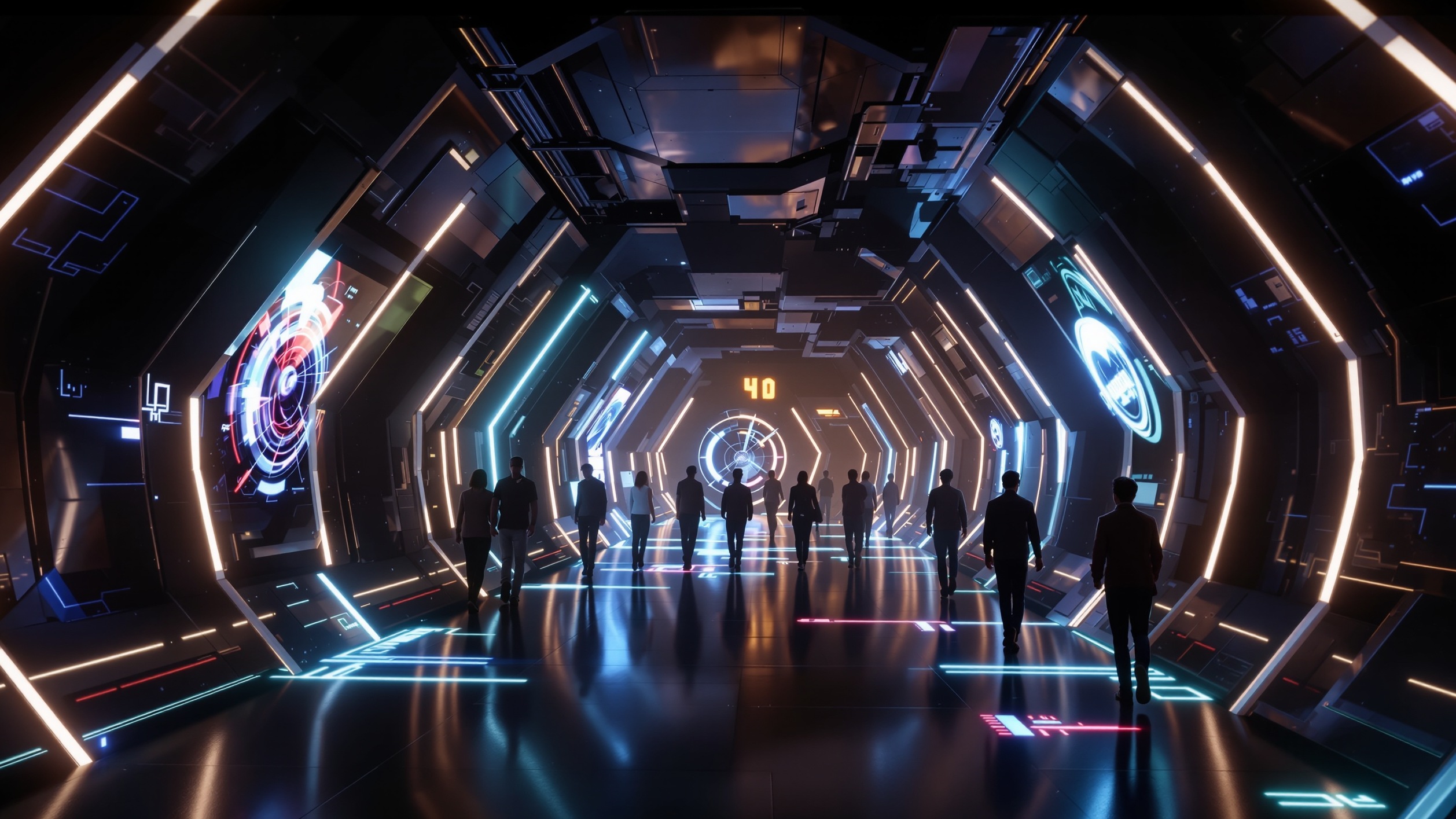
Themed environments have always been about transporting people—lifting them out of the ordinary and placing them inside carefully constructed worlds filled with narrative, emotion, and sensory engagement. From early theatrical stagecraft to the rise of theme parks and experiential retail, the goal has remained consistent: create a believable alternate reality. However, the modern era has introduced a transformative force that has elevated themed design from impressive to extraordinary—digital technology. Today, digital tools are not simply enhancements; they are foundational components in the creation of immersive environments. Designers no longer rely solely on static sets and physical props. Instead, they leverage a sophisticated ecosystem of software, hardware, and real-time systems to craft experiences that are dynamic, responsive, and deeply personalized. This shift marks a fundamental evolution in storytelling—one where environments can adapt, evolve, and interact with their audiences in ways previously unimaginable.
A: Game engines, 3D modeling software, and show control systems.
A: They enable real-time interaction, adaptive environments, and layered storytelling.
A: Both serve different roles—AR enhances reality, VR creates entirely new worlds.
A: A technique that projects visuals onto physical surfaces to create dynamic effects.
A: Through centralized show control systems that sync all digital elements.
A: Costs vary, but scalable tools make immersive design more accessible today.
A: Yes, even compact environments can use lighting, audio, and projection effectively.
A: AI enables personalization and adaptive storytelling.
A: Critical—audio shapes perception and emotional engagement.
A: Fully responsive, AI-driven environments that evolve in real time.
Concept Design: Where Digital Worlds Begin
Every immersive environment starts as an idea, but digital tools have dramatically redefined how those ideas are visualized and developed. Concept artists now use advanced software like Blender, Unreal Engine, and Adobe Substance to build highly detailed 3D models and textures long before construction begins. These digital prototypes allow designers to explore lighting conditions, material finishes, and spatial relationships with precision.
Unlike traditional sketches or static renderings, real-time engines enable designers to “walk through” environments in virtual space. This immersive previsualization phase is critical for identifying design flaws, refining aesthetics, and ensuring that narrative elements are seamlessly integrated into the environment. Teams can collaborate across continents, sharing live updates and adjustments, which accelerates the creative process and improves overall cohesion.
Moreover, digital concept design enables rapid iteration. Instead of committing to costly physical builds, designers can test multiple versions of a scene, experiment with color palettes, and simulate environmental effects such as weather or time-of-day transitions. This flexibility leads to more refined and impactful final experiences.
Real-Time Rendering and Interactive Visualization
One of the most powerful advancements in themed design is the rise of real-time rendering technologies. Platforms like Unreal Engine and Unity allow creators to generate photorealistic environments that respond instantly to changes in lighting, movement, and user interaction. This capability bridges the gap between design and experience, enabling stakeholders to see exactly how a space will feel before it is physically constructed.
Real-time rendering is particularly valuable for immersive storytelling because it allows environments to evolve dynamically. Lighting can shift as guests move through a space, shadows can react to interactive elements, and visual effects can be triggered in response to specific actions. These subtle changes contribute to a sense of realism and presence that static environments cannot achieve.
In addition, real-time visualization tools support virtual production workflows. Designers can integrate digital sets with physical environments, blending the boundaries between the real and the virtual. This hybrid approach is increasingly common in themed attractions, where projection mapping, LED walls, and augmented reality elements work together to create seamless experiences.
Projection Mapping: Transforming Surfaces into Stories
Projection mapping is one of the most visually striking digital tools in themed design. By projecting high-resolution imagery onto physical surfaces, designers can transform ordinary structures into dynamic storytelling canvases. Buildings can appear to crumble, landscapes can shift with the seasons, and static props can come alive with motion and light.
The power of projection mapping lies in its ability to add layers of narrative without altering the physical structure. This flexibility allows designers to update content, introduce new storylines, or adapt experiences for different audiences without extensive reconstruction. It also enables large-scale spectacles that captivate audiences, turning entire environments into immersive visual experiences.
Beyond entertainment, projection mapping enhances spatial storytelling. It guides attention, emphasizes key moments, and creates emotional resonance through carefully choreographed visuals. When combined with sound design and lighting, it becomes a powerful tool for shaping the guest journey.
Augmented and Virtual Reality: Expanding the Boundaries of Experience
Augmented reality (AR) and virtual reality (VR) technologies have opened new dimensions in themed design. AR overlays digital content onto the physical world, allowing guests to interact with virtual characters, uncover hidden narratives, or access additional layers of information through mobile devices or wearable technology.
VR, on the other hand, transports users into entirely digital environments. In themed attractions, VR can extend the physical space, enabling experiences that would be impossible to achieve through traditional design alone. Guests can explore fantastical landscapes, interact with dynamic characters, and participate in narratives that unfold in real time.
These technologies are particularly effective for personalization. Digital systems can adapt experiences based on user preferences, behavior, or previous interactions, creating a sense of individuality that enhances engagement. As hardware becomes more accessible and seamless, AR and VR are poised to become integral components of immersive environments.
Interactive Systems and Smart Environments
Modern themed spaces are increasingly interactive, thanks to the integration of sensors, IoT devices, and responsive systems. Motion detectors, RFID tags, and computer vision technologies allow environments to respond to guest behavior in real time. Doors can open automatically, lighting can shift based on movement, and interactive elements can trigger narrative events.
These smart systems transform passive environments into active participants in the storytelling process. Guests are no longer just observers; they become contributors to the narrative. Their actions influence outcomes, creating a sense of agency that deepens immersion.
Interactive design also supports accessibility and inclusivity. Digital tools can adapt experiences to accommodate different needs, providing alternative pathways, sensory adjustments, or personalized content. This flexibility ensures that immersive environments are engaging for a broader audience.
Sound Design and Spatial Audio Engineering
While visual elements often take center stage, sound design is equally critical in bringing themed worlds to life. Digital audio tools enable precise control over sound placement, movement, and intensity. Spatial audio systems create three-dimensional soundscapes that envelop guests, enhancing the sense of presence and realism.
In immersive environments, sound is used to guide attention, evoke emotion, and reinforce narrative elements. Subtle background noises can establish atmosphere, while dynamic audio cues can signal changes in the environment or highlight key moments in the story. Advanced systems can even adjust audio based on the listener’s position, ensuring a consistent and immersive experience.
The integration of sound with other digital elements, such as lighting and projection mapping, creates a cohesive sensory experience. This synergy is essential for maintaining immersion and ensuring that all aspects of the environment work together harmoniously.
Lighting Technology: Crafting Mood and Atmosphere
Lighting is one of the most powerful tools in themed design, and digital advancements have significantly expanded its capabilities. Programmable LED systems, intelligent lighting fixtures, and DMX control networks allow designers to create dynamic lighting environments that change in real time.
Digital lighting systems can simulate natural phenomena, such as sunrise, sunset, or weather conditions, adding depth and realism to themed spaces. They can also be synchronized with other elements, such as music, projections, and interactive systems, to create coordinated experiences that enhance storytelling.
Beyond aesthetics, lighting plays a functional role in guiding movement and shaping the guest journey. It highlights focal points, creates visual hierarchy, and influences perception of space. When used effectively, digital lighting becomes an invisible yet essential component of immersive design.
Digital Fabrication and Advanced Materials
The physical components of themed environments are also being transformed by digital tools. Technologies such as CNC machining, 3D printing, and robotic fabrication allow designers to create complex structures with precision and efficiency. These tools enable the production of intricate details that would be difficult or impossible to achieve through traditional methods.
Digital fabrication also supports customization and scalability. Designers can create modular components that can be easily replicated or adapted, reducing costs and production time. This approach is particularly valuable for large-scale projects, where consistency and efficiency are critical.
Advanced materials, combined with digital fabrication techniques, further enhance the realism and durability of themed environments. Lightweight composites, flexible polymers, and smart materials enable the creation of structures that are both visually compelling and structurally robust.
Data-Driven Design and User Experience Optimization
One of the most significant advantages of digital tools is the ability to collect and analyze data. In themed environments, data can provide valuable insights into guest behavior, preferences, and engagement levels. Sensors and tracking systems can monitor movement patterns, interaction frequency, and dwell time, allowing designers to identify areas for improvement.
This data-driven approach enables continuous optimization of the guest experience. Designers can adjust layouts, refine interactive elements, and update content based on real-world feedback. This iterative process ensures that themed environments remain relevant, engaging, and effective over time.
Data also supports personalization. By understanding individual preferences, digital systems can tailor experiences to each guest, creating a more meaningful and memorable interaction. This level of customization is becoming increasingly important in a competitive entertainment landscape.
Integration and Systems Engineering
Bringing a themed world to life requires more than individual technologies; it requires seamless integration. Digital tools must work together as part of a cohesive system, with each component contributing to the overall experience. This integration is achieved through advanced systems engineering, which ensures that all elements are synchronized and functioning harmoniously.
Control systems, middleware, and network infrastructure play a critical role in this process. They enable communication between different technologies, coordinate timing and sequencing, and manage real-time interactions. Without this level of integration, even the most advanced tools would fail to deliver a cohesive experience.
Effective systems engineering also supports scalability and maintenance. Modular architectures allow for easy updates and expansions, while centralized control systems simplify management and troubleshooting. This approach ensures that themed environments can evolve over time without compromising performance.
The Role of AI and Generative Design
Artificial intelligence is emerging as a powerful tool in themed design. AI-driven systems can analyze data, generate design variations, and optimize performance in ways that would be difficult for human designers alone. Generative design algorithms can explore countless design possibilities, identifying solutions that balance aesthetics, functionality, and cost.
AI is also enhancing interactivity. Intelligent systems can adapt narratives in real time, respond to user behavior, and create dynamic content that evolves with each interaction. This capability opens new possibilities for personalized storytelling and immersive experiences.
In addition, AI is being used to streamline production processes, automate repetitive tasks, and improve efficiency. As these technologies continue to विकसित, they will play an increasingly important role in shaping the future of themed environments.
Challenges and Considerations in Digital Themed Design
While digital tools offer immense potential, they also introduce new challenges. Complexity is a significant concern, as the integration of multiple technologies requires careful planning and coordination. Technical issues, such as latency, system failures, or compatibility problems, can disrupt the guest experience if not properly managed.
Cost is another consideration. Advanced digital systems can be expensive to implement and maintain, particularly for large-scale projects. Designers must balance innovation with practicality, ensuring that investments deliver tangible value.
There is also the challenge of maintaining authenticity. While digital tools can enhance realism, overuse or poor implementation can create a sense of artificiality. Successful themed design requires a careful balance between digital and physical elements, ensuring that technology serves the narrative rather than overshadowing it.
The Future of Immersive Themed Worlds
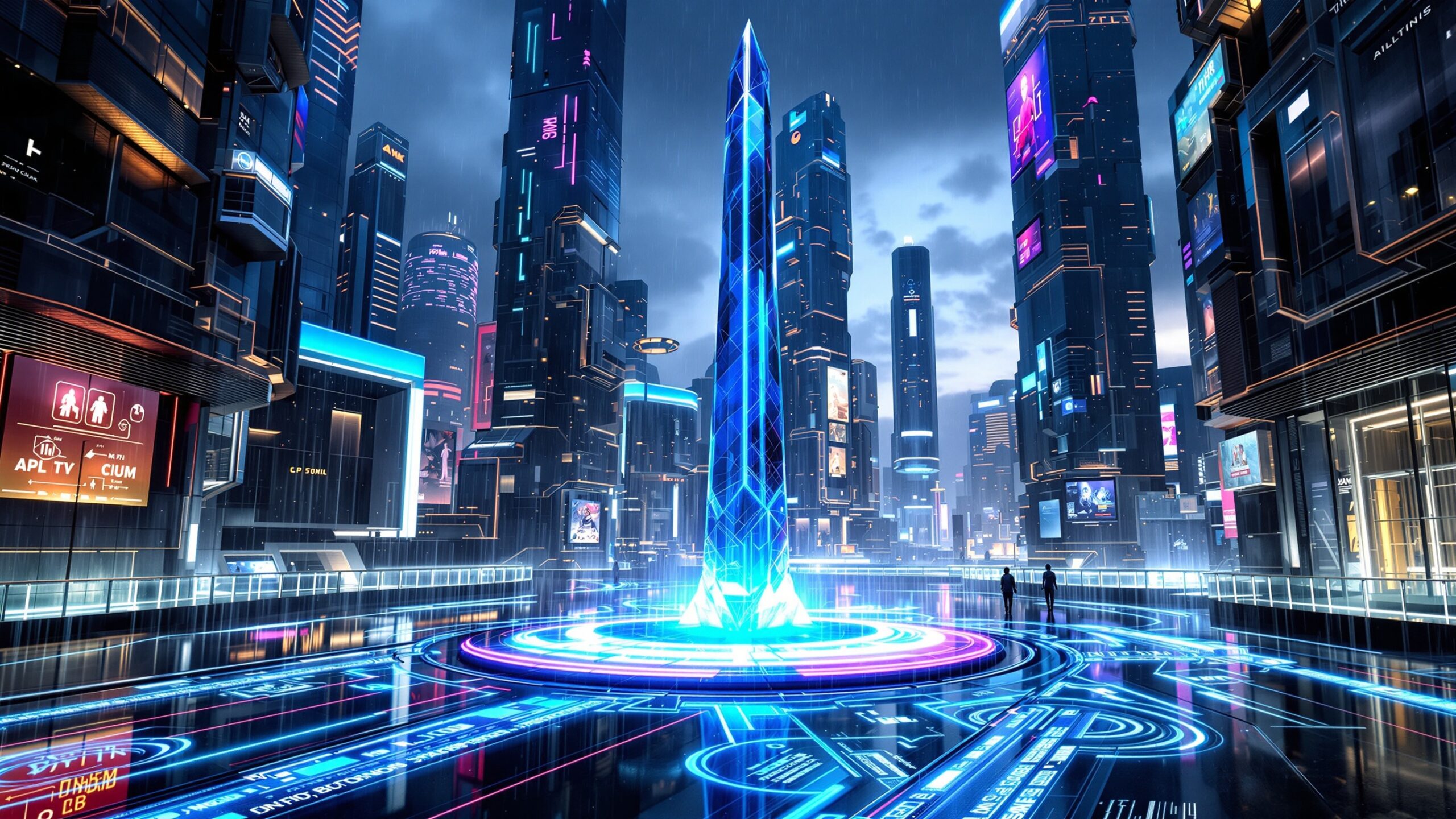
The future of themed design is undeniably digital. As technology continues to advance, the possibilities for immersive storytelling will expand exponentially. Emerging technologies, such as mixed reality, holographic displays, and advanced haptics, will further blur the boundaries between the physical and the virtual.
In the coming years, we can expect themed environments to become even more interactive, personalized, and adaptive. Digital tools will enable experiences that evolve in real time, responding to individual preferences and collective behavior. This level of responsiveness will redefine what it means to be immersed in a story.
At the same time, the core principles of themed design will remain unchanged. Storytelling, emotional engagement, and attention to detail will continue to be the foundation of successful experiences. Digital tools are not a replacement for these principles; they are a means of enhancing and expanding them.
Conclusion: A New Era of Experiential Design
Digital tools have fundamentally transformed the way themed worlds are created and experienced. From concept design to real-time interaction, these technologies enable a level of creativity, precision, and engagement that was once unimaginable. They allow designers to craft environments that are not only visually stunning but also dynamic, responsive, and deeply immersive.
As the industry continues to evolve, the integration of digital tools will become increasingly sophisticated. Designers will need to embrace new technologies, develop interdisciplinary skills, and adopt a systems-oriented approach to creation. Those who succeed will be able to create experiences that captivate audiences, tell compelling stories, and redefine the boundaries of immersive design.
In this new era, themed worlds are no longer static creations; they are living, evolving ecosystems powered by digital innovation. And as these tools continue to advance, the possibilities for immersive storytelling will be limited only by imagination.