The New Era of Immersive Design
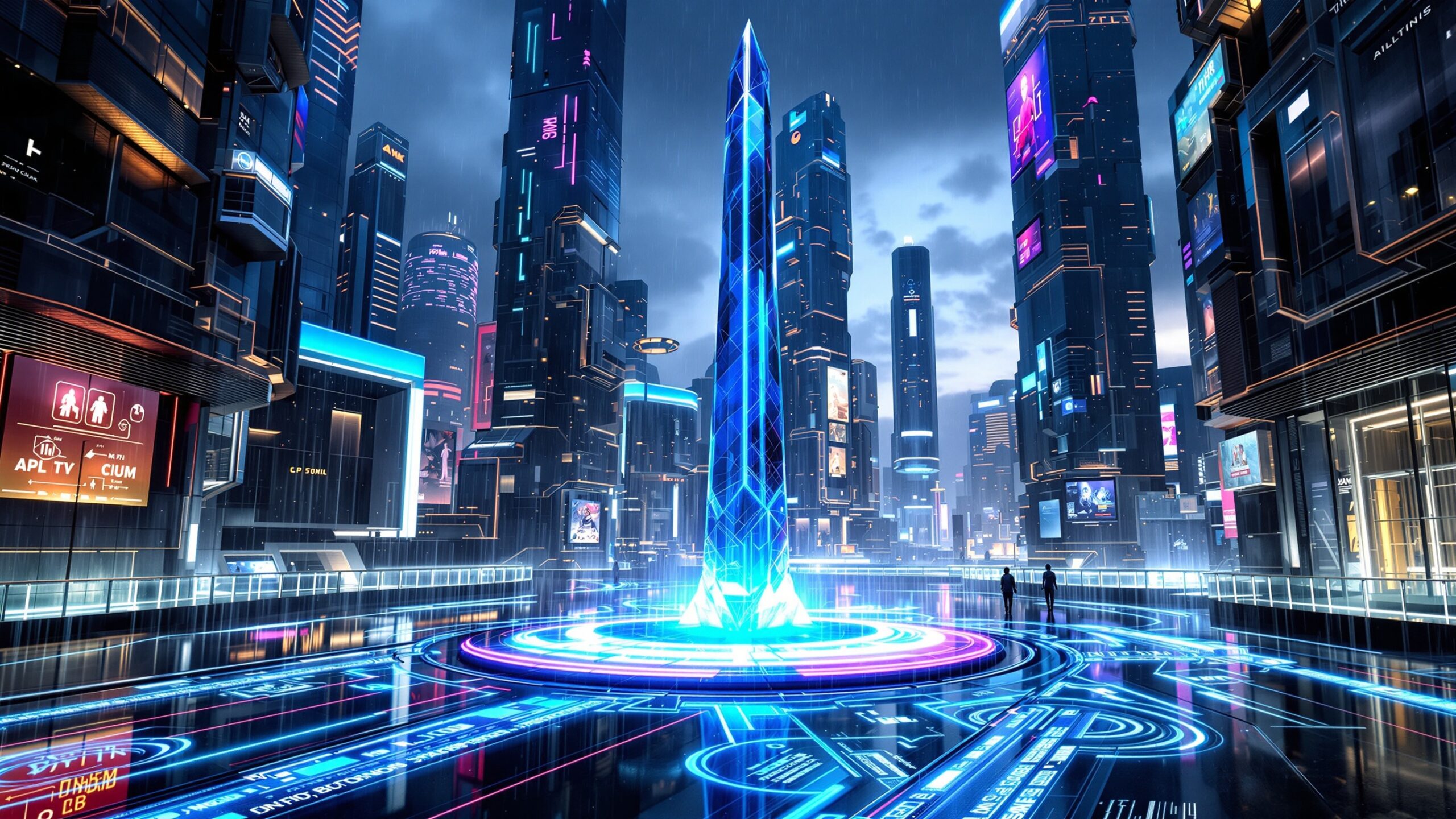
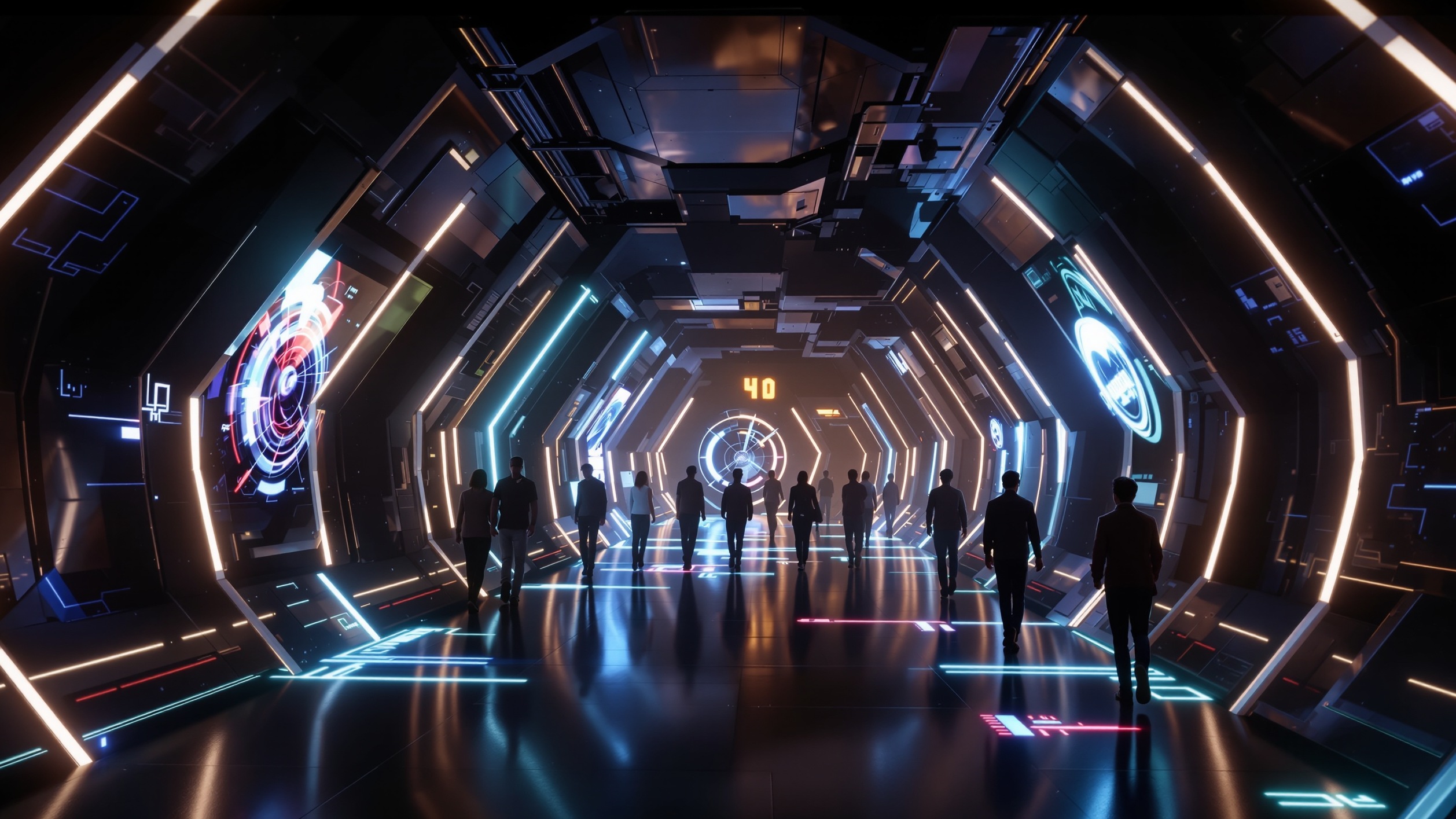
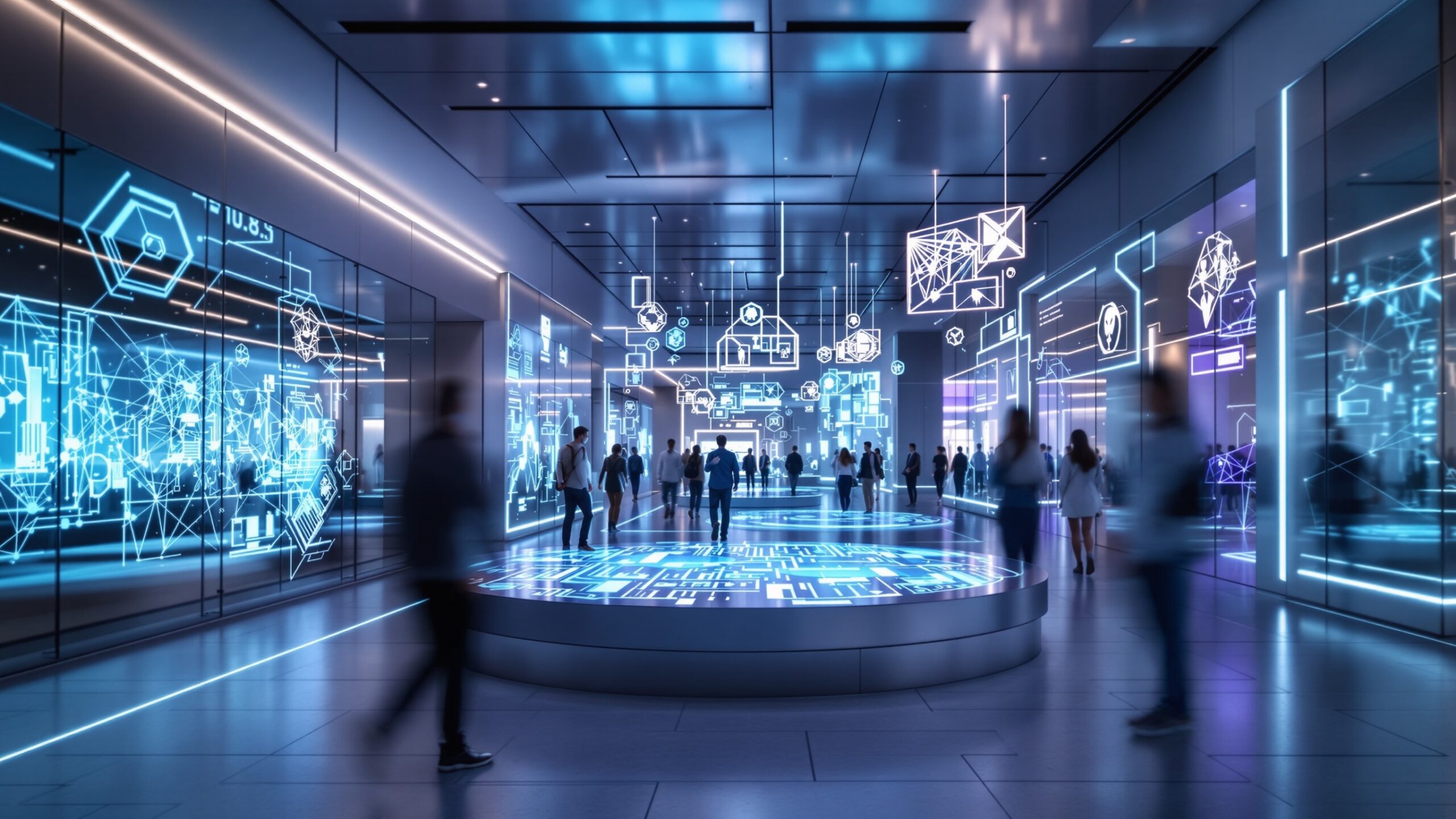
Themed environments have evolved far beyond decorative spaces and static storytelling. Today, they represent a convergence of architecture, digital engineering, sensory design, and behavioral psychology. From theme parks and retail spaces to museums, restaurants, hotels, and branded environments, modern themed experiences are increasingly powered by advanced technologies that blur the line between reality and imagination. The result is a new generation of environments that are not only visually compelling but also responsive, adaptive, and deeply immersive. Technology has shifted the role of themed environments from passive backdrops into dynamic, living systems. Guests are no longer just observers; they are participants. This transformation is driven by innovations in projection mapping, artificial intelligence, augmented and virtual reality, smart materials, and real-time data systems. Together, these tools enable designers to craft spaces that evolve moment by moment, creating experiences that feel personal, interactive, and unforgettable.
A: Seamless integration of storytelling, design, and responsive technology.
A: Costs vary widely, but scalable solutions exist for different budgets.
A: Critical—sound shapes emotion and spatial awareness.
A: Yes, compact systems can deliver powerful experiences.
A: AI personalizes and adapts experiences in real time.
A: Modern systems like LEDs and smart controls improve efficiency.
A: Designed for high traffic with robust materials and enclosures.
A: Theme parks, retail, museums, hospitality, and entertainment venues.
A: Digital systems allow frequent updates without physical changes.
A: Greater personalization, AI integration, and mixed reality expansion.
From Static Sets to Living Worlds
Traditionally, themed environments relied heavily on physical craftsmanship—hand-sculpted facades, painted murals, and mechanical effects. While these elements still play a vital role, they are now enhanced by digital layers that bring environments to life in ways previously unimaginable. Projection mapping, for instance, allows static surfaces to transform into animated canvases, shifting scenes, textures, and lighting in real time.
This evolution has redefined what it means to build a “set.” Instead of constructing multiple physical environments, designers can create flexible spaces that change instantly through software. A single room can transition from a medieval castle to a futuristic cityscape with the click of a button, dramatically reducing production costs while expanding creative possibilities.
Moreover, integrated control systems enable seamless synchronization of lighting, sound, motion, and visuals. This orchestration ensures that every element of the environment works in harmony, creating a cohesive narrative experience. Themed spaces are no longer static installations; they are programmable ecosystems capable of continuous transformation.
The Rise of Interactive Storytelling
One of the most significant impacts of technology on themed environments is the shift toward interactive storytelling. Guests are no longer passive recipients of a narrative; they actively influence how the story unfolds. This interactivity is achieved through a combination of sensors, wearable devices, mobile applications, and AI-driven systems.
For example, RFID-enabled wristbands or smartphones can track guest movements and preferences, allowing environments to respond in real time. A character might greet a guest by name, or a storyline might branch based on choices made during the experience. This level of personalization creates a deeper emotional connection and encourages repeat visits, as no two experiences are exactly the same.
Interactive storytelling also extends to gamification. Many modern themed environments incorporate game mechanics such as quests, challenges, and rewards. Guests become players, navigating through narratives that unfold based on their actions. This approach not only enhances engagement but also transforms the environment into a participatory experience that resonates with digitally native audiences.
Augmented and Virtual Reality Integration
Augmented reality (AR) and virtual reality (VR) are redefining the boundaries of themed environments by overlaying digital content onto physical spaces or transporting users into entirely virtual worlds. AR enhances real-world environments with digital elements that can be viewed through smartphones, tablets, or wearable devices. This allows designers to add layers of storytelling without altering the physical infrastructure.
In themed retail or museum settings, AR can bring exhibits to life, revealing hidden details, animations, or historical reconstructions. In entertainment venues, AR can turn entire environments into interactive playgrounds where digital characters and objects coexist with physical surroundings.
Virtual reality, on the other hand, offers fully immersive experiences that are not constrained by physical space. VR attractions within themed environments allow guests to explore worlds that would be impossible to build physically, such as outer space or fantastical realms. When combined with motion platforms and haptic feedback, VR creates multisensory experiences that feel remarkably real.
The integration of AR and VR also enables hybrid experiences, where physical sets are enhanced with digital overlays. This approach maximizes immersion while maintaining the tactile authenticity of real-world environments.
Artificial Intelligence and Personalization
Artificial intelligence is playing a pivotal role in transforming themed environments into intelligent, adaptive systems. AI algorithms analyze guest behavior, preferences, and interactions to tailor experiences in real time. This level of personalization was once unattainable but is now becoming a standard expectation.
In hospitality settings, AI can adjust lighting, music, and even scent profiles based on guest preferences. In themed attractions, AI-driven characters can engage in natural conversations, responding dynamically to guest input. These interactions create a sense of authenticity and immersion that traditional scripted experiences cannot match.
AI also enhances operational efficiency by optimizing crowd flow, predicting peak times, and managing resources. This ensures that the guest experience remains seamless, even in high-traffic environments. By combining personalization with operational intelligence, AI enables themed environments to deliver both emotional impact and logistical precision.
Smart Materials and Responsive Architecture
The physical components of themed environments are also undergoing a technological transformation. Smart materials and responsive architecture are enabling structures that can change shape, color, and texture in response to environmental conditions or user interactions.
LED-integrated surfaces, for example, can display dynamic visuals that adapt to different themes or times of day. Thermochromic materials can change color based on temperature, while kinetic architecture can physically move and reconfigure spaces. These innovations allow designers to create environments that feel alive and constantly evolving.
Responsive architecture also enhances sustainability. Smart systems can optimize energy usage by adjusting lighting, climate control, and other systems based on occupancy and environmental conditions. This not only reduces operational costs but also aligns with growing demands for environmentally responsible design.
The Power of Multisensory Experiences
Modern themed environments are increasingly designed to engage all five senses. Technology enables precise control over sensory elements such as sound, scent, temperature, and tactile feedback, creating immersive experiences that go beyond visual aesthetics.
Advanced audio systems can create spatial soundscapes that change as guests move through an environment. Scent delivery systems can evoke specific emotions or memories, enhancing the narrative. Climate control systems can simulate different weather conditions, adding another layer of realism.
Haptic technologies further deepen immersion by providing physical feedback. From vibrating floors to interactive surfaces, these elements create a tangible connection between the guest and the environment. By engaging multiple senses simultaneously, themed environments can create experiences that are not only memorable but also emotionally impactful.
Data-Driven Design and Continuous Evolution
One of the most transformative aspects of technology in themed environments is the ability to collect and analyze data. Sensors, cameras, and connected devices generate vast amounts of information about guest behavior and preferences. This data provides valuable insights that can be used to refine and improve experiences over time.
Designers can identify which areas of an environment are most engaging, where bottlenecks occur, and how guests interact with different elements. This information enables continuous optimization, ensuring that environments remain relevant and compelling.
Data-driven design also supports iterative storytelling. Narratives can be updated and expanded based on guest feedback and engagement patterns. This creates a dynamic relationship between the environment and its audience, where the experience evolves in response to user behavior.
Technology in Retail and Branded Spaces
The influence of technology on themed environments extends beyond entertainment into retail and branded experiences. Modern retail spaces are increasingly designed as immersive environments that tell a story and create an emotional connection with customers.
Interactive displays, digital mirrors, and personalized recommendations transform shopping into an engaging experience. Customers can visualize products in different contexts, receive tailored suggestions, and interact with brands in meaningful ways.
Branded environments, such as flagship stores and experiential marketing installations, leverage technology to create memorable impressions. These spaces are designed not just to sell products but to communicate brand identity and values. By integrating technology, brands can create experiences that resonate with consumers on a deeper level.
Challenges and Considerations
While technology offers immense opportunities, it also presents challenges that must be carefully managed. One of the primary concerns is the balance between technology and authenticity. Overreliance on digital elements can detract from the tactile and emotional qualities that make themed environments compelling.
Designers must ensure that technology enhances rather than overwhelms the experience. This requires a thoughtful approach that integrates digital and physical elements seamlessly. The goal is to create environments that feel natural and cohesive, rather than overly engineered.
Another challenge is the rapid pace of technological change. Systems that are cutting-edge today may become obsolete within a few years. This necessitates flexible design strategies that allow for upgrades and adaptations over time.
Privacy and data security are also critical considerations. As themed environments collect increasing amounts of data, it is essential to ensure that this information is handled responsibly and transparently.
The Future of Themed Environments
Looking ahead, the role of technology in themed environments is only expected to grow. Emerging technologies such as extended reality (XR), advanced robotics, and neural interfaces have the potential to push immersion to new levels.
The concept of the metaverse is also influencing the evolution of themed environments. Physical and digital spaces are becoming increasingly interconnected, allowing for hybrid experiences that span both realms. Guests may interact with digital avatars, participate in virtual events, or continue their experiences online after leaving a physical location.
Sustainability will also play a significant role in shaping the future. Technologies that reduce energy consumption, minimize waste, and promote environmental responsibility will become integral to the design of themed environments.
Ultimately, the future of themed environments lies in the ability to create experiences that are not only immersive and engaging but also meaningful and sustainable. Technology will continue to be a driving force, enabling designers to push the boundaries of what is possible.
A New Standard for Experience Design
Technology is fundamentally transforming modern themed environments, redefining how spaces are designed, experienced, and understood. By integrating digital and physical elements, designers can create environments that are dynamic, interactive, and deeply immersive.
This transformation is not just about innovation; it is about elevating the human experience. Themed environments are becoming platforms for storytelling, connection, and exploration, where technology serves as a tool to enhance creativity and engagement. As technology continues to evolve, so too will the possibilities for themed environments. The challenge for designers is to harness these tools in a way that preserves the magic of storytelling while embracing the potential of innovation. In doing so, they can create experiences that captivate, inspire, and leave a lasting impression on audiences around the world.