Three Words That Shape How We See the Past
Vintage, retro, and antique are often used as if they mean the same thing, but each word points to a different relationship with time. Antique usually refers to genuine age. Vintage points to an older period with recognizable quality or character. Retro often describes a newer object that borrows the look of the past. Knowing the difference helps you shop smarter, style rooms more clearly, and avoid paying antique prices for something that is simply old-looking.
A: Yes, a genuine 1970s object can be vintage and also have a retro look today.
A: No, value depends on rarity, maker, condition, demand, and usefulness.
A: Not necessarily; it is a design reference rather than an age claim.
A: Many sellers use twenty years or older, but the term is flexible.
A: Only after considering age, finish, value, and the least invasive repair.
A: They can be, if quality, comfort, and price fit the project.
A: Retro, vintage-inspired, or reproduction may be more accurate than vintage.
A: Yes, antiques often look strongest against clean modern backgrounds.
A: No, but it can support other evidence.
A: Vintage is often the easiest balance of character, cost, and daily use.
Antique Means Age First
In design and collecting, antique most often means an object is around one hundred years old or more. The exact definition can vary by market, but the idea is consistent: an antique has survived across generations. Its value may come from craftsmanship, rarity, provenance, material, maker, condition, or cultural importance. A carved nineteenth-century chair and an early hand-painted cabinet are not antique because they look old. They are antique because they genuinely come from an earlier historical period.
Age alone does not guarantee beauty or value. Some antiques are extraordinary; others are plain, damaged, altered, or common. For interiors, the important question is not only whether a piece qualifies as antique, but whether it can serve the room. A fragile chair may be better as a visual accent than daily seating. A sturdy antique table can become the soul of a dining room if its scale, finish, and maintenance needs fit modern life.
Antiques ask for respect. That does not mean they must sit in formal rooms or behind velvet ropes. It means you should understand what repairs, cleaning methods, and environmental conditions might harm them. Strong sunlight, harsh polish, damp rooms, and careless refinishing can reduce character as well as value. The best use of antiques lets age remain visible while making the piece feel genuinely welcome in the present.
Vintage Means Period Character
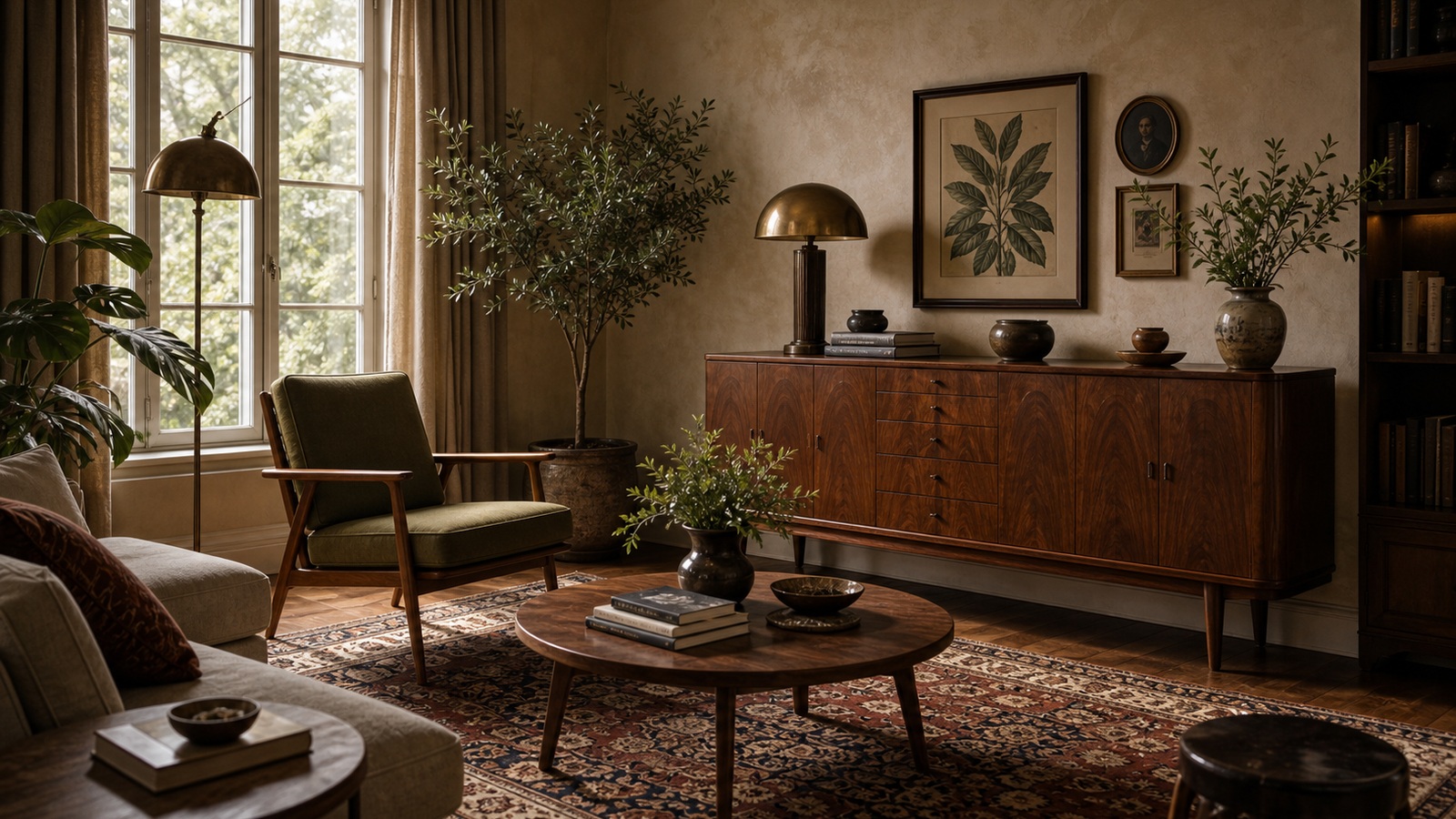
Vintage usually describes something old enough to represent a previous era but not necessarily old enough to be antique. Many people use it for pieces roughly twenty to ninety-nine years old, though the boundaries are flexible. A 1960s teak credenza, a 1980s postmodern chair, or a 1940s ceramic lamp can all be vintage because they carry the design language of their time.
Vintage is especially useful in interiors because it emphasizes character rather than strict collecting status. The word invites you to notice silhouette, material, color, pattern, and mood. A vintage object may be valuable, ordinary, rare, mass-produced, pristine, or worn. What matters is that it has a real connection to a past period. It is not pretending to be from that era; it belongs to it.
For styling, vintage pieces are often more forgiving than antiques. They can handle daily use more easily, replacement parts may be easier to find, and their proportions often sit better beside modern furniture. Vintage lighting, art, rugs, and storage can add immediate depth to a room without demanding a full historical treatment.
Retro Means Looking Back on Purpose
Retro is different because it does not have to be old. A brand-new toaster with 1950s curves, a contemporary sofa in a 1970s color, or a wallpaper printed today with a mid-century motif can all be retro. The object looks backward stylistically while being made later. Retro is about reference, revival, and playful borrowing.
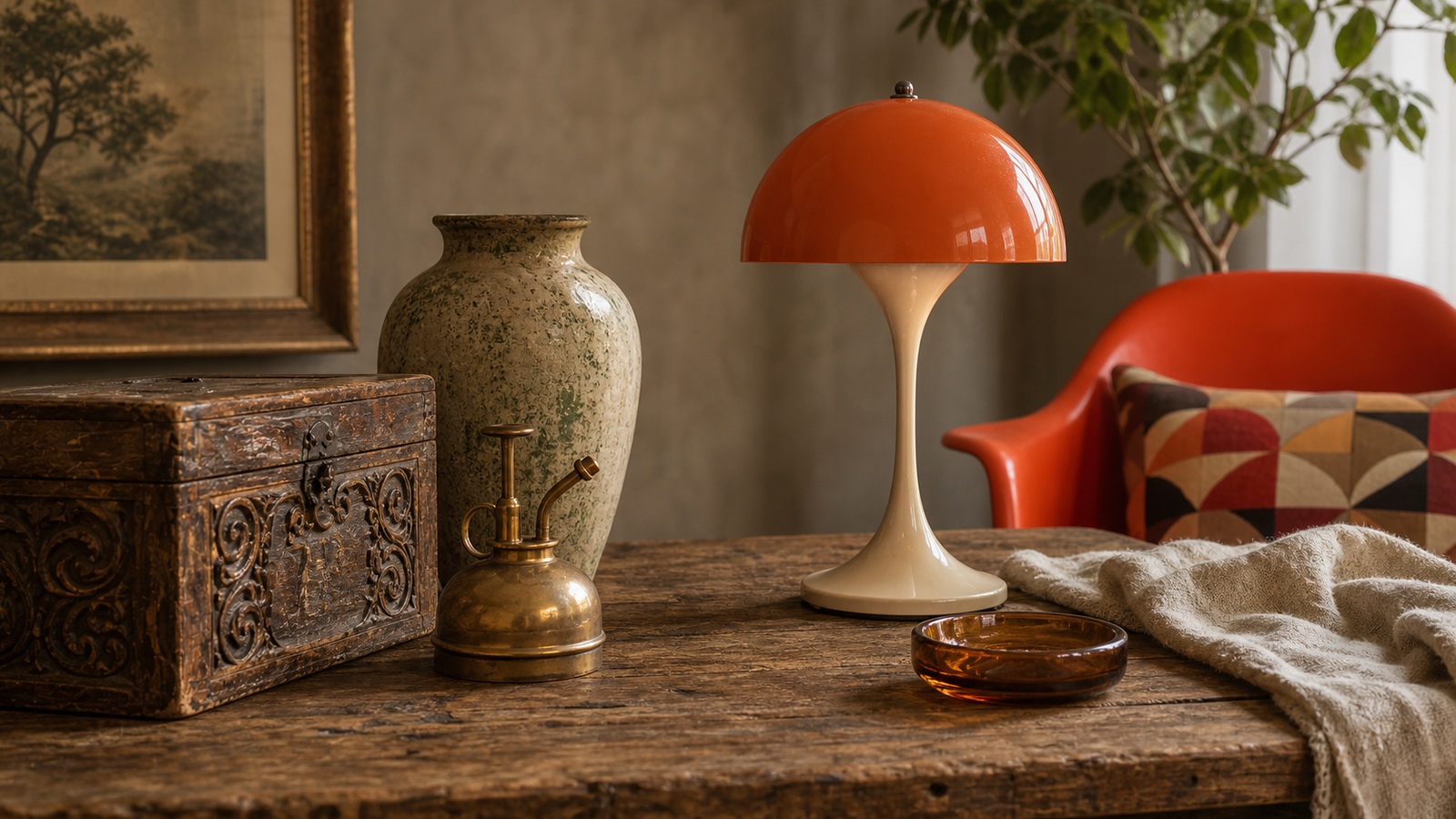
That makes retro powerful but also risky. Used well, it brings energy and clarity. A retro diner-style stool, pop color, or rounded lamp can give a room a cheerful time signal without the cost or fragility of older pieces. Used carelessly, retro can become costume. Too many literal references can make a room feel like a set rather than a home.
The easiest way to use retro is to treat it as a spice rather than the meal. Let one or two pieces deliver the throwback mood, then ground them with honest materials and contemporary comfort. Retro works best when the reference is clear but the room still feels useful today.
Why the Difference Matters When Shopping
The words affect price, expectation, and risk. Antique sellers may price according to age, maker, rarity, and condition. Vintage sellers may price according to desirability, trend, and design quality. Retro sellers may be offering new production, reproduction, or inspired pieces. None of these categories is automatically better. The right choice depends on budget, use, maintenance, and the emotional role the object will play.
When shopping online, ask for clear photos of construction, labels, undersides, backs, joints, hardware, and wear. A listing that says antique-style may mean the piece is new. A listing that says vintage-inspired may mean there is no period age at all. A true vintage item should have some evidence of period production, even if it is not rare. The more expensive the item, the more important it is to slow down and verify.
Language also helps you communicate with dealers, upholsterers, designers, and movers. If you know that your lamp is retro rather than vintage, you can make decisions without pretending it requires museum-level care. If a cabinet is genuinely antique, you can ask better questions before refinishing or altering it. Accurate words protect both your budget and the object.
How to Mix All Three at Home
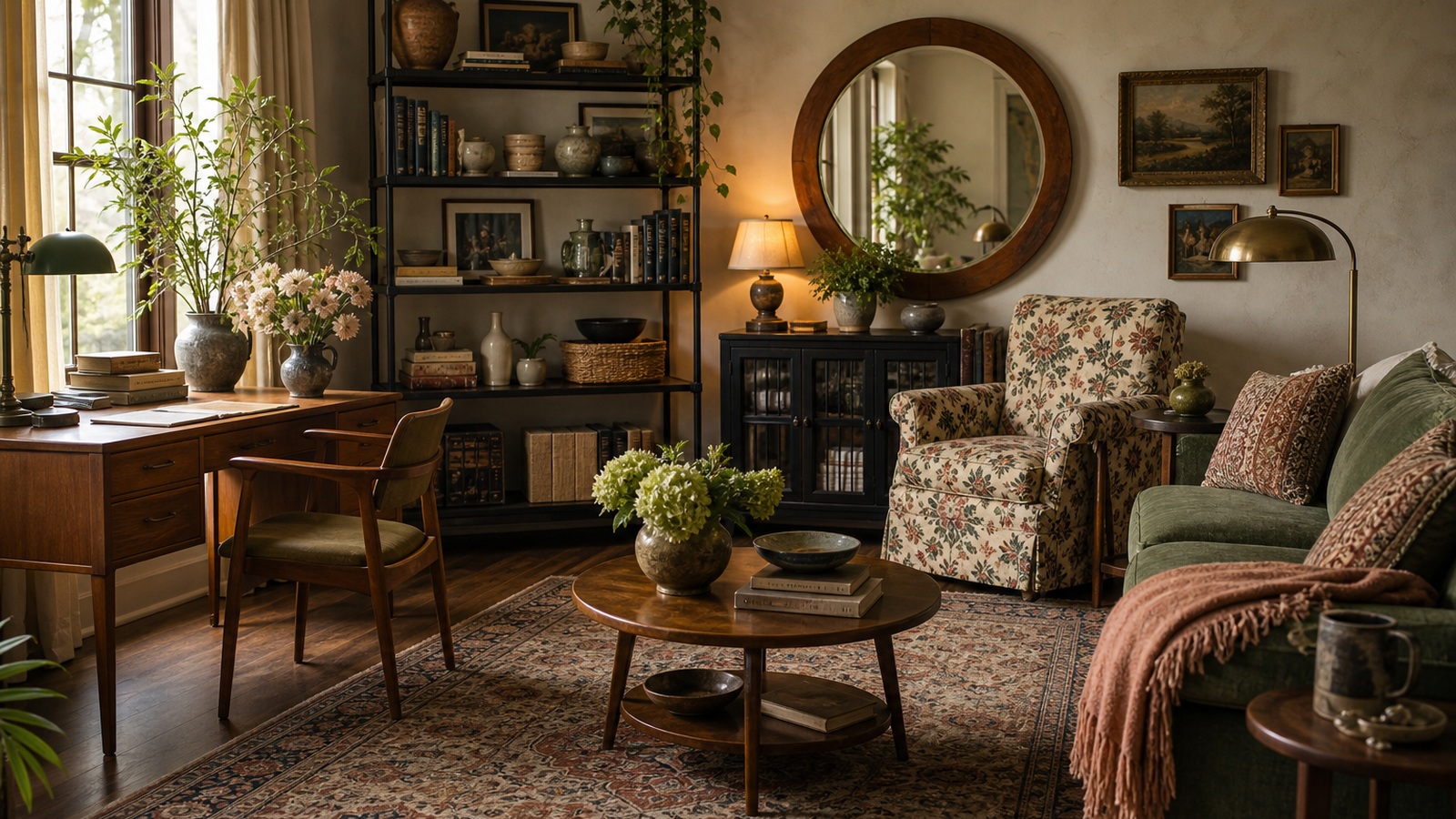
A room can contain antique, vintage, and retro elements at the same time. The trick is hierarchy. An antique farmhouse table might be the emotional anchor. Vintage dining chairs can make it usable and relaxed. A retro pendant light can add color or wit overhead. Because each category plays a different role, the mix feels intentional rather than confused.
Balance comes from repetition. Repeat a wood tone, a curve, a metal finish, or a color temperature across the room. If the antique piece is dark and heavy, use vintage textiles or retro color to lift the mood. If the retro item is bright and graphic, use older natural materials to keep it grounded. Mixing eras succeeds when the eye can travel through the room and find relationships.
It also helps to avoid equal volume. One antique, several vintage pieces, and one retro accent often work better than a room where every category competes for attention. Let the most meaningful item lead. The rest should support the mood, solve practical needs, or add contrast.
A Clear Way to Remember It
Think of antique as age, vintage as authentic period character, and retro as intentional revival. Antique asks, how old is it? Vintage asks, what era does it genuinely come from? Retro asks, what past style is it referencing? These questions are simple, but they change how you evaluate everything from a lamp to a dining set.
The difference is not about snobbery. A new retro object can be perfect if it gives you the look, durability, and price you need. A modest vintage piece can be more charming than a costly antique. A true antique can bring depth no reproduction can match. Once you know which category you are using, you can stop worrying about the label and start designing with purpose.
The best interiors are not vocabulary tests. They are living spaces where time feels layered, useful, and personal. Use the terms to make better choices, then let the room tell the richer story.
How the Labels Change Design Decisions
The label matters most when it changes what you do next. If a table is antique, you may avoid sanding it aggressively, replacing original hardware, or exposing it to direct sun. If a chair is vintage but common, you may feel freer to reupholster it in a fabric that fits your room. If a lamp is retro and newly made, you can judge it by design quality and function rather than by preservation concerns.
These distinctions also help set expectations for wear. A true antique may have small repairs, finish variation, or tool marks that belong to its story. A vintage piece may show ordinary household use without being fragile. A new retro object should not use age as an excuse for poor construction. When sellers blur the language, buyers sometimes accept flaws they would not accept if the category were clear.
In a finished room, the labels can guide balance. Antiques usually bring gravity, so they often need lighter companions. Vintage pieces bring period flavor, so they can appear in larger numbers. Retro pieces bring reference and energy, so they are often strongest as accents. A room that understands these roles can mix time periods while still feeling composed.
The categories also shape sustainability choices. Buying antique or vintage can keep existing objects in use, but restoration, transport, and materials still matter. Buying retro new can be sensible when safety, size, or durability is the priority. The best choice is not always the oldest choice. It is the one that serves the room honestly and will be kept long enough to justify itself.
Once you understand the difference, you can shop with less anxiety. You can ask sharper questions, compare prices more fairly, and decide when authenticity matters. Sometimes the antique is worth saving for. Sometimes the vintage piece is the sweet spot. Sometimes the retro version gives you exactly the mood you want without the maintenance. Clear language simply gives you control.
A Practical Sorting Test
When you are unsure which word fits, ask three questions in order. Is the piece old enough to qualify as antique by the standards of the seller or market? If not, does it genuinely come from a past design period with recognizable character? If not, is it a newer piece that intentionally borrows an older look? The answers usually point you toward antique, vintage, or retro.
Then ask whether the distinction changes your decision. If the price is low and the object is purely decorative, the exact label may not matter much. If the piece is expensive, fragile, structural, or likely to be altered, the label matters a great deal. You should know whether you are preserving history, adapting a period object, or simply buying a stylish revival.
This sorting test also protects your design from muddled expectations. You can enjoy a retro lamp without pretending it is vintage. You can reupholster a common vintage chair without guilt. You can preserve an antique cabinet because its age is part of its value. Clarity makes the room more relaxed because every object is allowed to be what it is.
When Accuracy Matters Most
Accuracy matters most when money, alteration, or preservation is involved. A casual retro accessory does not need a research file. A costly cabinet described as antique deserves more care. Ask for details, compare examples, and avoid pressure to decide before you understand what is being sold.
Accuracy also matters when you plan to repair or customize. Rewiring a lamp is usually sensible. Painting an important antique chest may be a serious loss. Reupholstering a common vintage chair may give it decades of new use. The label helps you decide how cautious to be.
For design alone, the emotional truth of the piece can matter more than the technical term. If a new retro chair brings the exact color and silhouette a room needs, it can be the right choice. If an antique object feels too fragile or formal, it may be better admired elsewhere.
The real skill is matching the category to the job. Let antiques carry history, let vintage pieces provide authentic period character, and let retro objects add accessible revival energy. Each can be excellent when used honestly.