Designing with Purpose in a Resource-Conscious World
Green theming is more than a design trend—it is a philosophy that merges creativity, sustainability, and long-term thinking into a cohesive approach to building spaces and experiences. In an era defined by climate awareness, resource scarcity, and environmental accountability, designers are no longer judged solely by aesthetics. Instead, they are evaluated by how responsibly they use materials, how efficiently their designs perform, and how thoughtfully they integrate with the natural world. At its core, green theming refers to the intentional creation of environments—whether physical, digital, or experiential—that prioritize environmental sustainability without compromising visual appeal or user engagement. It is about designing with both beauty and responsibility in mind. From eco-conscious retail spaces and themed attractions to sustainable home interiors and branded environments, green theming offers a framework for reducing environmental impact while enhancing storytelling and immersion. This guide explores the foundational principles, materials, technologies, and design strategies that define green theming. Whether you are a designer, builder, brand strategist, or simply someone interested in sustainable environments, understanding this concept opens the door to smarter, more future-ready design.
A: It’s the integration of sustainable practices into themed design environments.
A: Initial costs can be higher, but long-term savings often offset them.
A: Recycled, renewable, and low-impact materials like bamboo or reclaimed wood.
A: It often enhances creativity by introducing innovative constraints.
A: Healthier air, natural light, and calming elements improve comfort.
A: Yes, even small changes like lighting and materials make a difference.
A: Smart systems optimize energy use and environmental performance.
A: Yes, systems like LEED and WELL validate sustainable design.
A: No, it’s widely used in commercial, retail, and experiential spaces.
A: Reduced environmental impact while maintaining immersive design quality.
Defining Green Theming: Beyond Aesthetic Sustainability
Green theming is often misunderstood as simply adding plants, using earthy colors, or incorporating recycled materials into a space. While these elements can be part of the approach, true green theming operates on a much deeper level. It is a systems-based methodology that considers the full lifecycle of a design—from concept and sourcing to construction, use, and eventual deconstruction.
A green-themed environment is designed to minimize environmental impact at every stage. This includes reducing energy consumption, selecting renewable or low-impact materials, optimizing water usage, and limiting waste. However, it also extends into less obvious areas such as supply chain transparency, carbon footprint reduction, and long-term durability.
Importantly, green theming does not sacrifice creativity. In fact, it often enhances it. Constraints around sustainability frequently lead to innovative design solutions, unique material applications, and more thoughtful storytelling. A reclaimed wood installation, for example, does not just serve a structural or decorative purpose—it carries a narrative of reuse, history, and environmental stewardship.
The Evolution of Eco-Focused Design
The roots of green theming can be traced back to early sustainable architecture movements of the late 20th century, when energy efficiency and passive design strategies began to gain traction. Over time, these ideas expanded into broader design disciplines, including interior design, exhibition design, and themed entertainment.
In the early 2000s, green building certifications such as LEED (Leadership in Energy and Environmental Design) helped formalize sustainability standards. These frameworks introduced measurable criteria for energy use, water efficiency, material selection, and indoor environmental quality. As a result, sustainability became more than a philosophical goal—it became quantifiable.
Today, green theming represents the next evolution of this movement. It combines the technical rigor of sustainable architecture with the narrative depth of themed design. The result is an approach that is both environmentally responsible and emotionally engaging. Designers are no longer just building efficient spaces—they are crafting experiences that communicate values, inspire behavior change, and reflect a commitment to sustainability.
Core Principles of Green Theming
Green theming is guided by several foundational principles that shape decision-making throughout the design process. These principles ensure that sustainability is not an afterthought, but an integral part of the creative strategy.
The first principle is lifecycle thinking. Every material and system used in a design has a lifecycle, from extraction and manufacturing to disposal or reuse. Green theming requires designers to evaluate each stage and prioritize options with the lowest environmental impact. This often leads to the selection of durable materials, modular components, and products that can be easily disassembled and recycled.
Another key principle is resource efficiency. This includes minimizing energy consumption through efficient lighting, HVAC systems, and passive design strategies. It also involves reducing water usage and selecting materials that require fewer resources to produce and maintain.
Material integrity is equally important. Green theming emphasizes the use of non-toxic, sustainably sourced, and ethically produced materials. This not only reduces environmental harm but also improves indoor air quality and occupant health.
Finally, there is the principle of storytelling. Green theming is not just about what is used, but how it is presented. Sustainable elements should be visible, understandable, and meaningful to users. When people can see and connect with eco-friendly design choices, they are more likely to appreciate and adopt sustainable behaviors themselves.
Sustainable Materials: The Backbone of Green Design
Material selection is one of the most critical aspects of green theming. The materials used in a design have a significant impact on its overall environmental footprint, influencing everything from carbon emissions to waste generation.
Reclaimed and recycled materials are a cornerstone of eco-focused design. Reclaimed wood, for instance, reduces the need for new logging while adding character and history to a space. Recycled metals and plastics help divert waste from landfills and reduce the energy required for raw material extraction.
Rapidly renewable materials such as bamboo, cork, and certain grasses are also widely used. These materials regenerate quickly, making them a more sustainable alternative to traditional hardwoods. In addition, bio-based materials such as mycelium (derived from fungi) and bioplastics are gaining popularity for their low environmental impact and innovative properties.
Low-VOC (volatile organic compound) materials are another important consideration. Paints, adhesives, and finishes that emit fewer chemicals contribute to healthier indoor environments and reduce air pollution.
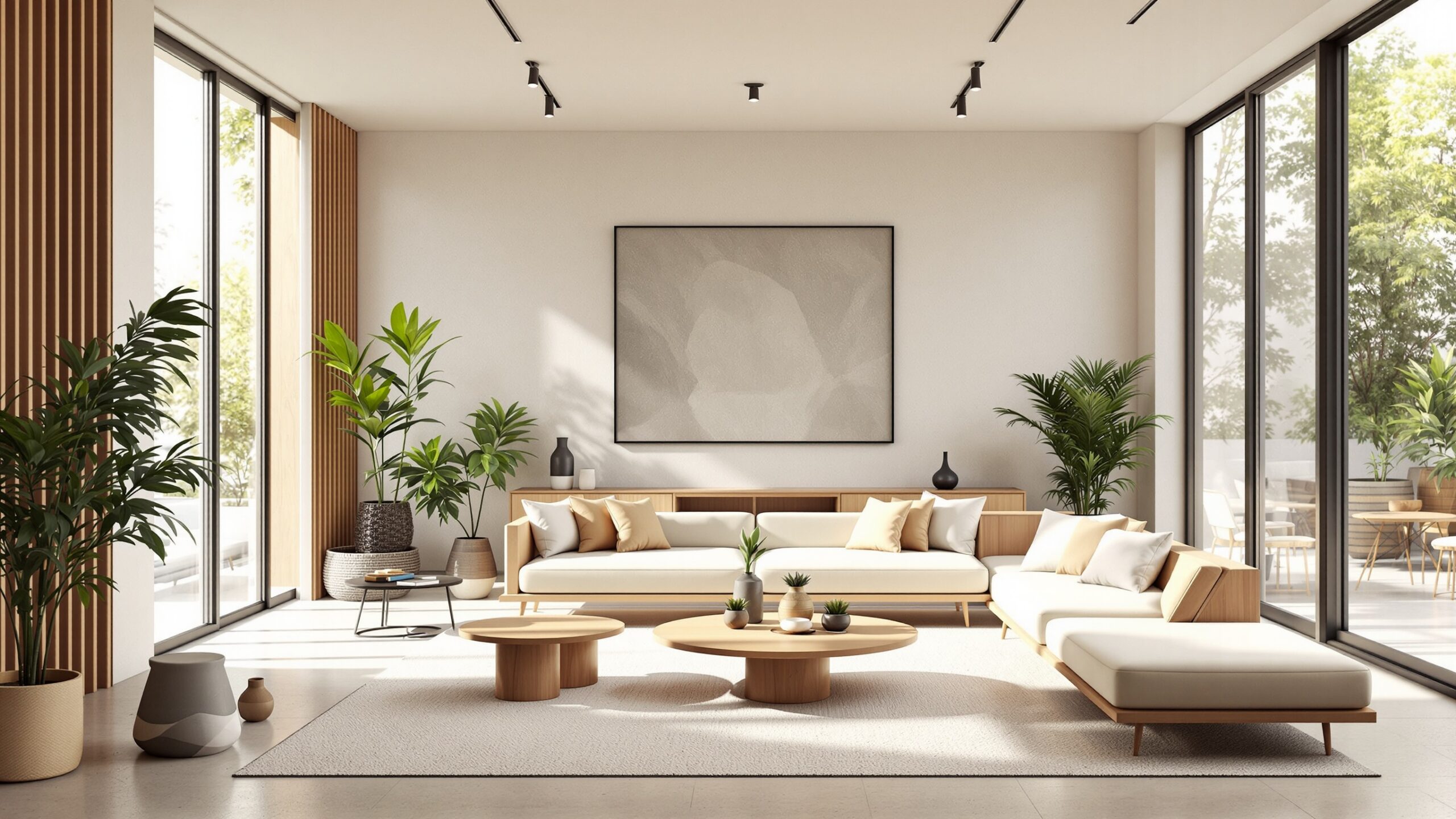
Ultimately, the goal is to create a material palette that is not only sustainable but also aligned with the design narrative. A nature-inspired theme, for example, might incorporate raw textures, organic shapes, and earthy tones, all sourced from environmentally responsible materials.
Energy Efficiency and Smart Systems
Energy use is a major factor in the environmental impact of any designed space. Green theming addresses this through a combination of passive design strategies and advanced technologies.
Passive design focuses on optimizing natural elements such as sunlight, airflow, and insulation to reduce the need for artificial heating, cooling, and lighting. This can include strategic window placement, shading devices, and the use of thermal mass materials.
On the technological side, smart systems play a crucial role. LED lighting, for example, consumes significantly less energy than traditional lighting while offering greater flexibility in design. Smart sensors and automation systems can adjust lighting, temperature, and ventilation based on occupancy and usage patterns, ensuring that energy is used only when needed.
Renewable energy sources such as solar panels and wind systems are also increasingly integrated into green-themed environments. These systems not only reduce reliance on fossil fuels but also serve as visible symbols of sustainability.
Water Conservation and Environmental Integration
Water is a precious resource, and green theming incorporates strategies to use it efficiently and responsibly. Low-flow fixtures, rainwater harvesting systems, and greywater recycling are common features in eco-focused designs.
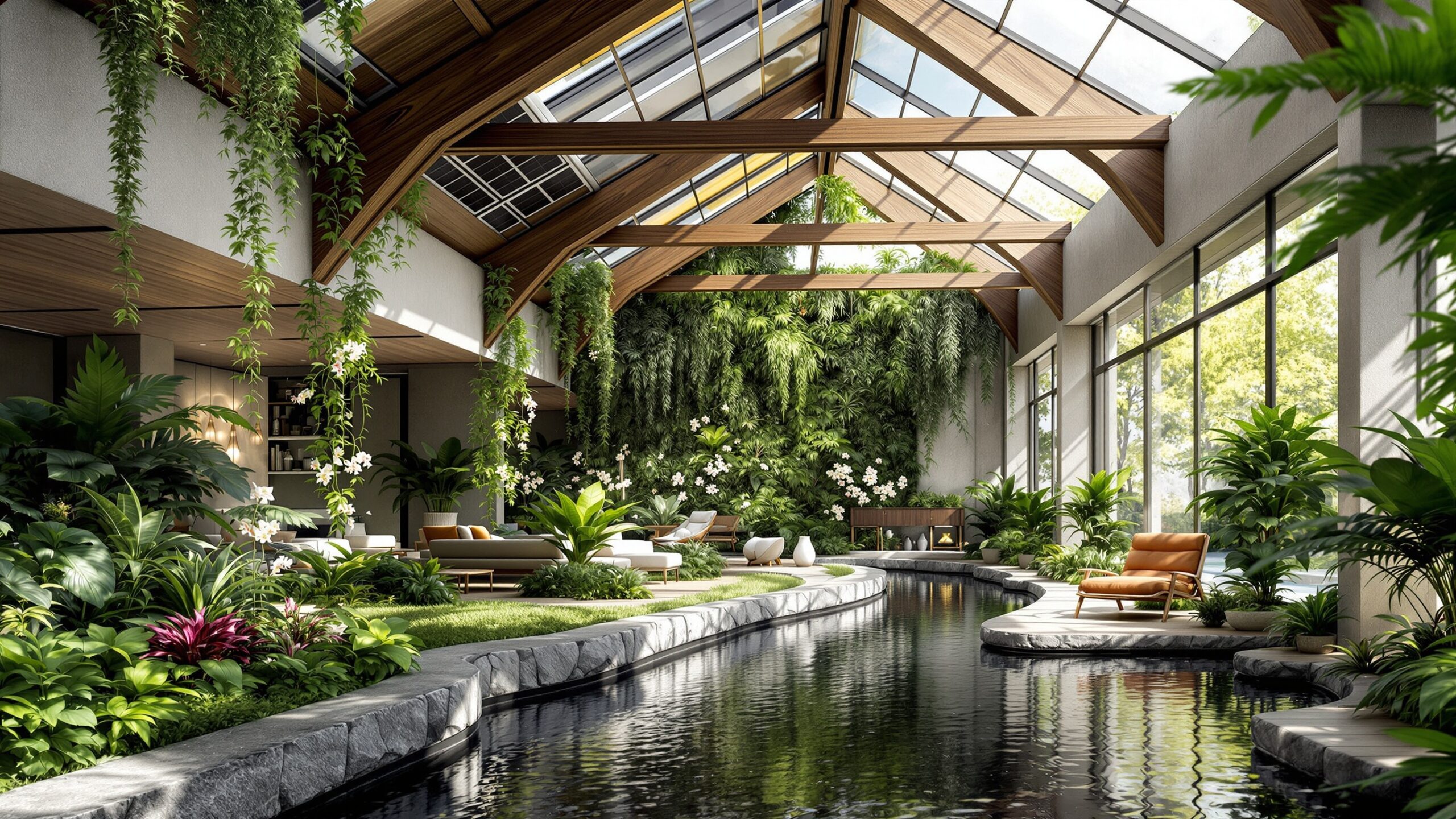
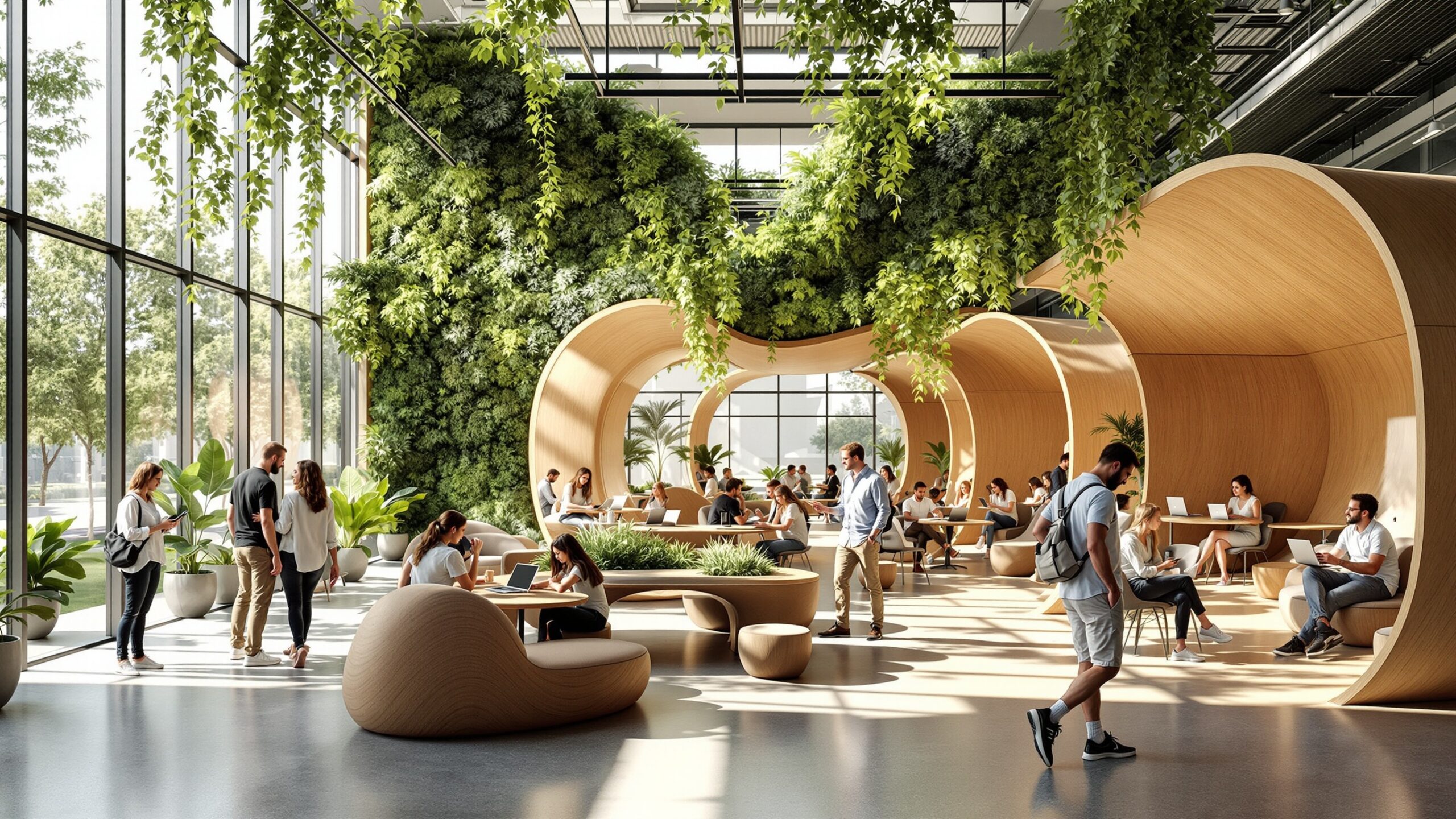
Beyond conservation, green theming also emphasizes integration with the natural environment. This can involve the use of native plants in landscaping, green roofs, and living walls that improve air quality and provide insulation. These elements not only enhance sustainability but also create visually striking and immersive environments.
In themed spaces, water features can be designed to recirculate and minimize waste, combining aesthetic appeal with environmental responsibility. The goal is to create a harmonious relationship between built environments and the ecosystems they inhabit.
Designing for Longevity and Adaptability
One of the most overlooked aspects of sustainability is durability. A design that needs to be replaced frequently generates more waste and consumes more resources over time. Green theming addresses this by prioritizing longevity and adaptability.
Durable materials, modular construction techniques, and flexible layouts allow spaces to evolve without requiring complete redesigns. This is particularly important in commercial and themed environments, where trends and user needs can change rapidly.
Adaptability also extends to technology. Designing spaces that can accommodate future upgrades without major structural changes ensures that they remain relevant and efficient over time.
The Role of Storytelling in Green Theming
Storytelling is what transforms green theming from a technical exercise into an engaging experience. By weaving sustainability into the narrative of a space, designers can create deeper emotional connections with users.
For example, a retail space might highlight the journey of its materials, showcasing how recycled components were transformed into functional design elements. An exhibit might use interactive displays to educate visitors about environmental issues and solutions.
This narrative approach not only enhances user engagement but also reinforces the values behind the design. It turns sustainability into a visible, tangible, and memorable part of the experience.
Challenges and Misconceptions
Despite its benefits, green theming is not without challenges. One common misconception is that sustainable design is always more expensive. While some eco-friendly materials and technologies may have higher upfront costs, they often result in long-term savings through reduced energy use, lower maintenance, and increased durability.
Another challenge is balancing aesthetics with sustainability. Some designers worry that eco-focused constraints will limit creativity. In reality, these constraints often lead to more innovative and distinctive designs.
There is also the issue of greenwashing, where products or designs are marketed as sustainable without meeting meaningful environmental standards. This highlights the importance of transparency, certifications, and informed decision-making.
The Future of Green Theming
As environmental concerns continue to grow, green theming is poised to become a standard practice rather than a niche approach. Advances in materials science, renewable energy, and digital design tools are expanding the possibilities for sustainable design.
Emerging technologies such as carbon-negative materials, 3D-printed structures, and AI-driven optimization are reshaping how designers approach sustainability. At the same time, increased consumer awareness is driving demand for eco-friendly environments across industries.
In this evolving landscape, green theming represents a powerful convergence of design, technology, and environmental responsibility. It is not just about reducing harm—it is about creating spaces that actively contribute to a healthier, more sustainable world.
Building a Better Design Ethos
Green theming is a foundational shift in how we think about design. It challenges us to move beyond aesthetics and consider the broader impact of our choices. By integrating sustainability into every aspect of the design process, we can create environments that are not only visually compelling but also environmentally responsible and future-ready.
For designers, this approach offers an opportunity to innovate, differentiate, and lead. For users, it provides spaces that are healthier, more efficient, and more meaningful. And for the planet, it represents a step toward a more sustainable and balanced future. As the principles of green theming continue to evolve, one thing remains clear: the future of design is not just about what we create, but how—and why—we create it.