The Rise of Purpose-Driven Design
Sustainable theming is no longer a niche concept reserved for environmentally conscious brands—it has become a central philosophy shaping how modern spaces are imagined, constructed, and experienced. As global awareness around climate change, resource depletion, and environmental responsibility continues to grow, designers, architects, and developers are rethinking traditional approaches to themed environments. The goal is no longer just to impress or entertain, but to do so responsibly, with a reduced ecological footprint and a deeper respect for the natural world. At its core, sustainable theming blends storytelling with eco-design principles. It merges creativity with conservation, ensuring that every visual element, material choice, and operational system aligns with long-term environmental goals. Whether it’s a retail environment, hospitality venue, theme park attraction, or residential interior, sustainable theming seeks to create immersive experiences that are both visually compelling and environmentally accountable.
A: It’s designing immersive spaces with minimal environmental impact.
A: No—constraints often inspire more innovative and authentic designs.
A: Sometimes upfront, but they often reduce long-term costs.
A: Through efficient lighting, HVAC systems, and smart technologies.
A: Yes—reclaimed materials are a key part of eco-design.
A: It optimizes energy, water, and operational efficiency.
A: Increasingly yes, and many value it highly.
A: A design approach that connects people with nature.
A: Absolutely—efficiency is often easier at smaller scales.
A: Lower environmental impact while enhancing long-term experience quality.
Defining Eco-Design in Themed Spaces
Eco-design, often referred to as sustainable design or green design, involves creating products and environments with minimal negative impact on the environment. In themed spaces, this approach extends beyond energy efficiency or recycled materials—it encompasses the entire lifecycle of the design. From concept development to fabrication, installation, maintenance, and eventual deconstruction, every phase is evaluated through a sustainability lens.
Designers consider factors such as material sourcing, energy consumption, waste generation, and durability. For example, a themed installation might use reclaimed wood instead of newly harvested timber, or opt for low-VOC paints to improve indoor air quality. Lighting systems may rely on LED technology paired with smart controls to reduce energy usage, while structural elements are designed for modularity, allowing them to be reused or repurposed in future projects.
This holistic perspective ensures that sustainability is not an afterthought but an integral part of the creative process. It transforms eco-design into a framework that supports both environmental stewardship and innovative storytelling.
Materials That Tell a Sustainable Story
One of the most visible aspects of sustainable theming is the selection of materials. In traditional themed environments, materials are often chosen purely for aesthetic appeal or cost efficiency. However, in eco-conscious design, materials carry a narrative of their own—one that reflects responsible sourcing, reduced environmental impact, and long-term durability.
Reclaimed and recycled materials are widely used to reduce demand for virgin resources. For instance, reclaimed metal can be repurposed into industrial-style decor, while recycled plastics may be transformed into durable structural components. Bamboo, cork, and other rapidly renewable materials are increasingly popular due to their low environmental impact and versatility.
Beyond sourcing, the treatment and finish of materials also matter. Water-based adhesives, natural sealants, and non-toxic coatings help minimize harmful emissions, creating healthier indoor environments. Designers are also prioritizing materials that age gracefully, developing patinas over time rather than deteriorating quickly. This approach not only enhances the authenticity of themed spaces but also reduces the need for frequent replacements.
Energy Efficiency as a Design Narrative
Energy efficiency is a cornerstone of sustainable theming, but in modern design, it is also becoming part of the story itself. Rather than hiding sustainable technologies behind the scenes, many designers are choosing to highlight them as integral components of the experience.
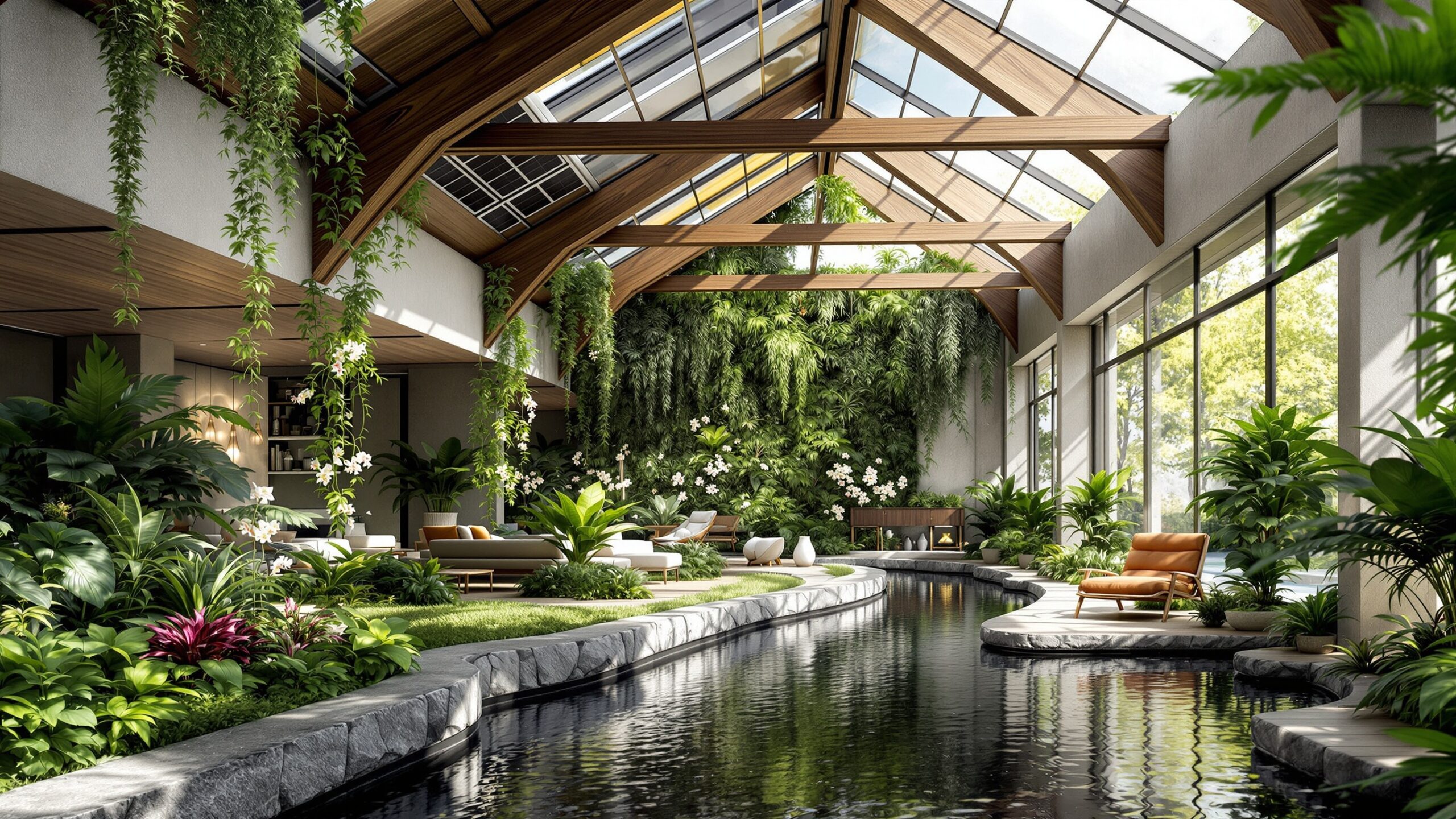
Solar panels, for example, may be incorporated into architectural features, blending seamlessly with the overall aesthetic while generating renewable energy. Interactive displays can educate visitors about energy consumption, turning sustainability into an engaging, educational element. Smart lighting systems adjust brightness and color temperature based on occupancy and natural light levels, enhancing both ambiance and efficiency.
Heating, ventilation, and air conditioning systems are also optimized for performance, often using advanced controls and energy recovery technologies. In some cases, natural ventilation and passive cooling strategies are employed, reducing reliance on mechanical systems altogether. These design choices not only lower operational costs but also reinforce the theme of environmental responsibility.
Water Conservation in Immersive Environments
Water is a critical resource, and sustainable theming places a strong emphasis on its conservation. In environments where water features are central to the design—such as fountains, waterfalls, or aquatic displays—innovative systems are used to minimize waste and maximize efficiency.
Closed-loop water systems allow water to be continuously filtered and reused, reducing overall consumption. Rainwater harvesting systems collect and store precipitation for use in irrigation or decorative features. Low-flow fixtures and smart irrigation technologies further enhance water efficiency, ensuring that every drop is used wisely.
Designers are also exploring ways to integrate natural landscapes into themed environments, using native plants that require less water and maintenance. These landscapes not only support local ecosystems but also contribute to the authenticity and sustainability of the space.
Designing for Longevity and Adaptability
A key principle of sustainable theming is designing for longevity. In the past, many themed environments were built with a short lifespan in mind, often requiring frequent updates or complete overhauls. This approach led to significant waste and resource consumption.
Today, designers are focusing on durability and adaptability. Structures are built to withstand wear and environmental conditions, using high-quality materials and construction techniques. Modular design allows components to be easily replaced, upgraded, or reconfigured without dismantling the entire environment.
This flexibility is particularly valuable in commercial spaces, where themes may need to evolve over time. By designing with adaptability in mind, businesses can refresh their environments without generating excessive waste, extending the lifecycle of their investments.
The Role of Technology in Sustainable Theming
Technology plays a pivotal role in advancing sustainable theming. Digital tools enable designers to simulate and optimize their concepts before construction begins, reducing material waste and improving efficiency. Building Information Modeling (BIM) allows for precise planning and coordination, ensuring that every element is accounted for.
In operational environments, smart systems monitor energy usage, water consumption, and environmental conditions in real time. This data-driven approach enables continuous optimization, helping operators identify inefficiencies and implement improvements.
Augmented reality and virtual reality are also being used to enhance themed experiences without relying on physical materials. By creating digital overlays or immersive virtual environments, designers can achieve high levels of engagement while minimizing resource use.
Biophilic Design and Human Connection
Sustainable theming is not just about environmental impact—it is also about creating spaces that support human well-being. Biophilic design, which emphasizes the connection between people and nature, is a key component of this approach.
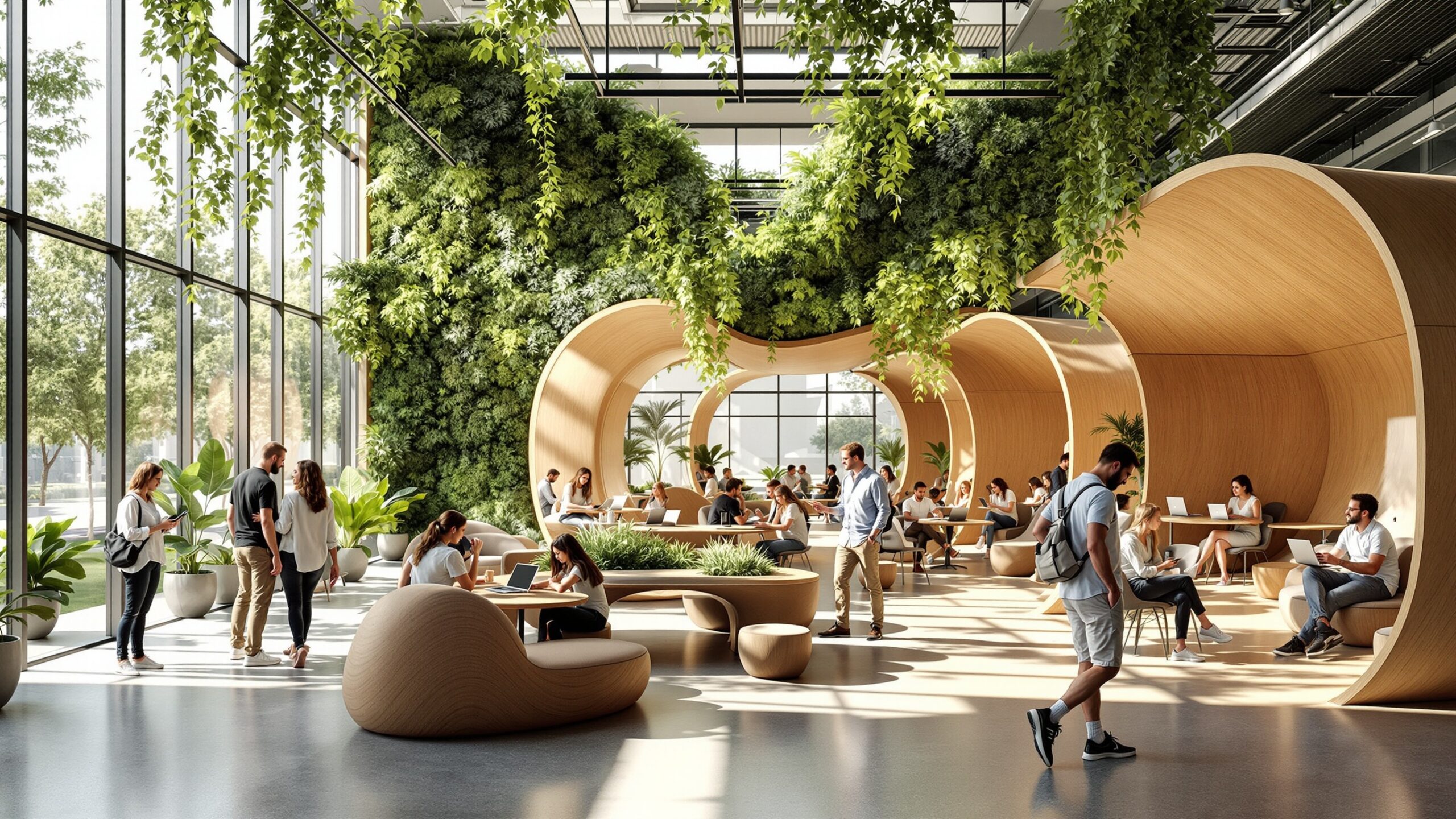
Incorporating natural elements such as plants, water features, and natural light can have a profound effect on mood, productivity, and overall health. These elements are often integrated into themed environments in ways that enhance the narrative while promoting sustainability.
For example, a rainforest-themed space might use living walls and natural materials to create an authentic atmosphere, while also improving air quality and reducing energy consumption. This synergy between design and well-being underscores the holistic nature of sustainable theming.
Waste Reduction and Circular Design
Waste reduction is a fundamental goal of eco-design, and in themed environments, this often involves adopting circular design principles. Instead of a linear model where materials are used and then discarded, circular design focuses on reuse, recycling, and regeneration.
Designers plan for the end of a project’s lifecycle from the very beginning, selecting materials that can be easily disassembled and repurposed. Components are designed to be reusable, allowing them to be integrated into future projects.
Construction processes are also optimized to minimize waste, with prefabrication and precise fabrication techniques reducing excess material. On-site recycling programs ensure that any waste generated is properly managed.
Branding and Consumer Expectations
Sustainability is increasingly influencing consumer behavior, and themed environments are no exception. Visitors are more aware of environmental issues and often expect brands to demonstrate responsible practices.
Sustainable theming provides an opportunity for businesses to align their physical spaces with their values. By incorporating eco-design principles, brands can communicate their commitment to sustainability in a tangible way.
This alignment can enhance brand perception, build trust, and create a deeper connection with audiences. In many cases, sustainability becomes part of the story being told, adding an additional layer of meaning to the experience.
Case Studies in Sustainable Theming
Across industries, there are numerous examples of sustainable theming in action. Theme parks are incorporating renewable energy systems and sustainable materials into their attractions. Hotels are designing eco-friendly interiors that reflect local culture while minimizing environmental impact. Retail spaces are using modular displays and recycled materials to create dynamic, sustainable environments.
These case studies demonstrate that sustainability and creativity are not mutually exclusive. On the contrary, they often complement each other, leading to innovative solutions that enhance both the aesthetic and environmental performance of a space.
Challenges and Future Directions
Despite its many benefits, sustainable theming is not without challenges. Cost can be a significant barrier, particularly for projects with limited budgets. Sustainable materials and technologies may have higher upfront costs, although they often provide long-term savings.
There is also a need for greater awareness and education within the industry. Designers, contractors, and clients must work together to prioritize sustainability and understand its value.
Looking ahead, advancements in materials science, renewable energy, and digital technology are likely to further enhance the possibilities of sustainable theming. As these innovations become more accessible, eco-design will continue to evolve, shaping the future of themed environments.
The Future of Immersive, Sustainable Spaces
Sustainable theming represents a shift in how we think about design and experience. It challenges us to consider not only how spaces look and feel, but also how they impact the world around us.
As eco-design becomes more integrated into the creative process, we can expect to see environments that are not only immersive and engaging but also responsible and resilient. These spaces will tell stories that resonate on multiple levels, combining aesthetic appeal with environmental consciousness.
In this new era of design, sustainability is not a constraint—it is a catalyst for innovation. It pushes designers to think differently, to explore new materials and technologies, and to create spaces that are as meaningful as they are memorable. Ultimately, sustainable theming is about balance. It is about finding harmony between creativity and responsibility, between experience and impact. And as this approach continues to gain momentum, it will play a defining role in shaping the spaces of tomorrow.