How Ambient Lighting Shapes Mood, Emotion, and Experience
Ambient lighting is one of the most powerful yet underappreciated forces shaping how we feel in a space. Long before we consciously register furniture, colors, or architectural details, light sets an emotional baseline. It tells our brains whether an environment is calm or stimulating, intimate or expansive, safe or unsettling. From homes and workplaces to restaurants, hotels, museums, and themed attractions, ambient lighting quietly orchestrates mood, behavior, and memory. Understanding how it works is essential for designers, creators, and anyone who wants to shape experiences with intention rather than accident.
A: It is the foundational light that defines overall mood and visibility.
A: The brain links light levels to safety, energy, and time of day.
A: No; it depends on the space’s purpose and desired mood.
A: Yes; it can affect focus, relaxation, and movement.
A: Not always; balance and contrast matter more.
A: Essential for depth, realism, and emotional richness.
A: Emotionally lit spaces are remembered more vividly.
A: Useful, but thoughtful static lighting can still be powerful.
A: Absolutely; mismatched lighting breaks immersion.
A: Treating ambient light as purely functional.
The Psychology Behind Light and Human Perception
Human perception evolved under natural light cycles, and our brains remain deeply attuned to subtle changes in brightness, color temperature, and shadow. Light influences the circadian rhythm, regulating sleep, alertness, and hormonal balance. Warm, low-intensity lighting signals evening and rest, encouraging the release of melatonin. Brighter, cooler light cues daytime activity, sharpening focus and increasing alertness. This biological response forms the foundation of why ambient lighting has such a strong emotional effect.
Beyond biology, light also affects psychological interpretation. Soft, diffused light reduces visual stress and creates a sense of safety. Harsh or uneven lighting can trigger unease, even if the viewer cannot articulate why. The brain constantly interprets light levels as environmental signals, assessing whether a space is meant for relaxation, productivity, social interaction, or caution.
Ambient Lighting Versus Task and Accent Lighting
Ambient lighting is often described as the background light of a space, but its role goes far beyond basic illumination. Unlike task lighting, which supports specific activities, or accent lighting, which highlights focal points, ambient lighting defines the emotional atmosphere. It establishes how the space feels before any functional or decorative elements are noticed.
In well-designed environments, ambient lighting is never neutral. Even when it appears subtle, it is actively shaping perception. A restaurant with dim, warm ambient lighting feels intimate and unhurried, encouraging longer stays and deeper conversations. The same space under bright, uniform lighting might feel efficient but emotionally flat, subtly prompting diners to eat quickly and leave.
Color Temperature and Emotional Response
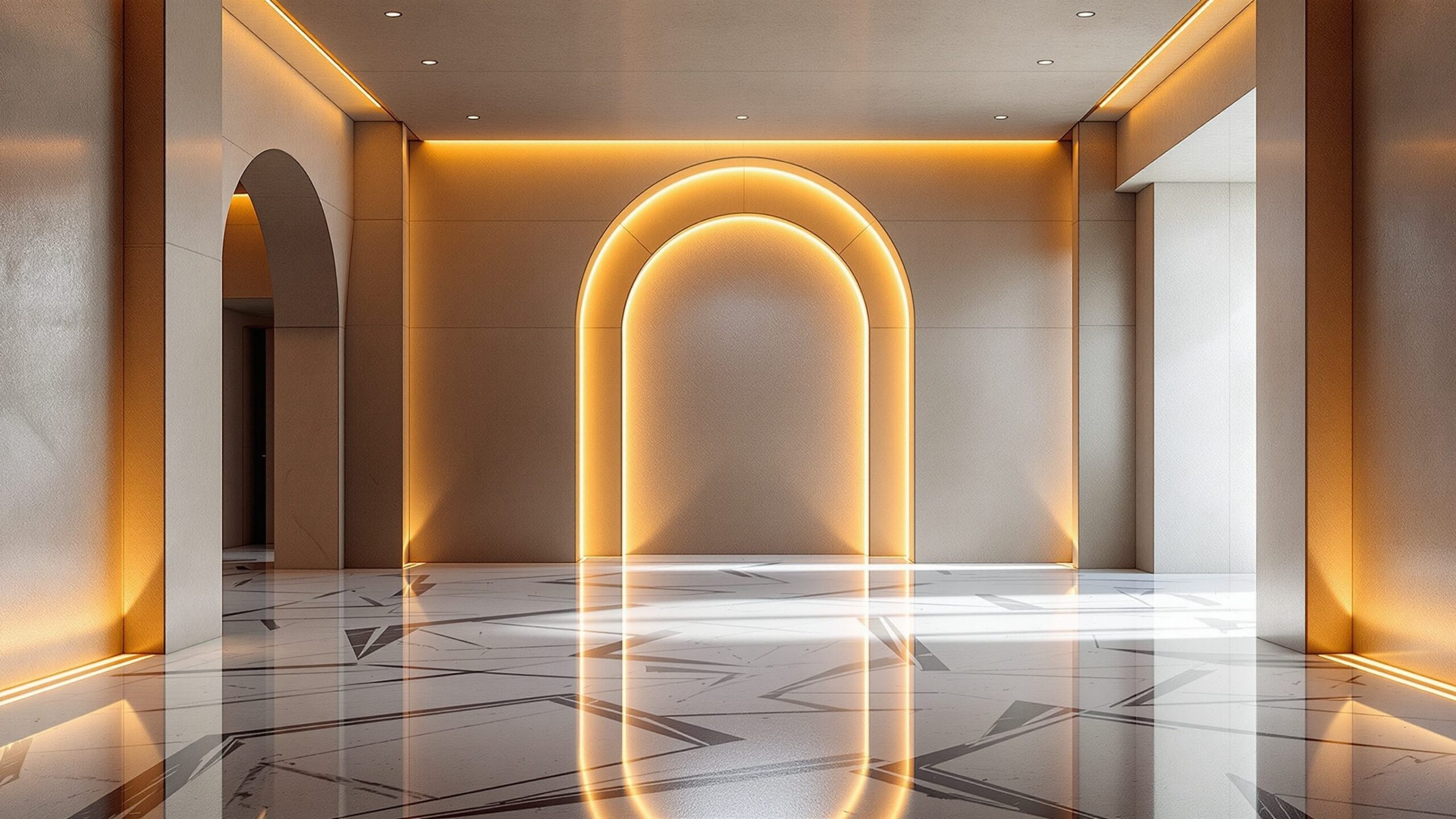
One of the most influential aspects of ambient lighting is color temperature. Warm light, typically measured between 2200K and 3000K, evokes comfort, nostalgia, and intimacy. It mimics firelight and sunset tones, connecting emotionally to safety and relaxation. This is why living rooms, bedrooms, and hospitality spaces often rely on warmer ambient lighting.
Cooler light, ranging from 4000K to 6500K, conveys clarity, cleanliness, and energy. It enhances contrast and alertness, making it suitable for offices, retail environments, and healthcare settings. However, when used excessively or without balance, cool ambient lighting can feel sterile or emotionally distant.
The most compelling environments often blend color temperatures subtly, using warmer ambient light as a base while layering cooler tones strategically. This creates emotional depth and avoids monotony.
Brightness, Contrast, and Emotional Intensity
Light intensity plays a crucial role in shaping emotional tone. Low ambient light encourages introspection and emotional openness. High ambient brightness increases vigilance and cognitive engagement. Neither is inherently better; the effectiveness depends on the intended experience.
Contrast is equally important. Spaces with no variation in brightness can feel flat and uninspiring, even if technically well-lit. Gentle gradients of light and shadow add visual interest and emotional richness. Our eyes and brains are drawn to contrast, and well-managed contrast creates a sense of movement and life within a static environment.
The Role of Shadows in Emotional Design
Shadows are not simply the absence of light; they are an essential emotional tool. Soft shadows create depth and warmth, making spaces feel layered and natural. Hard shadows introduce drama and tension, often used deliberately in theatrical, cinematic, or themed environments.
In experiential design, shadows can guide attention, create mystery, or frame moments of discovery. Over-lit spaces that eliminate shadows entirely often feel unnatural and emotionally shallow. The human brain expects a balance between light and darkness, and when that balance is missing, the experience feels incomplete.
Ambient Lighting in Residential Spaces
In homes, ambient lighting directly affects emotional well-being. Poor lighting can make even beautifully designed interiors feel uncomfortable or fatiguing. Thoughtful ambient lighting supports daily rhythms, shifting subtly throughout the day to align with natural light patterns.
Morning ambient light that is brighter and cooler helps energize and orient the mind. Evening lighting that is warmer and softer encourages relaxation and emotional decompression. Homes that rely on a single lighting tone throughout the day often feel disconnected from natural rhythms, contributing to stress and sleep disruption.
Workplace Lighting and Emotional Performance
In professional environments, ambient lighting shapes more than visibility; it influences motivation, mood, and productivity. Balanced ambient lighting reduces eye strain and cognitive fatigue, supporting sustained focus. Excessively bright or poorly diffused lighting can increase stress levels, even when employees cannot pinpoint the cause.
Modern workplaces increasingly use adaptive ambient lighting systems that shift color temperature and intensity throughout the day. These systems align with circadian biology, improving mood and performance while reducing burnout. The emotional benefits often translate into tangible outcomes such as improved collaboration, reduced absenteeism, and higher job satisfaction.
Retail and Commercial Environments
Retail spaces rely heavily on ambient lighting to shape customer behavior. Warm, inviting lighting encourages browsing and emotional connection to products. Cooler, brighter lighting communicates efficiency and value, often used in high-turnover or discount environments. The emotional tone set by ambient lighting influences how customers perceive quality, trustworthiness, and even price fairness. Subtle lighting choices can make a space feel premium or budget-oriented without changing a single product. This psychological effect is why lighting design is considered a strategic tool rather than a decorative afterthought in commercial settings.
Hospitality, Dining, and Emotional Memory
Hotels, restaurants, and entertainment venues use ambient lighting to create emotional memories. Guests may forget specific decor details, but they remember how a space made them feel. Ambient lighting is often the invisible thread tying those memories together.
In dining environments, lighting affects not only mood but taste perception. Studies have shown that warmer, lower lighting can enhance perceived flavor richness and enjoyment. Bright lighting, while functional, can diminish the sensory experience of food. Successful hospitality lighting balances visibility with atmosphere, ensuring comfort without sacrificing emotional depth.
Themed Environments and Immersive Experiences
In themed spaces, ambient lighting becomes a storytelling medium. It communicates time, place, and emotional context without words. A softly lit, amber-toned environment suggests history, warmth, and nostalgia. A cool, desaturated palette with directional shadows may evoke futurism or mystery.
Immersive experiences rely on consistency between lighting and narrative. Even minor lighting inconsistencies can break immersion, pulling visitors out of the experience. When ambient lighting aligns seamlessly with theme, guests suspend disbelief more easily and form stronger emotional connections to the environment.
Cultural Influences on Lighting Perception
Lighting preferences are not universal. Cultural context shapes how people interpret brightness, color, and contrast. Some cultures associate bright, evenly lit spaces with cleanliness and safety, while others prefer subdued lighting that fosters intimacy and reflection.Designers working across regions must consider these cultural nuances. Ambient lighting that feels comforting in one context may feel unsettling or inappropriate in another. Successful global environments adapt lighting strategies to align with local emotional expectations while maintaining overall design intent.
Technology and the Evolution of Ambient Lighting
Advances in lighting technology have expanded the emotional potential of ambient light. LED systems allow precise control over color temperature, intensity, and distribution. Dynamic lighting can now shift gradually throughout the day or respond to activity, sound, or user interaction. Smart lighting systems enable environments to adapt emotionally in real time. A living space can transition from energizing to calming with minimal effort. Commercial and public spaces can adjust lighting based on crowd density, time of day, or event type, enhancing comfort and engagement.
Despite these advancements, technology alone does not guarantee emotional success. Without thoughtful design, even the most advanced systems can feel artificial or overwhelming. Emotional impact comes from restraint, balance, and a clear understanding of human perception.
Sustainability and Emotional Comfort
Energy-efficient lighting is often discussed in terms of cost and environmental impact, but it also influences emotional comfort. Poorly designed energy-saving lighting can feel cold or insufficient, creating subconscious dissatisfaction. Conversely, sustainable lighting that prioritizes quality of light enhances emotional well-being while reducing environmental footprint. Modern sustainable lighting strategies focus on efficiency without sacrificing warmth, depth, or adaptability. When sustainability and emotional design align, spaces feel both responsible and inviting.
Common Mistakes in Ambient Lighting Design
One of the most common mistakes is treating ambient lighting as purely functional. Overhead fixtures alone rarely create emotional richness. Another frequent error is excessive brightness, driven by the misconception that more light equals better design. This approach often results in visually tiring and emotionally flat spaces.
Uniform lighting is another pitfall. Spaces without variation lack visual hierarchy and emotional cues. Finally, ignoring how lighting interacts with materials, colors, and textures can undermine even well-intentioned designs. Light does not exist in isolation; it reveals and transforms every surface it touches.
Designing with Emotion in Mind
Effective ambient lighting design begins with emotional intent. Designers must ask what the space should feel like before deciding how it should look. Calm, excitement, focus, intimacy, and awe each require different lighting strategies. Testing lighting in real conditions is essential. Digital renderings often fail to capture subtle emotional effects. Observing how people move, pause, and react within a space provides invaluable insight into whether the lighting supports the intended experience.
The Lasting Impact of Light on Memory and Experience
Ambient lighting shapes not only immediate mood but long-term memory. Experiences associated with emotionally resonant lighting are remembered more vividly and positively. This is why certain places feel nostalgic or comforting long after we leave them. When lighting aligns with purpose, culture, and human biology, it becomes invisible in the best possible way. People do not notice the light itself; they notice how the space makes them feel. That emotional resonance is the true measure of successful ambient lighting.
Conclusion: Light as an Emotional Language
Ambient lighting is a language spoken directly to the subconscious. It influences mood, emotion, behavior, and memory with remarkable precision. Whether shaping a quiet home environment, a productive workplace, a welcoming restaurant, or an immersive themed experience, light defines the emotional narrative. As technology evolves and understanding deepens, ambient lighting will continue to play a central role in experience design. Those who learn to wield it thoughtfully gain the ability to shape not just spaces, but feelings. In the end, lighting is never just about visibility. It is about connection, comfort, and the emotional stories we carry with us long after the lights are turned off.