The Art of Layered Lighting for Immersive Environments
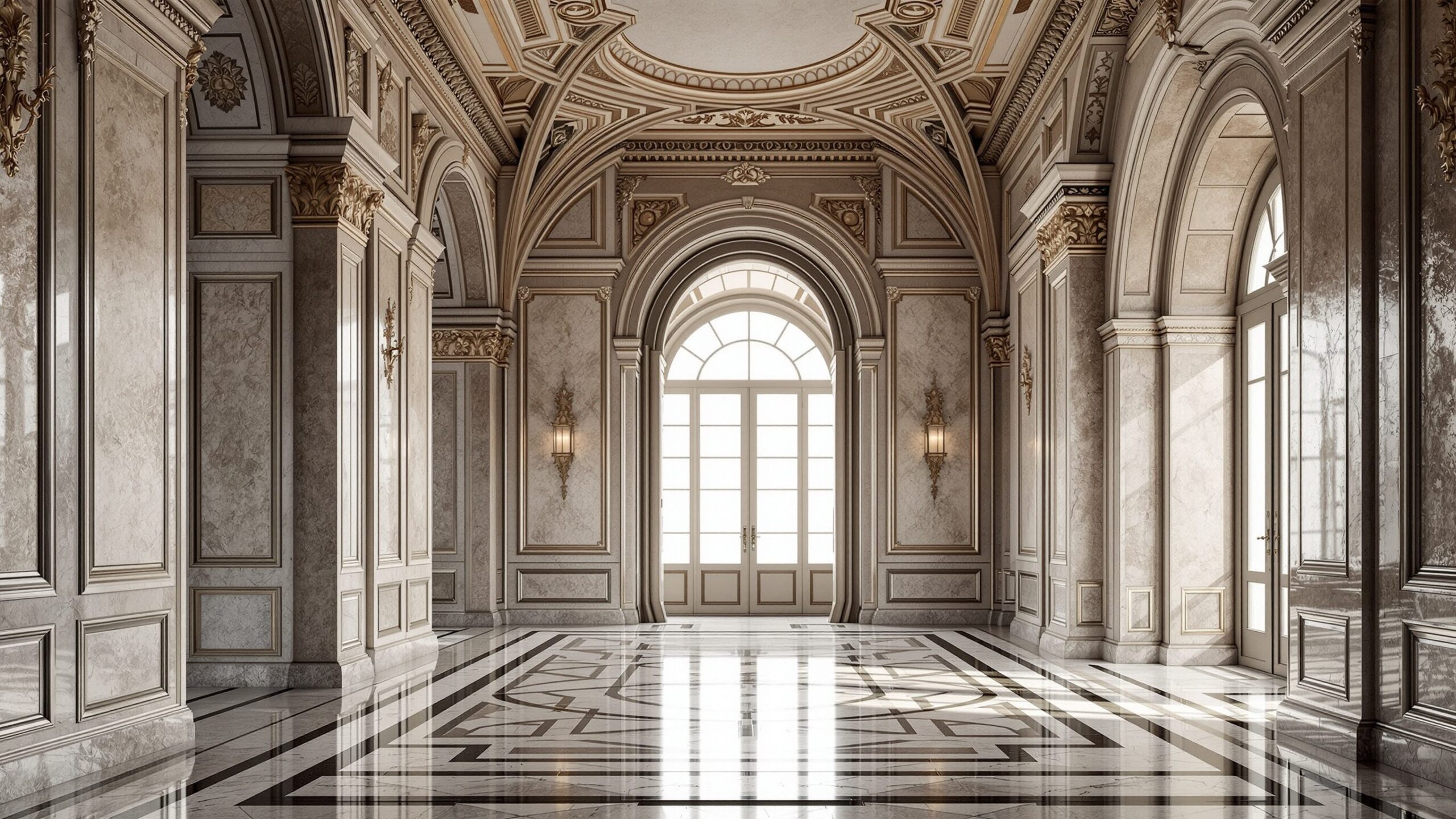
Lighting is one of the most powerful yet often underestimated tools in immersive environment design. Long before a visitor notices architecture, textures, or soundscapes, light sets expectations, establishes emotional tone, and quietly guides perception. Layered lighting is not simply about brightness or visibility; it is about crafting an experience that feels intentional, dimensional, and alive. When executed well, layered lighting transforms spaces into narratives, subtly directing attention, enhancing realism, and creating a sense of depth that static illumination can never achieve. At its core, layered lighting is the strategic combination of multiple light sources, each with a distinct purpose. These layers work together to shape how people move through and emotionally respond to an environment. Whether the setting is a themed attraction, museum exhibit, retail space, hospitality venue, or immersive art installation, the principles remain the same: light should feel natural, purposeful, and inseparable from the story being told.
A: Yes—each serves a distinct perceptual role.
A: Often, when used strategically.
A: No—contrast and direction matter more.
A: Use architectural edges, props, and coves.
A: It should feel believable, not literal.
A: It depends on story, era, and mood.
A: Critical for transitions and comfort.
A: Yes—guests follow light instinctively.
A: No—controlled shadow adds realism.
A: Exposed fixtures and flat illumination.
Understanding Immersion Through Light
Immersion is the feeling of being fully absorbed in a space, where the environment feels cohesive and believable. Lighting plays a central role in this illusion because the human brain uses light to interpret reality. Shadows suggest depth, color temperature influences mood, and contrast determines where the eye naturally rests. Poor lighting design can flatten a space, expose artificial elements, or disrupt emotional continuity. Thoughtful layered lighting, on the other hand, reinforces the illusion and strengthens spatial storytelling.
Immersive environments rely on visual hierarchy. Not everything should be lit equally, and not everything should be seen at once. Darkness is just as important as illumination, providing mystery, focus, and pacing. Layered lighting allows designers to sculpt this hierarchy with precision, revealing details gradually and encouraging exploration without overwhelming the senses.
The Foundation: Ambient Lighting as the Emotional Base
Ambient lighting forms the foundation of any layered lighting scheme. It establishes general visibility while setting the overall emotional tone of the environment. In immersive design, ambient light is rarely uniform or neutral. Instead, it is carefully modulated to support the narrative. A dim, warm ambient wash may evoke intimacy or nostalgia, while a cooler, subdued glow can suggest mystery, technology, or unease.
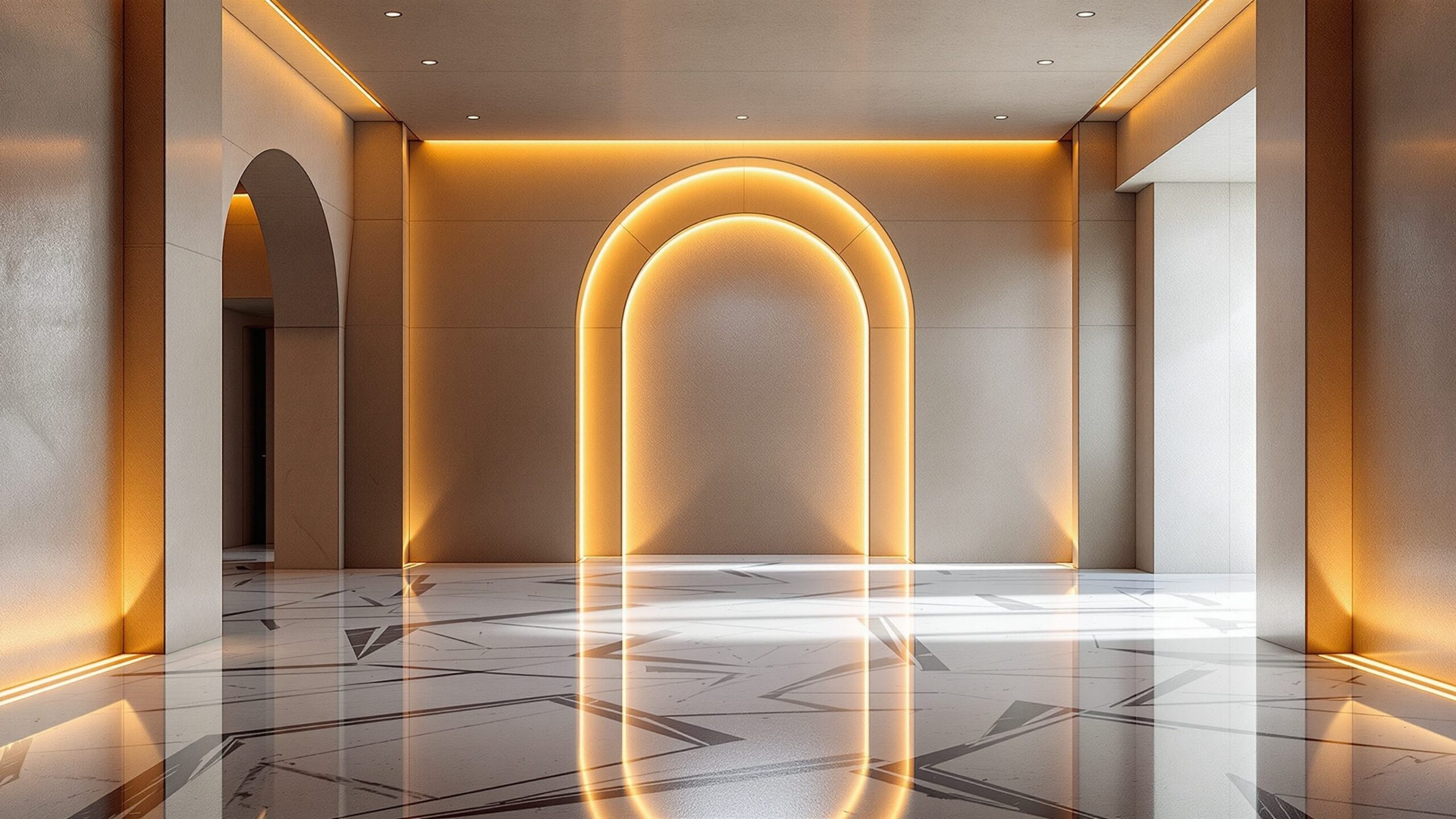
Unlike traditional architectural lighting, immersive ambient lighting often avoids flat overhead illumination. Indirect sources, reflected light, and concealed fixtures are favored to prevent harsh shadows and visible hardware. The goal is to make the light feel like it belongs to the environment rather than being imposed upon it. When ambient lighting is successful, visitors rarely notice it consciously, yet they immediately feel its emotional influence.
Task Lighting Without Breaking the Illusion
Task lighting serves a practical purpose, enabling people to read, interact, navigate, or focus on specific activities. In immersive environments, the challenge is integrating task lighting without disrupting the illusion. Exposed fixtures, inconsistent color temperatures, or overly bright sources can pull visitors out of the experience.
Designers often embed task lighting into scenic elements, architectural features, or props so that it feels motivated by the environment itself. A lantern, control panel, glowing artifact, or architectural detail can all provide functional illumination while reinforcing the narrative. When task lighting is layered correctly, it enhances usability without calling attention to its technical function.
Accent Lighting as a Storytelling Tool
Accent lighting is where layered lighting truly becomes an art form. This layer directs attention, highlights focal points, and adds visual drama. In immersive environments, accent lighting often serves as a narrative cue, signaling what matters most in a scene. A subtle spotlight on a sculptural detail, a warm glow on textured stone, or a narrow beam illuminating a character or object can shape how visitors interpret the space.
Accent lighting also introduces contrast, which is essential for depth and realism. The interplay between light and shadow creates dimensionality, making environments feel tactile and believable. Carefully controlled accent lighting can suggest time of day, emotional intensity, or narrative progression without a single word being spoken.
The Role of Color Temperature and Hue
Color temperature and hue are critical tools in layered lighting design. Warm light tends to feel inviting, organic, and emotional, while cooler light often reads as modern, sterile, or mysterious. In immersive environments, these associations can be used intentionally to support storytelling.
Layered lighting allows designers to blend multiple color temperatures within the same space, creating subtle transitions and visual interest. A warm ambient base combined with cooler accents can add complexity and realism, mimicking natural light conditions. Saturated colors, when used sparingly, can heighten emotion or signal fantasy, danger, or magic. The key is restraint and intention, ensuring color supports the narrative rather than overwhelming it.
Shadow, Contrast, and the Power of Darkness
Immersive lighting design is as much about what is hidden as what is revealed. Shadows create intrigue, depth, and realism. Without them, environments appear flat and artificial. Layered lighting gives designers control over shadow placement, softness, and movement, allowing darkness to become an active design element.
Contrast guides the eye and establishes visual hierarchy. Bright elements naturally attract attention, while darker areas recede, creating rhythm and pacing within a space. Strategic darkness can also reduce visual clutter, allowing key moments to stand out more vividly. In immersive environments, darkness is not a flaw to be eliminated but a tool to be shaped.
Dynamic Lighting and Environmental Change
Static lighting can feel lifeless in immersive spaces designed to tell evolving stories. Dynamic lighting introduces motion, variation, and a sense of time passing. Gradual shifts in intensity, color, or direction can simulate natural cycles, emotional transitions, or narrative beats.
Layered lighting systems make dynamic effects more convincing because each layer can change independently. Ambient light may slowly dim while accent lights intensify, or color temperatures may shift subtly to suggest dusk, tension, or transformation. When transitions are smooth and motivated, visitors experience these changes emotionally rather than analytically, deepening immersion.
Integrating Lighting With Architecture and Materials
Lighting cannot be designed in isolation. Architecture, materials, and finishes all influence how light behaves within a space. Textured surfaces catch highlights and shadows, glossy materials reflect and amplify light, and matte finishes absorb it. Layered lighting takes these interactions into account, using materials as partners in the design rather than passive backdrops.
In immersive environments, lighting often enhances material storytelling. A rough stone wall might be grazed with low-angle light to emphasize texture, while translucent materials may glow from within, creating a sense of mystery or magic. When lighting and materials work together, the environment feels cohesive and intentional.
Psychological Impact and Emotional Resonance
Human responses to light are deeply psychological. Brightness levels affect alertness, color influences mood, and movement can evoke excitement or unease. Layered lighting allows designers to modulate these effects with precision, crafting emotional journeys that unfold as visitors move through a space.
Immersive environments often aim to evoke specific emotional states, whether wonder, comfort, suspense, or awe. Lighting layers can be adjusted to support these goals, gently guiding emotional responses without overt manipulation. When visitors feel something before they consciously understand why, layered lighting is often at work behind the scenes.
Practical Considerations and Technical Precision
While layered lighting is an artistic endeavor, it also requires technical rigor. Fixture placement, beam angles, intensity ratios, and color consistency must be carefully calibrated. Poorly aligned layers can create glare, visual confusion, or unintended focal points that disrupt immersion.
Modern lighting control systems enable precise management of layered lighting schemes, allowing designers to fine-tune scenes and transitions. Dimming curves, color calibration, and synchronization with sound or interactive elements can elevate immersive experiences to a new level. Technical precision ensures that the artistry of layered lighting is experienced as seamless and natural.
Sustainability and Responsible Lighting Design
As immersive environments become more complex, sustainability plays an increasingly important role. Layered lighting does not inherently mean excessive energy use. In fact, well-designed layers can reduce overall consumption by focusing light only where it is needed.
Energy-efficient fixtures, intelligent controls, and thoughtful layering strategies allow designers to achieve rich visual experiences with minimal waste. Responsible lighting design also considers longevity and adaptability, ensuring environments can evolve without requiring complete overhauls. Sustainability, when integrated thoughtfully, enhances both the ethical and creative dimensions of immersive lighting.
Common Pitfalls in Layered Lighting
Even experienced designers can fall into common traps when implementing layered lighting. Overlighting is one of the most frequent mistakes, flattening spaces and eliminating mystery. Inconsistent color temperatures across layers can create visual dissonance, while poorly concealed fixtures can break immersion by drawing attention to the technology itself.
Another challenge is neglecting the visitor’s point of view. Lighting that looks effective on plans or renderings may behave differently at eye level or in motion. Continuous testing and iteration are essential to ensure layered lighting supports the intended experience from every angle.
The Future of Layered Lighting in Immersive Design
Advances in lighting technology continue to expand the creative possibilities of layered lighting. Smaller fixtures, improved color rendering, and more sophisticated control systems allow for greater subtlety and integration. As immersive environments increasingly blend physical and digital elements, lighting will play a critical role in bridging these worlds.
Future layered lighting designs are likely to become more adaptive and responsive, reacting to movement, sound, or narrative triggers in real time. These developments promise environments that feel more alive, personal, and emotionally engaging than ever before. The fundamental principles, however, will remain rooted in thoughtful layering, storytelling, and human perception.
Crafting Experiences That Feel Alive
The art of layered lighting lies in its ability to disappear into the experience while shaping every moment of it. When ambient, task, and accent lighting work in harmony, environments gain depth, emotion, and credibility. Visitors may not consciously analyze the lighting, but they feel its effects in how they move, what they notice, and how they remember the space.
Immersive environments succeed when every element supports a unified vision. Layered lighting is not an afterthought or decorative flourish; it is a foundational component of storytelling. By mastering the balance between illumination and shadow, function and emotion, designers can create spaces that do more than look impressive. They can create environments that feel real, memorable, and profoundly immersive.