The Architecture of Feeling
Architecture has always influenced how people feel, but themed architecture takes that influence to an entirely different level. Instead of merely providing shelter or functional spaces, themed environments are carefully crafted to evoke emotion, trigger memories, and immerse visitors in a narrative. From the whimsical streets of theme parks to the atmospheric corridors of museums, themed hotels, and cultural attractions, these spaces are designed with psychological precision. They combine storytelling, spatial design, lighting, materials, sound, and movement to create environments that resonate deeply with visitors. The result is more than a place—it becomes an experience. Visitors don’t simply walk through themed architecture; they emotionally inhabit it. The layout of a castle courtyard, the smell of aged wood in a historic tavern replica, or the sweeping arches of a futuristic plaza can subtly guide emotional responses. Designers understand that humans remember places not just visually but emotionally. When architecture is used intentionally as a storytelling tool, it becomes a powerful medium capable of shaping memory and perception long after the visitor has left. Understanding how themed architecture influences emotion and memory reveals why certain spaces become unforgettable destinations while others fade quickly from memory.
A: It is architecture designed to support a narrative or immersive environment rather than simply serve a functional building purpose.
A: They combine storytelling, sensory design, and spatial psychology to create memorable experiences.
A: A technique where architectural scale shrinks with height to make buildings appear taller.
A: Streets, plazas, and visual landmarks subtly encourage natural navigation paths.
A: They ensure guests only see elements that support the story world.
A: Scenic foam, fiberglass, GFRC, steel framing, and detailed paint finishes.
A: Curves create discovery moments and maintain mystery.
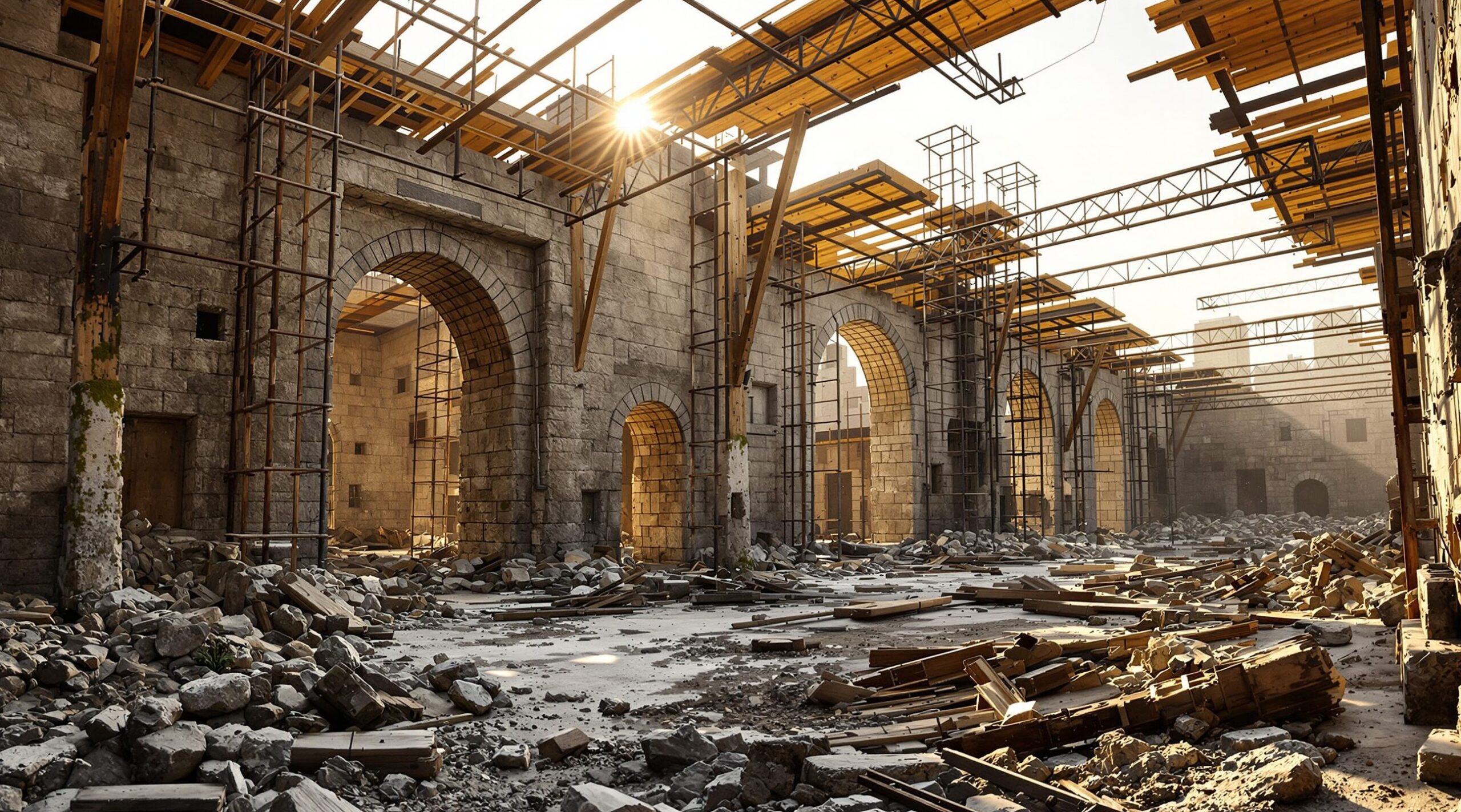
A: Many are structural buildings with scenic facades layered over steel frameworks.
A: Lighting shapes mood, highlights architectural features, and enhances nighttime immersion.
A: Because architecture, storytelling, and sensory design combine to form strong emotional memories.
Storytelling Through Space
At the core of themed architecture is storytelling. Unlike traditional architecture, which often prioritizes efficiency or aesthetics, themed environments are designed around narrative. Every wall, pathway, and visual cue contributes to a larger story.
In a well-designed themed environment, the visitor becomes part of that story. A winding street might mimic the unpredictability of an old European village, while towering structures might convey grandeur, adventure, or mystery. Designers often borrow techniques from cinema and theater, using framing, pacing, and visual hierarchy to guide attention and create emotional beats.
For example, a narrow entryway may build anticipation before opening into a dramatic plaza. This spatial transition mimics the narrative structure of suspense followed by revelation. The visitor experiences architecture not as static structures but as a sequence of unfolding scenes.
This approach is especially prominent in theme parks, immersive museums, and entertainment districts where architecture acts as a stage set for real-life exploration. The environment invites visitors to suspend disbelief and step into a carefully constructed world.
Emotional Design and Environmental Psychology
Human emotional responses to spaces are deeply tied to environmental psychology. Colors, lighting, textures, scale, and acoustics all influence how people interpret and emotionally respond to their surroundings.
Warm lighting and natural materials often evoke comfort and nostalgia, while cool lighting and metallic textures can create futuristic or mysterious atmospheres. Large open spaces tend to inspire awe and excitement, while smaller enclosed spaces may create intimacy or tension.
Themed architecture leverages these psychological principles intentionally. Designers may manipulate scale to make visitors feel like explorers in a giant world or heroes entering monumental landscapes. Dramatic lighting shifts can guide mood transitions as visitors move from playful environments into darker, suspenseful areas.
Sound also plays a role. Echoing hallways, distant music, or ambient environmental effects reinforce emotional cues. When multiple sensory inputs align, the brain registers the environment as more immersive and believable.
By orchestrating these elements together, themed architecture becomes a powerful emotional instrument.
Creating Memorable Experiences
One of the primary goals of themed architecture is memorability. Research in cognitive psychology shows that people remember experiences more vividly when they involve strong emotions, novelty, and storytelling.
Themed spaces are deliberately designed to provide these three elements. A visitor might step into a pirate harbor, a futuristic cityscape, or a medieval marketplace. Each environment offers visual novelty and emotional engagement, making the experience stand out from everyday surroundings.
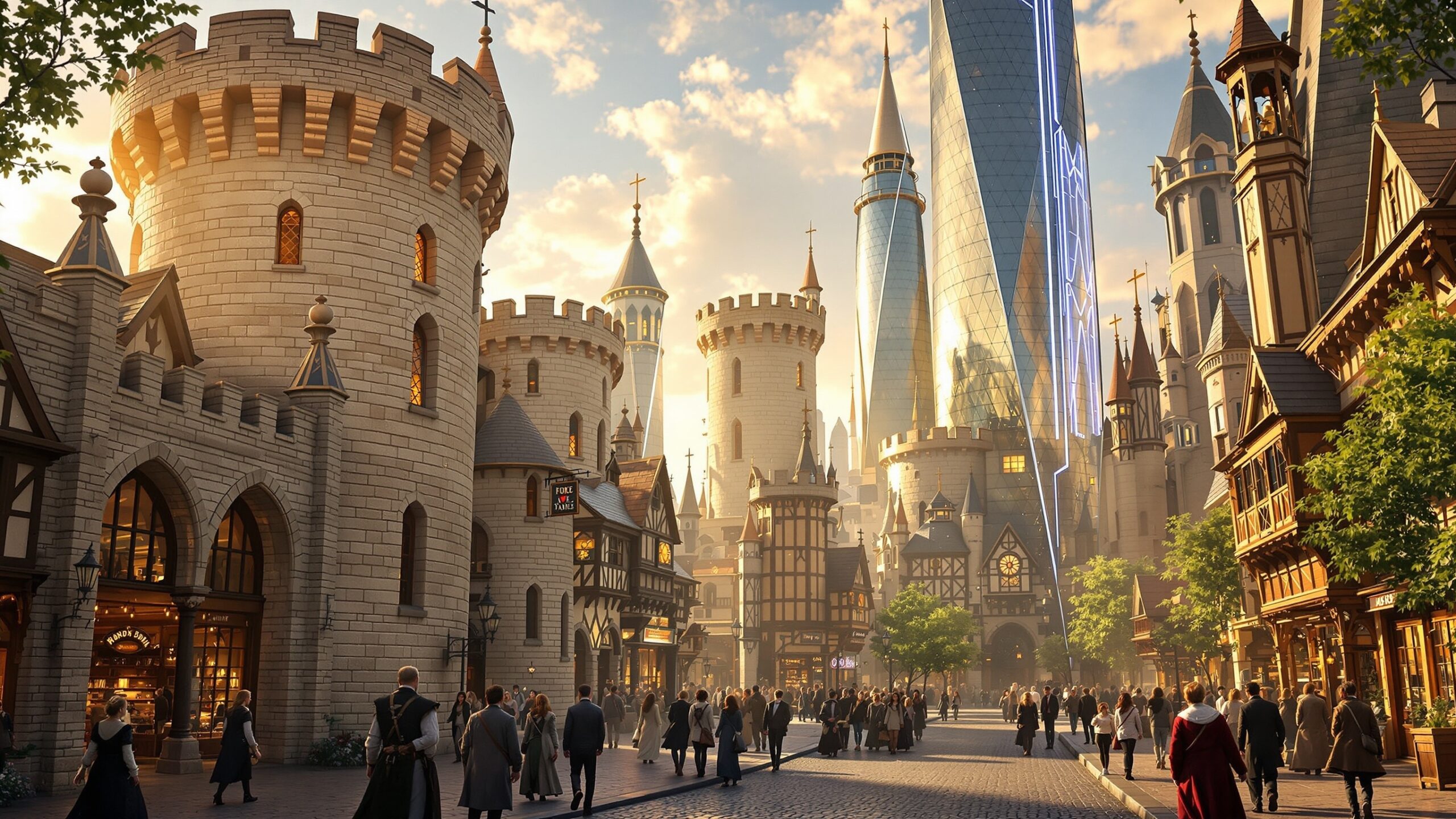
Architects often use “landmark moments” within themed environments to anchor memory. A towering castle, a glowing mountain, or a dramatic bridge crossing a lagoon becomes a focal point that visitors recall long after their visit.
These landmarks serve two purposes. They guide navigation through the space while also creating iconic imagery that defines the visitor’s experience. When people recall their visit, they often remember these central architectural features first.
This is why photographs taken in themed environments frequently center around iconic structures. Architecture becomes both a navigational tool and a memory trigger.
The Role of Immersion
Immersion is the hallmark of successful themed architecture. True immersion occurs when visitors feel completely transported into another world. Achieving this requires careful control of visual continuity.
Designers work to eliminate visual distractions that might break the illusion. Modern buildings, parking structures, or infrastructure are often hidden behind facades, landscaping, or creative architectural elements.
This technique is known as “thematic integrity.” Every visible detail must reinforce the theme and story. Even functional structures such as trash cans, lighting fixtures, or signage are designed to match the environment.
Immersive environments also rely on spatial layering. Foregrounds, midgrounds, and backgrounds are designed to create depth and realism. Distant mountains might actually be sculpted facades or cleverly painted structures that extend the illusion of a vast world.
The result is an environment where visitors temporarily forget the outside world and fully engage with the story being told through architecture.
Memory Formation and Spatial Experience
Human memory is strongly tied to spatial experiences. The brain naturally maps environments as people move through them, forming cognitive maps that link locations with emotions and events.
Themed architecture enhances this process by structuring environments into distinct zones or “lands.” Each area has its own visual identity, color palette, and architectural language.
For example, a transition from a tropical harbor to a snowy mountain village represents a clear environmental shift. These transitions act as mental bookmarks in the visitor’s memory.
The brain encodes these spatial changes alongside emotional experiences, making the visit easier to recall later. When visitors think back on their day, they often remember moving from one themed area to another as a series of chapters in a story.
This narrative structure reinforces long-term memory and encourages visitors to return for another experience.
Cultural and Historical Inspiration
Many themed environments draw heavily from real-world history and cultural traditions. Architects often study historical architectural styles, folklore, and regional design to create authentic environments.
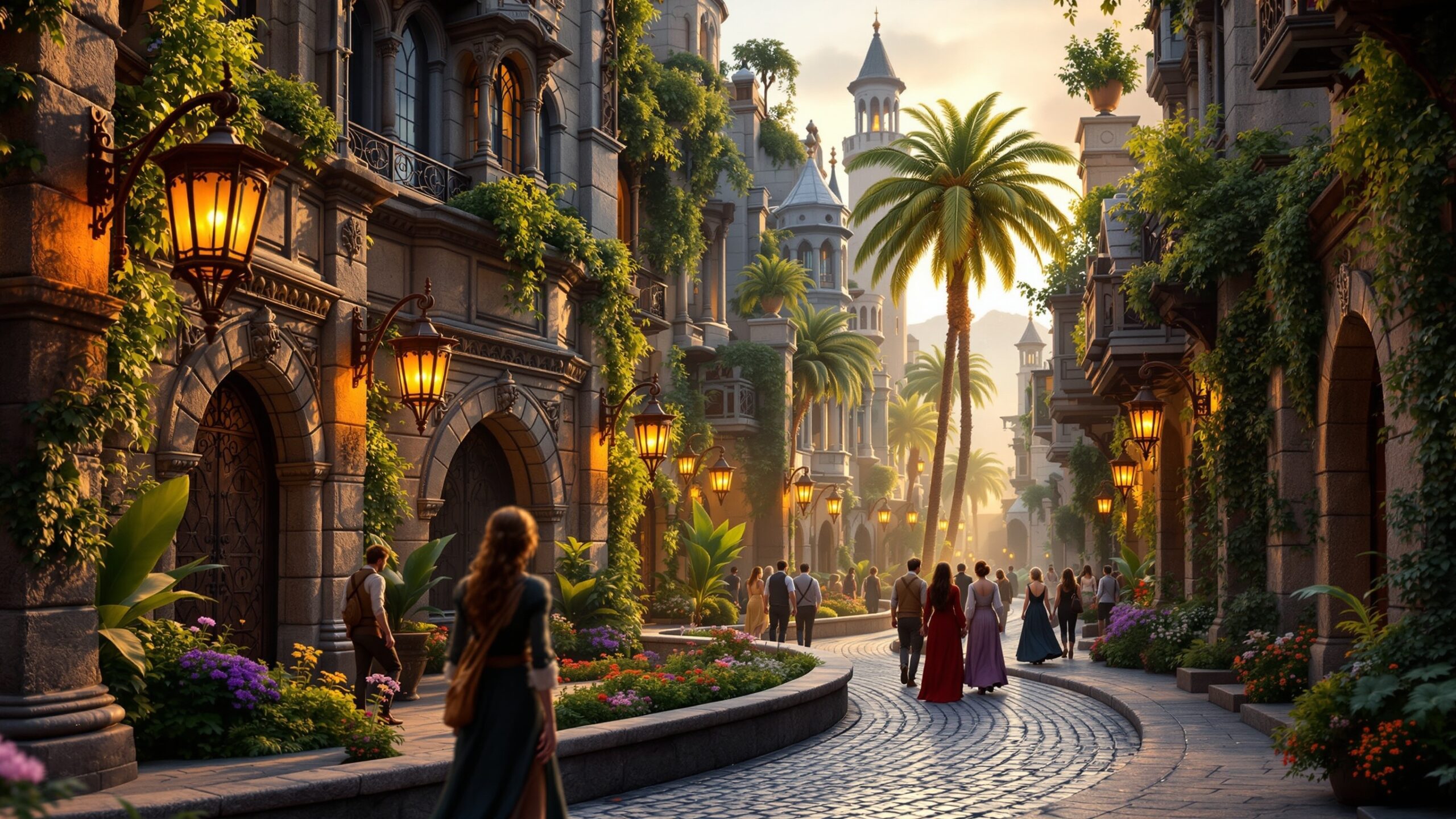
A themed Mediterranean village might feature warm stucco walls, clay tile roofs, wrought iron balconies, and narrow stone streets. A futuristic environment might incorporate sleek surfaces, curved forms, and luminous lighting.
These stylistic choices communicate cultural and temporal context instantly. Visitors may recognize architectural cues associated with certain historical eras or geographic regions.
However, themed architecture rarely aims for strict historical accuracy. Instead, designers blend elements from multiple inspirations to create a romanticized or idealized version of a place.
This approach enhances emotional impact while maintaining visual coherence.
The Influence of Scale and Perspective
Scale is one of the most powerful tools in themed architecture. By manipulating proportions, designers influence how visitors perceive themselves within the environment.
Massive structures can evoke wonder and adventure. Oversized gateways, towering mountains, and enormous sculptures make visitors feel like participants in a grand narrative.
Conversely, smaller spaces can create intimacy and curiosity. Hidden alleys, secret courtyards, and narrow passageways encourage exploration and discovery.
Perspective tricks are also common in themed environments. Designers use forced perspective techniques to make buildings appear taller or landscapes appear deeper than they actually are.
This illusion is achieved by gradually reducing architectural scale as structures move farther from the viewer. Windows, bricks, and decorative elements become smaller, giving the impression of distance.
These visual techniques enhance realism and amplify the emotional impact of the environment.
The Multi-Sensory Design Experience
While architecture is primarily visual, the most powerful themed environments engage multiple senses simultaneously.
Texture plays a major role in shaping perception. Rough stone walls, polished metals, aged wood, and intricate carvings contribute tactile richness even if visitors only perceive them visually.
Smell is another powerful memory trigger. The scent of baked goods in a themed bakery, salty ocean air near a waterfront attraction, or the smoky aroma of a rustic tavern can dramatically enhance immersion.
Lighting design is equally important. Warm sunset hues, glowing lanterns, or cool futuristic lighting can transform the emotional tone of a space.
Soundscapes further enrich the environment. Ambient music, distant laughter, water features, and environmental effects create a dynamic atmosphere that feels alive. When these sensory elements align with architectural design, the environment becomes deeply immersive and emotionally compelling.
The Psychology of Escapism
One of the reasons themed architecture resonates so strongly with visitors is its ability to provide escapism. In a world filled with routine and digital distractions, immersive environments offer a chance to step into something extraordinary.
Themed spaces allow visitors to experience adventure, nostalgia, fantasy, or discovery within a safe and controlled environment. A medieval castle courtyard might evoke childhood imagination, while a futuristic spaceport might inspire curiosity about the future.
Escapism is not merely entertainment—it also provides psychological benefits. Immersive environments can reduce stress, stimulate creativity, and encourage social interaction. When visitors feel emotionally transported, they become more engaged with their surroundings and with each other.
Designing for Longevity and Repeat Visits
Successful themed architecture must remain compelling over time. Designers consider how environments will evolve as visitors return multiple times.
Layered storytelling is often used to achieve this. Subtle architectural details, hidden symbols, or background narratives reward attentive visitors who explore more deeply. Seasonal decorations, lighting variations, and evolving attractions also keep environments fresh. Even small changes can create new experiences within familiar settings.
Durability is another important consideration. Materials must withstand heavy visitor traffic while maintaining their visual authenticity. Weathering and aging effects are often intentionally designed to enhance realism rather than detract from it.
By balancing durability with storytelling, themed architecture can remain engaging for decades.
The Future of Themed Architecture
Advancements in technology are expanding the possibilities of themed environments. Interactive lighting, projection mapping, augmented reality, and responsive architecture are transforming how visitors engage with spaces.
Buildings may soon adapt dynamically to visitor presence, changing lighting, sound, or visual effects in real time. Digital overlays could allow visitors to see historical scenes or fantastical elements layered over physical architecture.
Despite these technological advancements, the core principles of themed architecture remain rooted in storytelling, psychology, and human experience. The most successful environments will continue to combine traditional architectural craftsmanship with modern technological innovation.
Architecture as Experience
Themed architecture demonstrates that buildings can do far more than provide structure. When thoughtfully designed, they become emotional landscapes that shape how people feel, remember, and interact with the world around them.
Through storytelling, environmental psychology, immersive design, and multi-sensory experiences, themed environments transform ordinary spaces into unforgettable journeys. Visitors leave with memories tied not just to what they saw, but to how the environment made them feel.
In this way, themed architecture becomes a powerful storytelling medium—one capable of transporting people across time, culture, and imagination. Whether through the grandeur of a towering castle, the charm of a historic village, or the wonder of a futuristic cityscape, these spaces remind us that architecture is not only about buildings. It is about experiences that linger in memory long after the journey ends.