How Spatial Flow Shapes First Impressions in Themed Environments
First impressions in themed environments are formed long before guests consciously process details, storytelling, or craftsmanship. They begin the moment someone steps into a space and instinctively understands how to move, where to look, and what to feel. Spatial flow is the invisible force guiding that experience. It shapes perception, emotion, and memory through layout, movement, rhythm, and visual hierarchy. When done well, spatial flow creates immediate immersion. When done poorly, even the most beautifully designed environment can feel confusing, uncomfortable, or forgettable. In themed environments, spatial flow is not merely about navigation. It is about choreography. Every step, pause, turn, and reveal is part of a carefully designed sequence that tells a story without words. The way space unfolds establishes mood, builds anticipation, and communicates intent before a single prop, texture, or effect is consciously noticed. Understanding how spatial flow shapes first impressions is foundational to creating environments that feel intuitive, emotionally resonant, and unforgettable.
A: Entrances establish emotional tone and guest confidence immediately.
A: Yes, confusion and congestion break immersion.
A: Through sightlines, lighting, and spatial rhythm.
A: No, signage supports flow but cannot replace it.
A: Mostly, unless intentional confusion supports the story.
A: Good flow improves comfort and inclusivity.
A: Yes, it directly influences speed and attention.
A: Dead ends and unclear transitions.
A: Strong flow enhances narrative recall.
A: It is felt long before it is consciously seen.
The Psychology of First Impressions in Physical Spaces
Human brains are wired to assess environments quickly. Within seconds, people form judgments about safety, comfort, quality, and meaning. In themed environments, these judgments determine whether guests feel curious or cautious, relaxed or rushed, enchanted or overwhelmed. Spatial flow plays a central role in these evaluations because it directly affects cognitive load and emotional clarity.
When movement through a space feels natural, the brain relaxes. When it feels forced or unclear, the brain becomes alert and defensive. Clear spatial flow reduces uncertainty, allowing guests to surrender to the experience. This surrender is critical for immersion. Without it, even the most elaborate themes remain superficial, admired rather than lived.
First impressions are also shaped by rhythm. Tight spaces followed by open vistas, slow transitions followed by moments of surprise, and gentle curves leading into dramatic focal points all influence emotional pacing. Spatial flow determines whether an environment feels welcoming or intimidating, expansive or constrained, calm or chaotic.
Spatial Flow as Narrative Structure
In themed design, space functions like a story arc. There is an introduction, rising tension, moments of discovery, and eventual resolution. Spatial flow is the framework that organizes this narrative. The entrance establishes tone. Transitional zones set expectations. Primary spaces deliver impact. Secondary paths offer exploration. Exit sequences provide closure.
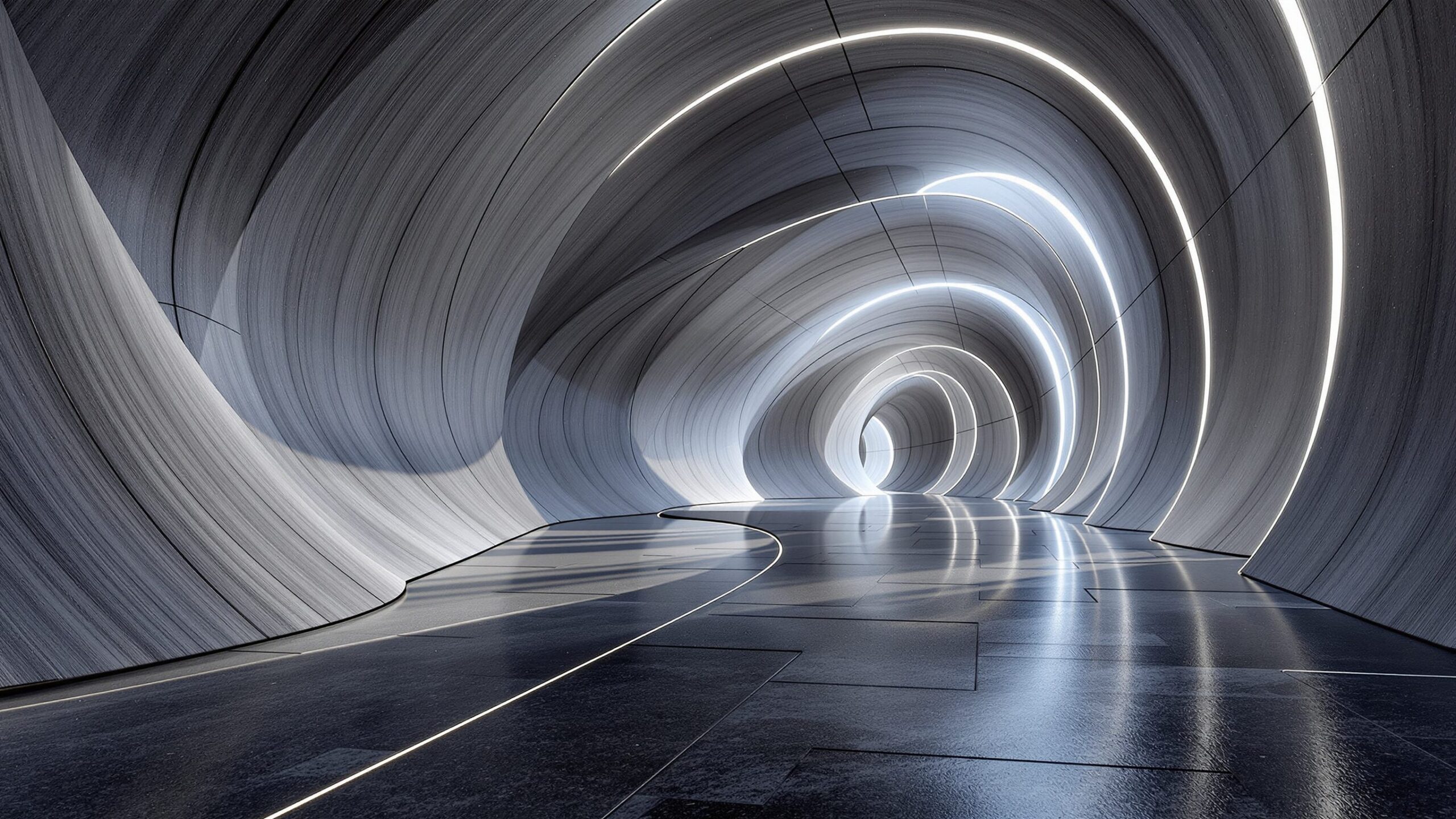
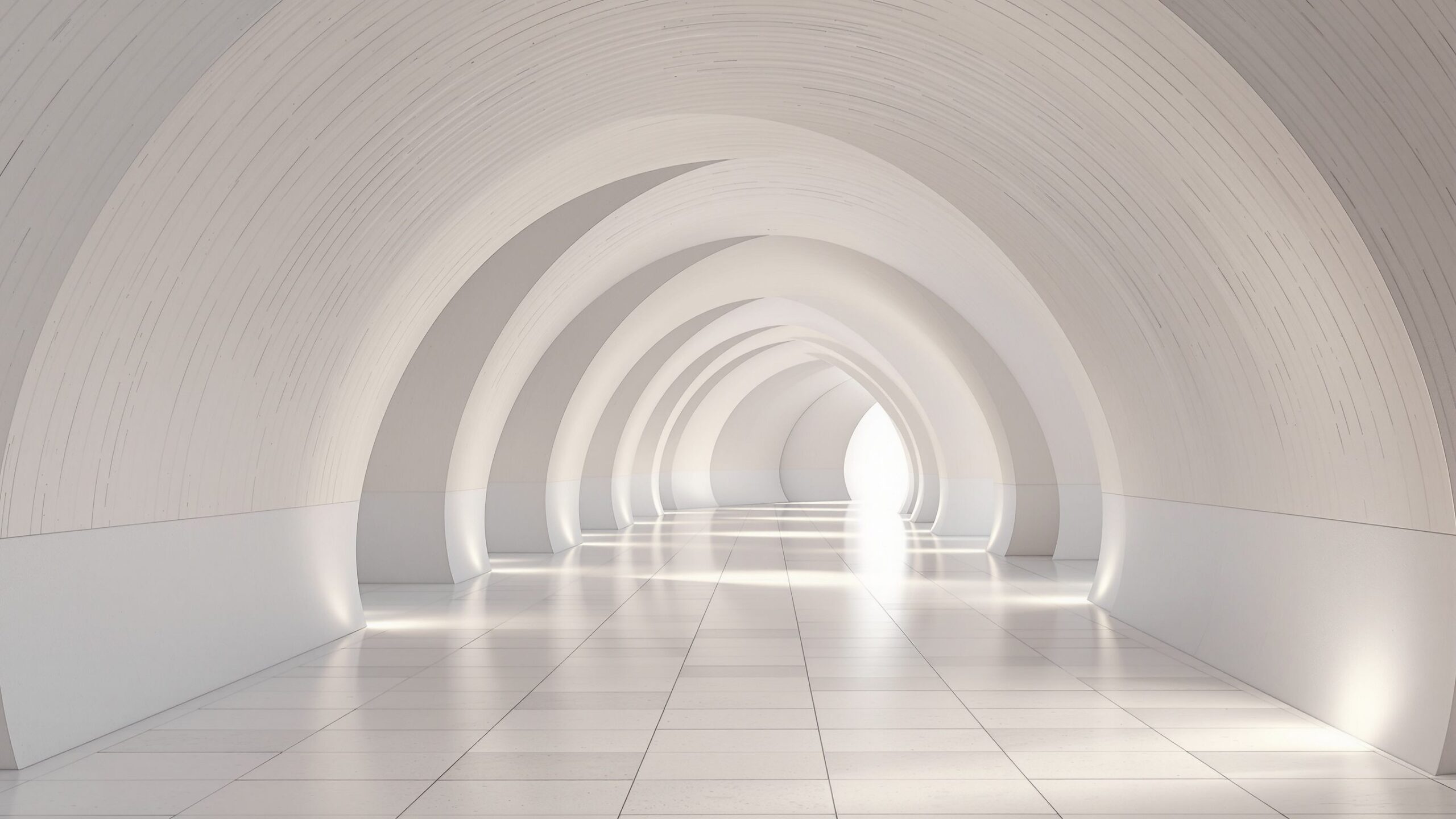
A strong spatial narrative ensures that guests intuitively understand where they are in the story at all times. This does not require signage or explicit cues. Instead, it relies on visual alignment, scale shifts, and directional emphasis. A narrowing corridor can signal transition. A widening threshold can signal arrival. A change in ceiling height can indicate importance. These spatial cues communicate meaning instantly and subconsciously. When spatial flow aligns with narrative intent, first impressions feel intentional rather than accidental. Guests may not articulate why a space feels powerful, but they feel it immediately.
The Entrance Moment and the Power of Arrival
The entrance is the most critical moment for shaping first impressions. It is the threshold between the real world and the themed experience. Spatial flow at this point must accomplish two tasks simultaneously: separating guests from external distractions and guiding them smoothly into the internal logic of the environment.
A strong arrival sequence controls sightlines, sound, and movement. It may compress space to heighten anticipation or open gradually to ease guests into immersion. The direction of travel should feel obvious without feeling restrictive. Guests should instinctively know where to go next without being told. Poor entrance flow creates hesitation. Hesitation breaks immersion. When guests pause to ask where to go, the illusion fractures. Themed environments succeed when arrival feels effortless, confident, and purposeful, even if the design itself is complex.
Visual Hierarchy and Directional Clarity
Spatial flow depends heavily on visual hierarchy. Guests naturally move toward areas of visual interest, light, contrast, or perceived importance. Designers use this instinct to guide movement without overt direction. Architectural framing, focal points, and layered depth all contribute to this guidance.
Clear visual hierarchy ensures that guests are never overwhelmed by choice. In environments with multiple paths, primary routes should read instantly as dominant, while secondary routes feel optional and exploratory. This balance allows for freedom without confusion. Directional clarity also influences emotional response. When guests feel oriented, they feel safe. When they feel safe, they are more open to wonder. Spatial flow that supports orientation strengthens first impressions by fostering trust between the environment and its visitors.
Movement, Pace, and Emotional Tempo
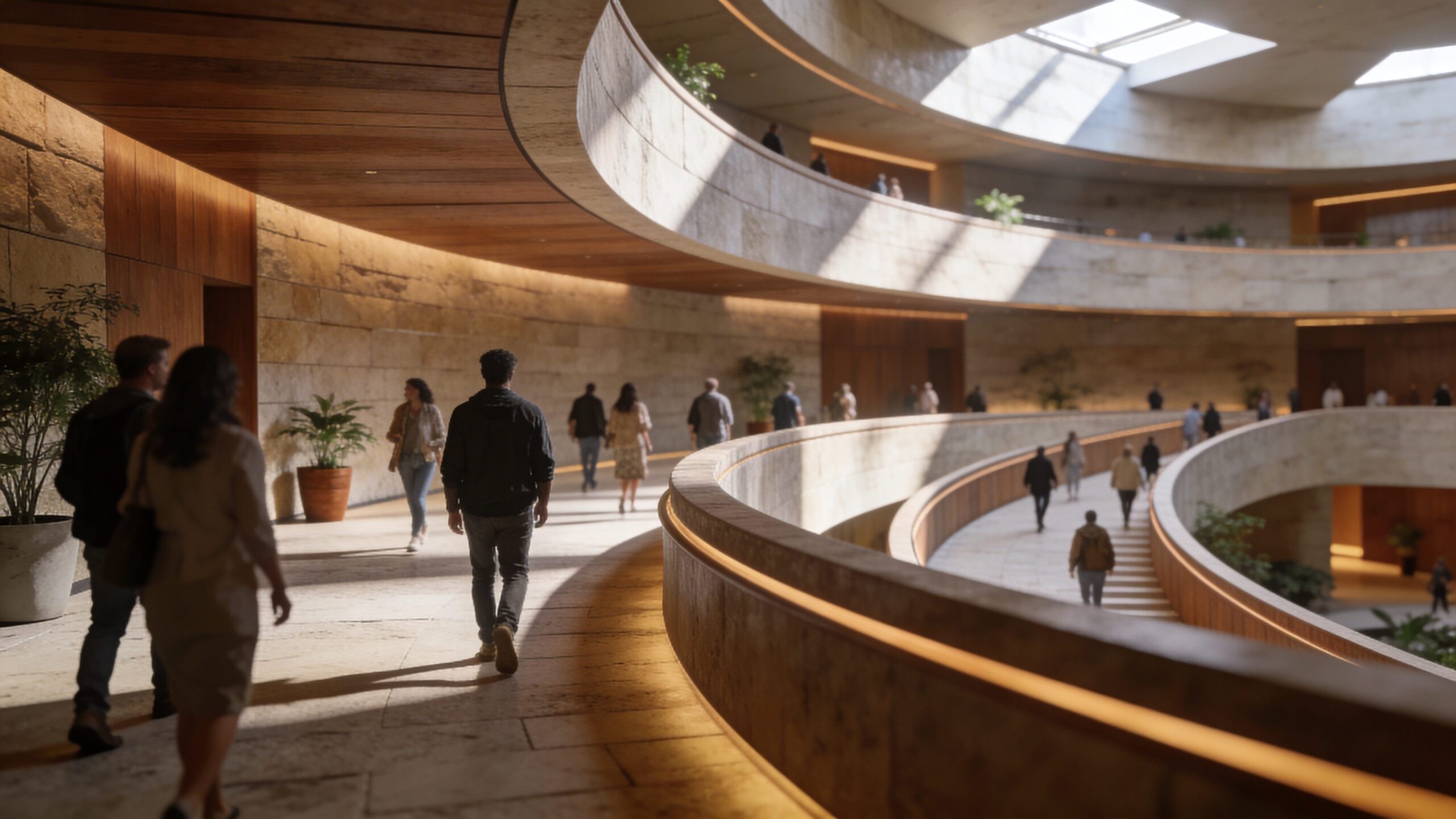
How fast or slow guests move through a space affects how they perceive it. Spatial flow controls pace through path width, ceiling height, turns, and visual compression. Narrow paths encourage slower movement and closer inspection. Wide paths encourage faster movement and broader awareness.
In themed environments, pace should align with emotional intent. A mysterious setting may benefit from slow, winding paths that encourage anticipation. A celebratory space may use open, flowing layouts that invite energy and social interaction. The key is consistency. When pace shifts without narrative justification, it feels disjointed. First impressions are particularly sensitive to pacing. If guests feel rushed upon entry, they may feel anxious. If they feel stalled, they may feel bored. Balanced spatial flow creates a sense of momentum that carries guests forward without pressure.
Spatial Transitions and the Art of Reveal
Transitions are where spatial flow truly shines. These are the moments when one space gives way to another, often revealing new themes, scales, or moods. Effective transitions heighten first impressions by layering discovery rather than presenting everything at once.
Gradual reveals build curiosity. Partial views invite movement. Framed vistas reward progression. These techniques create a sense of agency, making guests feel as though they are uncovering the environment rather than being shown it. Abrupt transitions, when intentional, can be powerful. Stepping suddenly from a tight corridor into a vast space can evoke awe. However, abrupt changes without preparation can feel jarring. Spatial flow ensures that transitions feel purposeful, even when they surprise.
Scale, Proportion, and Perceived Importance
Scale plays a critical role in shaping first impressions. Large spaces feel grand, authoritative, or communal. Small spaces feel intimate, secretive, or personal. Spatial flow orchestrates how guests encounter these scales, influencing emotional interpretation.
Proportion reinforces importance. Taller ceilings, wider paths, and greater visual depth signal primary spaces. Reduced scale signals supporting areas. When scale hierarchy is clear, guests instinctively understand what matters most in the environment. Misaligned scale can undermine first impressions. An overly grand entrance leading to underwhelming interior spaces creates disappointment. Conversely, modest entry sequences that open into dramatic interiors create delight. Spatial flow aligns scale progression with emotional payoff.
The Role of Landmarks in Orientation and Memory
Landmarks anchor spatial flow. They provide reference points that help guests orient themselves and remember the experience. These may be architectural features, sculptural elements, or distinctive environmental moments.
Effective landmarks are visible from multiple angles and integrated into circulation paths. They help guests understand where they are and where they have been. This understanding reduces cognitive strain and increases comfort, strengthening first impressions. Landmarks also enhance memorability. Guests often recall environments through these anchor points, associating them with emotions and moments. Spatial flow that highlights landmarks early establishes strong mental maps from the outset.
Emotional Continuity Across the Environment
First impressions are not confined to the first few seconds. They evolve as guests move deeper into the environment. Spatial flow ensures emotional continuity, preventing abrupt tonal shifts that can feel disorienting.
This does not mean environments must remain emotionally static. Variation is essential. However, changes should feel intentional and connected. A dark, mysterious entrance leading to a bright, welcoming central space can feel uplifting if the transition is handled gracefully.
Spatial flow maintains this continuity by smoothing emotional transitions through gradual changes in scale, lighting, acoustics, and movement patterns. The result is an experience that feels cohesive rather than fragmented.
The Consequences of Poor Spatial Flow
When spatial flow fails, first impressions suffer dramatically. Guests may feel lost, overwhelmed, or disconnected. They may miss key moments or encounter them out of sequence. Even exceptional design elements lose impact when spatial context is unclear.
Poor flow often leads to congestion, awkward pauses, or underutilized spaces. These issues break immersion and draw attention to logistics rather than storytelling. Guests become observers instead of participants.
In themed environments, these failures are especially damaging because immersion depends on trust. Once broken, that trust is difficult to restore. Spatial flow is not a secondary concern. It is foundational.
Designing for Instinct, Not Instruction
The most successful themed environments rely on instinctive navigation rather than explicit instruction. Spatial flow should guide guests naturally, using environmental cues instead of signs or staff intervention.
This instinctive design respects human behavior. People follow light. They move toward open space. They avoid dead ends. By aligning with these tendencies, designers create environments that feel effortless and intuitive. First impressions benefit enormously from this approach. Guests feel competent and confident, which enhances enjoyment and engagement. The environment feels intelligent, responsive, and alive.
Spatial Flow as the Gateway to Immersion
Immersion begins with belief. Guests must believe that the environment makes sense on its own terms. Spatial flow establishes this belief by creating internal logic and coherence. Movement feels purposeful. Spaces feel connected. Transitions feel earned.
This coherence is what allows guests to suspend disbelief. They stop questioning and start experiencing. First impressions are the gateway to this state, and spatial flow is the key that unlocks it. When guests enter a themed environment and immediately feel oriented, curious, and emotionally engaged, the design has succeeded at its most fundamental level.
The Lasting Impact of First Impressions
First impressions shape how guests interpret everything that follows. A strong initial experience amplifies later moments. A weak one diminishes them. Spatial flow determines whether that first impression is confident, inviting, and memorable.
Even after guests leave, spatial flow influences how they remember the experience. Environments that felt intuitive and emotionally coherent are recalled more fondly and described more vividly. They linger in memory because they felt lived, not navigated. For designers, this underscores the importance of treating spatial flow as a storytelling medium in its own right. It is not merely a technical consideration but an emotional one.
Designing Flow as Experience
Spatial flow is the silent architect of first impressions in themed environments. It shapes emotion, perception, and memory through movement and structure rather than decoration alone. By guiding guests instinctively, controlling pace, framing narrative, and maintaining emotional continuity, spatial flow transforms spaces into experiences.The most immersive environments succeed not because of isolated design elements, but because every space connects meaningfully to the next. When spatial flow is intentional, guests do not simply enter an environment. They step into a story, fully and effortlessly, from the very first moment.