What Is Theme Architecture?
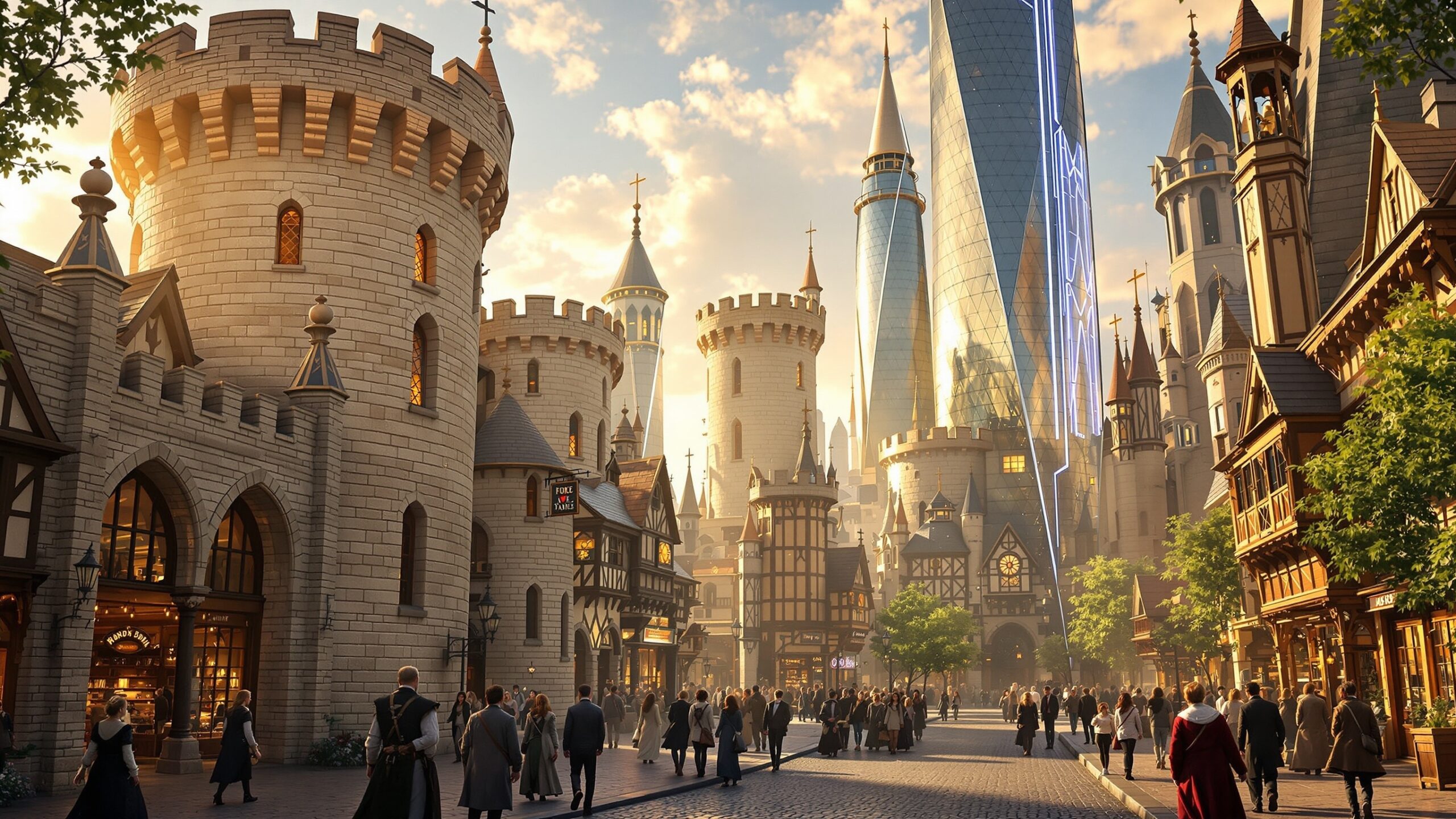
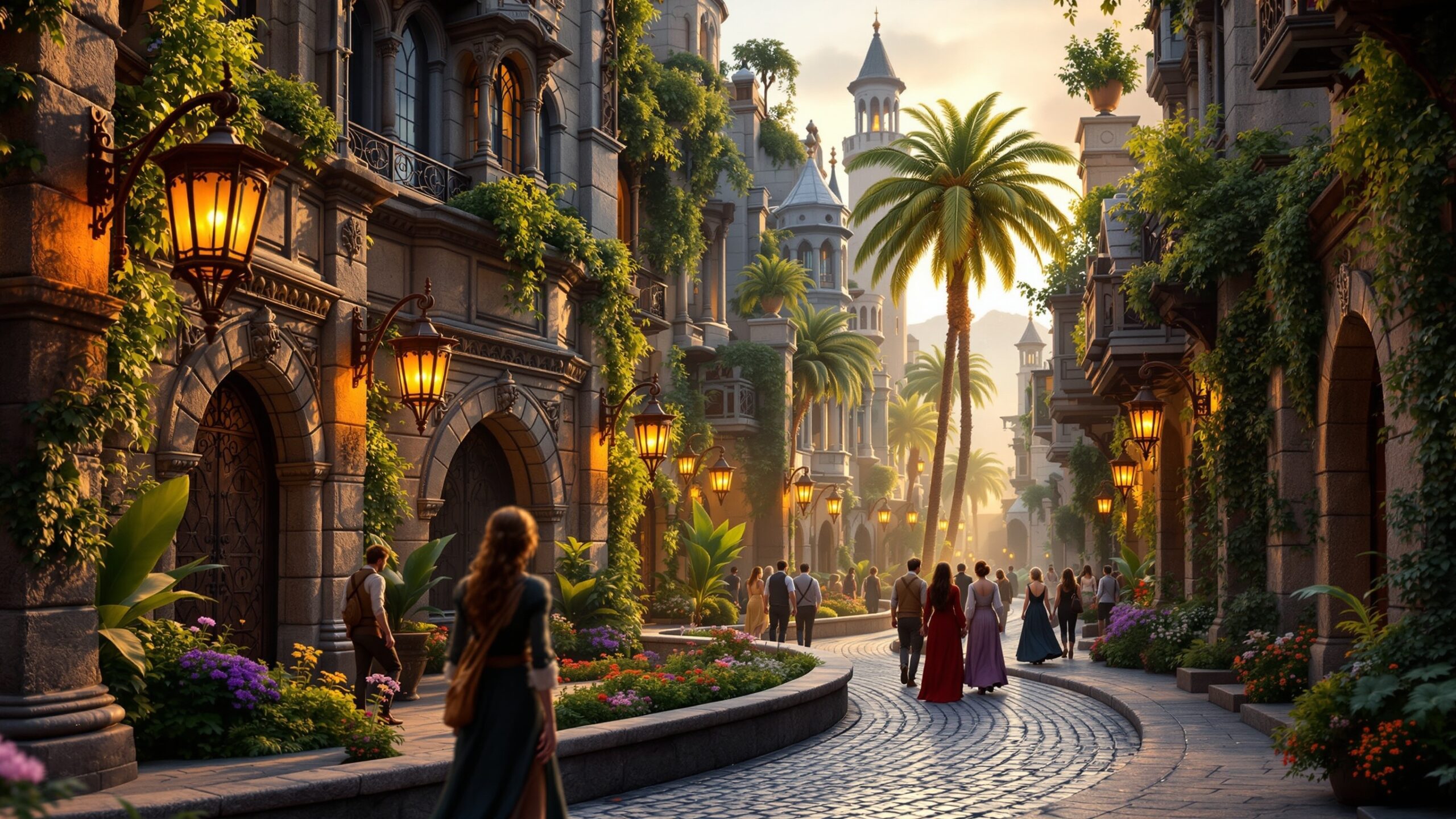
Theme architecture is the art and science of designing physical spaces around a cohesive story, concept, or emotional experience. Unlike conventional architecture, which primarily prioritizes function, efficiency, and aesthetics, theme architecture is driven by narrative. Every surface, structure, pathway, and detail exists to support a larger idea, whether that idea is a fantasy world, a historical moment, a branded environment, or an imagined future. The goal is not simply to house activity, but to immerse people in a believable, emotionally resonant environment. At its core, theme architecture asks a different question than traditional design. Instead of asking, “How should this building work?” it asks, “What should this space make people feel?” From that emotional target, all other decisions flow. Materials, proportions, lighting, textures, sound, and even wear patterns are carefully orchestrated to reinforce the illusion. When executed well, guests stop noticing individual design elements and begin responding instinctively to the environment as a whole.
A: It is architecture designed around storytelling and immersive experience.
A: No, it’s also used in museums, retail, restaurants, and attractions.
A: Theme architecture is permanent and fully functional.
A: Yes, all safety and accessibility codes still apply.
A: Exaggeration enhances readability and emotional impact.
A: Often real structures with scenic surface treatments.
A: Costs vary, but smart design balances illusion and budget.
A: Consistency, storytelling, and attention to detail.
A: Yes, scale does not limit immersion.
A: Visible modern elements that don’t fit the story.
A Brief History of Themed Environments
The roots of theme architecture stretch far beyond modern theme parks. Ancient civilizations used architecture to communicate power, mythology, and belief systems. Egyptian temples, Gothic cathedrals, and Baroque palaces were immersive long before the term existed, using scale, symbolism, and ornamentation to evoke awe, reverence, or authority. These structures told stories through stone, guiding visitors through carefully choreographed emotional journeys.
Modern theme architecture began to crystallize in the mid-20th century, particularly with the rise of destination entertainment and experiential retail. The development of immersive parks, museums, exhibitions, and branded spaces pushed architects and designers to blend storytelling with construction techniques. Over time, the discipline expanded into hotels, restaurants, retail environments, museums, zoos, attractions, and even residential projects. Today, theme architecture influences everything from pop-up experiences to permanent public spaces.
Theme Architecture vs Traditional Architecture
Understanding theme architecture requires recognizing how it differs from traditional architectural practice. Traditional architecture focuses on efficiency, structural clarity, and visual harmony. Theme architecture still respects those principles, but they are secondary to narrative cohesion. Structural elements may be intentionally concealed, exaggerated, or disguised to preserve the illusion of the story world.
In themed environments, realism is often selective rather than literal. Walls might be thicker than necessary to imply age or strength. Doors may be oversized to convey grandeur or intimidation. Rooflines may defy practical logic to maintain a silhouette that supports the theme. These choices are not mistakes; they are deliberate narrative tools. The success of a themed space is measured not by architectural purity, but by emotional impact and believability.
The Role of Story in Theme Architecture
Story is the foundation of every immersive space. Before a single sketch is drawn, designers establish the narrative framework that defines the environment. This story does not always need to be explicit or told through text. Often, it is implied through environmental cues that visitors subconsciously interpret. The architecture itself becomes the storyteller.
A well-developed story answers critical questions about the space. Who built this place? Why does it exist? How old is it? What has happened here over time? Even if guests never consciously ask these questions, their brains are constantly evaluating the environment for consistency. When the answers feel cohesive, immersion deepens. When they conflict, the illusion weakens.
World-Building Through Architecture
Theme architecture is essentially three-dimensional world-building. Designers create environments that feel larger than the physical footprint suggests. Strategic sightlines, forced perspective, layered facades, and controlled vistas allow spaces to unfold gradually, encouraging exploration and curiosity. Each area transitions logically into the next, reinforcing the sense of a living, functioning world.
World-building also involves designing spaces that appear to exist beyond the guest’s immediate reach. Background structures, distant skylines, and implied pathways suggest that the environment continues outside the visible area. This technique strengthens immersion by preventing the space from feeling like a stage set. Instead, it feels like a fragment of a much larger reality.
Materials as Storytelling Tools
Materials play a central role in theme architecture because they carry emotional and historical associations. Stone implies permanence and age. Wood suggests warmth and craftsmanship. Metal can feel industrial, futuristic, or oppressive depending on its treatment. In themed spaces, materials are chosen not only for durability but for their narrative resonance.
Often, materials are manipulated to appear aged, distressed, or altered by environmental forces. This controlled imperfection adds authenticity. Cracks, patina, and irregular textures suggest a history of use, weather, and time. These details help guests believe the environment has existed long before they arrived, even if it was built only months earlier.
Scale, Proportion, and Psychological Impact
Scale is one of the most powerful tools in theme architecture. Oversized elements can make visitors feel small, vulnerable, or awestruck. Compressed spaces can create tension or intimacy. Gradual shifts in ceiling height, corridor width, and spatial openness guide emotional pacing throughout the experience.
Proportion also influences perception. In themed environments, designers may intentionally distort proportions to enhance storytelling. Slightly taller doors, exaggerated rooflines, or compressed windows can subtly affect how a space feels without drawing conscious attention. These manipulations are grounded in psychology, shaping emotional responses through physical form.
Lighting as Architectural Narrative
Lighting is not merely a technical necessity in theme architecture; it is a narrative device. Light defines mood, directs attention, and reinforces time of day or environmental conditions. Warm lighting can evoke comfort or nostalgia, while cool lighting can suggest mystery, technology, or unease. Shadows are just as important as illumination, adding depth and intrigue.
In immersive spaces, lighting is often layered and concealed. Fixtures are hidden to preserve the illusion, allowing light to appear as if it originates naturally from lanterns, windows, or environmental sources. This approach prevents modern elements from breaking the story and maintains visual consistency throughout the space.
Spatial Flow and Guest Experience
Theme architecture is designed around movement. Guests rarely experience a space from a single viewpoint, so designers choreograph how people enter, navigate, and exit environments. Pathways curve to reveal scenes gradually. Landmarks anchor orientation. Transitions between areas are softened through thematic blending rather than abrupt changes.
This controlled flow helps manage both emotional pacing and practical considerations such as crowd movement. A successful themed environment balances storytelling with usability, ensuring guests feel guided without feeling constrained. When flow is well executed, visitors intuitively know where to go next while remaining immersed in the narrative.
The Importance of Environmental Consistency
Consistency is essential to immersion. Every visible element, from major architectural forms to minor surface details, must align with the theme. Modern intrusions such as exposed hardware, inappropriate signage, or inconsistent materials can disrupt the illusion instantly. For this reason, theme architecture requires meticulous attention to detail.
Consistency also extends to maintenance and aging. A themed space must be designed with long-term upkeep in mind so that wear enhances the story rather than detracts from it. Controlled aging can add character, but neglect undermines credibility. Designers plan for how materials will change over time, ensuring the environment remains believable year after year.
Theme Architecture Beyond Theme Parks
While theme parks are the most recognizable examples, theme architecture extends far beyond entertainment destinations. Museums use themed environments to contextualize exhibits and deepen educational impact. Retail spaces employ narrative design to build emotional connections with brands. Restaurants and hotels create immersive atmospheres that differentiate them from competitors.
Even corporate environments and public spaces increasingly adopt thematic principles to enhance user experience. Offices designed around brand values, community centers that reflect local history, and cultural institutions that tell regional stories all draw from the same foundational concepts. Theme architecture is ultimately about meaningful experience, regardless of scale or setting.
The Collaborative Nature of Theme Architecture
Theme architecture is inherently collaborative. Architects work alongside storytellers, concept designers, engineers, fabricators, lighting designers, and technicians. Each discipline contributes specialized expertise, but all decisions are filtered through the narrative lens. This interdisciplinary approach distinguishes theme architecture from more siloed design processes.
Effective collaboration requires a shared understanding of the story and its priorities. Design teams often develop detailed narrative documents that guide decisions throughout the project lifecycle. These documents ensure consistency across disciplines and provide a reference point when technical constraints arise.
Technology and Modern Immersion
Advancements in technology have expanded the possibilities of theme architecture. Projection mapping, interactive lighting, sound design, and responsive environments allow spaces to change dynamically. These technologies can deepen immersion when integrated seamlessly into the architecture rather than applied as surface effects.
However, technology must serve the story, not dominate it. Overreliance on digital elements can undermine authenticity if not carefully balanced with physical design. The most compelling immersive spaces use technology subtly, enhancing emotional impact without drawing attention to the mechanism behind the effect.
Designing for Emotion and Memory
The ultimate goal of theme architecture is to create lasting memories. Emotional engagement is what transforms a well-designed space into a meaningful experience. By appealing to multiple senses and guiding emotional responses, themed environments become memorable long after visitors leave.
Emotionally resonant spaces often feel personal, even when experienced by thousands of people. They invite exploration, curiosity, and reflection. These environments linger in memory because they engage not just the intellect, but the imagination.
Common Misconceptions About Theme Architecture
One common misconception is that theme architecture is superficial or decorative. In reality, it requires rigorous planning, engineering, and psychological insight. The decorative elements are merely the visible layer of a deeply integrated design system. Another misconception is that themed spaces are only appropriate for entertainment. As experiential design becomes more influential, thematic principles are increasingly applied across industries.
Theme architecture is also sometimes misunderstood as expensive or impractical. While immersive environments require investment, thoughtful storytelling and material choices can be scaled to suit a wide range of budgets. The effectiveness of theme architecture depends more on coherence and creativity than on extravagance.
Getting Started with Theme Architecture
For beginners, understanding theme architecture begins with observation. Pay attention to how spaces make you feel and why. Analyze environments that successfully immerse you and identify the design choices that support the story. Study how materials, lighting, and spatial flow work together rather than in isolation.
Learning the discipline also involves embracing narrative thinking. Practice imagining the backstory of a space and how that story might influence architectural decisions. Over time, this mindset becomes second nature, allowing designers to create environments that feel authentic and emotionally engaging.
The Future of Theme Architecture
As audiences increasingly seek meaningful experiences, theme architecture continues to evolve. Sustainability, inclusivity, and adaptability are becoming central considerations. Designers are exploring ways to create immersive environments that are environmentally responsible and culturally sensitive while still delivering powerful storytelling.
The future of theme architecture lies in its ability to balance innovation with timeless principles. Story, emotion, and human connection will always remain at its core. As technology and materials advance, the discipline will continue to find new ways to transport people, not just to other places, but into entirely new experiences.
Why Theme Architecture Matters
Theme architecture matters because it shapes how people experience the world around them. It transforms ordinary spaces into extraordinary places, inviting people to step outside daily routines and engage with stories made tangible. Whether subtle or spectacular, themed environments enrich lives by fostering imagination, curiosity, and emotional connection.
For beginners, understanding theme architecture opens the door to a discipline that blends creativity with technical expertise. It is a field where storytelling meets structure, and where design becomes an experience rather than an object. By mastering its principles, designers can create spaces that do more than function. They inspire, immerse, and endure.