Modern Western Style Is Rustic With Cleaner Lines
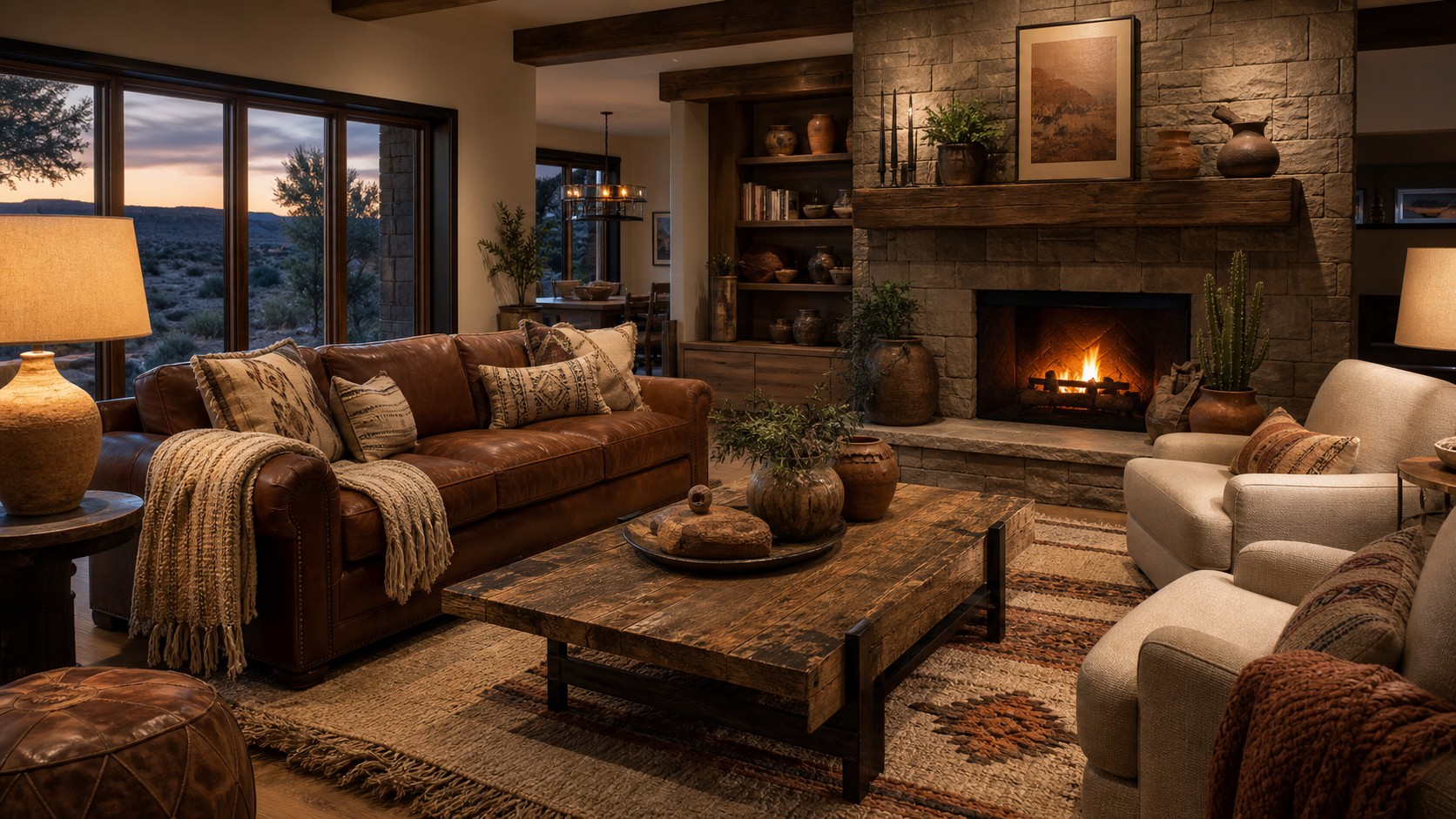
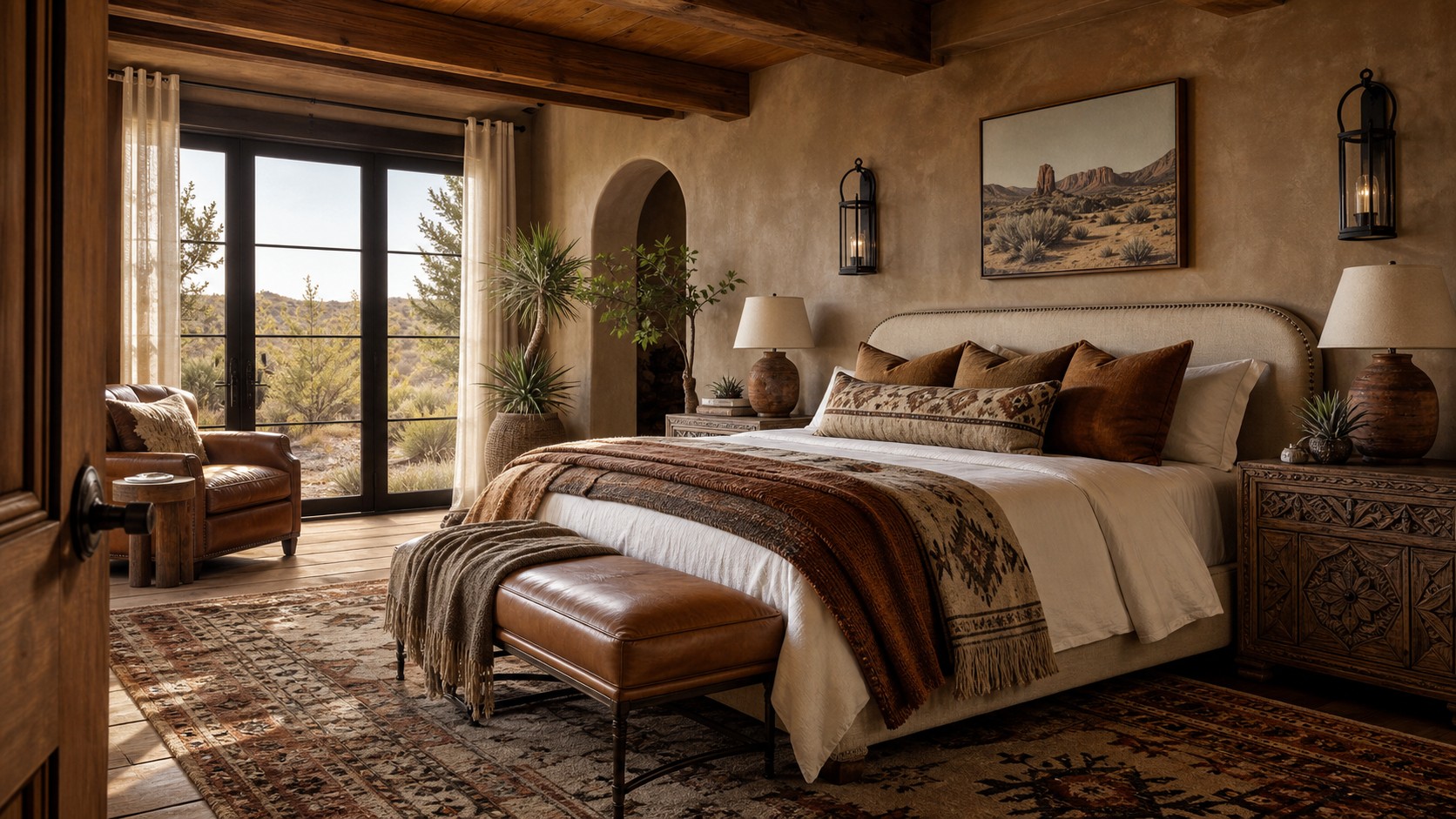
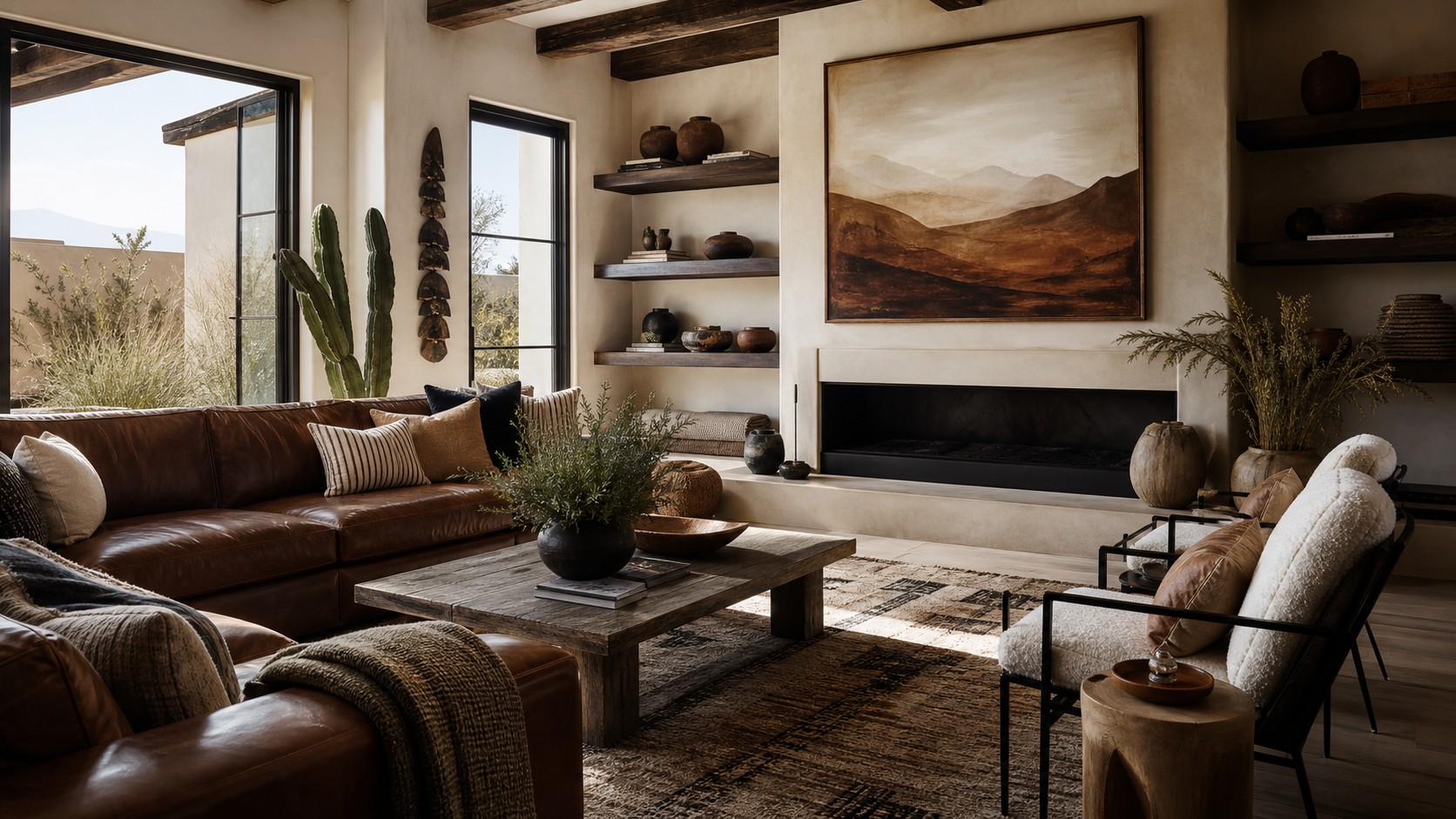
Modern western decor is changing rustic living by trading heavy themed rooms for a cleaner, warmer, more livable style. It still values leather, wool, wood, iron, stone, and desert color, but it uses them with restraint. The result is not a staged frontier set or a crowded cabin look. It is a home that feels grounded, tactile, and connected to landscape while still working for contemporary life.
A: No, it leans more on leather, wool, iron, desert tones, and frontier texture.
A: Yes, if the materials are scaled down and the references stay restrained.
A: No, material, color, landscape art, and texture can carry the style.
A: Saddle, cognac, and tobacco tones are flexible starting points.
A: Use cleaner furniture lines and fewer literal props.
A: Yes, with quality leather, wool, plaster, lighting, and edited art.
A: Black iron, bronze, and aged brass usually work well.
A: No, but they are one of the easiest ways to add western character.
A: If the room feels dark and heavy, reduce wood or lighten surrounding surfaces.
A: Start with a durable anchor such as a rug, chair, sofa, or table.
Start With Materials That Age Well
Modern western rooms depend on honest materials. Leather should soften with use. Wool should add warmth and pattern. Wood should show grain rather than a fake distressed finish. Iron, stone, plaster, clay, and ceramic bring weight without needing obvious western symbols.
This material-first approach keeps the style from becoming costume-like. A saddle-brown sofa, handwoven rug, black iron lamp, and plaster wall can suggest the West more gracefully than a room filled with horseshoes and signs. The materials carry the memory of frontier life without turning the home into a display.
Durability is part of the appeal. Western style should handle boots, pets, guests, dust, and long evenings. Modern versions refine the surfaces but keep that sense of usefulness. Nothing should feel too fragile for real living.
Use Desert Color With Restraint
The modern western palette is warm but not one-note. Cream, clay, tobacco, rust, umber, sand, charcoal, sage, bone, and dark wood can create depth without overwhelming the room. The best palettes feel sun-baked and natural rather than overly orange.
Use brighter rust, turquoise, or red very carefully. These colors can be beautiful, but they become loud quickly. A pillow, textile stripe, ceramic object, or artwork detail may be enough. The larger surfaces often look better in softer desert neutrals.
A palette can also be modernized through contrast. Pale plaster beside black iron, tobacco leather beside cream upholstery, or clay ceramics beside charcoal shelving feels current because the warm tones have structure. Rustic rooms become dated faster when everything sits in the same middle-brown range.
Natural light should guide the final palette. A sunny room can handle deeper leather and rust, while a shaded room may need more cream, warm white, and pale wood. The same western colors behave differently depending on exposure.
This is why samples matter more than trend photos. A clay fabric, dark rug, or leather swatch should be seen in the actual room before it becomes a major purchase. Western warmth depends on undertone as much as color name.
Let Leather Be Strong but Not Heavy
Leather is one of the central materials in western decor, but modern rooms use it with balance. A leather sofa, bench, chair, or ottoman can anchor the room. Surround it with lighter textiles, open-legged furniture, pale walls, and natural rugs so the space does not become visually heavy.
Color and finish matter. Saddle, cognac, tobacco, oxblood, and dark brown each create a different mood. Smooth leather feels cleaner and more modern, while worn leather feels relaxed and traditional. Choose the finish that matches the architecture and the daily use of the room.
Avoid matching every leather piece. A room full of identical leather furniture can feel like a showroom. One strong leather anchor, supported by wool, wood, linen, and iron, usually feels more collected.
Update Rustic Wood
Rustic wood is being redefined through cleaner shapes. Instead of bulky carved pieces everywhere, modern western rooms might use a simple oak coffee table, a sculptural wood stool, floating shelves, or a streamlined dining table with visible grain. The wood still feels natural, but the silhouette is calmer.
Reclaimed wood can work beautifully when used in the right amount. A mantel, table, beam, or cabinet front can bring history. Too many reclaimed surfaces, however, can make the room feel dark and rough. Pair aged wood with plaster, linen, or smoother stone to keep the style current.
Wood tone should also be edited. Mixing many dark browns can flatten a room. Combine warm medium wood with black iron, cream textiles, and a lighter rug so the material has contrast and shape.
A cleaner wood silhouette can also make vintage pieces feel fresher. If a room includes an inherited trunk or antique cabinet, pair it with simpler surrounding furniture so the old piece feels special rather than heavy.
Bring in Pattern Through Textiles
Woven textiles are where western rooms can show personality. Striped blankets, geometric rugs, saddle blankets, kilim-inspired pillows, and wool throws introduce pattern without filling the room with decorative objects. They also bring comfort, which is essential to the style.
Modern western pattern works best when the room gives it space. A strong rug may need simpler pillows. A patterned throw may be enough on a leather chair. Repeat colors from the textile elsewhere in smaller ways so it feels connected rather than isolated.
Textiles are also a good place to bring craft into a newer home. A handwoven pillow or wool throw can make clean architecture feel less anonymous. Because these pieces are easy to change, they let the room carry western character without locking every major purchase into one style.
Use Iron and Lighting as Structure
Blackened iron and bronze accents give modern western rooms a useful edge. They can appear in lamps, curtain rods, fireplace tools, table bases, sconces, and cabinet hardware. The lines should be simple and sturdy, not overly decorative.
Lighting can shift western decor from rustic to refined. Lantern shapes, shaded sconces, ceramic lamps, and iron floor lamps all work when they create warm, layered light. Avoid harsh overhead brightness. Western rooms should feel comfortable at dusk, when texture and shadow become part of the mood.
A good lighting plan also prevents brown materials from becoming dull. Light grazing over leather, wool, plaster, or stone reveals texture and makes the room feel richer.
Fixtures should feel sturdy but not theatrical. A simple iron floor lamp or bronze sconce often looks more modern than a chandelier overloaded with rustic references. The light quality matters more than decorative weight.
Choose Art That Suggests Landscape
Western art does not have to be literal. Abstract desert forms, tonal landscapes, black-and-white ranch photography, woven wall pieces, and ceramic sculpture can all bring a sense of place. The key is choosing pieces with atmosphere and scale.
A large quiet landscape can do more than many small themed prints. It gives the room a horizon and connects the interior to the outdoors. If the room already has patterned textiles, keep the art calmer. If the furniture is simple, art can carry more color or movement.
Avoid relying on novelty signs or repeated cowboy imagery unless the room is intentionally playful. Modern western style usually feels stronger when the references are textural, atmospheric, and personal.
Make the Style Work in New Architecture
Modern western decor does not require a ranch house. It can work in apartments, suburban homes, new builds, and compact spaces when the materials are scaled correctly. A small room may need one leather chair, one woven rug, and a ceramic lamp rather than a full suite of heavy furniture.
New architecture often benefits from western warmth because clean walls and simple windows can feel plain. Plaster texture, warm wood, black hardware, and tactile textiles add character without fighting the architecture. The room stays modern but gains soul.
In apartments or smaller homes, scale is the main adjustment. Choose a compact leather chair instead of a large sofa, a single woven textile instead of layered rugs, or a simple iron lamp instead of heavy chandelier-style lighting. The style reads through quality and proportion.
New-build homes especially benefit from this approach. Instead of forcing aged details into fresh architecture, use plaster texture, warm leather, and strong textiles to create character that feels compatible with clean construction.
Edit the Frontier References
Frontier style has recognizable symbols, but modern rooms do not need all of them. Saddles, hats, spurs, horses, cattle imagery, antlers, and rope can become overwhelming when used together. Choose only the details that have beauty, function, or personal meaning.
A family heirloom, vintage photograph, handmade textile, or useful leather object can feel authentic. Generic props can feel thin. The difference is not always age; it is whether the object has enough material presence to belong in the room.
Modern western decor succeeds when it feels lived-in rather than performed. The best rooms have restraint, warmth, durability, and a connection to open landscapes. They invite people to sit down, stay awhile, and notice the texture slowly.
Mix Contemporary Pieces With Western Texture
Modern western rooms often work because the furniture is not all rustic. A clean sofa can sit beside a rugged wood table. A simple plaster wall can hold a tonal landscape. A contemporary chair can be warmed by a wool pillow. The contrast makes the western elements feel chosen rather than inherited by default.
This mix also keeps the room flexible. If every piece is heavily themed, changing the style later becomes difficult. If the base includes clean lines and natural materials, western details can be strengthened or softened over time without replacing everything.
The most convincing rooms usually have one or two pieces that feel unmistakably western and several others that simply support the mood. That balance creates freshness.
The most interesting modern western homes rarely look finished in a single shopping trip. They combine new comfort with objects that feel found, made, or kept. That sense of gradual collection is what gives the style its quiet authority.
Let Craft Replace Clutter
Handmade quality is one of the strongest modern western trends. Pottery, woven textiles, carved wood, leatherwork, forged metal, and plaster finishes can bring character without filling every shelf. Craft has presence because it shows material and hand, not because it announces a theme.
This is especially useful in open-plan homes where clutter travels visually. A few larger crafted pieces can hold attention across the room, while many small props make the space feel busy. Choose objects that look good from several distances.
Craft also creates a slower kind of warmth. People notice the weave, glaze, grain, or stitching over time. That patience is part of what makes modern western decor feel more sophisticated than older rustic formulas.
Design for Everyday Dust, Sun, and Wear
Western style has always had a relationship with hard use, and modern rooms should respect that. Sun, dust, pets, boots, and guests can all affect finishes. Choose rugs, leathers, woods, and fabrics that can age with dignity rather than looking ruined after ordinary life.
This does not mean the room should be rough. It means beauty and durability should meet. Performance fabrics, sealed plaster, wipeable tables, quality leather, and sturdy rugs can make a room feel polished and relaxed at the same time.
When materials can handle daily life, the room feels more welcoming. People can sit, gather, and move naturally, which is the real promise of rustic living.
Trends will keep shifting, but the durable center of the look is simple: tactile materials, warmth, openness, and restraint. If those qualities stay intact, the room can evolve without losing its western character.