Designing Guest Journeys That Feel Effortless and Intentional
Designing a guest journey that feels effortless is one of the most sophisticated challenges in experience design. When done well, visitors move naturally through a space, story, or environment without hesitation, confusion, or cognitive fatigue. They rarely notice the design decisions guiding them, yet they feel oriented, comfortable, and emotionally engaged at every step. Effortless experiences are never accidental. They are the result of intentional planning, layered design thinking, and a deep understanding of human behavior, perception, and expectation. In immersive environments, themed spaces, attractions, exhibitions, retail environments, and experiential destinations, the guest journey is the invisible framework that determines whether an experience feels magical or disjointed.
An intentional guest journey aligns physical movement, emotional pacing, sensory input, and narrative clarity into a cohesive flow. It anticipates guest needs before they are consciously expressed and removes friction before it becomes noticeable. This type of design does not shout for attention. Instead, it quietly supports the guest, creating a sense of ease that allows immersion to flourish. Designing such journeys requires both analytical precision and creative intuition, balancing operational realities with emotional storytelling.
A: Clear cues, intuitive flow, and reduced decision points.
A: They define pacing and emotional shifts.
A: Yes, when environmental cues do the work.
A: Through space, light, and sensory density.
A: Competing focal points and unclear hierarchy.
A: Often, yes—subtlety feels more natural.
A: Discomfort breaks narrative focus.
A: Not when intentionally designed.
A: Walk it as a first-time visitor.
A: Guests never feeling lost or rushed.
Understanding the Guest Journey as a Narrative Arc
Every guest journey is a story unfolding in real time. From the moment a guest approaches an environment to the moment they exit, they are subconsciously interpreting cues, forming expectations, and building emotional responses. Treating the journey as a narrative arc allows designers to think beyond isolated moments and focus on continuity, rhythm, and payoff. Just as a compelling story has a clear beginning, middle, and end, an effective guest journey establishes context, develops engagement, and concludes with resolution or reflection.
The opening moments of a journey are critical. This is where guests form their first impressions and calibrate their expectations. A well-designed entry sequence gently transitions guests from the outside world into the experience. Changes in scale, lighting, sound, and material can signal that something new is beginning, without overwhelming the senses. These early cues help guests understand how to behave, what pace to adopt, and what level of attention is required.
As the journey progresses, the middle acts should deepen engagement while maintaining clarity. Guests should feel guided rather than managed, curious rather than lost. The journey should build momentum, alternating between moments of intensity and moments of rest. Finally, the conclusion should feel intentional, offering emotional closure and reinforcing the core message or memory of the experience. When the narrative arc is thoughtfully designed, guests leave with a sense that everything happened for a reason.
Designing for Human Behavior and Intuition
Effortless journeys are grounded in an understanding of how people naturally move, think, and make decisions. Human behavior follows predictable patterns, especially in unfamiliar environments. People seek landmarks, follow lines of sight, and gravitate toward light, sound, and activity. They avoid uncertainty and prefer paths that feel safe, logical, and socially validated. Designing with these instincts in mind allows journeys to unfold intuitively.
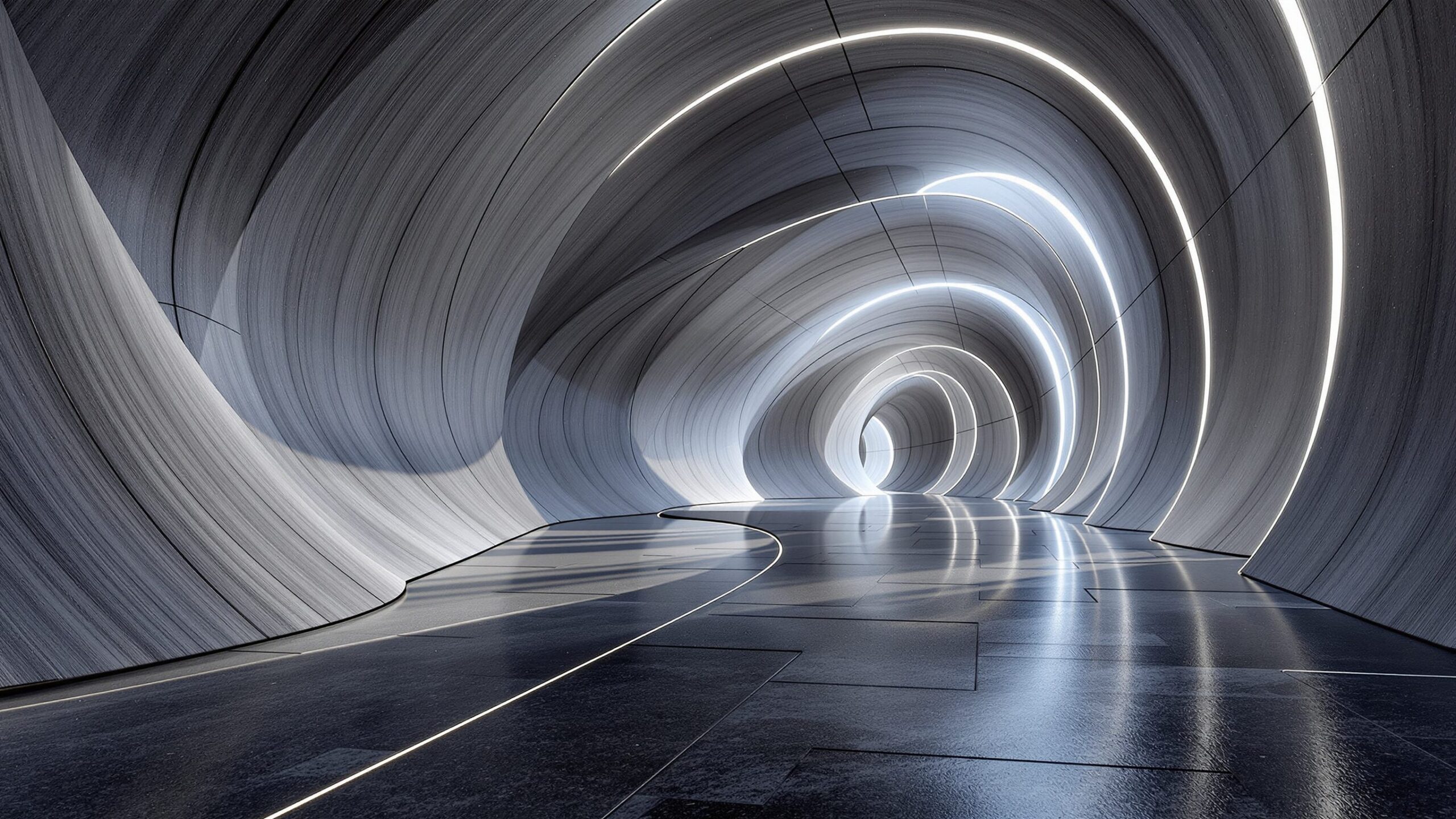
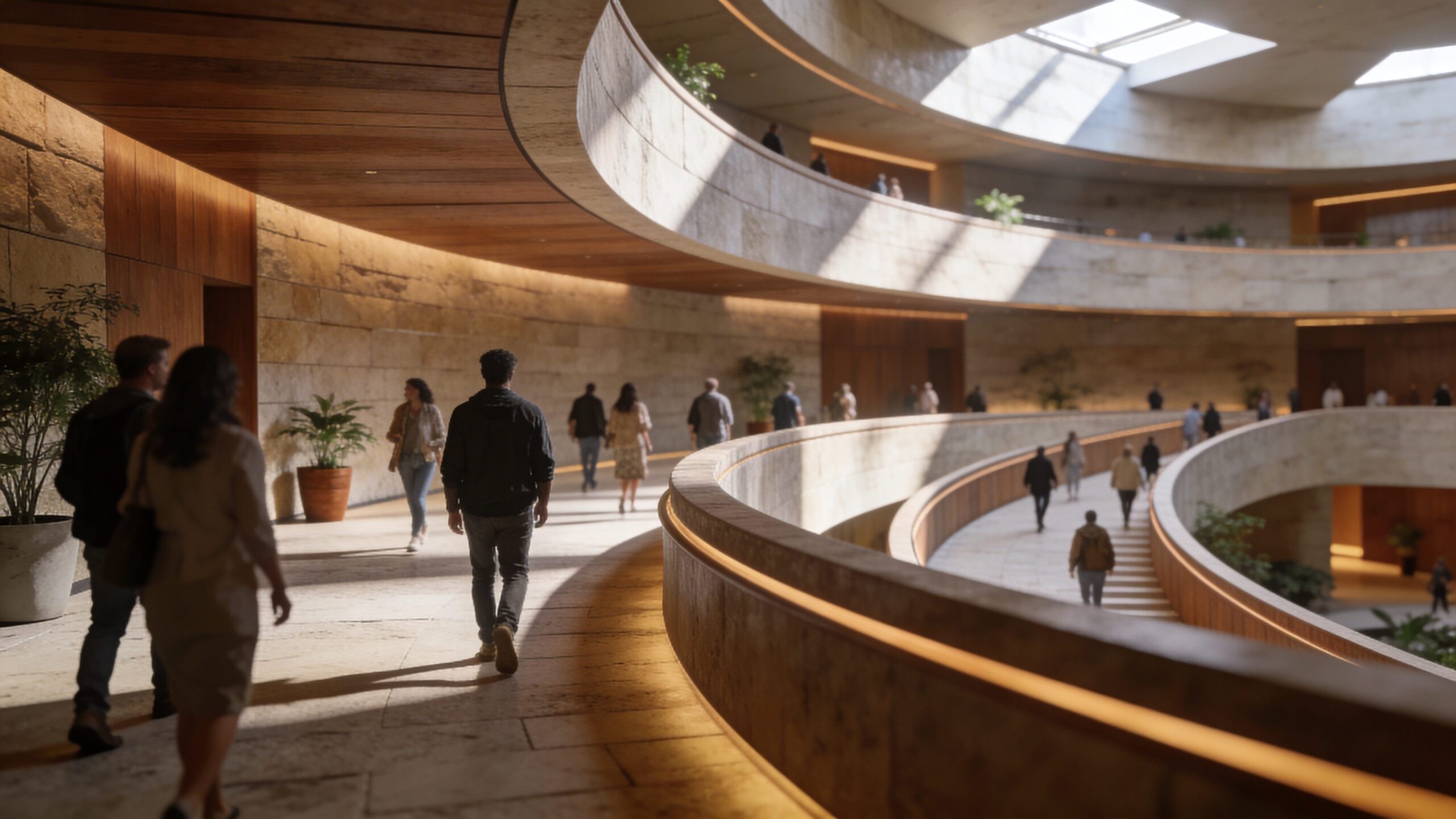
Spatial layout plays a fundamental role in guiding behavior. Clear sightlines help guests understand where they are and where they can go next. Gradual curves and implied pathways feel more inviting than abrupt turns or dead ends. Changes in floor texture, ceiling height, or wall articulation can subtly influence movement without the need for explicit signage. When guests can read a space instinctively, they experience less mental strain and more emotional openness.
Decision fatigue is another critical consideration. When guests are presented with too many choices at once, the journey can feel stressful rather than enjoyable. Intentional design reduces unnecessary decisions by presenting clear, sequential options. This does not mean limiting exploration, but rather structuring choices in a way that feels manageable. By controlling when and how options appear, designers can preserve a sense of freedom while maintaining flow.
Creating Flow Through Spatial Sequencing
Flow is the sensation of continuous, uninterrupted movement through an experience. In guest journey design, flow emerges when spatial sequencing aligns with emotional pacing. Each space should feel like a natural progression from the last, with transitions that prepare guests for what comes next. Abrupt shifts in theme, scale, or energy can break immersion and create confusion unless they are clearly motivated by the narrative.
Transitions are often where journeys succeed or fail. Hallways, thresholds, and in-between spaces should never feel like afterthoughts. These moments offer opportunities to reset attention, shift mood, or foreshadow upcoming experiences. Subtle changes in lighting color, ambient sound, or material palette can signal a transition without stopping the journey’s momentum.
Well-designed sequencing also accounts for dwell time. Some spaces invite lingering, while others encourage movement. By varying spatial proportions and sensory richness, designers can influence how long guests stay in each area. This helps manage crowd flow while enhancing emotional impact. A journey that alternates between expansive, awe-inspiring moments and intimate, focused experiences feels dynamic and engaging rather than monotonous.
The Role of Sensory Design in Effortless Experiences
Sensory design is one of the most powerful tools for shaping guest journeys. Sight, sound, texture, temperature, and even scent work together to create subconscious cues that guide behavior and emotion. When these elements are thoughtfully coordinated, guests feel supported and immersed without being overwhelmed.
Lighting, in particular, plays a crucial role in directing attention and movement. Brighter areas naturally attract guests, while softer lighting encourages pause or reflection. Directional lighting can highlight pathways, focal points, or narrative elements without relying on overt instruction. Color temperature also influences mood, with warmer tones fostering comfort and cooler tones suggesting transition or anticipation.
Sound design adds another layer of guidance. Ambient audio can establish atmosphere while subtly masking operational noise. Directional sound cues can draw guests toward key moments or signal changes in environment. When sound is integrated seamlessly into the spatial design, it enhances immersion and reinforces narrative flow.
Wayfinding Without Visible Signage
One of the hallmarks of an effortless guest journey is effective wayfinding that feels invisible. While signage has its place, the most intuitive environments rely on environmental cues rather than explicit directions. Architectural forms, lighting patterns, and visual hierarchies can all communicate orientation and direction.
Landmarks are particularly effective in helping guests navigate complex environments. A distinctive feature, such as a sculptural element, a dramatic lighting installation, or a unique architectural gesture, can serve as a reference point that anchors the guest’s mental map. When landmarks are placed strategically, guests always feel a sense of orientation, even as they explore.
Consistency also supports intuitive wayfinding. Repeating visual language, material palettes, or thematic motifs helps guests understand that spaces are connected. When each area feels like part of a cohesive whole, navigation becomes easier and more comfortable. Guests are less likely to feel lost when the environment speaks a consistent design language.
Emotional Pacing and Guest Comfort
An intentional journey carefully manages emotional pacing. Just as a piece of music balances tension and release, an immersive experience should guide guests through a range of emotional states. Continuous intensity can lead to fatigue, while too much calm can diminish engagement. The key is to create a rhythm that feels natural and human.
Comfort is a foundational component of emotional pacing. Physical comfort, including adequate space, seating opportunities, and climate control, directly affects emotional receptivity. When guests are uncomfortable, they become more focused on their own needs than on the experience. Thoughtful design anticipates these needs and integrates solutions seamlessly into the environment.
Psychological comfort is equally important. Clear boundaries, predictable transitions, and gentle cues help guests feel safe and in control. Even in high-energy or suspenseful environments, guests should feel that the experience is guiding them rather than challenging them to keep up. This sense of trust allows deeper emotional engagement.
Designing for Diverse Guest Types
No two guests experience a journey in exactly the same way. Differences in age, mobility, cultural background, and personal preference all influence perception and behavior. Designing an effortless journey means accommodating this diversity without fragmenting the experience.
Flexibility is key. Multiple paths, optional layers of engagement, and varied pacing options allow guests to tailor the journey to their comfort level. Clear primary routes ensure that those who prefer a guided experience feel supported, while secondary spaces invite exploration for those who seek it.
Accessibility should be integrated into the core design rather than treated as an add-on. When accessible routes, seating, and interactive elements are seamlessly incorporated, all guests benefit. An inclusive journey feels more intentional and humane, reinforcing the sense that the experience was designed with care and empathy.
Operational Alignment and Guest Experience
Effortless guest journeys are supported by strong operational planning. Behind-the-scenes logistics, staffing, and maintenance all influence how an experience is perceived. A beautifully designed environment can quickly lose its magic if operational friction becomes visible.
Queue management is a common challenge in guest journey design. Long waits, unclear processes, and overcrowding can disrupt flow and diminish emotional impact. Thoughtful queue design integrates storytelling, environmental interest, and clear expectations, transforming waiting time into part of the experience rather than an obstacle.
Staff interactions also play a vital role. When staff are positioned strategically and empowered with clear roles, they become extensions of the journey rather than interruptions. Their presence should feel natural and supportive, reinforcing the narrative and helping guests navigate without feeling managed.
Measuring Success Through Guest Perception
The true measure of an effortless and intentional guest journey lies in how guests feel, not just how efficiently they move. Successful journeys are often described using words like seamless, immersive, intuitive, and memorable. These perceptions emerge when design decisions align with human behavior and emotional needs.
Feedback, observation, and iteration are essential to refining guest journeys. Watching how guests actually use a space often reveals insights that cannot be predicted on paper. Small adjustments to lighting, circulation, or signage can have a significant impact on overall flow.
Over time, the most successful environments evolve in response to guest behavior. Intentional design is not static; it adapts while preserving the core narrative and emotional intent. This ongoing refinement ensures that the journey remains effortless even as audiences and expectations change.
Conclusion: The Art of Invisible Design
Designing guest journeys that feel effortless and intentional is an art rooted in empathy, clarity, and restraint. It requires designers to think beyond aesthetics and focus on how people move, feel, and remember. The most powerful journeys are those that guide without commanding, inspire without overwhelming, and support without being seen.
When every element, from spatial layout to sensory detail, works in harmony, guests are free to fully engage with the experience. They do not stop to question where to go or what to do next. Instead, they surrender to the journey, confident that it will carry them forward. This sense of ease is the ultimate mark of intentional design and the foundation of truly immersive guest experiences.