The Psychology of Materials in Themed Spaces
The materials chosen for a themed environment do far more than fill space or support structure. They shape emotion, influence perception, guide behavior, and quietly communicate meaning before a single word is read or a story is told. In immersive design—whether in themed attractions, experiential retail, hospitality environments, museums, or branded spaces—materials operate as psychological triggers. Texture, weight, reflectivity, temperature, and aging all register at a subconscious level, shaping how people feel, move, linger, and remember. Understanding the psychology of materials is essential for designers who aim to create spaces that feel authentic, emotionally resonant, and immersive rather than artificial or superficial. At their best, materials act as silent storytellers. They signal safety or danger, nostalgia or futurism, permanence or impermanence. They establish credibility and realism, or deliberately exaggerate fantasy. This article explores how materials influence perception and emotion in themed spaces, why certain materials consistently perform better for immersion, and how designers can make more intentional, psychologically informed choices that elevate the guest experience.
A: Perceived authenticity matters more than actual composition.
A: Weight, cost, safety, and storytelling control.
A: Yes—movement, comfort, and attention are all affected.
A: Texture is processed faster by the brain.
A: Real-world scale often reads flat at themed distances.
A: Only when the illusion breaks.
A: They trigger subconscious emotional associations.
A: Soft-edged, warm-toned surfaces.
A: Yes—aging, wear, and finish imply narrative history.
A: Choosing materials for looks instead of psychology.
How the Brain Interprets Materials Before We Think
Human brains evolved to assess materials quickly. Long before modern architecture or themed entertainment, survival depended on identifying surfaces that were stable, sharp, soft, hot, cold, safe, or threatening. That instinct remains deeply wired. When someone enters a themed space, their brain immediately begins categorizing materials based on learned and evolutionary cues, often within milliseconds.
Stone, for example, is read as durable, protective, and ancient. Wood tends to signal warmth, shelter, and human craftsmanship. Metal conveys strength, danger, precision, or industrial efficiency depending on its finish and context. These interpretations happen automatically, well before conscious analysis begins. Even synthetic materials are filtered through this lens, often judged by how convincingly they mimic—or intentionally depart from—natural counterparts.
This rapid material assessment influences emotional response. Spaces dominated by hard, reflective materials tend to feel louder, colder, and more intense, while environments rich in textured, absorbent materials often feel calmer and more inviting. Designers who ignore this subconscious processing risk creating spaces that feel emotionally “off,” even if the theme itself is compelling.
Texture and Tactility as Emotional Signals
Texture is one of the most powerful psychological tools in themed environments. Smooth, polished surfaces communicate control, refinement, and modernity. Rough, irregular textures suggest age, decay, labor, or wilderness. The brain associates these tactile qualities with emotional states, even when the material is only seen and not touched.
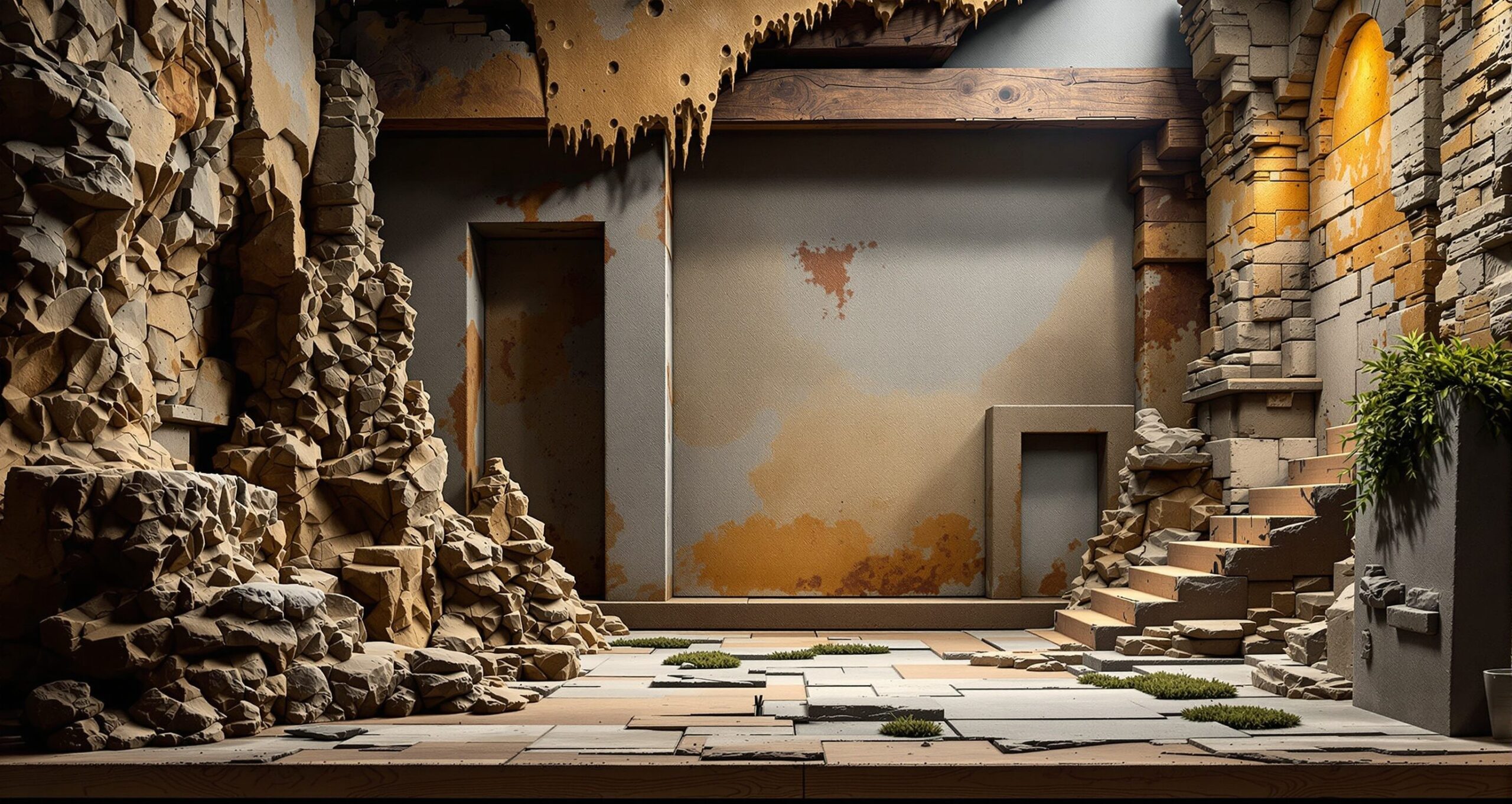
In themed spaces, texture is often exaggerated to ensure readability. Rockwork features use deeper crevices and sharper edges than real stone. Wood grains are carved larger and more pronounced. Plaster surfaces may be intentionally cracked or layered. These exaggerations help the brain quickly identify the material category and emotional intent, especially in low lighting or fast-moving environments.
Tactile consistency also matters. When a surface looks rough but feels smooth, or appears heavy but feels hollow, cognitive dissonance occurs. This breaks immersion. Successful themed spaces align visual texture with physical feedback, even when using lightweight scenic materials. The closer the tactile experience matches expectation, the stronger the psychological believability.
Material Weight and the Illusion of Mass
Perceived weight plays a critical role in material psychology. Humans instinctively associate weight with value, stability, and importance. Heavier-looking materials feel more permanent and trustworthy. Lighter-looking materials feel temporary, playful, or disposable.
In themed environments, actual material weight is often reduced for structural and budgetary reasons, but perceived weight must remain convincing. Designers rely on thickness, shadow depth, layering, and edge detailing to suggest mass. A foam-sculpted column that visually reads as thick stone will feel psychologically heavier than a thin metal panel painted gray, even if both weigh far less than real stone.
This perception influences behavior. Guests move more cautiously around heavy-feeling materials. They linger longer in spaces that feel grounded and substantial. Conversely, environments that feel visually lightweight encourage faster movement and less emotional attachment. Understanding this dynamic allows designers to control pacing and emotional intensity within a themed space.
Natural Materials and the Comfort of Familiarity
Natural materials have a unique psychological advantage. Wood, stone, leather, clay, and natural fibers carry evolutionary familiarity. They tend to lower stress levels, improve mood, and increase dwell time. Studies in environmental psychology consistently show that spaces incorporating natural materials feel more restorative and emotionally balanced.
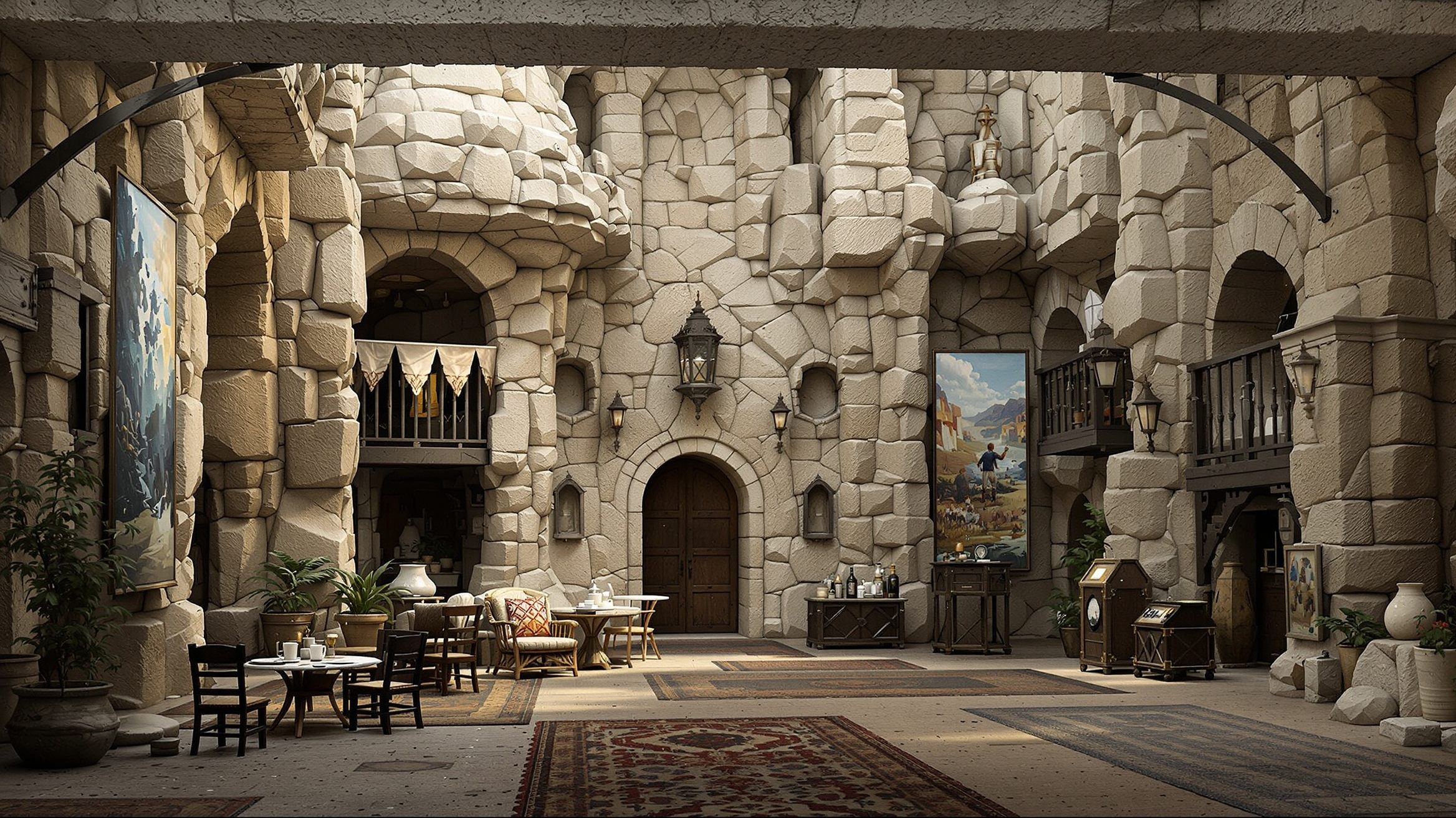
In themed spaces, natural materials—or convincing representations of them—anchor fantastical narratives in something recognizable. A fantasy castle feels more believable when its walls resemble aged stone rather than smooth fiberglass. A futuristic environment still benefits from moments of natural texture to prevent emotional fatigue.
Even when synthetic materials are used, mimicking natural imperfections is critical. Perfectly uniform surfaces feel artificial and trigger skepticism. Slight irregularities signal authenticity and human touch, which the brain associates with trust and realism. Designers who understand this often introduce controlled variation into scenic finishes to avoid sterile perfection.
Artificial Materials and the Psychology of Believability
Artificial materials are unavoidable in themed environments, but their psychological success depends on how they are framed. When synthetic materials attempt to pass as natural and fail, immersion collapses. However, when artificiality is intentional and legible, it can enhance the experience.
Highly polished plastics, glowing acrylics, and exposed composites work well in futuristic or surreal themes because the brain is not expecting naturalism. The problem arises when a material exists in an ambiguous zone—trying to look real without fully committing. The brain detects inconsistencies quickly, leading to disengagement.
Successful themed design embraces material honesty within the narrative. If a surface is meant to feel manufactured, it should clearly read as such. If it is meant to represent stone, wood, or metal, the illusion must be strong enough to withstand close inspection. Psychological acceptance depends less on realism alone and more on internal consistency.
Color, Material, and Emotional Memory
Material psychology cannot be separated from color. The same material finished in different tones can evoke entirely different emotions. Dark, matte finishes feel heavier and more serious. Light, reflective finishes feel open and energetic. Warm tones encourage comfort and intimacy, while cool tones increase alertness and focus.
Color also affects memory formation. Research shows that emotionally charged environments are remembered more vividly, and materials play a major role in creating that charge. A rusted steel wall, a glowing amber resin panel, or a weathered timber beam becomes a memory anchor, tying emotional response to physical sensation.
In themed spaces, designers often use materials as mnemonic devices. Guests may not remember exact layouts, but they remember “the cold stone hallway,” “the warm wooden tavern,” or “the shiny metallic corridor.” These material-based memories strengthen storytelling and long-term brand association.
Aging, Wear, and the Psychology of Time
Perceived age is one of the most powerful psychological effects materials can convey. Weathered surfaces suggest history, survival, and narrative depth. Pristine surfaces imply newness, control, or artificiality. Both have value, but they must align with the theme’s emotional goals.
Aged materials create instant backstory. Cracks, patina, rust, and erosion tell the brain that time has passed. This fosters curiosity and emotional engagement. Guests instinctively imagine what happened before they arrived. In contrast, perfectly clean environments often feel temporary or staged unless the theme explicitly calls for sterility or futurism.
Designers often use accelerated aging techniques to compress decades or centuries into a finished surface. The psychological success of these techniques depends on restraint. Over-aging can feel theatrical or fake, while subtle wear feels authentic. The brain responds best to believable imperfection.
Safety, Trust, and Material Cues
Materials strongly influence perceived safety. Solid surfaces, visible structural elements, and familiar textures make people feel secure. Fragile-looking or overly smooth materials can create anxiety, even when structurally sound. This is especially important in spaces designed for exploration or physical movement.
Handrails that look sturdy feel safer than thin, decorative alternatives. Floors with visible texture feel less slippery, even if they are smooth. Walls that appear thick provide a sense of enclosure and protection. These cues operate below conscious awareness but directly affect comfort and willingness to engage.
In themed spaces where guests are meant to suspend disbelief, psychological safety must come first. If materials suggest instability or fragility, the brain prioritizes self-preservation over immersion. Designers who understand this balance can create environments that feel adventurous without triggering discomfort.
Cultural Associations and Material Meaning
Material psychology is also shaped by culture. Stone may signify permanence in one context and oppression in another. Gold can represent wealth, divinity, or excess depending on usage. Wood might suggest craftsmanship, poverty, or sustainability based on cultural framing.
In globally accessible themed environments, designers must be aware of these layered meanings. Materials should support the intended narrative without unintentionally conflicting with cultural expectations. This often requires research into regional symbolism and historical usage. When done well, culturally informed material choices deepen authenticity. They signal respect for the story being told and enhance emotional resonance. When done poorly, they can feel superficial or insensitive, breaking immersion and trust.
Material Transitions and Emotional Flow
The psychology of materials extends beyond individual surfaces to how materials transition across space. Abrupt changes can create excitement or tension. Gradual transitions encourage comfort and flow. Designers use these shifts intentionally to guide emotional pacing.
A guest moving from a warm, textured space into a cold, metallic one experiences an immediate emotional shift. This contrast heightens awareness and reinforces narrative beats. Similarly, transitioning from hard materials to softer ones signals rest, safety, or resolution. Material transitions also help orient guests spatially. Even without signage, people intuitively recognize when they have entered a new zone based on material language alone. This nonverbal guidance improves navigation and overall experience quality.
Designing for Memory, Not Just Appearance
The ultimate goal of material psychology in themed spaces is not visual appeal alone, but emotional memory. People remember how spaces made them feel more than how they looked. Materials are central to that feeling because they engage multiple senses simultaneously. A successful themed environment uses materials to reinforce narrative, emotion, safety, and authenticity in a cohesive system. Every surface contributes to the story, whether consciously noticed or not. The most effective designs feel inevitable, as if no other materials could belong there. Designers who master material psychology move beyond decoration into experience design. They understand that materials are not neutral—they are active participants in perception, emotion, and memory. By choosing materials with psychological intent, themed spaces become immersive worlds rather than decorated rooms.
The Future of Material Psychology in Themed Design
As technology advances, new materials will offer expanded psychological possibilities. Smart surfaces, adaptive textures, and responsive finishes will allow environments to change emotional tone dynamically. However, the core principles will remain rooted in human perception and instinct.
No matter how advanced materials become, their success will depend on how well they align with psychological expectations. Authenticity, consistency, and emotional clarity will continue to matter more than novelty alone. Designers who understand the human brain will always have an advantage over those who rely purely on visual spectacle. The psychology of materials is not a trend—it is a foundational discipline within themed design. When materials are chosen with intention and insight, they elevate experiences, deepen immersion, and create spaces that linger in memory long after the story ends.