The Architecture of Imagination
Fantasy world building is not simply the act of inventing places, creatures, or magical forces—it is the deliberate construction of an ecosystem where every detail feels interconnected and alive. The most compelling fictional worlds do not rely on spectacle alone; they are grounded in internal logic, cultural depth, and environmental realism. Whether you are crafting a novel, designing a game, or building visual art concepts, the strength of your world lies in how seamlessly its landscapes, cultures, and magic systems interact. This guide explores the foundational pillars of fantasy world building, offering a structured yet creative approach to developing immersive environments that resonate with audiences. By understanding how geography shapes society, how culture evolves from necessity and belief, and how magic operates within defined systems, you can transform abstract ideas into fully realized worlds.
A: Begin with a core idea or theme, then expand into geography, culture, and conflict.
A: Not always, but even a rough map helps maintain spatial consistency.
A: Enough to stay consistent—detail depends on how central it is to the story.
A: Yes, variation adds realism and depth to your world.
A: Combine familiar elements in unexpected ways or add unique twists.
A: Very—past events shape current conflicts and world dynamics.
A: Yes, but maintain consistency in tone and rules.
A: Use notes, maps, and timelines to track details.
A: Consistency, detail, and believable interactions between systems.
A: When it supports your story effectively—worldbuilding evolves as you create.
The Foundation: Designing Believable Fantasy Landscapes
Every world begins with its terrain. Landscapes are not merely backdrops; they are active forces that influence politics, culture, economy, and storytelling. A well-designed fantasy environment considers geography as a dynamic system rather than a static map.
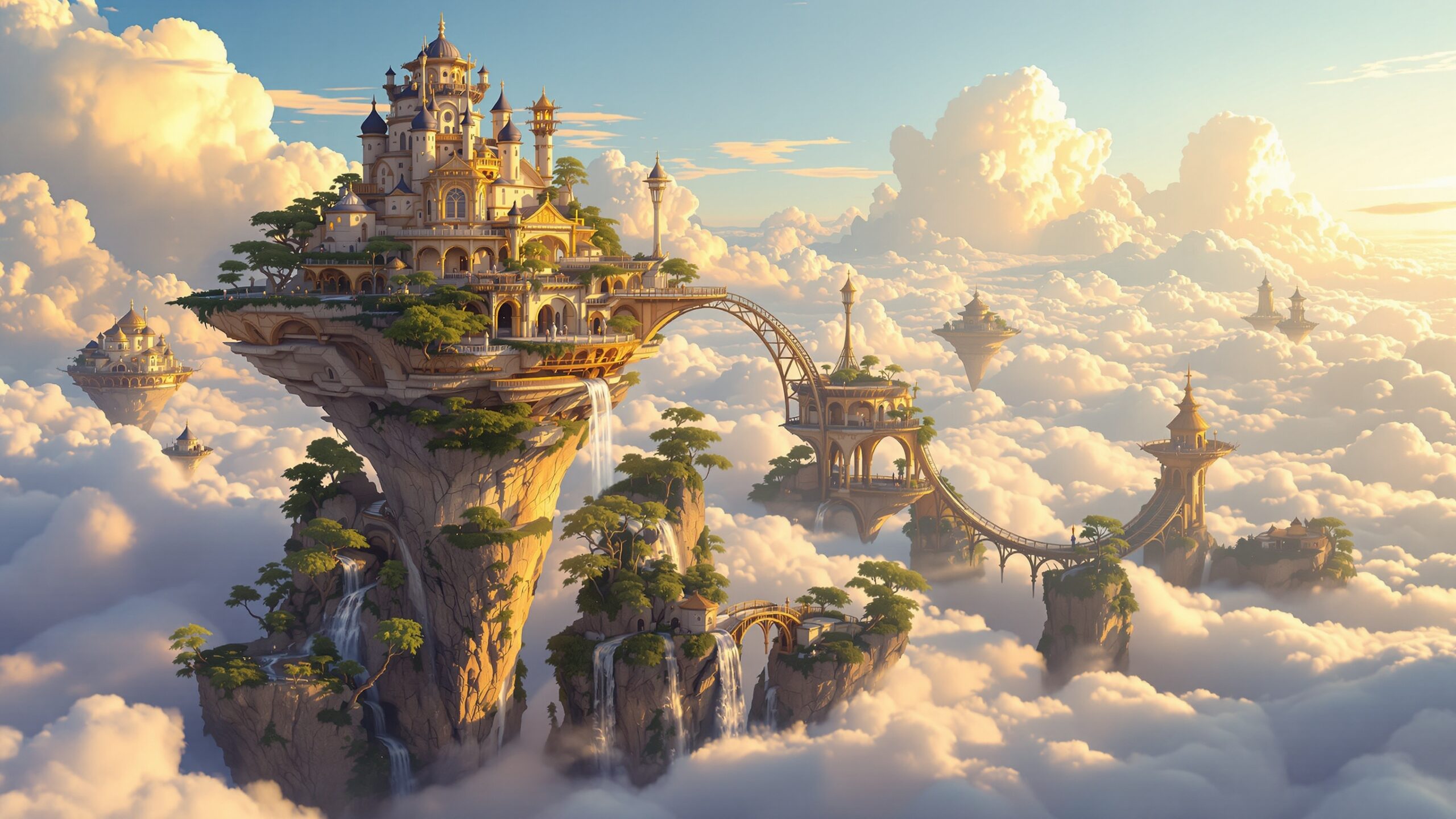
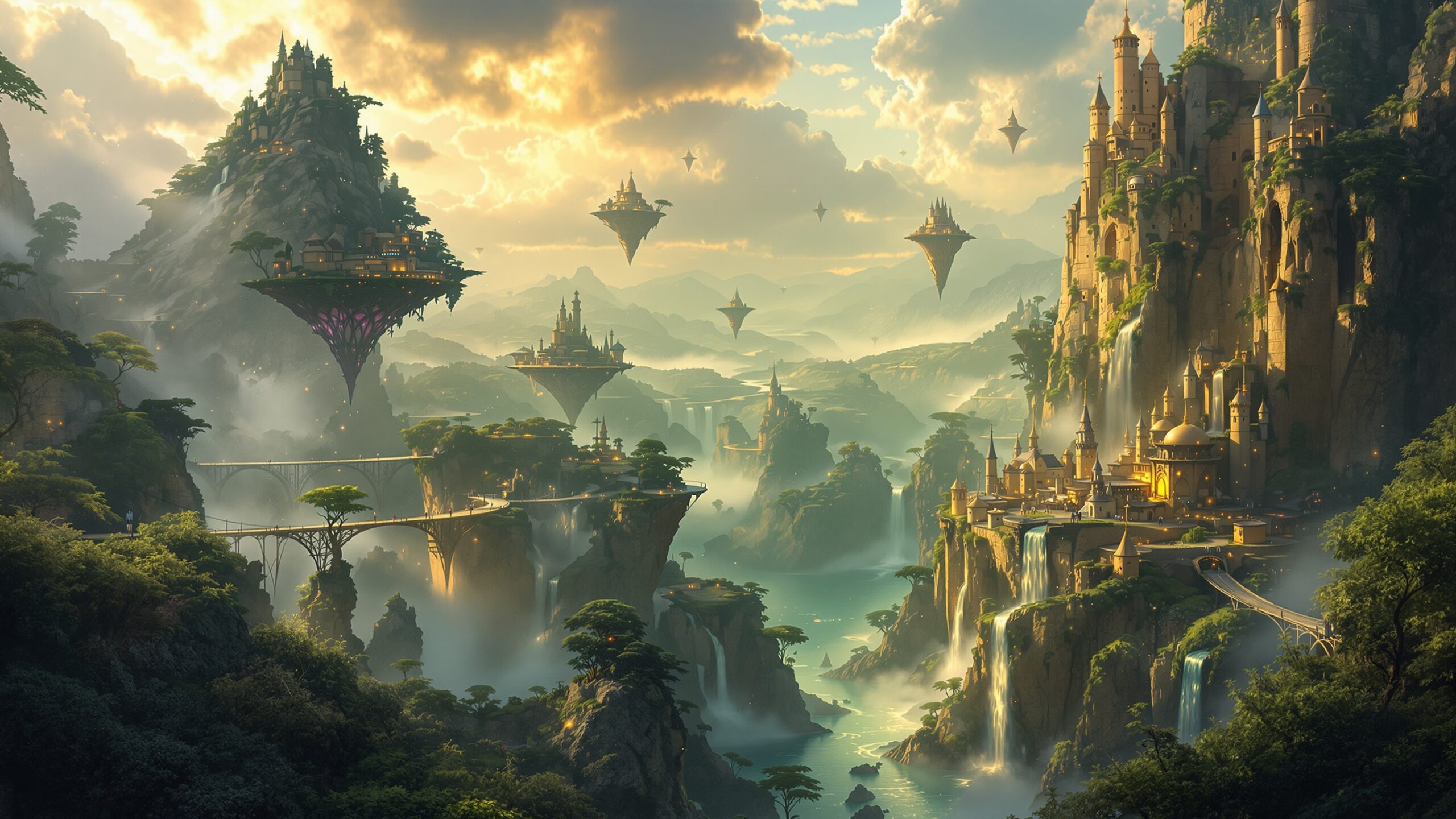
Start by defining the macro structure of your world. Is it a single continent, an archipelago, or a fractured realm of floating islands? The large-scale geography establishes natural boundaries and opportunities for conflict. Mountain ranges can isolate civilizations, oceans can connect distant lands, and deserts can act as both barriers and cultural incubators.
Climate plays a critical role in shaping these landscapes. A tropical region will foster dense vegetation, vibrant biodiversity, and resource abundance, while arid environments demand resilience and innovation from their inhabitants. Consider how seasonal patterns affect daily life. Monsoons, harsh winters, or unpredictable storms can define entire cultures and influence architecture, agriculture, and migration.
Topography should also inform the practical aspects of survival. Rivers become lifelines for trade and agriculture, forests offer both resources and dangers, and volcanic regions may provide fertile soil at the cost of instability. When these elements are interconnected, your world begins to feel organic rather than constructed.
Micro-Environments: Adding Depth Through Detail
Once the broad geography is established, the next step is to refine your world through micro-environments. These are localized regions with distinct characteristics that add complexity and variety to the larger setting.
Think about how ecosystems differ even within the same climate zone. A forest near a river may be lush and dense, while one on higher ground could be sparse and wind-swept. Coastal cliffs create different challenges and opportunities compared to sandy beaches. These nuances make exploration within your world more engaging and believable.
Micro-environments are also ideal for introducing unique flora and fauna. Consider how plants and animals adapt to their surroundings, and how these adaptations influence human or humanoid interaction. A glowing fungus in a cavern might serve as both a light source and a sacred symbol, while a predator native to icy tundras could shape hunting traditions and myths.
By layering these details, you create a sense of discovery. Each region feels distinct, encouraging deeper engagement from your audience.
Cultural Development: Societies Shaped by Environment
Culture does not exist in isolation. It emerges from the interplay between environment, history, and collective belief systems. When building cultures in a fantasy world, the key is to anchor them in the realities of their surroundings.
Begin by considering how geography influences lifestyle. Coastal communities may develop advanced navigation skills and trade networks, while mountainous societies might prioritize defense and self-sufficiency. Agricultural practices will vary depending on soil quality, climate, and available resources, shaping diets, economies, and social structures.
Language, art, and traditions often reflect environmental conditions. A desert culture might have an extensive vocabulary for sand and wind, while a forest-dwelling society could incorporate natural patterns into their clothing and architecture. Rituals and festivals frequently align with seasonal changes, reinforcing the connection between people and their land.
History adds another layer of depth. Wars, migrations, and alliances leave lasting imprints on culture. Consider how past events influence present attitudes. A society that survived a magical catastrophe may view magic with suspicion, while another that thrived through its use might celebrate it as a divine gift.
Social Structures and Power Dynamics
No culture is complete without a framework of governance and social hierarchy. Power dynamics shape the narrative possibilities within your world, influencing conflict, cooperation, and character motivations.
Determine how authority is distributed. Is power centralized in a monarchy, shared among councils, or dictated by religious institutions? Each system comes with strengths and weaknesses that affect stability and societal development.
Class systems often emerge from resource distribution and historical context. In a resource-rich environment, wealth may be more evenly distributed, while scarcity can lead to rigid hierarchies. Consider how mobility within these systems operates. Are individuals able to change their status, or are they bound by birth?
Conflict often arises from disparities in power. Rival factions, political intrigue, and cultural tensions provide fertile ground for storytelling. By embedding these elements into your world, you create a dynamic environment where narratives can unfold naturally.
Belief Systems: Religion, Myth, and Identity
Belief systems are the emotional and philosophical core of a culture. They influence behavior, shape moral frameworks, and provide explanations for the unknown.
In fantasy worlds, religion and mythology often intersect with tangible phenomena. Deities may have a physical presence, or myths could be rooted in historical events. Consider how belief systems evolve. Are they unified or fragmented? Do different cultures share similar myths, or are their interpretations vastly different?
Symbols, rituals, and sacred spaces add depth to these systems. Temples, shrines, and pilgrimage routes can become focal points for both cultural identity and narrative events. The way individuals interact with their beliefs—whether through devotion, skepticism, or rebellion—adds complexity to characters and societies.
Magic Systems: Defining the Rules of the Impossible
Magic is one of the defining elements of fantasy, but its effectiveness depends on how well it is structured. A compelling magic system balances creativity with consistency, providing both wonder and limitations.
Start by determining the source of magic. It could originate from natural forces, divine intervention, or an inherent trait within certain individuals. The origin influences how magic is perceived and used within the world.
Next, establish the rules. What can magic do, and what are its limitations? Constraints are essential for maintaining tension and believability. Without limits, magic risks becoming a narrative shortcut rather than a meaningful tool.
Costs are another critical factor. Magic may require physical energy, rare materials, or personal sacrifice. These costs create stakes and prevent overuse. They also influence who has access to magic and how it is regulated.
Consistency is key. Once the rules are defined, they should remain stable unless there is a clear narrative reason for change. This consistency allows audiences to understand and anticipate outcomes, enhancing engagement.
Hard vs. Soft Magic Systems
Magic systems can generally be categorized as hard or soft, depending on how explicitly their rules are defined. A hard magic system operates with clear, structured rules that are understood by both the characters and the audience. This approach is ideal for stories that involve strategic use of magic, where problem-solving and logical application are central.
A soft magic system, on the other hand, is more mysterious and less defined. Its purpose is often to evoke wonder and support thematic elements rather than provide precise solutions. While softer systems allow for greater flexibility, they require careful handling to avoid undermining narrative tension.
Many successful fantasy worlds blend these approaches, using structured rules for common magic while leaving certain aspects unexplained. This balance preserves both clarity and intrigue.
Integration: Connecting Landscapes, Cultures, and Magic
The true strength of a fantasy world lies in how its components interact. Landscapes, cultures, and magic systems should not exist as separate elements but as interconnected parts of a cohesive whole.
Consider how magic influences the environment. Regions with abundant magical energy might exhibit unusual phenomena, such as floating landforms or altered ecosystems. Conversely, areas devoid of magic could develop technologies or cultural practices that compensate for its absence.
Culture is also shaped by magic. Societies with access to powerful magic may develop hierarchies based on magical ability, while others might fear or outlaw it. These attitudes influence education, governance, and daily life.
Trade and conflict often arise from these interactions. A region rich in magical resources could become a focal point for political struggle, while cultural differences in the use of magic might lead to alliances or rivalries.
By weaving these elements together, your world gains depth and coherence, making it more immersive and believable.
Storytelling Through Environment
A well-built world tells its own story, even before characters are introduced. Environmental storytelling uses visual and contextual cues to convey history, culture, and conflict.
Ruins, artifacts, and landscape features can hint at past events. A shattered fortress may suggest a long-forgotten war, while an abandoned village could indicate environmental disaster or magical catastrophe. These details invite curiosity and encourage exploration.
Architecture is another powerful storytelling tool. The design of buildings reflects cultural values, available materials, and technological advancement. A city built into a cliffside conveys different priorities and challenges than one spread across a fertile plain.
Even small details contribute to the narrative. Clothing styles, market goods, and everyday objects provide insight into the lives of inhabitants. When these elements are consistent with the broader world, they reinforce immersion.
Evolution: Letting Your World Grow Over Time
A static world quickly loses its sense of realism. To maintain engagement, consider how your world evolves. Change can occur through natural processes, cultural shifts, or major events.
Technological advancements may alter the balance of power, while environmental changes can force migration and adaptation. Cultural exchange through trade or conquest introduces new ideas and practices, reshaping societies over time.
Magic systems can also evolve. Discoveries, innovations, or disruptions in magical forces create new possibilities and challenges. These changes keep the world dynamic and open to ongoing storytelling.
Common Pitfalls in Fantasy World Building
While creativity is essential, certain pitfalls can undermine the effectiveness of a fantasy world. Overcomplication is a frequent issue, where excessive detail overwhelms both the creator and the audience. Focus on relevance, ensuring that each element serves a purpose.
Inconsistency is another challenge. Contradictions in geography, culture, or magic rules can break immersion. Maintaining a reference system or documentation helps preserve coherence.
Finally, avoid relying solely on clichés. While familiar elements can provide a foundation, originality comes from how you reinterpret and combine them. Strive to create unique interactions and perspectives within your world.
Crafting Worlds That Endure
Fantasy world building is both an art and a discipline. It requires imagination, structure, and attention to detail. By thoughtfully designing landscapes, developing cultures rooted in their environments, and constructing balanced magic systems, you create worlds that feel authentic and compelling.
The most memorable fantasy settings are those that invite exploration and discovery, where every element contributes to a larger narrative. As you refine your approach and experiment with new ideas, your worlds will not only support your stories but become stories in their own right. In the end, the goal is not just to build a world, but to create an experience—one that captures the imagination and lingers long after the journey is complete.