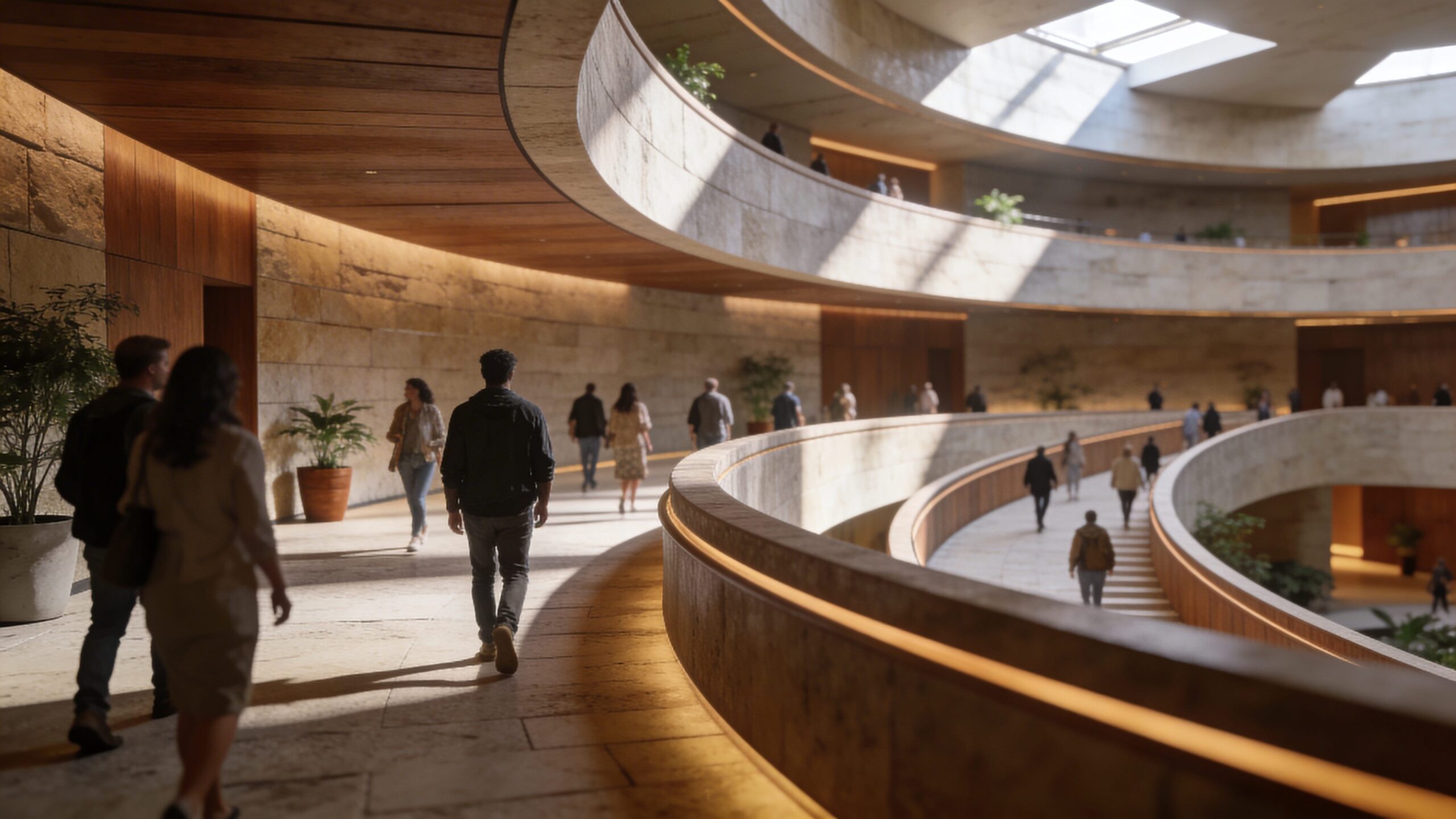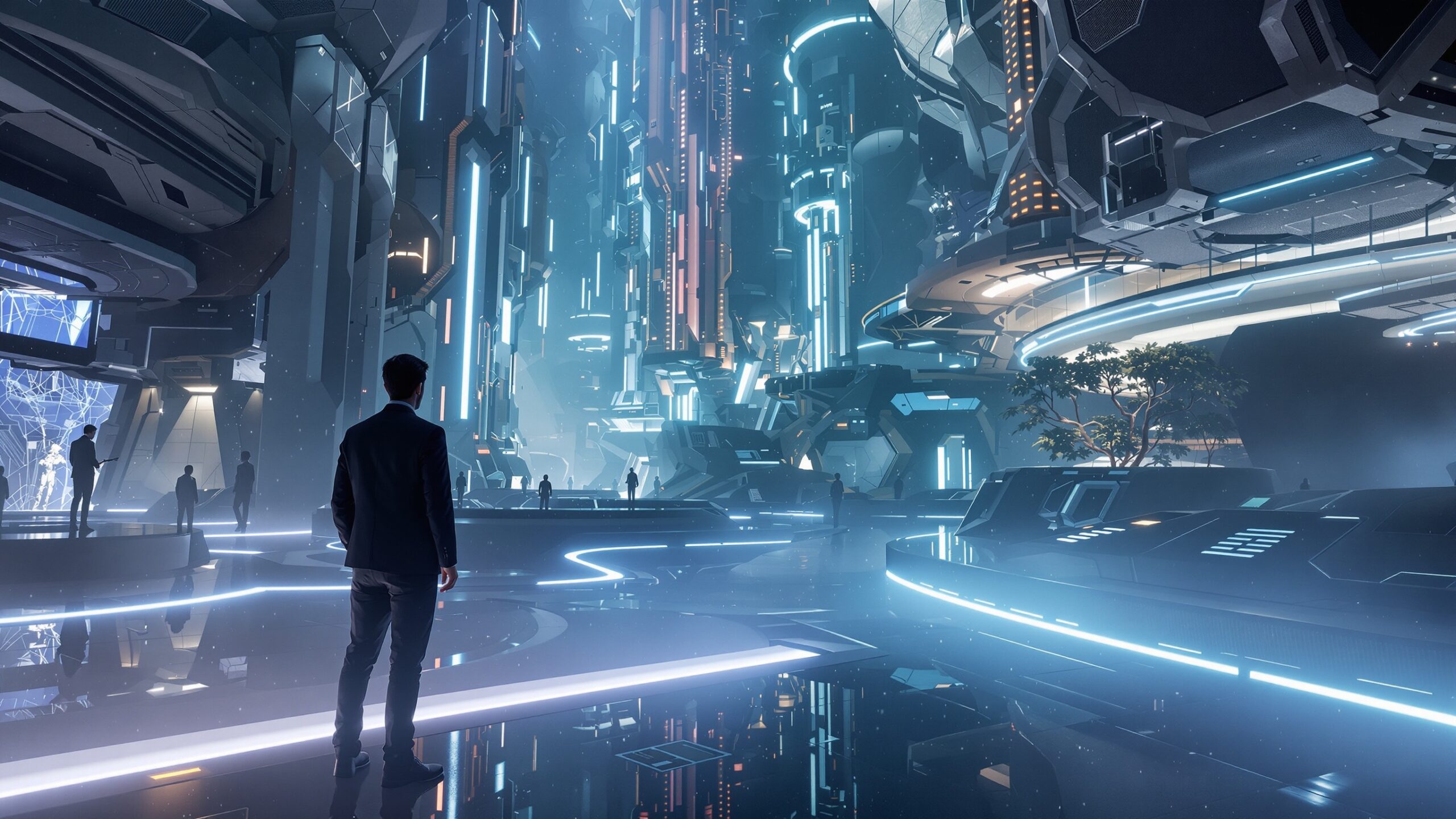
How the Human Brain Responds to Immersive Environments

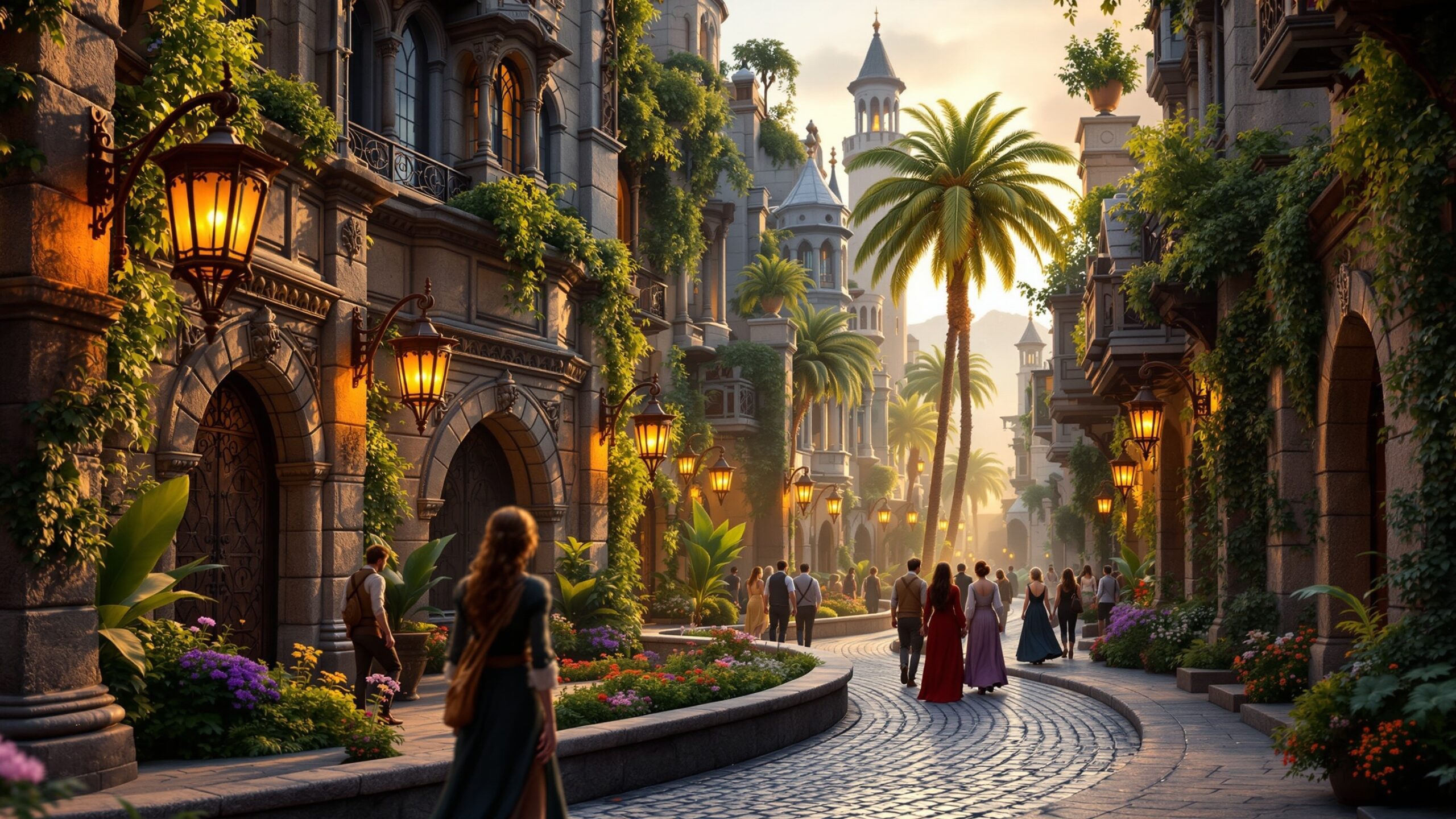
Step inside the fascinating science of immersion and discover how the brain transforms sights, sounds, and spaces into powerful experiences. From sensory integration to emotional memory, learn why immersive environments—from themed attractions to virtual worlds—feel so real and unforgettable.
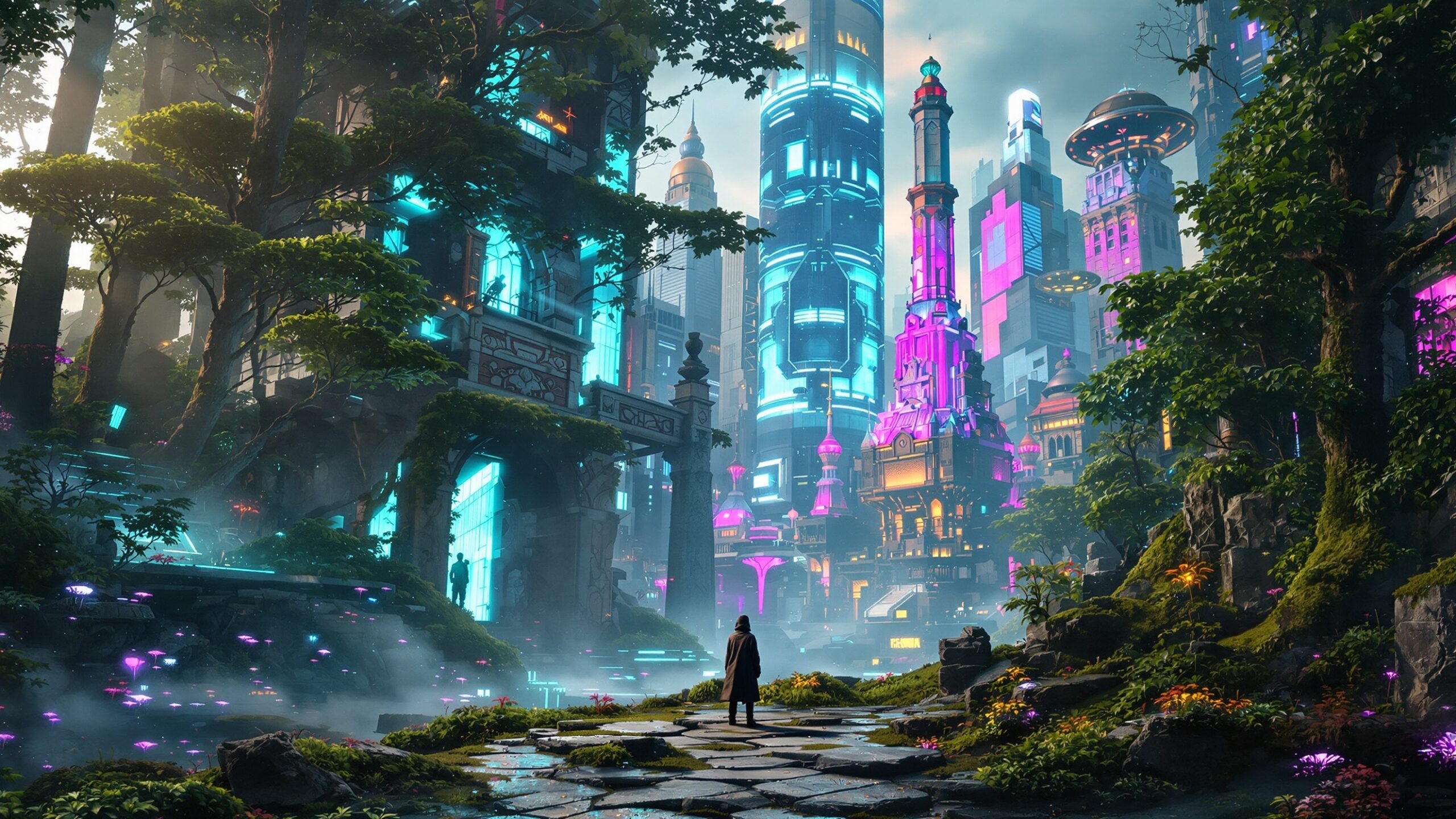
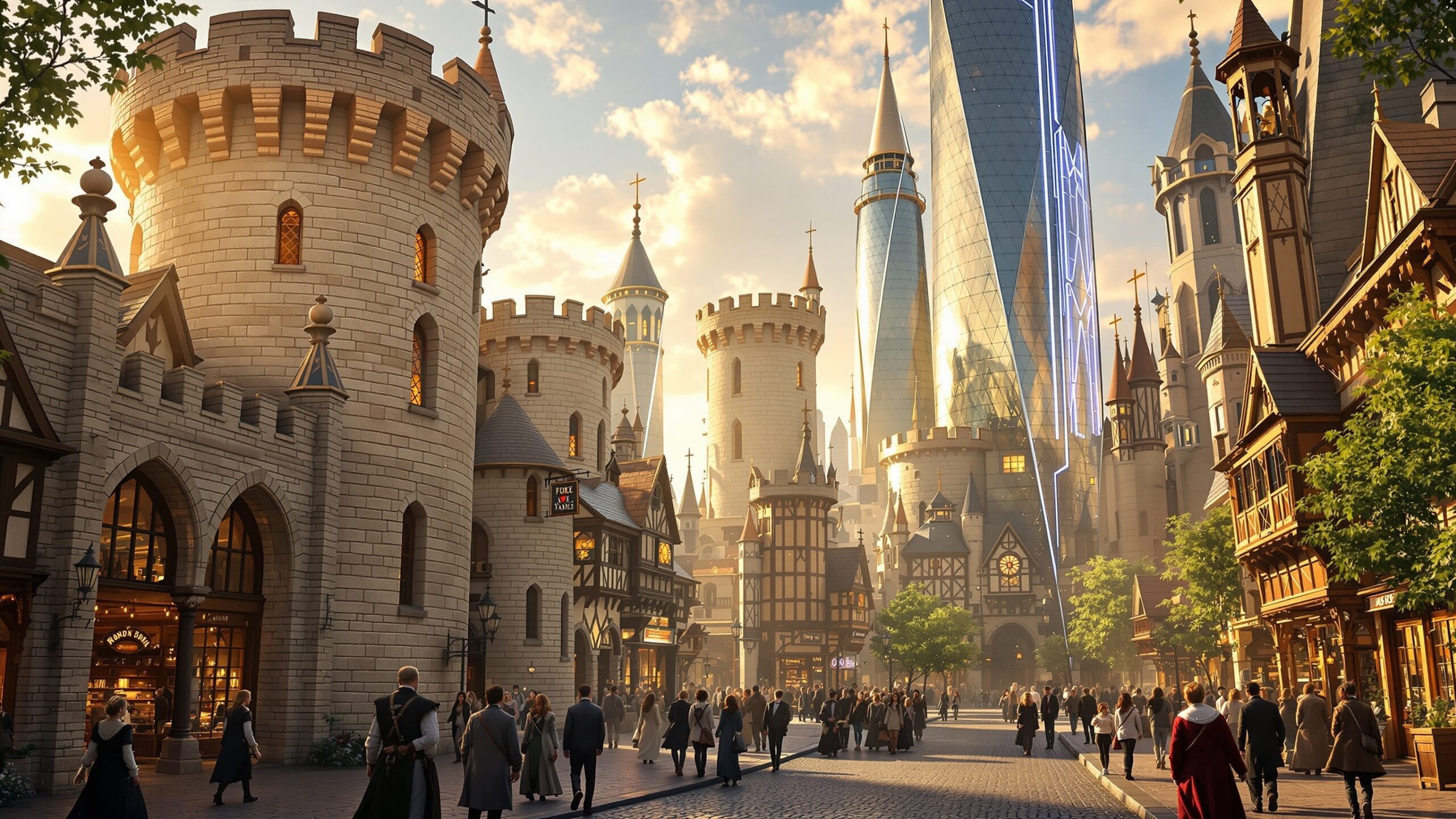
What Makes an Experience Truly Immersive? The Psychology Behind Total Engagement

What transforms a simple moment into a world you can’t look away from? Immersive experiences blend storytelling, sensory design, and psychology to capture the mind and emotions. Explore the fascinating science behind total engagement—and discover how environments can make people feel like they’ve stepped into another reality.

The Core Principles of Theme Architecture Explained

Step behind the scenes of immersive design and discover how theme architecture transforms ordinary spaces into unforgettable worlds. From storytelling-driven layouts to visual illusions and emotional design, these core principles reveal how architects and creators craft environments that spark imagination, guide movement, and leave lasting memories.

How Theme Architecture Shapes Emotion, Memory, and Experience

The Architecture of Feeling Architecture has always influenced how people feel, but themed architecture takes that influence to an entirely different level. Instead of merely providing shelter or functional spaces, themed environments are carefully crafted to evoke emotion, trigger memories, and immerse visitors in a narrative. From the whimsical streets of theme parks to the atmospheric corridors of museums, themed hotels, and cultural attractions, these spaces are designed with psychological…

The Psychology of Materials in Themed Spaces

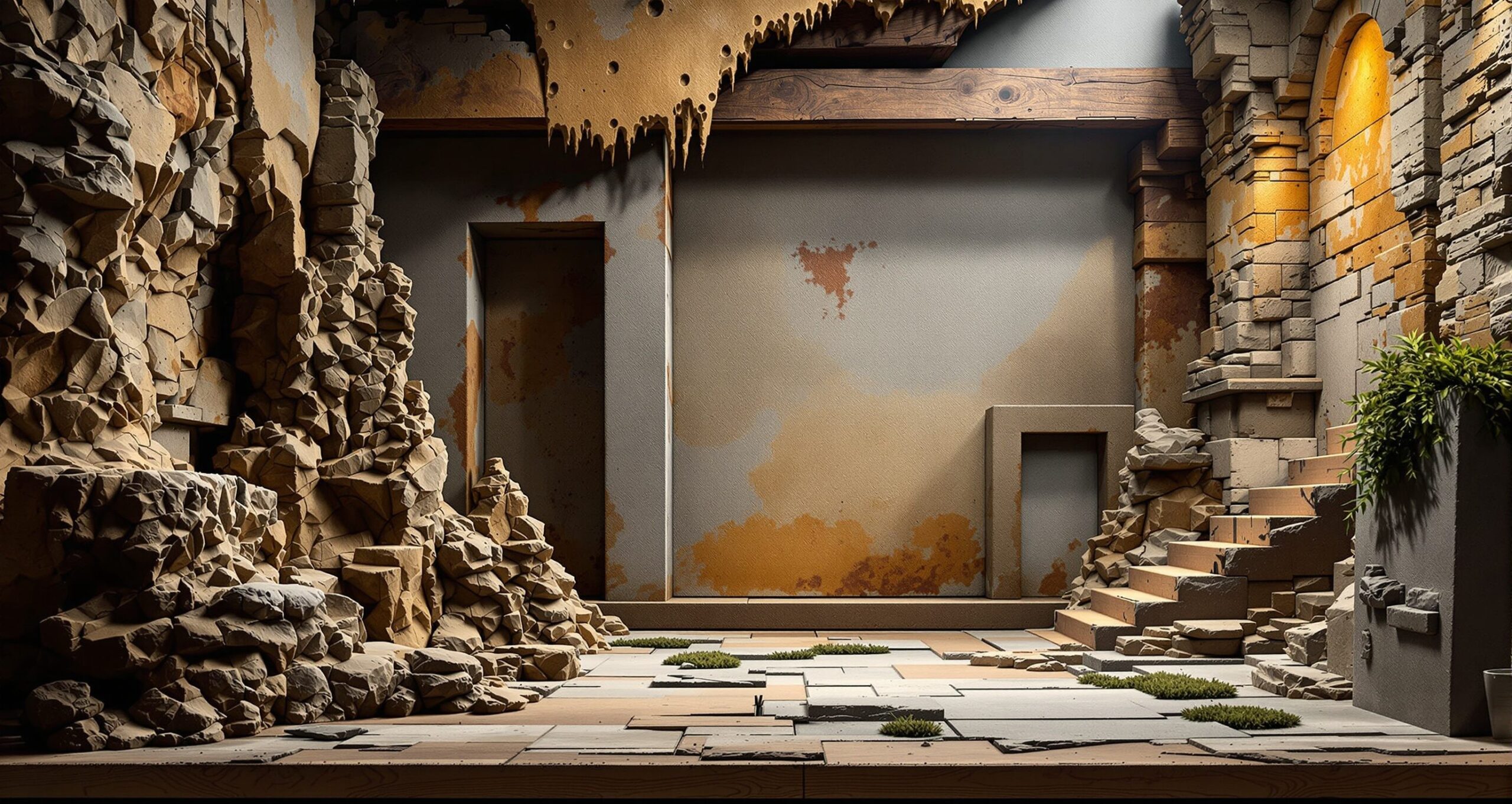
Materials quietly shape how themed spaces feel, guide emotion, and anchor memory. From texture and weight to aging and authenticity, discover how material choices influence perception, immersion, and trust. This deep dive into material psychology reveals why the most powerful themed environments feel instinctively real long before the story is understood.

Choosing the Right Materials for Immersive Theme Design

Immersive theme design begins with material choices that disappear into the story. From scenic surfaces to hidden structures, discover how the right materials create believable worlds that feel real, durable, and unforgettable.

The Psychology of Movement: Why Guests Walk Where They Walk

Why do guests choose one path over another without realizing it? The psychology of movement reveals how space, emotion, and instinct quietly guide every step. From visual cues to subconscious comfort signals, discover how thoughtfully designed environments shape flow, curiosity, and unforgettable experiences—without a single sign telling guests where to go.

Creative Ways to Use Accent Lighting in Themed Spaces

Accent lighting is more than illumination—it’s a storytelling tool. Discover how creative lighting techniques shape mood, guide attention, and transform themed spaces into immersive, emotional experiences that feel intentional, layered, and alive.

Best Materials for Themed Environments: What Designers Actually Use

Great themed environments aren’t built on decoration alone—they’re built on material mastery. This deep dive reveals what professional designers actually use to create believable, durable, and emotionally immersive spaces, from sculpted foam and GFRC to aged metals, real wood, and scenic finishes that bring entire worlds to life.

Designing Guest Journeys That Feel Effortless and Intentional

Great guest experiences don’t happen by chance. They are carefully designed journeys that guide people effortlessly through space, emotion, and story. This article explores how intentional flow, sensory design, and human-centered planning create experiences that feel natural, immersive, and unforgettable from arrival to departure.